Side Dishes
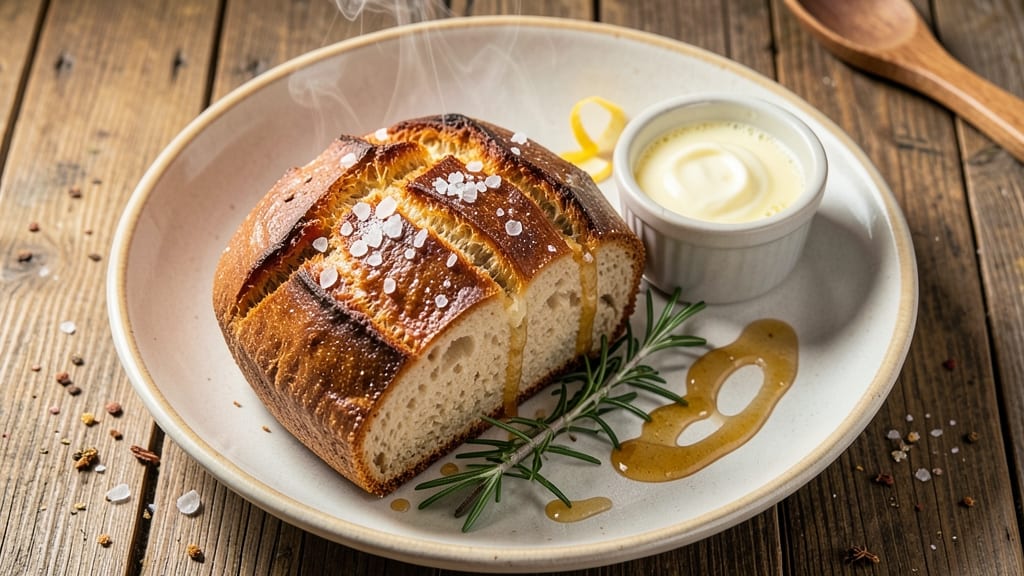
This 50-50 bread recipe delivers the perfect balance of crispy edges and moist crumb—just like Grandma used to make. The secret lies in its signature mix of all-purpose flour and potato flour, creating a texture that's both sturdy and tender.
I've baked this Southern classic countless times, and it never fails to impress, whether served warm with honey butter or as a side to fried chicken.
What sets this bread apart is its simplicity: just 8 core ingredients come together in a skillet, baking into golden perfection with minimal effort. The potato flour gives it that signature crispy crown, while the cornmeal adds just enough texture to keep it interesting.
No fancy equipment needed—just a cast-iron skillet and about 30 minutes of active time (plus baking).
The result is a loaf with a crusty exterior that shatters slightly when you tap it, and a soft, buttery crumb that melts in your mouth. The flavor is rich without being heavy, thanks to the balance of milk, butter, and a touch of sugar.
This bread holds its shape beautifully, making it ideal for slicing thick or serving as a hearty side dish.
Serve it warm with honey butter, jam, or even as a base for open-faced sandwiches. The possibilities are endless, but the recipe itself is foolproof—perfect for beginners and experienced bakers alike. Let's get baking!
Ingredients for 50 50 bread
Eight simple ingredients transform into Grandma's iconic 50-50 bread with crispy crown and tender crumb.
| Ingredient | Amount | Notes |
|---|---|---|
| All-Purpose Flour 🌾 | 2 cups | Sifted for best texture |
| Potato Flour 🥔 | 2 cups | Key for crispy crown |
| Unsalted Butter 🧈 | ½ cup | Cold, cubed for even melting |
| Milk 🥛 | 1 cup | Warm for faster activation |
| Granulated Sugar 🍚 | 1 tbsp | For subtle sweetness |
| Salt 🧂 | 1 tsp | Kosher or sea preferred |
| Active Dry Yeast 🍞 | 1 tbsp | Or 2.25g packet |
| Cornmeal 🌽 | 2 tbsp | For skillet coating |
Potato flour is non-negotiable here—it creates that signature crispy crown. Bob's Red Mill is my go-to brand, but any potato flour works. The cornmeal? Grab the fine-ground kind from King Arthur or your grocery store's baking aisle. Unsalted butter matters—Land O'Lakes or Plugrá are reliable choices. For the yeast, check the expiration date—it should be active within 4 months for best results. The milk should be warm (about 110°F) when mixed with yeast to activate it properly.
No potato flour? Instant mashed potato flakes work in a pinch (use half the amount), though texture will differ slightly. Short on cornmeal? Semolina flour is a decent substitute. The butter can be swapped for vegetable shortening if avoiding dairy, but texture will be less rich. For the sugar, brown sugar adds depth but may darken the crust slightly. The yeast packet? If you're unsure if it's active, proof it in warm water with a pinch of sugar—it should foam within 5 minutes.
This dough doubles in size, so don't overmix. Store unused flour in airtight containers for up to 6 months. The yeast packet keeps for 12 months in the fridge. Leftover bread? Wrap tightly in foil and reheat in a 350°F oven for 5-10 minutes to restore crispiness. The skillet should be preheated for 2 minutes before adding dough—this ensures that perfect golden crust.
Why You'll Love This Recipe
- No-Knead, No-Stress Bake: I swear by this—just mix, let it rise, and bake. The potato flour does all the heavy lifting while you sip coffee or scroll. No stand mixer, no fuss, just golden perfection.
- Buttery-Soft Magic: That 50/50 split of flours gives it a texture—tender crumb with just enough chew, and the butter? It melts into pure richness. Honestly, my toast game changed forever.
- Breakfast to Dessert: Serve it warm with jam for breakfast, toast it for lunch, or even drizzle with honey for a quick treat. I’ve used the leftovers for French toast, and yes, it’s still amazing.
- Budget Stretch: A loaf costs me pennies but feels like a bakery buy. The potato flour keeps it moist longer, so it stays fresh for days—no sad, dried-out bread here. Plus, butter and milk are pantry staples.
Step-by-step instructions for 50 50 bread recipe
Mastering this bread's signature crispy crown and tender crumb comes down to precise technique and patience.
Activate the Yeast with Warm Milk
In a small bowl, combine the 1 cup warm milk (about 110°F) with the 1 tbsp granulated sugar and 1 tbsp active dry yeast. Let it sit for 5-10 minutes until foamy. This step ensures your yeast is active and ready to work—if it doesn't foam, your bread won't rise properly.
I always test the milk temperature first by dipping my finger in—it should feel warm but not hot. The sugar helps speed up activation, while the yeast transforms simple sugars into carbon dioxide, creating those tiny bubbles that make bread light and airy.
Mix the Dough with Wet and Dry Ingredients
In a large mixing bowl, whisk together the 2 cups all-purpose flour, 2 cups potato flour, 1 tsp salt, and the yeast mixture. Using a wooden spoon or dough whisk, gradually incorporate the 0.5 cup cold cubed unsalted butter while mixing until the dough begins to come together.
The potato flour gives this bread its signature crispy crown, but it also makes the dough slightly stickier than traditional bread. I like to work quickly here—kneading too early can develop too much gluten, which would make the crust tough instead of tender.
Knead Until Smooth and Elastic
Turn the dough onto a lightly floured surface and knead for 8-10 minutes until smooth and elastic. You'll know it's ready when it springs back slowly when poked. The potato flour requires slightly more kneading than all-purpose flour alone, so don't rush this step.
I press down gently on the dough during the first minute—this prevents it from curling and ensures even contact with the surface. If the dough feels too sticky, add flour 1 tablespoon at a time, but don't overdo it or the bread will taste dense.
First Rise Until Doubled in Size
Place the dough in a lightly greased bowl, cover with a damp towel, and let rise in a warm place for 1-1.5 hours or until doubled in size. The warm environment (I use my oven with the light on) helps speed up fermentation, but don't let it rise too long or the bread will collapse when baked.
I always do a gentle poke test—if the dough springs back immediately, it needs more time. If it springs back slowly or leaves a slight indentation, it's ready. The potato flour makes the dough rise slightly faster than traditional bread, so keep an eye on it.
Shape and Second Rise for Crispy Crown
Punch down the dough to release air, then shape it into a round loaf. Place it seam-side up in a 9-inch cast-iron skillet coated with 2 tbsp cornmeal (this prevents sticking and creates the crispy bottom crust). Cover and let rise for 30-45 minutes until puffy.
The cornmeal coating is non-negotiable for that signature crispy crown. I brush the top with a little water right before baking—this helps create steam during baking, which gives the bread its signature crispy exterior while keeping the interior tender.
Bake Until Golden Brown and Hollow-Sounding
Preheat your oven to 375°F. Bake the bread for 30-35 minutes until the top is golden brown and the internal temperature reaches 190°F. Tap the bottom—the sound should be hollow, indicating it's fully baked.
I always rotate the skillet halfway through baking to ensure even browning. The potato flour makes this bread particularly prone to burning on top, so I keep an eye on it after the first 20 minutes. The crust should be deep golden brown with a crisp texture that shatters slightly when broken.
Cool and Slice for Maximum Flavor
Let the bread cool in the skillet for 10 minutes, then transfer to a wire rack. Slice it while still warm for the best texture—the interior should be soft and slightly crumbly, while the exterior remains crispy. Serve with butter or jam for the ultimate experience.
This bread keeps well for 2-3 days at room temperature, but I always make a fresh batch—nothing beats the aroma of a warm, crispy-crowned loaf straight from the oven. The potato flour gives it a unique texture that's perfect for toast or sandwiches.
Pro Tips For Making 50 50 Bread
- STOP WHISKING COLD BUTTER: Mix the butter and milk together until they’re just combined—no need to turn it into soup. I learned this the hard way after making the dough too sticky to handle, and trust me, you don’t want to deal with that. Warm the milk slightly (not hot, just finger-test temperature) first—this melts the butter faster without scrambling the dough.
- SIFT THE POTATO FLOUR: Don’t just dump it in. Potato flour clumps like a stubborn kid at nap time, and those lumps turn into dense spots in your bread. Sift it directly into the dry ingredients, then whisk like you’re angry at it. This isn’t the prettiest method, but it’s the tastiest—your crumb will be light, not gritty.
- WEIGH YOUR FLOUR (YES, EVEN YOU): Scooping flour from the bag is how you end up with a brick instead of bread. Use a kitchen scale for the all-purpose flour (and potato flour, if you’re feeling fancy). The 50/50 ratio is precise for a reason—too much flour and your bread turns out dense; too little and it collapses. I skip this when I’m lazy, but the difference is noticeable.
- BAKE UNTIL 190°F INTERNAL: Your oven runs hotter than it thinks. Check the bread’s internal temp with an instant-read thermometer—it should hit 190°F (185°F minimum) before pulling it out. I was skeptical until I tried it: bread pulled too soon tastes gummy; bread baked to this temp stays moist but holds its shape. No guesswork, just science.
Pro cooking tips for 50 50 bread
Skillet Prep Secrets
The cast-iron skillet is your secret weapon for that signature crispy crown. Preheat it for 2 minutes on the stovetop before adding the dough—this ensures even heat distribution and prevents sticking.
I always use 2 tablespoons of cornmeal to coat the bottom and sides, tapping out any excess. This creates a golden, crunchy base while keeping the interior tender. 🌟
Yeast Activation Test
Never skip testing your yeast! Mix the warm milk (110°F), sugar, and yeast in a small bowl, then wait 5 minutes. If it doesn’t foam, your yeast is dead—replace it immediately. I use a thermometer to check milk temp (too hot kills yeast, too cool slows it).
For extra insurance, proof the yeast in warm water with a pinch of sugar—it should foam within 5 minutes.
Dough Consistency Hacks
The potato flour makes this dough stickier than usual, so resist the urge to add too much extra flour. If it feels too wet, knead for 2-3 extra minutes—the gluten will tighten, improving structure.
I work quickly with wet hands to prevent sticking, and avoid over-kneading, which can make the crust tough. The dough should be smooth but slightly tacky, not dry. ✨
Baking Time Mastery
Watch for golden brown color after 20 minutes—the potato flour burns faster than regular bread. Rotate the skillet halfway through baking for even browning. Tap the bottom: a hollow sound means it’s done (usually 30-35 minutes total).
If the top browns too quickly, tent with foil. The internal temp should hit 190°F for perfect doneness. 🔥
Crispy Crown Trick
Right before baking, brush the dough’s top with 1 teaspoon water—this creates steam during baking, locking in moisture while crisping the crust. I also sprinkle 1 teaspoon cornmeal on top for extra texture.
The steam helps develop that shatterable crust while keeping the crumb soft. This step is non-negotiable for authentic 50-50 bread texture.
Cooling Like a Pro
Let the bread cool 10 minutes in the skillet—this traps heat and finishes the crust. Then transfer to a wire rack to prevent sogginess. Slice while warm for maximum crispiness, but wait 30 minutes if serving cold (the crust firms up beautifully).
Store leftovers in an airtight container for up to 3 days—reheat slices at 350°F for 5 minutes to restore crispness. 💫
Nutrition facts
Frequently asked questions
Why does this bread need potato flour?
The potato flour creates that signature crispy crown while keeping the crumb tender. It adds natural moisture and a slightly sweet flavor that balances the cornmeal's texture. Without it, you'd miss the bread's iconic shatterable crust!
Can I use a different skillet?
A 9-inch cast-iron skillet works best for that signature crispy bottom, but you can use oven-safe ceramic or stainless steel. Preheat it thoroughly and coat with cornmeal to prevent sticking. Avoid nonstick—it won't get as crispy.
What if my bread doesn't rise?
Check your yeast first—it may be old. Ensure your milk is 110°F (not too hot or cold) and the dough is in a warm place. If it rises slowly, try adding 1 tsp sugar to the yeast mixture. Overproofing is common with potato flour—don't let it rise beyond doubled.
How do I make this bread vegan?
Replace the butter with ½ cup vegan butter or coconut oil, and use 1 cup plant-based milk (like almond or oat). For yeast activation, add 1 tsp sugar to the warm milk. The texture will be slightly denser but still delicious!
Can I add cheese or herbs?
Try ½ cup shredded cheddar mixed into the dough for savory bread, or 1 tbsp dried herbs (like rosemary or thyme) for extra flavor. Keep the amount small—too much can make the bread dense. The classic version is best plain, but variations work well!