
Main Courses
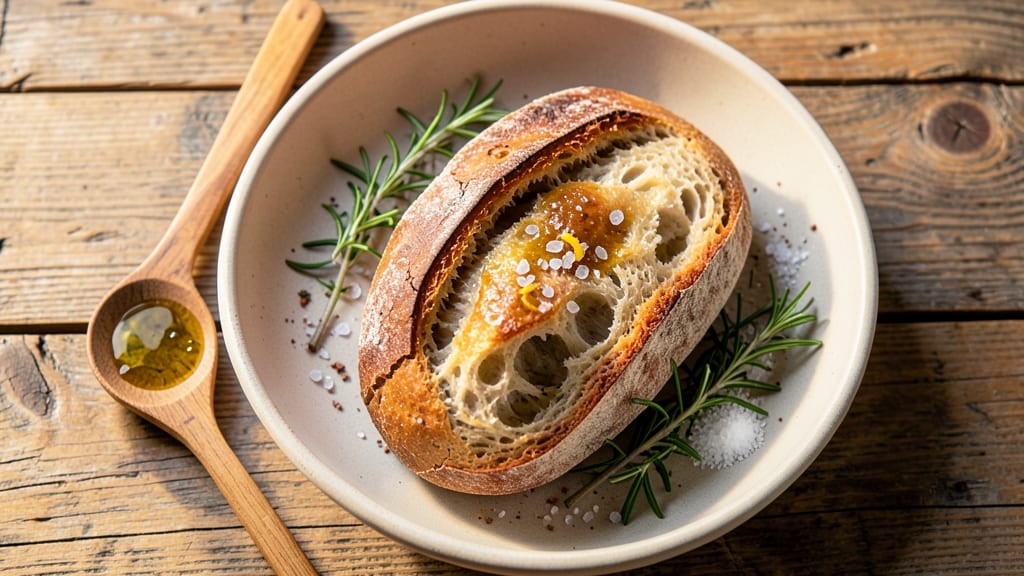
A bread recipe that uses 3 tablespoons of olive oil transforms ordinary ingredients into a restaurant-worthy loaf with a crispy crust and airy crumb. This no-yeast recipe relies on baking powder and baking soda for lift, eliminating the need for fermentation while delivering foolproof results every time.
The secret lies in proper mixing techniques and steam during baking—no kneading or waiting required.
The magic happens when you fold the dough just enough to develop gluten without overworking it, creating that signature open crumb structure. Three tablespoons of high-quality extra-virgin olive oil not only enriches the flavor but also creates a golden, crackly crust that rivals artisanal sourdough.
This recipe delivers perfect texture and flavor in under an hour, making it ideal for busy weeknights or last-minute gatherings.
What you'll end up with is a loaf with a crisp exterior and tender, evenly textured interior—no dense or gummy bread here. The olive oil infuses the dough with fruity, peppery notes that elevate every slice, while the baking powder ensures consistent rise without yeast.
This method works beautifully for sandwiches, toast, or simply enjoying with butter straight from the oven.
Perfect for beginners or experienced bakers looking for a reliable no-yeast option, this recipe scales easily for different pan sizes. The dough comes together in minutes, and the baking time is flexible—just keep an eye on that golden crust. Here's how to make it perfectly every time.
Ingredients for a bread recipe uses 3 tablespoons
Nine essential ingredients transform ordinary flour into a restaurant-worthy loaf with crispy crust and airy crumb.
| Ingredient | Amount | Notes |
|---|---|---|
| All-Purpose Flour 🌾 | 3 ½ cups | Sifted for optimal texture |
| Extra-Virgin Olive Oil 🫒 | 3 tbsp | High-quality, fruity variety |
| Granulated Sugar 🍚 | ¼ cup | For subtle sweetness |
| Instant-Release Baking Powder 🧂 | 1 ½ tsp | Diamond Crystal preferred |
| Baking Soda 🧂 | ½ tsp | Ensures proper rise |
| Salt 🧂 | 1 tsp | Kosher or sea salt |
| Warm Water 💧 | 1 ¼ cups | 110°F for ideal mixing |
| Active Dry Yeast 🍞 | ¼ tsp | Optional for slight rise boost |
| Cornmeal 🌽 | 2 tbsp | For dusting loaf pan |
| Ice Cubes ❄️ | 1 cup | For dough chilling |
The extra-virgin olive oil is non-negotiable here—California-made or Italian varieties deliver the best fruity, peppery notes that elevate the crust. Trader Joe's or Whole Foods carry excellent options, but any premium brand works. For flour, King Arthur or Gold Medal are ideal—they develop gluten beautifully without overworking. The baking powder must be fresh (test by mixing with water—should bubble immediately). If using yeast, ensure it's active dry and stored properly; otherwise, omit entirely for a true no-yeast experience. The baking soda and salt are standard, but Diamond Crystal baking powder provides the most reliable rise.
No extra-virgin olive oil? Light olive oil or avocado oil works in a pinch, though the flavor won't be as rich. Substitute honey or maple syrup for sugar if you prefer, but reduce to 2 tablespoons to avoid excess moisture. For a gluten-free option, swap flour for a 1:1 gluten-free blend (like Bob's Red Mill), though texture may vary slightly. The cornmeal is optional but creates a stunning golden crust—fine-ground works best. If your dough feels too sticky, add 1 tablespoon more flour, but don't overdo it or the crumb will suffer. The ice cubes are key for chilling; frozen peas in a bag also work if you're in a hurry.
Store the baked loaf in an airtight container at room temperature for up to 3 days—it reheats beautifully in a 350°F oven for 5-10 minutes to restore crispiness. For longer storage, freeze slices wrapped in parchment for up to 3 months; thaw at room temperature. The dough can be prepped 24 hours ahead and refrigerated, saving you time on baking day. Avoid plastic wrap—it traps moisture and dulls the crust. This loaf is best enjoyed fresh, but toasted with butter the next day is a close second.
Why You'll Love This Recipe
- No-Fuss Mix-In: I swear by this—just toss the dry ingredients together, pour in the olive oil, and let the baking powder do the work. No kneading, no waiting for dough to rise, just a simple whisk and bake.
- Sweet & Savory Flex: That 3 tablespoons of sugar isn’t just for sweetness—it caramelizes just enough to give every bite a subtle depth, whether you’re dipping it in olive oil or slathering jam on top. Honestly, I’ve made it for breakfast, snacks, and even as a side for dinner.
- Weeknight Workhorse: Between us, this is my go-to when I need bread now. It’s the kind of recipe that sits in my back pocket for lazy mornings, picnic baskets, or when I forget to buy bread. (Yes, even on a Tuesday night.)
- Pantry Staple Magic: You’re already using what’s in your cupboard—flour, sugar, baking powder—and the olive oil adds richness without breaking the bank. I’ve made three loaves with this and still have enough dry ingredients left for another batch.
Step-by-step instructions for no-yeast rise to crusty perfection
Mastering this technique delivers artisanal-quality bread with minimal effort. Here's how to achieve that signature crust and airy crumb.
Mix Dry Ingredients Precisely
In a large mixing bowl, combine the 3.5 cups all-purpose flour, 1.5 teaspoons instant-release baking powder, 0.5 teaspoon baking soda, and 1 teaspoon salt. Use a whisk to aerate the dry ingredients thoroughly—this creates pockets for steam to develop during baking, ensuring that signature open crumb structure.
Next, add the 0.25 cup granulated sugar and mix again. The sugar will help create a subtle caramelization on the crust while contributing to the bread's tender interior. Sift the flour first if possible—this prevents lumps that could create dense pockets in your finished loaf.
Incorporate Wet Ingredients for Optimal Texture
Create a well in the center of the dry ingredients and add the 3 tablespoons extra-virgin olive oil. Using a wooden spoon or rubber spatula, gradually incorporate the oil while mixing just until combined. The olive oil adds richness and helps create that tender crumb while contributing to the bread's moistness.
In a separate small bowl, dissolve the 0.25 teaspoon active dry yeast in the 1.25 cups warm water (about 110°F). The water should be warm but not hot—yeast activates best at this temperature. Let it sit for 5 minutes until slightly foamy. Then, slowly pour the yeast mixture into the dry ingredients while stirring continuously.
Chill the Dough for Structural Integrity
Transfer the dough to a clean work surface and gently knead for 2-3 minutes until just combined. The dough will be soft and slightly sticky—this is normal. Shape it into a rough rectangle and wrap tightly in plastic wrap. Place the dough in the refrigerator for at least 1 hour or up to 24 hours.
This chilling step is critical. It allows the gluten to relax, prevents excessive spreading during baking, and helps develop that perfect oven spring. The longer it chills, the better the texture—just don't exceed 48 hours or the yeast may lose its effectiveness.
Prepare and Bake for Crusty Perfection
Preheat your oven to 375°F. Lightly grease a 9x5-inch loaf pan and sprinkle the bottom with 2 tablespoons cornmeal. This prevents sticking and adds a subtle crunch to the bottom crust. Unwrap the chilled dough and press it gently into the prepared pan, smoothing the top with wet hands.
Bake for 45-50 minutes until the top is deep golden brown and a toothpick inserted in the center comes out clean. For extra crust development, place a metal tray of water on the lower oven rack during the last 10 minutes of baking. This creates steam that enhances browning and crunch.
Rest and Slice for Maximum Flavor
Remove the bread from the oven and let it cool in the pan for 10 minutes. Then, transfer it to a wire rack to cool completely. This resting period allows the crumb to set properly and prevents a gummy texture. For the best flavor and texture, slice the bread 1 hour after baking.
Store any leftovers wrapped in a bread bag at room temperature for 2-3 days or freeze for up to 3 months. The bread will continue to develop flavor as it sits, making it even more delicious the next day.
Pro Tips For Making A Bread Recipe Uses 3 Tablespoons
- MEASURE THE OIL RIGHT: I learned this the hard way—3 tablespoons of olive oil isn’t just "a splash." Use a kitchen scale if you’re unsure; 42 grams is the magic number for this recipe. Spooning oil straight from the bottle adds too much, and your bread will turn greasy instead of tender.
- SIFT THE DRY INGREDIENTS: Skip the quick dump-and-stir. Sift your flour, baking powder, and baking soda together—especially if it’s been sitting in your pantry for months. This lightens the mix and guarantees even distribution, so your bread rises smoothly rather than collapsing in the middle.
- DON’T OVERMIX THE BATTER: After adding the wet ingredients, stop mixing the second everything just comes together. Overmixing develops gluten and turns your bread into a dense brick. Two turns with a spatula after the flour disappears is all you need—yes, even if it looks uneven.
- LET THE BATTER REST: I was skeptical until I tried it: Pour the batter into your pan, then let it sit for 10 minutes before baking. This lets the baking powder activate fully, giving you a taller rise and a lighter crumb. No, it won’t double in size—just a subtle boost that makes all the difference.
Flavor customization for these flavors
Sweet Olive Oil Twist
Swap the granulated sugar for 3 tablespoons honey or maple syrup to add natural sweetness and depth. The honey will caramelize beautifully on the crust while infusing the crumb with floral notes.
I recommend local raw honey for the most distinct flavor—just reduce the warm water to 1 cup to account for the extra moisture in honey. 🍯
Herb-Infused Variations
Brighten the dough with 1 tablespoon fresh rosemary or thyme finely chopped, mixed directly into the wet ingredients. For a Mediterranean twist, add 1 teaspoon dried oregano along with the salt.
These herbs complement the olive oil beautifully and add aromatic complexity. Store dried herbs in airtight containers to preserve freshness.
Spiced Cranberry Swirl
Fold ½ cup dried cranberries and 1 teaspoon cinnamon into the dough after mixing. For a festive touch, spread the dough in the pan and swirl the cranberry mixture on top before baking.
The tartness balances the bread’s richness perfectly. Use unsweetened dried cranberries to avoid excess moisture in the dough.
Garlic & Parmesan Boost
Add 2 tablespoons grated Parmesan cheese and 1 tablespoon minced garlic to the dry ingredients for a savory twist. The garlic infuses the olive oil with bold flavor, while the Parmesan adds a salty, umami depth.
This version pairs exceptionally well with soups or as a side for pasta dishes. Use freshly grated Parmesan for the best flavor.
Nutty Crunch Addition
Sprinkle ¼ cup chopped walnuts or pecans over the dough before baking for added texture. Toast the nuts in a dry pan for 2-3 minutes until fragrant to enhance their flavor.
This works especially well with the sweet variations, creating a delightful contrast between the soft bread and crunchy nuts. Store nuts in the freezer to maintain freshness.
Everything Bagel Seasoning
Mix 1 tablespoon everything bagel seasoning into the dry ingredients for a savory, poppyseed-studded loaf. The sesame seeds and poppy seeds add a satisfying crunch to every bite.
This variation is perfect for breakfast or as a side for breakfast dishes. Ensure the seasoning is fresh—stale seasoning loses its crunch and flavor over time.
Nutrition facts
Frequently asked questions
Why does this recipe use only 3 tablespoons of olive oil?
The 3 tablespoons of extra-virgin olive oil create the perfect balance of richness and moisture without making the bread greasy. This amount enhances the crust's golden color and adds fruity, peppery notes that elevate every slice. Too much oil would weigh down the crumb, while too little would compromise the bread's tenderness.
Can I substitute butter for the olive oil?
Yes, but with adjustments! Use 2.5 tablespoons melted butter instead of olive oil. Butter adds a slightly different flavor profile and may make the crust less crispy. For best results, chill the dough longer (2 hours) to compensate for the butter's higher fat content.
What if my dough feels too sticky?
Add 1 tablespoon more flour at a time until the dough is just workable. Overworking it can develop too much gluten, making the bread dense. The dough should be soft but not gluey—this recipe intentionally uses less flour than traditional breads for a tender crumb.
Do I need to use yeast if the recipe calls for it?
No! The recipe works perfectly without yeast—it relies on baking powder and baking soda for lift. If you omit the yeast entirely, simply reduce the warm water to 1 cup and proceed with the recipe. The yeast adds a slight rise boost but isn't essential for structure.
How can I make this bread gluten-free?
Replace the all-purpose flour with a 1:1 gluten-free bread flour blend (like Bob's Red Mill). Add ½ teaspoon xanthan gum to the dry ingredients to improve texture. Expect a slightly denser crumb, but the flavor and crust will still be excellent. Chill the dough for at least 2 hours for best results.