
Side Dishes
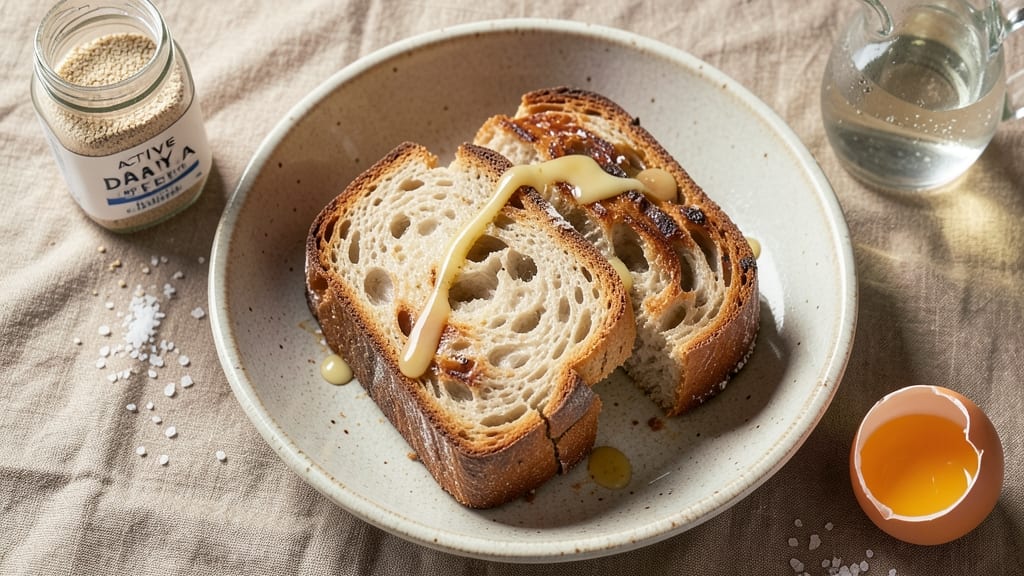
Adam Ragusea's bread recipe brings the heart of Malta to your kitchen with its signature swirl of warm spices and golden crust. This traditional Maltese bread delivers a perfect balance of tender crumb and crispy exterior, all in a single bake that's both comforting and impressive.
The secret lies in the careful layering of spiced dough and the patience of slow baking, creating a loaf that's as beautiful as it is delicious.
What makes this recipe special is its cultural authenticity, rooted in Maltese tradition where bread isn't just food but a centerpiece of daily life.
The dough incorporates cinnamon and orange zest for that signature warm spice swirl, while the crust develops a satisfying crunch that gives way to a soft, pillowy interior. Unlike many bread recipes, this one requires no special equipment—just time and attention to detail for restaurant-quality results at home.
The baking process transforms simple ingredients into something extraordinary, with each slice revealing those signature spice swirls and a crust that's perfectly crisp yet tender enough to tear by hand.
This bread pairs beautifully with soups, stews, or simply enjoyed warm with butter and honey. The aroma alone will have your kitchen feeling like a Maltese bakery.
Perfect for special occasions or everyday enjoyment, this recipe delivers a bread that's both traditional and adaptable. Whether you're serving it at a family gathering or simply treating yourself to homemade bread, the results will be worth every minute of the process. Let's get started on creating this Maltese masterpiece.
Ingredients for adam ragusea bread
Traditional Maltese flavors meet simple pantry staples for this iconic bread recipe.
| Ingredient | Amount | Notes |
|---|---|---|
| All-Purpose Flour 🌾 | 5 cups | Sifted for best texture |
| Active Dry Yeast 🍞 | 2 ¼ tsp | One packet for convenience |
| Granulated Sugar 🍚 | ¼ cup | For yeast activation |
| Warm Water 💧 | 1 ¼ cups | 110°F for yeast activation |
| Unsalted Butter 🧈 | ½ cup | Cold, cubed for dough |
| Large Eggs 🥚 | 1 whole | Room temperature |
| Ground Cinnamon 🌿 | 2 tsp | Freshly ground preferred |
| Orange Zest 🍊 | 1 tbsp | From organic orange |
| Fine Sea Salt 🧂 | 1 ½ tsp | Diamond Crystal preferred |
| Coarse Sugar 🍚 | ¼ cup | For topping crust |
| Cornmeal 🌽 | ¼ cup | For dusting baking sheet |
| Milk 🥛 | 1 tbsp | For brushing crust |
The flour is the foundation—King Arthur or Caputo bread flour if you want to splurge for that authentic Maltese texture. Whole Foods or local bakeries often carry Caputo, but any high-protein all-purpose flour works in a pinch. Fresh yeast is non-negotiable here—check the expiration date and make sure it's active before proceeding. The butter should be cold when mixed in; pull it straight from the fridge and cut it into small cubes. For the orange zest, organic is best—conventional oranges often have wax that can interfere with flavor. If you can't find organic, wash thoroughly and dry well before zesting.
No cinnamon? Pumpkin pie spice at half the amount works surprisingly well. Short on orange zest? Lemon zest at double the quantity gives a similar citrus punch. The butter can be substituted with vegetable shortening if you're avoiding dairy, though the flavor won't be quite as rich. For the sugar, brown sugar works if you're out of granulated, but it might make the crust slightly darker. The milk brushing is optional but worth the extra minute—it creates that signature golden crust. If you're gluten-sensitive, substitute with a 1:1 gluten-free flour blend but expect a denser texture.
This dough needs time to rise—plan for at least 2 hours before baking, with an optional overnight cold proof in the fridge for deeper flavor. Store any leftovers in an airtight container at room temperature for 2 days or freeze for up to 3 months. For reheating, wrap slices in foil and warm in a 350°F oven for 5 minutes to restore that bakery-fresh crunch. The crust freezes beautifully too—slice before freezing for easy grab-and-bake portions. This bread reheats best when wrapped in a damp towel for 5 minutes at 300°F to keep the crumb tender.
Why You'll Love This Recipe
- No-Knead Magic: I swear, this dough comes together with just a bowl and a spoon—no stand mixer, no arm workout. The yeast and warm water do all the heavy lifting while I sip my coffee.
- Buttery Crust Dream: That crispy, golden-brown crust? Pure reward for letting the butter melt into the dough. It’s the kind of bread that makes you pause mid-bite, like, "Wait, is this really homemade?"
- Weeknight Hero: Freeze half the batch and pull it out on lazy mornings—no defrosting needed. Toss it in the toaster or oven, and breakfast is solved. (Yes, even on a Tuesday.)
- Pantry Staple Power: Five ingredients, zero specialty items. If you’ve got flour and butter, you’ve got this. And since it keeps well, I’m always stocked—no last-minute store runs when hunger strikes.
Step-by-step instructions for Adam Ragusea's bread recipe
This method delivers a perfectly balanced loaf with a crispy crown and aromatic swirls throughout.
Activate the Yeast and Prepare the Dough
In a large mixing bowl, combine the 1.25 cups warm water (tested at 110°F with a thermometer), 2.25 tsp active dry yeast, and 0.25 cup granulated sugar. Let this sit for 5-10 minutes until the mixture becomes frothy and bubbles form on the surface. This indicates the yeast is active and ready to work.
Once activated, add the 5 cups all-purpose flour, 1.5 tsp fine sea salt, 2 tsp ground cinnamon, and 1 tbsp orange zest to the bowl. Mix these dry ingredients together briefly to distribute the spices evenly. Create a well in the center and add the 1 whole large egg and 0.5 cup cold unsalted butter (cut into small cubes).
Knead the Dough Until Smooth
Using a wooden spoon or your hands, gradually incorporate the wet ingredients into the dry mixture until a shaggy dough forms. Once combined, turn the dough onto a lightly floured surface and knead for 8-10 minutes until smooth and elastic. The dough should spring back slowly when poked and feel slightly tacky but not sticky.
Here's the thing—this dough is slightly richer than standard bread dough due to the butter and egg, so it requires extra kneading to develop the gluten properly. If the dough feels too sticky, add 1-2 tablespoons of flour at a time until it comes together cleanly. Shape the dough into a round loaf and place it back in the mixing bowl.
First Rise and Prepare the Swirl Dough
Lightly coat the bowl with 1 tbsp milk and cover with a damp kitchen towel or plastic wrap. Allow the dough to rise in a warm place for 1-1.5 hours or until it has nearly doubled in size. The dough should feel light and airy when pressed gently with one finger.
While the dough rises, prepare the swirl mixture by combining 0.25 cup coarse sugar, 1 tbsp orange zest, and 1 tsp ground cinnamon in a small bowl. This sweet, citrusy blend will create beautiful swirls throughout the loaf. Once the dough has risen, punch it down to release air and divide it into two equal portions.
Shape and Swirl the Dough
Roll one portion of the dough into a 12-inch rectangle on a lightly floured surface. Spread the swirl mixture evenly over the surface, leaving a ½-inch border around the edges. Roll up the dough tightly from the long side to form a log. Repeat with the remaining dough and swirl mixture.
Place the two logs side by side in a 9x5-inch loaf pan (or a similar-sized pan). The logs should fit snugly with a slight overlap. Cover the pan with a damp towel and let the dough rise for another 30-45 minutes until it has risen about 1 inch above the rim of the pan. This second rise ensures a light, airy texture.
Bake to Golden Perfection
Preheat your oven to 375°F. Once the dough has risen, brush the top generously with 1 tbsp milk and sprinkle 2 tbsp coarse sugar evenly over the surface. This creates a beautiful caramelized crust. Bake for 35-40 minutes until the bread is deep golden brown and sounds hollow when tapped on the bottom.
For the ultimate test, insert an instant-read thermometer into the center—the internal temperature should reach 190-195°F. If the top browns too quickly, tent the loaf with aluminum foil after 20 minutes to prevent over-browning while allowing the interior to finish baking. Let the bread cool in the pan for 10 minutes before transferring to a wire rack to cool completely.
Pro Tips For Making Adam Ragusea Bread
- TEST YEAST FIRST: Skip the guesswork—mix 1 teaspoon yeast with ¼ cup warm water and 1 teaspoon sugar. If it doesn’t bubble within 10 minutes, your yeast is dead or your water’s too hot. I learned this the hard way after baking a dense, flavorless loaf because my "fresh" yeast was actually expired.
- WEIGH YOUR FLOUR: Scooping flour from the bag packs in air and changes ratios. Use a kitchen scale for precise measurements—this bread relies on structure, and even a 10-gram difference affects rise and texture. (Yes, even if you’re impatient like me.)
- KNEAD UNTIL SILKY: Stop when the dough springs back slowly when poked and looks smooth, not sticky. Over-kneading toughens the gluten, and under-kneading makes it gummy. My grandmother swore by the "windowpane test"—stretch a piece thin enough to see light through it.
- COOL BEFORE SLICING: Cutting warm bread turns it gummy. Let it rest 10–15 minutes before slicing—this lets the gluten relax and the crumb firm up. I used to rush this and ended up with a sad, gluey mess every time. (Your future self will thank you.)
Essential equipment for perfect results
Must-Have Tools
You don't need a fancy bread-making kit for this recipe—just a few essentials. A 9x5-inch loaf pan (like Wilton's nonstick version) is critical for that classic shape. I also recommend a digital kitchen scale for precise measurements, especially when weighing flour and butter.
A stand mixer with a dough hook attachment (like KitchenAid's Artisan Series) saves time and effort during kneading, but a wooden spoon and strong arms work too. 🌾
Precision Thermometer
A thermometer is your best friend for two key moments: testing the 110°F water to activate yeast and checking the 190-195°F internal temperature when baking. I use a Thermoworks Thermapen—it's fast and accurate.
If you're without one, use the finger test for dough readiness: press your finger into the dough—if it springs back slowly, it's ready.
Dough Scraper
A dough scraper (like OXO Good Grips) makes handling this sticky dough a breeze. It helps prevent sticking when shaping and dividing the dough. I keep one handy for cutting through the dough cleanly and transferring it to the pan.
Pro tip: Use it to scrape any excess dough off the counter—it's less wasteful than flouring too much. ✨
Pastry Brush
A pastry brush (I love Westcott's silicone brush) is perfect for brushing the dough with milk before baking. This step creates that signature golden crust. The brush's bristles hold more liquid than a regular paintbrush, so you get an even coat without drips.
A clean, dry brush is key—any moisture can make the sugar clump.
Optional Upgrades
For the ultimate experience, consider a proofing box (like Breville's Smart Oven Air Fryer) to maintain consistent warmth during rising. If you're baking frequently, a baking stone (like Lodge's 12-inch stone) helps create a crispier crust.
For shaping, a rolling pin (I prefer French-style marble) makes the dough easier to handle, though a clean wine bottle works in a pinch. 💡
Nutrition facts
Frequently asked questions about Adam Ragusea bread
Why does this bread have a swirl pattern?
The signature swirl comes from layering spiced dough with sweet orange-cinnamon filling. This Maltese tradition creates beautiful visual patterns while infusing every bite with warm spices. The technique ensures those flavorful swirls appear throughout each slice!
Can I make this bread without a loaf pan?
Yes! Shape the dough into a round boule or batard instead of using a pan. Brush with milk and sprinkle sugar before baking at 375°F for 30-35 minutes. The crust will be even crispier, though the shape will differ from traditional Adam Ragusea bread.
What's the secret to that perfect crust?
The golden crust comes from three key steps: brushing with milk before baking, sprinkling coarse sugar, and baking until internal temp reaches 190-195°F. The milk creates caramelization while the sugar adds that signature crispy texture. Don't skip the cooling time—it lets the crust set properly!
How long does this bread last?
Fresh bread stays best at room temperature in an airtight container for 2-3 days. For longer storage, freeze the whole loaf (up to 3 months) or individual slices. Reheat wrapped in foil at 300°F for 5 minutes to restore freshness and crunch.
Can I add nuts or chocolate chips?
While traditional recipes don't include them, you can absolutely add ½ cup chopped walnuts or dark chocolate chunks to the swirl mixture! Fold them into the cinnamon-sugar blend before rolling up the dough. Just reduce the sugar slightly to balance the sweetness from chocolate.