
Side Dishes
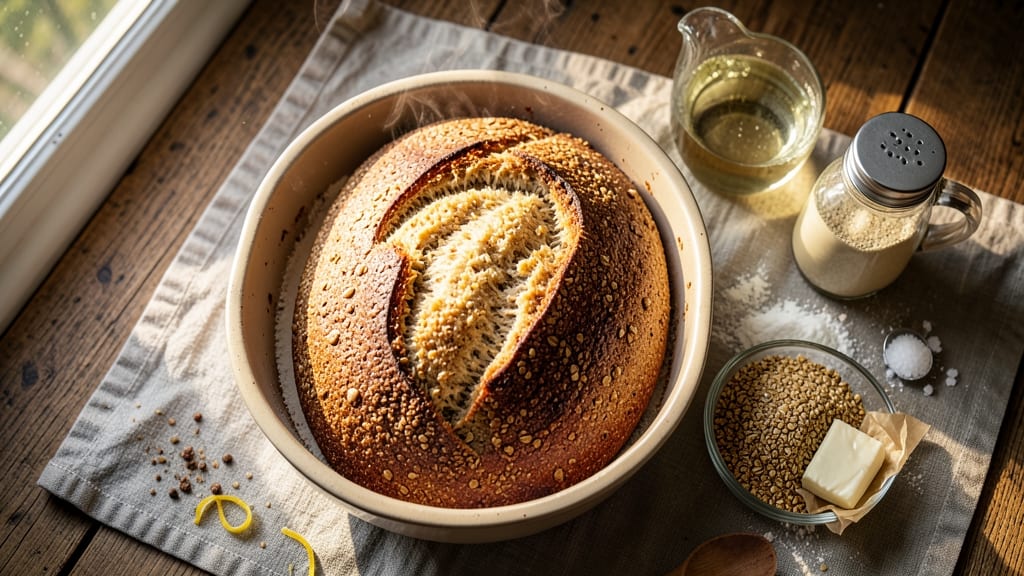
Adding wheat bran to bread transforms a simple loaf into a nutrient powerhouse with extra fiber and hearty texture. This recipe balances bran's moisture-absorbing nature with precise hydration for a loaf that's both wholesome and easy to handle. The result? A bread with a satisfying chew, golden crust, and all the fiber benefits you're seeking.
Wheat bran adds a subtle nutty flavor and dense crumb structure that stays fresh longer than traditional bread. The key adjustment is increasing liquid slightly—bran absorbs more moisture during mixing. This recipe maintains a familiar bread-making process while incorporating bran's health benefits without compromising texture or taste.
Perfect for toast, sandwiches, or as a side, this bread delivers restaurant-quality results at home. The bran's natural fiber content makes it more filling, while the added nutrients elevate everyday meals. With just a few simple modifications to standard dough, you'll achieve a loaf that's both nutritious and delicious.
Whether you're looking to boost fiber intake or simply experiment with whole grains, this recipe delivers consistent results. The bran's moisture absorption is accounted for, ensuring a dough that's easy to work with and bakes up beautifully. Let's get started on your first nutrient-packed loaf.
Ingredients for add wheat bran to bread
Nine essential ingredients for a nutrient-dense loaf with satisfying texture and golden crust.
| Ingredient | Amount | Notes |
|---|---|---|
| Wheat Bran 🌾 | 1 cup | Lightly toasted for enhanced flavor |
| All-Purpose Flour 🌾 | 3 cups | Plus 2 tbsp for dusting |
| Active Dry Yeast 🍞 | 2 ¼ tsp | One packet for convenience |
| Granulated Sugar 🍚 | 1 tbsp | Feeds yeast for fermentation |
| Unsalted Butter 🧈 | ½ cup | Softened to room temperature |
| Warm Water 💧 | 1 ¼ cups | 110°F for optimal yeast activation |
| Salt 🧂 | 1 ½ tsp | Diamond Crystal preferred |
| Honey 🍯 | 1 tbsp | Adds subtle sweetness and moisture |
| Large Egg 🥚 | 1 whole | For structure and richness |
| Milk 🥛 | ¼ cup | Adds tenderness to crumb |
| Cornmeal 🌽 | ¼ cup | For dusting bread pan |
Wheat bran is the star here, but quality matters. Bob's Red Mill or King Arthur brands deliver consistent texture and nutrition. Lightly toast it in a dry pan for 3-4 minutes to enhance its nutty flavor—this makes a noticeable difference. The extra liquid (1.25 cups water) accounts for bran's moisture absorption, so don't skip it. For the yeast, Saf-Instant works even if you skip the proofing step, but traditional active dry yeast needs the full 10 minutes in warm water with sugar. Store your bran in the freezer for maximum freshness—it keeps for up to 6 months this way.
No wheat bran? Oat bran at 1:1 ratio works in a pinch, though texture will differ slightly. Short on honey? Maple syrup at equal measure provides similar moisture without altering flavor. The milk can be swapped for unsweetened almond milk if needed, though whole milk gives the best crumb. For a richer loaf, add an extra 2 tbsp of butter—just reduce water by 1 tbsp to balance hydration. The egg is crucial for structure, but if you're avoiding it, 1 tbsp ground flaxseed mixed with 3 tbsp water works as a binder (let it sit for 5 minutes first).
This dough is best used within 24 hours for peak freshness, though it keeps 3 days wrapped tightly at room temperature. For longer storage, freeze the shaped loaf (unbaked) for up to 3 months4 hours of shaping. Slice with a serrated knife for clean cuts, and store wrapped in a bread bag or foil to maintain moisture. The crust stays crisp for 2 days if kept sealed.
Why You'll Love This Recipe
- No-Fuss Mix-In: I swear by the wheat bran—it’s the secret to a bread that’s actually hearty without extra fuss. Just toss it in with the flour, knead for 5 minutes, and let the yeast do the work. My lazy Sundays just got better.
- Nutty, Toasty Crunch: That wheat bran gives your bread this unexpected texture—crunchy on the outside, soft inside, with a subtle grainy bite. Honestly, it’s the best of both worlds: sandwich bread that doesn’t taste like cardboard.
- Meal-Prep MVP: This bread stays fresh for days (yes, even with bran), so I bake a loaf on Sundays and use it for toast, sandwiches, or French toast all week. No sad, stale bread here—just reliable, versatile slices.
- Budget Boost: Wheat bran cuts the cost of flour without sacrificing taste, and a little butter makes it feel indulgent. I’ll be real: it’s my go-to when I’m pinching pennies but still want bread that feels special.
Step-by-step instructions for nutrient-packed wheat bran bread
Here's how to transform simple ingredients into a wholesome loaf with perfect texture and fiber-rich goodness.
Activate the Yeast and Prepare the Wet Ingredients
In a small bowl, combine the 1 cup wheat bran with the 1.25 cups warm water (about 110°F) and let it sit for 5 minutes. This pre-soaking prevents the bran from absorbing all the moisture later, which could make your bread dense. While that soaks, dissolve the 2.25 teaspoons active dry yeast in the remaining 2 tablespoons warm water—it should foam slightly within 5 minutes if the yeast is fresh. If it doesn't bubble, your yeast is inactive.
In a separate bowl, whisk together the 0.5 cup softened unsalted butter, 1 tablespoon granulated sugar, 1 tablespoon honey, and 1 whole large egg until smooth. The butter should be soft enough to press with your finger but not greasy. This mixture forms the bread's tender base, so take your time to emulsify it properly. The honey adds subtle sweetness while keeping the crumb moist.
Combine Dry Ingredients and Incorporate the Wet Mixtures
In a large mixing bowl, sift together the 3 cups all-purpose flour and 1.5 teaspoons salt. Create a well in the center and pour in the yeast mixture, butter-egg mixture, and the soaked wheat bran mixture. Using a wooden spoon or dough whisk, gently fold everything together until just combined—you should still see flour streaks. Overmixing develops gluten too early, which can make the bread tough.
Once the ingredients come together, switch to your hands and knead the dough on a lightly floured surface for about 8-10 minutes. You're looking for a smooth, elastic dough that springs back slightly when poked. The wheat bran will make the dough stickier than usual, so wet your hands occasionally to prevent tearing. If the dough feels too dry, add 1 teaspoon warm water at a time until it reaches the right consistency.
First Rise and Shape the Dough
Lightly grease a large bowl with a bit of olive oil, place the dough inside, and cover it with a damp kitchen towel or plastic wrap. Let it rise in a warm spot (like near the oven with the light on) for 1-1.5 hours, or until it has roughly doubled in size. The wheat bran speeds up fermentation slightly, so don't let it rise too long or the bread will collapse. You'll know it's ready when the dough feels springy and leaves a slight indentation when pressed gently with your finger.
Once risen, punch down the dough to release air bubbles and divide it into two equal pieces. Shape each piece into a smooth oval loaf, tucking the ends under as you go. Place the shaped loaves on a baking sheet lined with parchment paper, brush the tops lightly with milk, and sprinkle with 2 tablespoons all-purpose flour to prevent sticking. Cover loosely with the towel and let them rise again for 30-45 minutes while you preheat your oven to 375°F.
Bake to Golden Perfection
Before baking, dust the tops of the loaves generously with 2 tablespoons cornmeal—this creates a beautiful, crispy crust. Bake for 30-35 minutes until the bread reaches an internal temperature of 190-200°F and the crust is deep golden brown. Tap the bottom of the loaves—if they sound hollow, they're done. The wheat bran will give the bread a slightly denser texture but still light crumb, so don't overbake or it will dry out.
Remove the bread from the oven and transfer it to a wire rack to cool completely. The first 20 minutes are the hardest to wait through, but letting the bread cool prevents a gummy interior. Once cooled, slice with a serrated knife for clean cuts. Each slice should have a tender crumb with visible bran flecks and a crisp exterior. Store wrapped at room temperature for up to 3 days, or freeze for longer storage.
Pro Tips For Making Add Wheat Bran To Bread
- Mix Bran Last: Wheat bran soaks up moisture like a sponge—add it to the dry ingredients after mixing flour, yeast, and sugar. Stir it in just until combined, or your dough will turn into a dense, gummy mess. (Yes, even if the recipe doesn’t say this.)
- Use Cold Butter: Cut that unsalted butter into tiny cubes and toss it in the freezer for 10 minutes before mixing. Cold butter creates flaky layers, and wheat bran bread already risks turning dense—don’t make it worse by using softened butter that melts into a gluey dough.
- Don’t Over-Knead: Wheat bran weakens gluten, so knead just until the dough comes together—about 5-6 minutes by hand. Overwork it, and you’ll end up with a brick instead of a light, airy loaf. (I learned this after making a loaf so tough I needed a hammer.)
- Add Warm Water Gradually: Wheat bran absorbs liquid fast, so start with ¾ of the water called for and let the dough rest 10 minutes before adding more. Dump in all the water upfront, and you’ll either need extra flour or end up with a sticky, unmanageable dough. (Your future self will thank you.)
Perfect pairings for these flavors
Toasted Bran Toppings
Enhance your bread’s nutty depth by toasting the wheat bran in a dry skillet over medium heat for 3-4 minutes until golden. Sprinkle 1-2 teaspoons over the finished loaf while still warm for extra crunch and flavor.
For a sweet twist, mix 1 tbsp honey with 1 tsp cinnamon and drizzle over the crust before baking. 🌾
Buttery Spread Pairings
This bran bread’s dense texture pairs perfectly with rich, creamy spreads.
Try whipped honey butter (mix ¼ cup softened butter with 2 tbsp honey and a pinch of salt) or garlic herb butter (combine ¼ cup butter with 1 minced garlic clove, 1 tsp chopped parsley, and ½ tsp lemon zest). The bran’s fiber balances the richness beautifully.
Savory Sandwich Fillings
Use this bread for hearty sandwiches where the bran adds substance. Try smoked turkey with avocado (layer 3 oz turkey, ¼ avocado, and sliced tomato) or grilled chicken with pesto (spread 1 tbsp pesto, add 3 oz chicken, and top with arugula).
The bran’s chewy texture holds up to wet fillings without falling apart.
Sweet Breakfast Ideas
Toast slices and top with almond butter and banana slices for a fiber-rich breakfast. For a decadent treat, spread with Nutella and sprinkle with crushed hazelnuts. The bran’s nutty flavor complements sweet toppings without overpowering them. Store extra slices in the freezer for quick grab-and-go breakfasts.
Crusty Side Dish
Serve warm slices alongside roasted vegetables (try brussels sprouts or carrots) or as a base for open-faced soups. The bran’s heartiness makes it ideal for soaking up broths—simmer 1 cup chicken broth with ½ cup shredded rotisserie chicken, then ladle over toasted bread.
The texture contrasts perfectly with creamy soups like tomato basil.
Storage-Friendly Serving
Slice the bread and freeze individual portions in airtight containers for up to 3 months. Reheat in a toaster oven at 350°F for 5-7 minutes or wrap in foil and warm in a 375°F oven for 10 minutes to restore crispiness.
The bran keeps the bread fresh longer than traditional loaves, making it perfect for meal prep. 💫
Nutrition facts
Frequently asked questions
Why does wheat bran make my bread denser?
Wheat bran absorbs more moisture than flour, which creates a heavier dough structure. The extra 1.25 cups water in this recipe accounts for this, but the bran still adds natural density. The result is a hearty, satisfying texture rather than a light, airy loaf—perfect for sandwiches or toast that holds up well.
Can I substitute wheat bran for half the flour?
Yes, but adjust hydration carefully. Replace ½ cup flour with ½ cup bran and add 1 extra tablespoon water per ½ cup bran used. The bran's moisture-absorbing properties require this balance to prevent dryness. For best results, stick to the full 1 cup bran in this recipe for optimal texture.
How do I prevent my bran bread from drying out?
Store it in an airtight container or bread bag at room temperature for 3 days maximum. For longer storage, freeze sliced bread in airtight containers for up to 3 months. The bran's natural oils can dry the bread faster than regular flour, so avoid refrigerating unless necessary. Toasting restores moisture when reheating.
What's the best way to toast wheat bran for flavor?
Lightly toast 1 cup bran in a dry skillet over medium heat for 3-4 minutes, stirring constantly, until golden and fragrant. This enhances its nutty flavor and prevents bitterness. Cool completely before adding to your dough. For extra depth, mix with ½ teaspoon cinnamon during toasting.
Can I make this bread without yeast?
Yes, but texture will differ. Replace yeast with 2 teaspoons baking powder and 1 teaspoon baking soda, reduce water by ¼ cup, and bake immediately at 375°F for 25-30 minutes. The result will be denser and less airy. For best flavor, stick with yeast for proper fermentation and crust development.