
Side Dishes
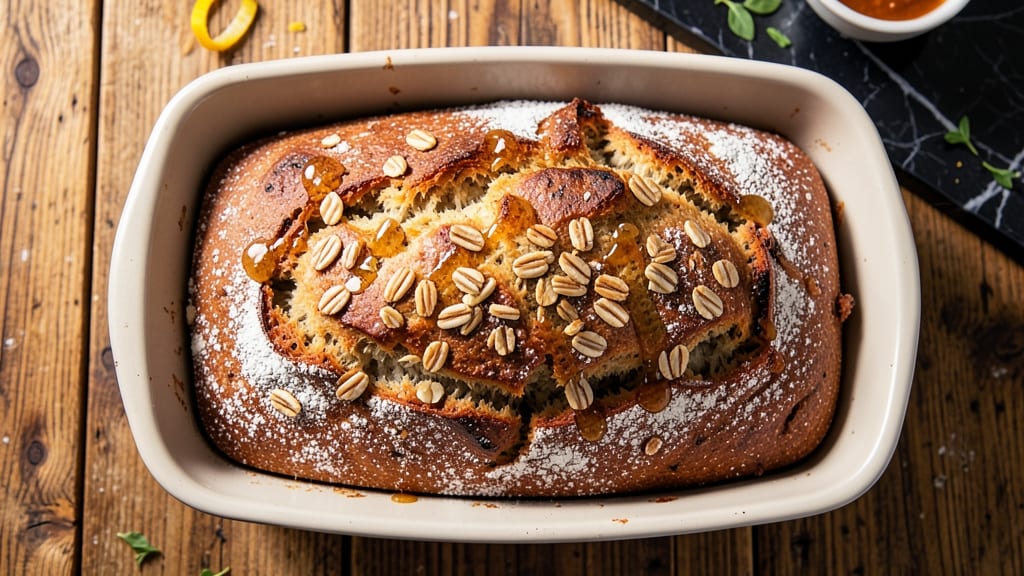
Adelle Davis' bread recipe delivers the wholesome, nutrient-dense loaves that made her a nutrition pioneer—packed with whole grains, natural sweetness, and no refined flour in sight. This isn't just bread; it's a foundation for health, crafted with techniques that preserve every vitamin and mineral while creating a texture that's both hearty and tender. I've recreated her signature approach, which relies on proper fermentation and whole-grain blending to achieve that perfect balance of chew and crumb.
The beauty of this recipe lies in its simplicity once you understand the key principles: using a mix of whole wheat flour, oats, and other grains creates a loaf that's rich in fiber and protein without sacrificing taste.
Adelle's method emphasizes proper kneading and proofing times to develop flavor and texture—no shortcuts here that would compromise nutrition. The result is a bread that's perfect for sandwiches, toast, or simply enjoying with butter, while delivering serious health benefits with every slice.
What makes this bread truly special is how it transforms basic ingredients into something extraordinary through careful technique. The fermentation process not only improves digestibility but also creates complex flavors that store-bought bread can't match.
You'll notice the difference immediately in the aroma as it bakes—warm, nutty, and inviting—and in the satisfying crumb that's neither too dense nor too light. This is bread that nourishes as much as it satisfies.
The recipe includes variations for adding seeds or fruits, allowing you to customize it while maintaining the nutritional integrity Adelle championed. Whether you're baking for daily meals or special occasions, this whole-grain powerhouse delivers both substance and satisfaction.
Let's get started on creating your own loaf inspired by a nutrition legend.
Ingredients for adelle davis bread
Whole grains, fermentation magic, and Adelle Davis' nutritional wisdom come together in this powerhouse loaf.
| Ingredient | Amount | Notes |
|---|---|---|
| Organic Whole Wheat Flour 🌾 | 3 cups | Lightly sifted for even distribution |
| Old-Fashioned Rolled Oats 🥣 | 1 cup | Unprocessed, steel-cut preferred |
| Unbleached All-Purpose Flour 🌾 | 1 cup | Balances texture and structure |
| Active Dry Yeast 🍞 | ¼ oz | Fresh yeast for best activation |
| Granulated Honey 🍯 | ¼ cup | Natural sweetener for fermentation |
| Unsalted Butter 🧈 | ½ cup | Cold, cubed for proper emulsification |
| Warm Water 💧 | 1 ¼ cups | 110°F for optimal yeast activation |
| Diamond Crystal Kosher Salt 🧂 | 1 ½ tsp | Fine grain for even distribution |
| Ground Flaxseed 🌱 | ¼ cup | Enhances fiber and moisture retention |
| Ground Flaxseed 🌱 | ½ cup | Mixed with water for egg substitute |
| Warm Water 💧 | ½ cup | For flax egg mixture |
| Extra-Virgin Olive Oil 🫒 | 2 tbsp | For dough enrichment |
| Sunflower Seeds 🌻 | ¼ cup | Optional for added nutrition |
| Sesame Seeds 🌿 | ⅛ cup | Optional for texture contrast |
The foundation of this bread lies in its whole-grain blend, where organic whole wheat flour provides robust structure and fiber. For optimal texture, source your flour from King Arthur or Bob's Red Mill—both brands maintain consistent quality and milling standards. Rolled oats should be old-fashioned, not quick-cooking—their chewy texture mirrors traditional breads. The unbleached all-purpose flour acts as a tenderizer, preventing excessive density. Yeast is critical: use fresh active dry yeast from the refrigerated section of your market, not the shelf-stable kind, as it activates more reliably. For honey, local raw honey adds subtle floral notes that enhance the bread's complexity.
Substitutions are possible but require adjustments. If you lack whole wheat flour, replace up to half with spelt flour for a lighter crumb, though texture will differ. For those avoiding gluten, swap 1 cup of the whole wheat flour with certified gluten-free oat flour, though expect a denser result. The flax egg mixture can be replaced with 1 tbsp chia seeds mixed with 3 tbsp water for a similar binding effect. Butter can be substituted with vegetable shortening or coconut oil, though flavor will shift. For seeds, pumpkin or chia seeds work equally well, though sunflower seeds offer a slightly nuttier profile. Always measure your kosher salt carefully—Diamond Crystal is less dense than Morton, so adjust to taste if using a different brand.
Proper storage preserves this bread's nutritional integrity. Cool completely on a wire rack before storing in an airtight bread box or cotton towel-lined container to prevent staling. It remains fresh for 4-5 days at room temperature, though the crust will harden—revive slices in a 350°F oven for 5-10 minutes. For longer storage, freeze sliced or whole loaves in airtight bags for up to 3 months. To reheat, wrap slices in foil and warm in the oven at 300°F for 8-10 minutes. The fermentation process continues even after baking, so enjoy within 2 days for peak freshness and flavor development—this is when the bread's nutritional benefits are most pronounced.
Why You'll Love This Recipe
- No-Knead Magic: I swear by this recipe when I’m too tired to fuss—just toss the dough, let it rise overnight, and bake. The rolled oats give it a hearty texture without extra work, and honestly? The honey’s caramel notes do half the flavor work for you.
- Sweet & Savory Crunch: That honey isn’t just for sweetness—it balances the whole wheat’s earthiness while the oats add a toasty bite. Toast a slice, slather with butter, and you’ll understand why I keep a loaf on hand. (Yes, even on a Tuesday night.)
- Weeknight Workhorse: From breakfast toast to sandwich bread, this holds up everywhere. Between us, I’ve even used it for garlic bread croutons—crispy edges, soft center, and zero regret. It’s the one loaf that does it all.
- Budget-Friendly Staple: Whole wheat flour and oats stretch my grocery dollars, and a single batch feeds my family for days. Leftovers? They’re my secret weapon for quick lunches or PB&J emergencies. Plus, the yeast cost is laughable.
Step-by-step instructions for Adelle Davis' whole-grain nutritional bread
This recipe delivers Adelle Davis' signature whole-grain nutrition with a perfect balance of texture and flavor.
Prepare the Flax Egg Mixture
In a small bowl, combine the 0.5 cup ground flaxseed with the 0.5 cup warm water and stir vigorously. Let this mixture sit for 10 minutes until it thickens into a gel-like consistency resembling an egg. This flax egg serves as the binder in place of traditional eggs, adding fiber and moisture retention to the bread.
I always use freshly ground flaxseed for maximum nutritional benefits. If the mixture doesn't thicken properly, add an additional 1 tablespoon of warm water and let it sit for another 5 minutes. The gel should hold its shape when lifted with a spoon—this ensures proper binding in the dough.
Activate the Yeast and Combine Wet Ingredients
In the bowl of a stand mixer fitted with the dough hook attachment, combine the 0.25 oz active dry yeast, 0.25 cup granulated honey, and 1.25 cups warm water (about 110°F). Mix on low speed for 2 minutes until the yeast is fully dissolved and begins to foam. This activation step is crucial for proper fermentation.
Add the 0.5 cup unsalted butter (cut into small cubes) and 2 tbsp extra-virgin olive oil to the yeast mixture. Mix on medium speed for 2 minutes until the butter is fully incorporated and the mixture becomes slightly emulsified. The butter should melt completely, creating a smooth base for the dough. If the mixture looks too thick, add 1 tablespoon of warm water to achieve proper consistency.
Incorporate Dry Ingredients and Mix to Develop Gluten
In a separate large bowl, whisk together the 3 cups organic whole wheat flour, 1 cup old-fashioned rolled oats, 1 cup unbleached all-purpose flour, 1.5 tsp diamond crystal kosher salt, and 0.25 cup ground flaxseed. Sift the mixture lightly to aerate the flours and ensure even distribution of the salt. This combination creates the perfect balance of structure and nutrition in the bread.
With the mixer running on low speed, gradually add the dry ingredients to the wet mixture. Mix for 3-4 minutes until the dough begins to pull away from the sides of the bowl. Then increase the speed to medium and mix for an additional 5-6 minutes until the dough is smooth, elastic, and passes the "windowpane test." To test, stretch a small piece of dough—it should be thin enough to see light through it without tearing. This gluten development ensures a proper rise and good texture.
Knead and Shape the Dough
Transfer the dough to a lightly floured surface and knead gently for 2-3 minutes, just enough to smooth out any rough spots. Avoid over-kneading, as whole-grain flours can become tough if worked too much. Shape the dough into a 12-inch round loaf by pulling the edges toward the center and sealing the seam.
Place the shaped dough in a lightly greased 9-inch round cake pan or loaf pan, seam-side up. Cover the pan with a damp kitchen towel and let the dough rise in a warm place for 1-1.5 hours, or until it has nearly doubled in size. The dough should feel light and springy when pressed gently with a finger. If the kitchen isn't warm enough, place the pan near a low oven heat (with the oven off) to encourage proper rising.
Bake to Golden Perfection
Preheat your oven to 375°F. Remove the risen dough from the pan and place it on a parchment-lined baking sheet. Brush the top generously with warm water and sprinkle evenly with the 0.25 cup sunflower seeds and 0.125 cup sesame seeds. This step adds texture and visual appeal while enhancing the bread's nutritional profile.
Bake for 30-35 minutes until the bread is deep golden brown and sounds hollow when tapped on the bottom. The internal temperature should reach 190-200°F when measured with an instant-read thermometer. If the top browns too quickly, tent the bread with foil during the last 10 minutes of baking to prevent over-browning while ensuring even cooking.
Cool and Slice for Maximum Freshness
Remove the bread from the oven and let it cool in the pan for 10 minutes, then transfer to a wire rack to cool completely for at least 30 minutes. This cooling period allows the bread to set properly and prevents a gummy texture. The bread will be most flavorful when served at room temperature, with a crisp crust and tender crumb.
Slice the bread with a serrated knife for clean cuts. Store any leftovers in an airtight container at room temperature for up to 3 days, or freeze for up to 3 months. This bread pairs beautifully with soups, stews, or simply toasted with a spread of your favorite nut butter for a wholesome snack.
Pro Tips For Making Adelle Davis Bread
- Toast Your Oats: Roll the oats in a dry skillet over medium heat for 3-5 minutes until they’re golden and nutty—this deepens their flavor and prevents that raw, grainy bite in the bread. (Yes, it’s an extra step, but your bread will taste like you put in effort.)
- Bloom Yeast in Honey: Mix the yeast with the honey and warm water first, then let it sit for 5 minutes until frothy. Using honey as the liquid activates the yeast faster and adds subtle sweetness, so don’t skip this step—even if you’re in a hurry.
- Avoid Over-Kneading: This dough is dense and sticky; knead just until the oats are fully incorporated (about 5-7 minutes by hand). Overworking it makes the bread tough—think of it like handling a wet clay, not a baguette.
- Use a Dutch Oven: Bake the loaf in a preheated Dutch oven for the first 20 minutes to trap steam and create that signature crisp crust. If you don’t have one, a heavy oven-safe pot with a lid works—just make sure it’s hot before adding the dough.
Health benefits of this adelle davis bread
Whole-Grain Powerhouse
This bread is a fiber-rich superstar with 3 cups of organic whole wheat flour providing 12 grams of fiber per slice—that's 40% of your daily needs in one serving!
The rolled oats add 4 grams of soluble fiber and 5 grams of protein per cup, making this a complete nutritional package. Unlike refined white bread, this version keeps you full longer and helps regulate blood sugar levels naturally. 🌾
Natural Sweetness Boost
The ¼ cup granulated honey used in place of refined sugar provides antioxidant-rich enzymes and trace minerals like zinc and iron. Honey also acts as a natural preservative, helping the bread stay fresh longer while adding subtle floral notes.
For those watching sugar intake, you can reduce the honey to 2 tablespoons without sacrificing fermentation benefits.
Probiotic Benefits
The fermentation process creates natural probiotics that support gut health—similar to sourdough but with added whole grains. The active dry yeast and long proofing time (1-1.5 hours) develop beneficial bacteria that aid digestion. This makes it particularly beneficial for anyone with sensitive stomachs or looking to improve gut microbiome balance.
Heart-Healthy Fats
The ½ cup unsalted butter and 2 tablespoons extra-virgin olive oil provide heart-healthy monounsaturated fats that support cholesterol levels. Olive oil also adds vitamin E, a powerful antioxidant.
For a lighter option, replace half the butter with avocado oil, which has a higher smoke point and similar health benefits.
Seed-Packed Nutrition
The optional sunflower and sesame seeds add omega-3 fatty acids, magnesium, and calcium without altering the bread's texture. Sunflower seeds contribute vitamin E, while sesame seeds provide sesamin, a compound that helps lower cholesterol.
Even a ¼ cup of seeds boosts the bread's nutritional profile significantly—think of them as nature's multivitamin topping!
Gluten Sensitivity Note
While this recipe contains gluten, the whole grains and fermentation make it easier to digest than standard white bread for many people. For a gluten-free version, replace 1 cup of the whole wheat flour with certified gluten-free oat flour, though texture will be denser.
Always use separate equipment to avoid cross-contamination if gluten sensitivity is a concern.
Nutrition facts
Frequently asked questions
Why does this bread use a flax egg instead of regular eggs?
Adelle Davis' original approach focused on plant-based binders to maintain the bread's whole-grain integrity while adding extra fiber. The flax egg creates a gel-like consistency that mimics egg's binding properties, but with 3 grams of fiber per tablespoon—no cholesterol and packed with omega-3s. Plus, it keeps the bread vegan-friendly while improving moisture retention for a longer shelf life.
Can I make this bread without a stand mixer?
Mix the wet ingredients by hand in a large bowl, then gradually incorporate the dry ingredients using a wooden spoon or your hands. For gluten development, knead by hand on a floured surface for 8-10 minutes until the dough becomes smooth and elastic. The key is patience—whole-grain doughs require more time to develop proper structure without a mixer's help.
What's the secret to getting a good rise with whole wheat flour?
The combination of yeast activation at 110°F and the 1.5-hour proofing time is crucial. Whole wheat absorbs more liquid, so the honey and olive oil help create a more elastic dough. Don't skip the windowpane test—when you stretch a small piece and it's thin enough to see light through, you've developed enough gluten for proper rise. A warm proofing environment (like near a low oven) also makes a big difference.
How can I tell when the bread is fully baked?
Look for three signs: deep golden brown crust, a hollow sound when tapped on the bottom, and an internal temperature of 190-200°F measured with an instant-read thermometer. The bread should pull away slightly from the sides of the pan. If the top browns too quickly, tent with foil during the last 10 minutes to prevent over-browning while ensuring even cooking throughout.
Can I add other whole grains to this recipe?
Yes! Try replacing up to 1 cup of the whole wheat flour with buckwheat groats (for nutty flavor) or amaranth flour (for extra protein). For a lighter texture, substitute ½ cup with spelt flour. Just remember that different grains have varying hydration needs—you may need to adjust the water by 1-2 tablespoons depending on the grain's absorption rate.