
Side Dishes
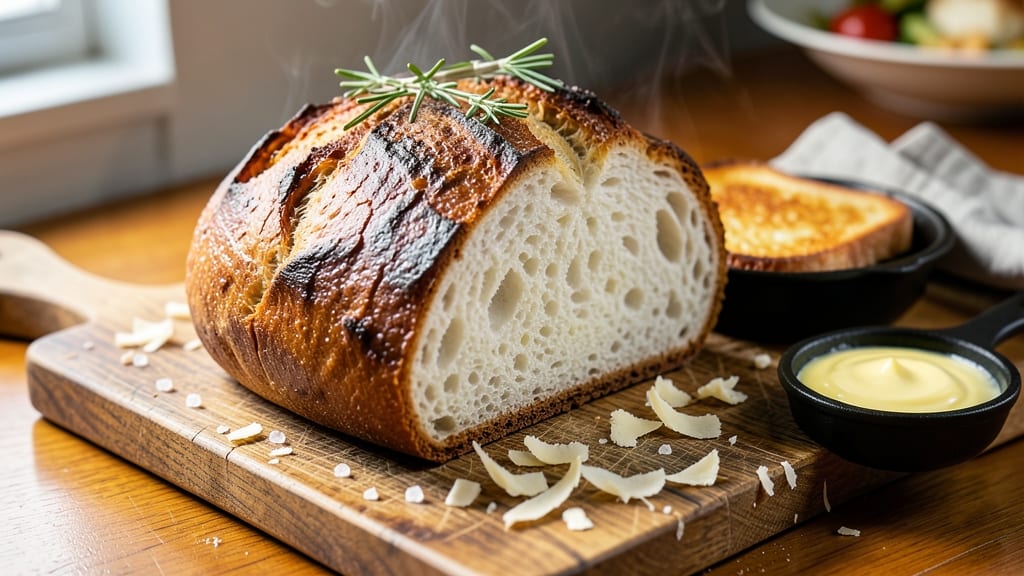
This Allinson bread recipe delivers the iconic licorice-kissed loaf with its signature spiced swirls—now you can bake it at home with professional results. 🌟 The secret lies in balancing sweet licorice flavor with warm spices like cinnamon and nutmeg, creating a loaf that's both aromatic and moist.
Unlike store-bought versions, this recipe uses a slow fermentation process for deep flavor development and a crispy crust that's impossible to resist.
What sets this bread apart is the layered approach: a rich licorice dough meets a spiced butter swirl, baked together to create those signature marbled patterns.
The recipe uses standard bread-making techniques but with a few key adaptations—like a longer proofing time and precise oven temperature control—to achieve that signature texture. You'll need basic ingredients like flour, yeast, and brown sugar, but the magic happens in the technique.
The result is a loaf with a tender crumb, just-sweet-enough licorice flavor, and a crackly crust that's perfect for slicing. Each bite delivers that perfect balance of sweetness and spice, making it ideal for breakfast toast, sandwiches, or as a showstopping centerpiece.
The aroma alone will have everyone asking for seconds. Ready to bake?
This recipe scales beautifully—whether you're making one loaf for your family or doubling the batch for holiday gifts. The instructions walk through every step, from mixing to proofing to baking, with tips to ensure success even if you're new to bread-making. Let's get started on creating your perfect Allinson loaf.
Ingredients for allinson bread
These iconic ingredients create the signature licorice-spiced loaf with marbled swirls you crave.
| Ingredient | Amount | Notes |
|---|---|---|
| All-Purpose Flour 🌾 | 6 cups | Spooned and leveled for accuracy |
| Active Dry Yeast 🍞 | 2 ¼ tsp | One packet (7g) preferred |
| Granulated Sugar 🍚 | ½ cup | For yeast activation |
| Warm Water 💧 | 1 ¼ cups | 110°F (43°C) for yeast |
| Brown Sugar 🍯 | ¼ cup | Packed for moisture |
| Unsalted Butter 🧈 | ½ cup | Cold, cubed for swirl |
| Licorice Root Powder 🍬 | 2 tbsp | Pure licorice extract alternative |
| Ground Cinnamon 🌿 | 1 ½ tsp | Freshly ground preferred |
| Ground Nutmeg 🌶️ | ½ tsp | Freshly grated nutmeg |
| Salt 🧂 | 1 tsp | Diamond Crystal preferred |
| Large Eggs 🥚 | 1 whole | Room temperature |
| Milk 🥛 | ¼ cup | Warm for tenderness |
| Cornmeal 🌽 | ¼ cup | For dusting loaf pan |
| Coarse Sugar 🍚 | ¼ cup | For topping crust |
The licorice root powder is non-negotiable here—it delivers that signature sweet, anise-like flavor. Penzeys or Amazon are great places to find it if your local store doesn't carry it. For the butter swirl, use cold cubes—they'll create those beautiful marbled patterns when baked. The yeast is the heart of this loaf, so make sure it's fresh (test it in warm water with sugar—it should foam within 5-10 minutes). For the flour, I always grab King Arthur or Gold Medal—they're reliable for bread baking. The cinnamon and nutmeg should be freshly ground if possible, but pre-ground works in a pinch.
No licorice powder? Anise extract (1 tsp) or fennel seeds (1 tsp) can mimic that flavor, though it won't be identical. Running short on brown sugar? Maple syrup (1 tbsp) or molasses (1 tbsp) adds depth, but reduce other liquids slightly. The butter swirl can be swapped for vegetable shortening if you're avoiding dairy, though the flavor won't be quite the same. For the milk, any milk works—dairy, almond, or oat—but dairy gives the best texture. If you're making this ahead, proof the dough overnight in the fridge for even deeper flavor development.
This dough is best baked fresh, but you can proof it overnight in the fridge if prepping ahead—just let it come to room temp before baking. The loaf keeps well wrapped at room temperature for 2-3 days or in the fridge for up to 5 days. For longer storage, slice and freeze—it reheats beautifully in the oven at 350°F (175°C) for 5-10 minutes. The crust gets crispier as it cools, so slice it when it's still slightly warm for the best texture. Leftovers? Toast them—nothing beats this bread on buttered toast.
Why You'll Love This Recipe
- Five-Ingredient Magic: This bread is basically foolproof—I swear, even if you’ve never baked before, the yeast and warm water do most of the work. Just mix, let it rise, and bake. That’s it.
- Sweet & Soft Bite: The brown sugar adds this subtle caramel depth that makes every slice feel special, while the granulated sugar keeps it tender. It’s not too sweet, but just enough to make you want to eat it straight from the pan.
- Breakfast to Brunch: I’ve used this for toast, French toast, and even as a base for a quick breakfast casserole. The dough’s neutral flavor soaks up whatever you throw at it—jam, butter, or even a sprinkle of cinnamon.
- Budget-Friendly Staple: A single batch costs pennies and stretches for days. Freeze half the loaves, and you’ve got fresh bread ready whenever you need it—no last-minute grocery runs.
Step-by-step instructions for licorice-kissed loaf with spiced swirls
Here's how to craft this aromatic, spiced loaf with a licorice-infused surprise at its heart!
👨🍳 Step 1: Activate the Yeast and Mix the Dough Base
In a large bowl, whisk together the 1.25 cups warm water (about 110°F) with the 0.5 cup granulated sugar until dissolved. Sprinkle the 2.25 tsp active dry yeast over the surface and let sit for 5-10 minutes until foamy—this confirms your yeast is active. If it doesn't foam, start over with fresh yeast.
In a separate bowl, combine the 6 cups all-purpose flour, 1.5 tsp ground cinnamon, 0.5 tsp ground nutmeg, 1 tsp salt, and 2 tbsp licorice root powder. Whisk to distribute the spices evenly. Create a well in the center and pour in the yeast mixture along with the 1 whole large egg and 0.25 cup warm milk.
🍳 Step 2: Knead and Develop the Dough
Using a stand mixer fitted with a dough hook (or by hand), knead the dough on medium speed for 5-7 minutes until it becomes smooth and elastic, pulling away from the sides of the bowl. If it's too sticky, add 1 tablespoon flour at a time until it forms a cohesive ball. The dough should be soft but not wet—it should spring back when poked.
Cover the bowl with a damp towel and let the dough rise in a warm place for 1-1.5 hours, or until it has doubled in size. You'll know it's ready when you poke it gently and the indentation remains. This rising step is crucial for that light, airy texture we're after.
🥘 Step 3: Prepare the Licorice Swirl Filling
While the dough rises, prepare the filling by combining the 0.25 cup brown sugar, 0.5 cup cold cubed unsalted butter, and 1 tbsp licorice root powder in a small bowl. Use your fingers to work the butter into the sugar until it resembles coarse crumbs with pea-sized butter pieces—this creates pockets of flavor that'll melt beautifully during baking.
Roll out the risen dough on a lightly floured surface to about ½-inch thickness. Spread the licorice butter mixture evenly over the surface, leaving a ½-inch border around the edges. This border prevents the filling from oozing out during baking and keeps the swirl intact.
🔥 Step 4: Shape and Proof the Loaf
Carefully roll the dough into a log starting from one of the long sides, using gentle but firm pressure to maintain the filling inside. Pinch the seam to seal, then place the loaf seam-side down in a greased 9x5-inch loaf pan. Sprinkle the bottom of the pan with 0.25 cup cornmeal to prevent sticking and add texture.
Cover the loaf with a damp towel and let it proof for another 30-45 minutes until it rises about 1 inch above the pan's rim. The dough should feel springy when pressed lightly. Preheat your oven to 375°F while the loaf proofs—this ensures it goes straight into a hot oven for even baking.
🔥 Step 5: Bake to Golden Perfection
Bake the loaf for 35-40 minutes until it's deep golden brown and sounds hollow when tapped on the bottom. For extra color, sprinkle the 0.25 cup coarse sugar evenly over the top during the last 5 minutes of baking—this creates a beautiful caramelized crust.
Remove from the oven and let cool in the pan for 10 minutes before transferring to a wire rack. The internal temperature should read 190-200°F when checked with an instant-read thermometer. For the best texture, slice when completely cool—this allows the flavors to fully develop and the crumb to set properly.
Pro Tips For Making Allinson Bread
- Bloom the Yeast First: Skip mixing yeast directly into the flour—it’s a rookie move. Instead, whisk it with the warm water and brown sugar for 5 minutes until frothy. This ensures your bread rises properly and avoids that dense, brick-like texture we’ve all hated.
- Measure Flour Right: Don’t scoop from the bag—spoon the all-purpose flour into your measuring cup and level it off. Packing it down (like I used to) adds extra moisture, and your dough will turn gummy instead of light. Trust the cup’s rim.
- Let the Dough Rise Twice: The first rise is obvious, but the second one—after shaping—is where magic happens. Give it 1–2 hours in a warm spot (like an oven with the light on) until it’s almost doubled. Rushing this step = flat, sad bread.
- Steam the Pan: Before baking, pour a cup of hot water into a tray on the oven rack. The steam helps that Allinson bread develop a crispy crust without drying out. I learned this the hard way—my first batch looked like a hockey puck.
Perfect pairings for this recipe
Sweet Spreads
This licorice-spiced loaf pairs beautifully with honey butter—mix ½ cup softened butter with 2 tbsp honey and a pinch of salt. The honey complements the licorice flavor while adding a smooth, sweet contrast. For a richer option, try brown butter with a sprinkle of flaky sea salt. 🍯
Spiced Pairings
Warm spiced apple butter (simmer 2 cups applesauce, ½ cup brown sugar, 1 tsp cinnamon, and ¼ tsp nutmeg) enhances the nutmeg and cinnamon in the bread.
The apple's natural sweetness balances the licorice's boldness. Another great match is chocolate hazelnut spread—the bitterness cuts through the sweetness beautifully.
Creamy Cheese
Pair with cream cheese or goat cheese for a savory contrast. Spread a thin layer on toasted slices and top with sliced pears or thinly sliced almonds for crunch.
The tangy cheese balances the sweet licorice flavor, creating a sophisticated flavor profile. For extra indulgence, add a drizzle of maple syrup.
Beverage Pairings
Sip on chai tea or spiced chai latte to complement the warm cinnamon and nutmeg flavors. The black tea's earthiness pairs wonderfully with the licorice notes. For a caffeine-free option, try mulled apple cider—its spiced sweetness mirrors the bread's flavors.
Coffee lovers can enjoy a dark roast with a hint of cinnamon to enhance the spice profile.
Sweet Toppings
Add caramelized bananas or sautéed peaches to toasted slices for a fruity contrast. The natural sweetness of the fruit enhances the licorice flavor. For a festive touch, sprinkle with crushed pistachios or toasted coconut flakes—both add texture and a nutty depth that rounds out the flavor profile. 🍌
Savory Contrasts
For a unique twist, pair with smoked salmon and everything bagel seasoning on toasted bread. The salty, smoky flavors contrast beautifully with the sweet licorice. Another unexpected but delicious combo is fig jam—its jammy sweetness pairs surprisingly well with the licorice's boldness, creating a sophisticated flavor balance.
Nutrition facts
Frequently asked questions
Can I substitute licorice root powder with something else?
Yes! If you can't find licorice root powder, try 1 teaspoon anise extract or 1 teaspoon fennel seeds (finely ground) for a similar flavor profile. For a milder version, 1 teaspoon blackstrap molasses adds depth, though it won't replicate the exact anise notes. The key is balancing the sweetness while maintaining that signature licorice aroma.
Why did my dough rise too quickly or collapse?
This usually happens if your kitchen is too warm (over 80°F) or too cold (under 70°F). Yeast works best at 75-80°F. If your dough rises too fast, it may collapse when baked. For slow rises, try placing the dough in a slightly warm oven (50°F) with the light on. If it collapses, it might be overproofed—bake immediately even if it doesn't double.
How do I make this recipe gluten-free?
Replace the 6 cups all-purpose flour with a 1:1 gluten-free flour blend (like Bob's Red Mill) plus 1 teaspoon xanthan gum to mimic gluten's structure. Reduce the milk to 0.125 cup (gluten-free flours absorb more liquid) and let the dough rest 10 minutes after mixing. Proofing times may increase—watch for 50% rise rather than doubling. The texture will be denser but still delicious!
Can I bake this in a different pan shape?
Yes, but adjust the proofing time. For a 9x5-inch loaf pan, use the recipe as written. For a 9x13-inch baking sheet, flatten the dough into a rectangle, spread the filling, roll tightly, and bake for 30-35 minutes. For a round pull-apart loaf, shape into a ring and bake for 25-30 minutes. Always check internal temperature (190-200°F) for doneness.
How can I make this bread ahead of time?
Shape the loaf and refrigerate it overnight (up to 24 hours) for deeper flavor. Let it come to room temperature before baking, adding 5-10 minutes to the bake time. For longer storage, wrap cooled slices in plastic and freeze for up to 3 months. Thaw at room temperature or reheat slices in a 350°F oven for 5-10 minutes for freshness.