
Desserts
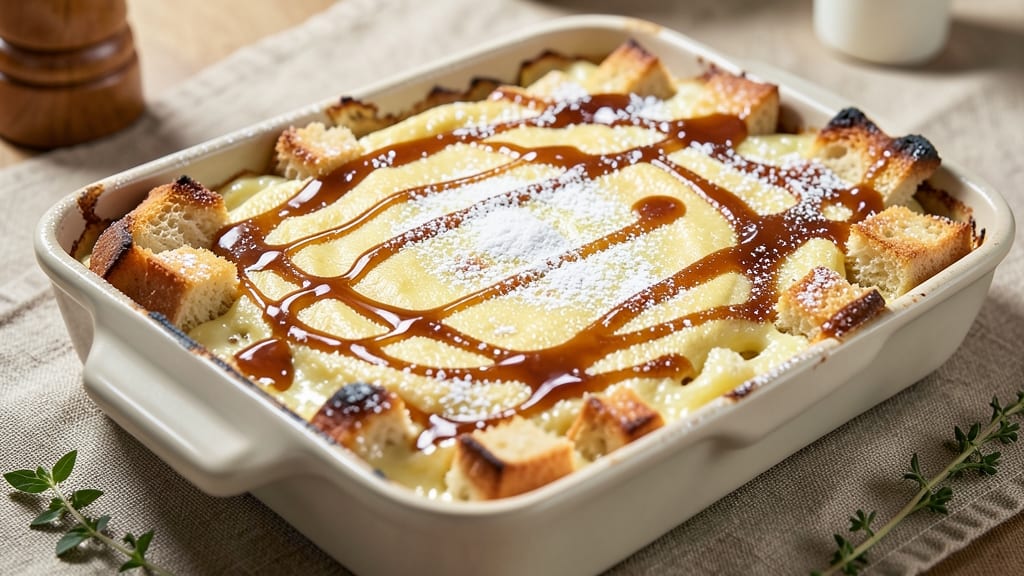
This baked sweet bread pudding recipe transforms stale bread into golden, custardy perfection with a crispy top and velvety vanilla-butter swirls. The secret lies in a perfectly balanced custard mixture that soaks into the bread while baking, creating a tender yet sturdy texture.
I’ve perfected this version over years of holiday baking—it’s the kind of dessert that disappears faster than you can say "second slice."
The magic happens in the custard base, where eggs and milk create a rich, creamy filling that clings to every crumb of bread. A touch of vanilla and swirls of softened butter add depth, while a sprinkle of cinnamon or nutmeg can elevate it to spiced dessert status.
Baking at 350°F ensures a crispy, caramelized top that contrasts beautifully with the soft interior.
What you’ll end up with is a warm, comforting dessert that’s ideal for family gatherings or a cozy night in. The aroma alone will have everyone gathering in the kitchen, and the texture—crispy on top, custardy inside—makes it impossible to resist.
Pair it with whipped cream or a drizzle of caramel for the ultimate indulgence.
This recipe is foolproof, with clear steps for achieving that signature crispy crust and tender center. Whether you’re a baking novice or a seasoned pro, the results will impress. Let’s get started on creating this crowd-pleasing classic!
Ingredients for b sweet bread pudding
Six simple ingredients transform stale bread into golden custardy perfection with crispy magic.
| Ingredient | Amount | Notes |
|---|---|---|
| Stale White Bread 🍞 | 1 ½ lb | Crusts removed, cubed into 1-inch pieces |
| Large Eggs 🥚 | 6 whole | Room temperature for best mixing |
| Whole Milk 🥛 | 2 cups | Full-fat for creaminess (or sub 2% if preferred) |
| Granulated Sugar 🍚 | 1 ½ cups | Adjust for sweetness preference |
| Unsalted Butter 🧈 | ½ cup | Cold, cubed for swirls (softened for custard) |
| Pure Vanilla Extract 🌿 | 2 tsp | Or 1 tbsp vanilla bean paste |
| Ground Cinnamon 🌶️ | 1 tsp | Or nutmeg for spiced variation |
| Salt 🧂 | ½ tsp | Kosher or sea salt |
| All-Purpose Flour 🌾 | ¼ cup | For bread soaking (optional, if bread is very dry) |
| Powdered Sugar 🍚 | ¼ cup | For topping (optional) |
The bread is non-negotiable—day-old loaves from the bakery section work best, but stale is fine too. Sourdough or brioche adds extra richness, but basic white bread delivers classic flavor. For the custard, room-temperature eggs mix smoother—just tap them gently on the counter for 5 minutes. The butter swirls are where the magic happens: cold cubes keep their shape while baking, creating those signature golden streaks. If your butter's too soft, chill it 20 minutes before mixing.
No vanilla extract? Vanilla bean paste or even vanilla sugar works in a pinch (reduce sugar by 1 tbsp). The milk can be swapped for half-and-half or coconut milk> for extra richness, but whole milk keeps it classic. Short on sugar? Maple syrup or honey> (reduce liquid by 2 tbsp) adds depth without extra sweetness. For a spiced twist, swap cinnamon for cardamom or ginger>—just halve the amount. And if your bread's too dry, toss the cubes with flour before assembling (trust me, it helps).
This keeps beautifully—3 days> in the fridge (if it lasts that long) and freezes for 2 months> wrapped tightly in foil. Reheat at 325°F> for 15 minutes to revive the crispy top. I always bake extra and portion it into individual ramekins for grab-and-go breakfasts. The leftovers? Even better the next day—if you can resist the second slice, that is.
Why You'll Love This Recipe
- Here’s what sold me: that crispy butter-sugar crust on top while the inside stays silky. It’s the kind of texture that makes you groan with pleasure—no fancy techniques, just melted butter and patience.
- No-Waste Magic: I swear by this trick—toss in that week-old loaf of bread instead of tossing it. The eggs and milk turn it into something golden and tender, like a hug in dessert form.
- Buttery Caramel Crunch: Here’s what sold me: that crispy butter-sugar crust on top while the inside stays silky. It’s the kind of texture that makes you groan with pleasure—no fancy techniques, just melted butter and patience.
- Breakfast or Dessert: Between us, this works for both. Serve it warm with a drizzle of honey for a lazy Sunday morning, or dust it with cinnamon for after-dinner decadence. My kids fight over it either way.
Step-by-step instructions for vanilla-butter bread pudding
Here's how to transform stale bread into a golden, custardy masterpiece with crispy edges.
Prepare the Bread and Custard Base
Preheat your oven to 350°F and grease a 9x13-inch baking dish generously with 2 tablespoons of unsalted butter, reserving the rest for swirls. Arrange the 1.5 pounds of cubed stale white bread in an even layer, slightly overlapping the pieces. This creates a sturdy base that won't fall apart when baking.
In a large bowl, whisk together the 6 room-temperature eggs, 2 cups whole milk, 1.5 cups granulated sugar, 2 teaspoons pure vanilla extract, 1 teaspoon ground cinnamon, and ½ teaspoon salt until completely smooth. The mixture should be pale yellow and slightly thickened. This custard will soak into the bread and create that signature creamy texture.
Soak the Bread and Add Butter Swirls
Slowly pour the custard mixture over the bread cubes, allowing it to absorb for 10 minutes. You'll notice the bread begin to plump up and turn translucent at the edges—this is exactly what we want. If the bread feels too dry after soaking, sprinkle the ¼ cup all-purpose flour evenly over the top and gently stir to distribute.
Cut the remaining ½ cup cold unsalted butter into 8 equal pieces and arrange them in a single line down the center of the baking dish. Carefully fold the bread mixture over the butter, creating elegant swirls. The cold butter will melt beautifully during baking, creating those gorgeous golden ribbons throughout the pudding.
Bake Until Golden and Set
Transfer the baking dish to the preheated oven and bake for 40-45 minutes until the edges are deep golden brown and the center is just set. You'll know it's ready when a toothpick inserted near the center comes out clean with only a few moist crumbs clinging to it. The top should have a beautiful crackly crust while maintaining a soft, custardy interior.
For that extra-crispy finish, broil for 1-2 minutes at the very end, watching closely to prevent burning. The broiler will intensify the golden color and create that perfect contrast between crispy top and creamy center that makes bread pudding irresistible.
Dust with Powdered Sugar and Serve Warm
Remove the pudding from the oven and let it cool for 5 minutes before dusting generously with the ¼ cup powdered sugar. This final step adds a delicate sweetness that complements the warm vanilla and buttery richness. The sugar should melt slightly from the residual heat, creating a beautiful snowy finish.
Slice while still warm and serve immediately with vanilla ice cream or whipped cream. The contrast of warm, custardy bread pudding with cold, creamy ice cream is pure magic. Each bite should deliver that perfect combination of crispy edges, creamy custard, and buttery swirls throughout.
Pro Tips For Making B Sweet Bread Pudding
- CUT BREAD SMALL: I learned this the hard way—big chunks don’t soak evenly and leave dry spots. Aim for 1-inch cubes, and if you’re impatient like me, pulse them quickly in a food processor (but don’t overdo it—we’re not making breadcrumbs).
- WHISK EGGS VIGOROUSLY: Don’t just stir those eggs—whisk them until they’re thick and pale, like wet paint. This ensures a silky texture, not a lumpy one. I used to skip this, and the pudding always felt grainy.
- BAKE UNTIL SET: The moment it jiggles just a little in the center is perfect—overbaking turns it dry. Test with a toothpick: it should come out clean but still slightly moist. (Yes, even if the recipe says otherwise.)
- SWAP MILK FOR CREAM: Sounds weird, but it works: replace half the whole milk with heavy cream for a richer, custardier pudding. The extra fat keeps it moist longer—no sad, dry slices here. (I know, I know, but trust the process.)
Common mistakes when making this recipe
Over-Soaking the Bread
I’ve seen this happen more times than I can count—bread that’s been soaked in custard for too long turns into a soggy, watery mess. The key is 10 minutes max for soaking; any longer and the bread will disintegrate when you try to fold it over the butter.
If your bread feels dry after soaking, sprinkle ¼ cup flour over it instead of adding more liquid. This keeps the structure intact while still allowing the custard to absorb. 💡
Skipping the Butter Swirls
The butter swirls are what make this bread pudding truly special, but I’ve seen people skip them to save time. If you do, you’re missing out on the rich, golden streaks that cut through the custard. For the best results, use cold butter cubes—they hold their shape during baking.
If your butter is too soft, chill it for 20 minutes before mixing. The contrast of creamy custard and melted butter is what makes this dessert unforgettable.
Incorrect Oven Temperature
Baking at the wrong temperature is a fast track to a dense, undercooked center or a burnt top. This recipe calls for 350°F, but I’ve seen people bake it at 375°F or even 325°F.
Too high, and the top burns before the center sets; too low, and the custard never fully thickens. Use an oven thermometer to confirm your oven’s accuracy—many home ovens run 25°F hotter or colder than set.
A toothpick test is your best friend here: it should come out with a few moist crumbs, not wet batter.
Not Letting It Rest
Fresh out of the oven, bread pudding looks perfect—until you slice it and watch it fall apart. The secret is letting it rest for 5 minutes before serving. This allows the custard to fully set and the bread to reabsorb any excess moisture.
If you’re in a hurry, I get it, but trust me, those extra 5 minutes make all the difference. It also gives the powdered sugar a chance to melt slightly for that beautiful snowy finish. 🥄
Overmixing the Custard
Whisking the custard too vigorously can create air bubbles that lead to a dense, rubbery texture. Mix just until the sugar and salt are fully dissolved—about 30 seconds with a whisk. Overmixing also risks scrambling the eggs, which can make the pudding grainy.
If your custard looks lumpy, strain it through a fine-mesh sieve before pouring it over the bread. Smooth custard equals a silky-smooth pudding every time.
Broiling Too Long
That final broil is what gives bread pudding its signature crispy top, but it’s easy to overdo it. Broil for just 1-2 minutes and watch it like a hawk—it burns faster than you think.
If the top starts to darken too quickly, cover the dish with foil and return it to the oven to finish baking. The goal is a golden, crackly crust, not a charred mess.
A quick broil at the end is optional, but if you skip it, the top won’t be as crispy. 🔥
Nutrition facts
Frequently asked questions
Can I use fresh bread instead of stale?
Fresh bread works, but it won't absorb the custard as well, leading to a denser texture. If you must use fresh, lightly toast the cubes first to dry them out slightly. For best results, stick with day-old or intentionally stale bread—it soaks up the custard perfectly and creates that ideal tender-yet-firm bite.
How do I make this recipe gluten-free?
Swap the white bread for a gluten-free bread loaf (like Canyon Bakehouse) and replace the all-purpose flour with a 1:1 gluten-free baking flour blend.> The custard base remains the same, but check that your bread can handle moisture—some gluten-free varieties get gummy. For extra insurance, reduce the milk by 2 tablespoons> to prevent sogginess.
Why did my bread pudding turn out gummy?
Gummy texture usually means the custard didn't set properly. This happens from over-soaking> (more than 10 minutes>) or baking at too low a temperature. Always use 350°F> and check doneness with a toothpick—it should come out with a few moist crumbs,> not wet batter. If it's still gummy after baking, return it to the oven for 5-10 minutes> at 325°F> to let the custard firm up.
Can I make this ahead of time?
This bread pudding actually tastes better the next day. Assemble it in the baking dish, cover tightly with foil, and refrigerate for up to 24 hours> before baking. For leftovers, reheat at 325°F> for 15-20 minutes> until warmed through. The flavors meld beautifully overnight, and reheating restores that perfect crispy top.
What are some fun flavor variations?
For a boozy twist, add 1/4 cup bourbon or rum> to the custard. Swap cinnamon for cardamom or ginger> for a spiced variation, or fold in chopped fruit> (like berries or peaches) before baking. Chocolate lovers can stir in 1/2 cup melted chocolate> for a decadent twist. The possibilities are endless—just keep the custard base balanced!