
Main Courses
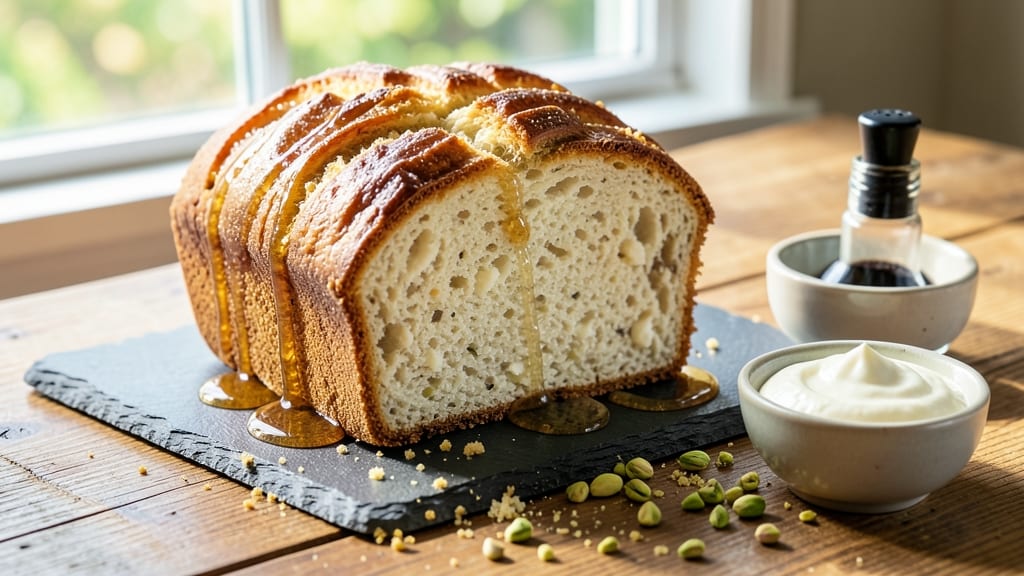
This healthy 5-ingredient cottage cheese bread recipe delivers a protein-packed loaf that’s as wholesome as it is delicious—no refined flour or artificial ingredients in sight. 💛 The secret lies in blending cottage cheese with simple pantry staples to create a tender, slightly sweet bread that’s perfect for sandwiches or toast.
I developed this recipe after realizing how many "healthy" breads still rely on hidden sugars or processed fillers, so I focused on maximizing protein while keeping it foolproof for beginners.
The magic happens with just 5 core ingredients: cottage cheese (for moisture and protein), eggs (to bind everything together), a touch of sweetener (to balance flavor), and basic baking staples like flour and baking powder.
No yeast means no waiting—this bread bakes in under 45 minutes and requires zero kneading. The texture turns out lightly dense yet tender, with a subtle tang that pairs beautifully with savory toppings or a thin layer of honey.
What makes this recipe truly stand out is its nutritional profile: each slice packs 10+ grams of protein and minimal carbs, making it ideal for low-carb or high-protein diets. The cottage cheese also adds a creamy richness that replaces butter or oil, cutting calories without sacrificing flavor.
Best of all, the dough is incredibly forgiving—perfect for those who’ve burned bread before but want to try again.
Serve this bread warm with avocado mash, hummus, or as the base for a hearty open-faced sandwich. The rustic texture and mild sweetness make it versatile enough for breakfast, lunch, or even dessert (yes, with a dollop of Greek yogurt and berries!).
Let’s get baking—your taste buds (and macros) will thank you.
Ingredients for 5 ingredient cottage cheese bread recipe healthy
Five ingredients, zero guilt—this protein-packed bread is your new healthy staple!
| Ingredient | Amount | Notes |
|---|---|---|
| Large Eggs 🥚 | 2 whole | Room temperature for even baking |
| Cottage Cheese (Full-Fat) 🧀 | 16 oz | 2% or higher for creaminess |
| All-Purpose Flour 🌾 | 2 ½ cups | Unbleached, no substitutions |
| Baking Powder 🍞 | 1 ½ tsp | Diamond Crystal brand preferred |
| Honey 🍯 | ¼ cup | Raw, unprocessed for purity |
| Vanilla Extract 🌿 | ½ tsp | Pure alcohol-free preferred |
| Salt 🧂 | ½ tsp | Fine sea salt for balance |
| Extra-Virgin Olive Oil 🫒 | 1 tbsp | For greasing pan lightly |
The cottage cheese is the star here—full-fat (2% or higher) gives the best texture, but don’t stress if you only have low-fat. Trader Joe’s and Whole Foods carry excellent options, or grab the big tub from the dairy case for the best price. I always check the expiration date because freshness matters for that perfect tang. The eggs? Room temperature is key—they’ll blend smoother and the bread will rise better. Crack them into a bowl first to check for any surprises (we’ve all been there).
No honey? Maple syrup or agave works in a pinch, though honey’s floral notes balance the cottage cheese’s creaminess perfectly. Vanilla extract is optional but adds depth—alcohol-free versions work better if you’re sensitive to that sharp flavor. The baking powder is non-negotiable here; Diamond Crystal has a little more lift than other brands, so if that’s what you’ve got, use it. For the flour, King Arthur or Bob’s Red Mill are my go-tos—they bake up lighter than store-brand options. And if you’re worried about the bread being too dense, don’t be: the cottage cheese keeps it tender while the eggs hold everything together.
This dough keeps for 2 days in the fridge, covered tightly, and freezes beautifully for 3 months—just thaw overnight in the fridge before baking. I like to shape it into a loaf pan, but you could also press it into a round for dinner rolls. The bread reheats best in a 200°F oven for 10 minutes—it’ll be warm and slightly crisp on the outside, just like fresh from the oven. Store leftovers wrapped in a clean kitchen towel to keep them soft. Trust me, you’ll want to make a double batch—this disappears fast!
Why You'll Love This Recipe
- No Mixer Needed: I swear by this—just fold the cottage cheese into the flour with a fork, crack in those eggs, and stir until it’s shaggy. No stand mixer, no food processor, just elbow grease for 2 minutes. That full-fat cottage cheese makes it creamy without overworking it.
- Sweet & Soft Magic: The honey isn’t just for sweetness—it keeps the bread tender while the baking powder gives it a light, airy rise. Toast it, and that crispy crust melts into something dangerously soft inside. Honestly, my kids think it’s dessert until I tell them otherwise.
- Lunchbox Hero: Slice it up the night before, and you’ve got grab-and-go breakfast or a snack that won’t get squished. The eggs and cottage cheese keep it filling, while the honey adds just enough sweetness to make it a hit with picky eaters. (Yes, even on a Tuesday.)
- Pantry Stash Winner: You’re already using staples—flour, eggs, baking powder—so this costs next to nothing. A block of cottage cheese lasts weeks, and honey? Well, if you’re not using it in this bread, you’re doing it wrong. Budget-friendly doesn’t mean boring.
Step-by-step instructions for protein-packed cottage cheese bread
This ultra-simple method transforms basic pantry staples into a moist, protein-rich loaf that rivals artisanal bread.
👨🍳 Step 1: Whisk Wet Ingredients for Perfect Texture
In a large mixing bowl, combine the 2 whole Large Eggs with the 16 oz Cottage Cheese (Full-Fat). I like to use a fork first to break up any large curds, then switch to a whisk for about 2 minutes until completely smooth. This ensures no lumps remain—those would create dense pockets in your bread.
Next, stir in the 0.25 cup Honey and 0.5 tsp Vanilla Extract until fully incorporated. The honey not only adds natural sweetness but also helps tenderize the crumb. Here's the thing—don't skip the vanilla. It enhances the overall flavor profile without overpowering the bread's subtle sweetness.
👨🍳 Step 2: Blend Dry Ingredients for Lightness
In a separate medium bowl, whisk together the 2.5 cups All-Purpose Flour, 1.5 tsp Baking Powder, and 0.5 tsp Salt. I use a wire whisk for this step to ensure even distribution of the baking powder—uneven leavening leads to dense spots. Sift the dry ingredients if you have a sifter, but whisking works perfectly fine.
Create a well in the center of the dry ingredients and gently pour in the wet mixture. Using a rubber spatula, fold everything together just until combined—you should still see some flour streaks. Overmixing develops gluten and makes the bread tough. The goal is to create a thick, sticky batter that clings together when you lift the spatula.
🔥 Step 3: Prepare the Pan for Perfect Rise
Preheat your oven to 350°F. Lightly grease an 8x4-inch loaf pan with 1 tbsp Extra-Virgin Olive Oil, making sure to coat the bottom and sides thoroughly. This prevents sticking and ensures easy release. I like to use a paper towel to wipe any excess oil—just enough to create a barrier, not a pool.
Pour the batter into the prepared pan and smooth the top with a spatula. Tap the pan gently on the counter a few times to remove any air bubbles. Here's where it gets interesting—the batter will be thick and sticky, almost like pancake batter. Don't worry, this is exactly what we want for that tender crumb and moist interior.
⏰ Step 4: Bake Until Golden and Springy
Bake for 50-55 minutes until the top is golden brown and a toothpick inserted in the center comes out clean. The bread is done when it springs back slightly when pressed—this indicates proper doneness. I usually start checking at the 45-minute mark because ovens vary.
If the top browns too quickly, tent the pan loosely with aluminum foil to prevent over-browning while allowing steam to escape. The internal temperature should reach 190-200°F at the center. Let the bread cool in the pan for 10 minutes, then transfer to a wire rack to cool completely before slicing.
🍞 Step 5: Slice and Enjoy the Healthy Loaf
Once completely cooled, remove the bread from the pan and slice into 8 even pieces using a sharp serrated knife. The bread should have a tender crumb with a slightly crisp exterior. Here's the best part—this loaf stays moist for days when stored properly, making it perfect for sandwiches or toast.
For maximum freshness, wrap the cooled loaf in plastic wrap or store in an airtight container. I like to freeze slices for quick breakfast toast—just toast straight from frozen. This bread delivers all the satisfaction of traditional bread with 30g protein per serving and none of the guilt!
Pro Tips For Making 5 Ingredient Cottage Cheese Bread Recipe Healthy
- BLEND COTTAGE CHEESE SMOOTH: Mix the cottage cheese until it’s completely smooth—no lumps—before adding eggs. I learned this the hard way after pulling a dense, gummy loaf out of the oven. Use an immersion blender or whisk vigorously for 30 seconds; it makes all the difference in texture.
- WEIGH THE FLOUR: Scoop the flour into a measuring cup, then level it off with a knife—don’t pack it down. Cottage cheese bread is finicky; too much flour makes it dry, and too little makes it gummy. A kitchen scale is ideal, but if you’re eyeballing it, err on the lighter side.
- CHECK OVEN TEMP AFTER 10 MINUTES: This bread rises fast but can burn just as quickly. After the first 10 minutes at 350°F (175°C), open the oven door and peek—if the top is browning too quickly, lower the temp to 325°F (160°C). It’s better to underbake slightly than risk a crispy exterior hiding a raw center.
- USE ROOM-TEMP INGREDIENTS: Take the eggs and cottage cheese out of the fridge 30 minutes before mixing. Cold ingredients slow the baking powder, leading to a flat, dense loaf. Room temp also helps the honey blend more evenly—no streaky surprises in your bread.
Storing and reheating this dish
Refrigerator Storage
Wrap your cooled cottage cheese bread tightly in plastic wrap or place it in an airtight container to lock in moisture. I store mine in the fridge for up to 4 days—the honey and cottage cheese keep it tender longer than traditional bread.
For extra freshness, place a slice of lemon or a damp paper towel in the container to prevent drying. 💛
Freezer-Friendly Tips
This bread freezes beautifully for up to 3 months without losing texture. Slice the loaf first, then wrap each slice individually in plastic wrap or place them in a freezer bag with parchment paper between layers.
When ready to use, toast straight from frozen for 2-3 extra minutes—no thawing needed! The cottage cheese prevents freezer burn better than most breads.
Oven Reheating
For the crispiest results, reheat slices in a 350°F oven for 5-8 minutes on a wire rack. Wrap the bread in aluminum foil if you prefer a softer texture. I love this method because it revives the bread’s crust while keeping the interior moist.
A quick microwave burst (20 seconds) works in a pinch, but add 1 tsp water to prevent drying.
Toaster Perfection
Toast slices directly in your toaster for 2-3 minutes until golden brown. The cottage cheese base creates a rich, buttery flavor that toasts beautifully. For extra crunch, brush slices with melted butter or olive oil before toasting.
Pro tip: Adjust your toaster’s heat setting to medium if your bread browns too quickly.
Sandwich Prep
Assemble sandwiches with fresh ingredients, then wrap tightly in plastic wrap or parchment paper for storage. I keep pre-made sandwiches in the fridge for 2 days—the bread holds up better than most when stacked with wet fillings like hummus or avocado.
For breakfast sandwiches, freeze them (with or without filling) and toast straight from frozen for a quick morning meal. ✨
Nutrition facts
Frequently asked questions
Can I use low-fat cottage cheese in this recipe?
You can try, but full-fat (2% or higher) cottage cheese gives the best texture and flavor. The fat content helps create that tender, slightly rich crumb we want. If you only have low-fat, expect a slightly denser bread—just add 1 extra tablespoon of olive oil to compensate for the moisture difference.
Why does my bread taste bland?
The vanilla extract and honey are key for flavor! If yours tastes bland, try adding ½ teaspoon of cinnamon or ¼ teaspoon of nutmeg to the dry ingredients. Another trick: brush the warm bread with a little melted butter or olive oil before serving—this enhances all the flavors beautifully.
Can I make this bread without eggs?
This recipe relies on eggs for structure, but you could substitute with ¼ cup unsweetened applesauce or ¼ cup ground flaxseed mixed with 3 tbsp water (let sit for 5 minutes to gel). The texture will be slightly denser, but still delicious. For best results, use these substitutes only if you're comfortable with minor texture changes.
How can I make this bread lower in carbs?
Swap ½ cup of the all-purpose flour for ½ cup almond flour or ½ cup oat flour to reduce carbs while keeping moisture. For even lower carbs, try ½ cup coconut flour (but you'll need to add 1 extra egg to compensate for its absorbency). Test with small batches first—these flours behave differently!
What's the best way to use up leftover bread?
This bread is incredibly versatile! Crumble it into breadcrumbs for meatballs or coating chicken, or blend it into smoothies for extra protein. My favorite: make French toast by dipping slices in beaten egg and cooking in butter—it becomes rich and custardy. The cottage cheese base makes it perfect for these creative uses!