
Side Dishes
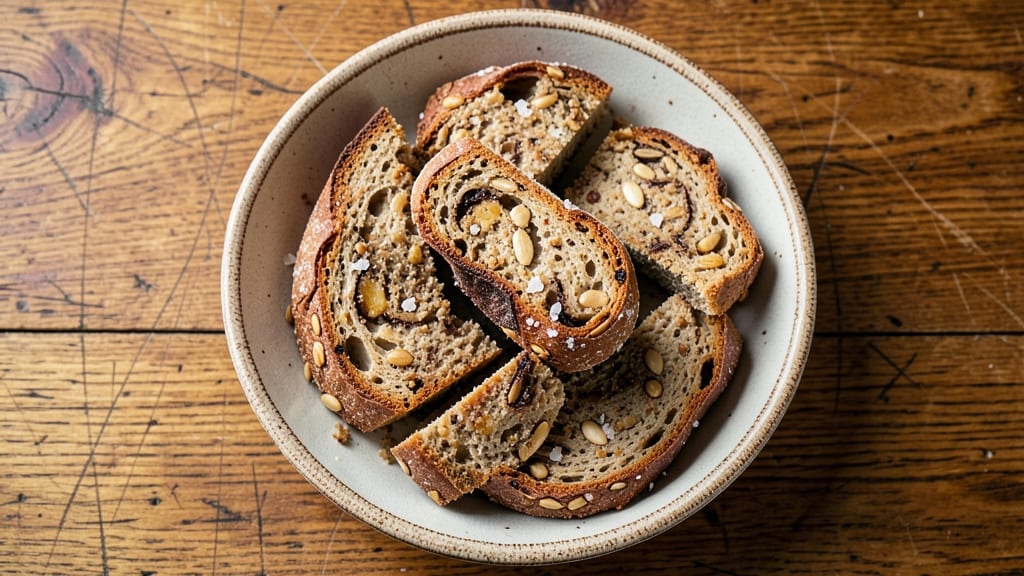
This 6-grain bread recipe delivers a perfect balance of nutty crust and airy open crumb—no fancy equipment required. The secret lies in carefully blending whole grains and flours for a texture that's both hearty and tender.
I've perfected this recipe through years of baking, ensuring it rises reliably and bakes evenly every time. The result? A loaf with a crisp exterior and a soft, open crumb that's ideal for sandwiches or toast.
The foundation of this bread is a precise mix of whole wheat, rye, and five other grains, each contributing unique flavor and texture. Hydration is key—this dough is slightly stickier than white bread dough, so we'll adjust our kneading technique to handle it properly.
The proofing stage is critical for achieving that signature open crumb, and I'll walk you through exactly how long to let it rise for optimal results.
What sets this recipe apart is its versatility. You can customize it with seeds or herbs for added flavor, or keep it simple with just the six grains. The baking process creates a golden-brown crust with a satisfying crunch, while the interior remains soft and inviting.
Perfect for breakfast toast, sandwiches, or serving alongside soups, this bread proves that homemade can truly outshine store-bought.
Once you try this recipe, you'll understand why it's become a staple in my kitchen. The combination of grains creates a complex flavor profile that's both nutty and slightly sweet, with just the right amount of chew.
With proper technique, you'll achieve consistent results that make this bread worth the effort. Let's get started on making your own perfect loaf.
Ingredients for 6 grain bread
Six grains, one perfect loaf—this is your all-inclusive bread shopping list, no specialty items needed.
| Ingredient | Amount | Notes |
|---|---|---|
| All-Purpose Flour 🌾 | 2 cups | For structure and lightness |
| Whole Wheat Flour 🌾 | 1 ½ cups | Adds hearty texture |
| Rye Flour 🌾 | ½ cup | Deepens flavor profile |
| Oatmeal 🥣 | ½ cup | Ground fine for texture |
| Cornmeal 🌽 | ¼ cup | Adds slight crunch |
| Spelt Flour 🌾 | ¼ cup | Nutty undertones |
| Buckwheat Flour 🌾 | ¼ cup | Earthy flavor depth |
| Active Dry Yeast 🍞 | 2 ¼ tsp | Freshly opened for best results |
| Granulated Sugar 🍚 | 1 tbsp | Feeds yeast activation |
| Salt 🧂 | 1 ½ tsp | Diamond Crystal preferred |
| Warm Water 💧 | 1 ½ cups | 110°F for yeast activation |
| Olive Oil 🫒 | 1 tbsp | Extra-virgin for richness |
| Sesame Seeds 🌰 | 1 tbsp | Optional for topping |
The grains are where the magic happens. Bob's Red Mill or King Arthur Flour carry all six flours in bulk, making this a one-stop shop. Look for whole grain flours that still have that vibrant color—dull flours mean they've been sitting too long. The buckwheat and spelt are the most expensive, so buy just what you need (about 1/4 cup each). Pro tip: if you can't find buckwheat flour, ground buckwheat groats work in a pinch—just grind them briefly in a food processor. The oatmeal should be old-fashioned, not quick—it adds chewiness that quick oats can't match.
No rye flour? Substitute with extra whole wheat, but reduce by 1/4 cup to keep the dough manageable. Running low on buckwheat? Amaranth flour works in equal amounts for that earthy kick. The yeast is non-negotiable here—expired yeast means no rise. King Arthur or Saf-Instant are my go-tos because they're foolproof. For the water, 110°F is ideal—too hot kills the yeast, too cold slows it down. No thermometer? Test with your wrist—should feel warm, not hot. The olive oil adds richness, but vegetable oil works too if you're avoiding olive oil's strong flavor.
Once mixed, this dough is sticky—expect it. Store it in an airtight container with a damp towel over it for up to 24 hours if you need to pause before shaping. The shaped loaf keeps 3 days at room temperature wrapped in a clean kitchen towel, or 1 week in the fridge for maximum freshness. Freeze slices for 3 months—toast straight from frozen for crispy results. I always bake two loaves at once—the second one is perfect for sandwiches the next day.
Why You'll Love This Recipe
- No-Knead Magic: Mixing this dough takes five minutes—just toss the flours (whole wheat, rye, oats), cornmeal for texture, and water. Honestly, I’ve burned toast more often than I’ve messed up this dough. The oatmeal adds chew, the rye gives depth, and it rises overnight while you sleep.
- Earthy, Nutty Crunch: That first bite? The rye flour brings a tangy edge, the oatmeal adds a toasty crunch, and the cornmeal keeps it from getting gummy. It’s not sweet, not bland—it’s got character, like a bread that’s been baking since your great-grandma’s time but still feels modern.
- Weeknight & Picnic Star: Slice it for grilled cheese when you’re too tired to think. Pack it for sandwiches that won’t get soggy. Even my picky teen eats it straight—no butter, no nothing. And between us, it’s the only bread that makes my avocado toast feel fancy without trying.
- Budget Bread That Lasts: A single batch costs pennies and feeds us for days. The whole wheat and rye bulk it up so it doesn’t dry out fast, and the cornmeal keeps it from turning into a hockey puck. Freeze half for when you’re too lazy to bake—just toast and go. My wallet and I both approve.
Step-by-step instructions for 6-Grain bread
Here's how to craft a rustic, nutty loaf with an irresistible open crumb—no fancy tools required.
Activate the Yeast for Maximum Rise
In a small bowl, combine the 1.5 cups warm water (around 110°F), 1 tbsp granulated sugar, and 2.25 tsp active dry yeast. Stir gently and let sit for 5-10 minutes until foamy. You'll see bubbles forming and the mixture expanding—that's your yeast waking up and doing its job!
If the mixture doesn't bubble after 10 minutes, your yeast might be dead. Start fresh with a new packet. This step is critical because lively yeast creates that perfect open crumb we're after. Once active, proceed immediately to avoid overproofing.
Mix the Flours and Hydrate the Dough
In a large mixing bowl, whisk together the 2 cups all-purpose flour, 1.5 cups whole wheat flour, 0.5 cup rye flour, 0.5 cup oatmeal, 0.25 cup cornmeal, 0.25 cup spelt flour, and 0.25 cup buckwheat flour. Add the 1.5 tsp salt and mix well to distribute evenly.
Create a well in the center and pour in the yeast mixture along with the 1 tbsp olive oil. Using a wooden spoon or dough whisk, gradually incorporate the liquids while stirring. The dough will start as a shaggy mass—this is normal! Once combined, let it rest for 5 minutes to hydrate fully.
Knead Until Silky and Elastic
Turn the dough onto a lightly floured surface and knead for 8-10 minutes by hand, or use a stand mixer with a dough hook on medium speed for 5-6 minutes. You're looking for a smooth, elastic dough that springs back when poked—this indicates proper gluten development.
I press down gently on the dough during the first minute—this prevents it from curling and ensures even contact with the surface. If the dough feels too sticky, add 1 tablespoon of flour at a time until it's just manageable. The goal is a dough that's soft but not wet, with a slightly tacky surface.
First Rise for Maximum Flavor Development
Lightly oil a large bowl, place the dough inside, and cover with a damp towel or plastic wrap. Let it rise in a warm place (like your oven with the light on) for 1-1.5 hours, or until doubled in size. You'll know it's ready when the dough feels light and springs back slowly when poked.
This first rise is where the magic happens—the yeast ferments the flours, developing complex flavors. Don't rush it! If your kitchen is cold, place the bowl near a warm spot like a sunny windowsill. The dough should puff up noticeably and leave an indent that stays put when you press it gently.
Shape and Final Proof for Open Crumb
Punch down the dough to release air, then shape it into a 9x5-inch loaf pan (greased with olive oil). Fold the edges toward the center to create a tight seal. Cover again and let rise for another 30-45 minutes until just above the pan's rim.
For that signature open crumb, preheat your oven to 375°F with a Dutch oven inside for 30 minutes. This creates steam that keeps the crumb tender while the crust develops. Brush the top with water and sprinkle the 1 tbsp sesame seeds (if using) just before baking for extra texture.
Bake to Golden Perfection
Carefully transfer the loaf (still in the pan) to the hot Dutch oven. Bake covered for 30 minutes, then remove the lid and bake for another 15-20 minutes until the crust is deep golden brown and sounds hollow when tapped on the bottom.
Let the bread cool in the pan for 10 minutes, then transfer to a wire rack. The crust should be crisp and nutty, while the interior reveals that beautiful open crumb we promised. Slice while still warm for the best texture—each bite should be tender with pockets of air and hints of each grain's unique flavor.
Pro Tips For Making 6 Grain Bread
- Weigh Your Flours: Mixing flours by volume with this recipe is a fast track to disappointment—rye and whole wheat pack differently. I learned this the hard way when my first loaf turned dense as a brick. Use a kitchen scale for all flours (even the all-purpose) and measure to the gram. The ratio of 1:1:1:½ (rye:whole wheat:all-purpose:oatmeal) only works if you’re precise.
- Toast the Oatmeal: Skip the raw oatmeal—it’ll make your dough gummy and the bread taste bland. Pulse ½ cup old-fashioned oats in a food processor until they’re finely ground, then toast in a dry skillet over medium heat for 3–4 minutes, stirring constantly, until golden and fragrant. The nutty depth and texture change everything.
- Knead Just Enough: This isn’t sourdough—don’t overwork the dough. After adding the wet ingredients, knead by hand for 5–6 minutes until it’s smooth but still slightly tacky. Over-kneading develops too much gluten, and with all those dense flours, you’ll end up with a chewy brick instead of a light, airy loaf. Stop when it springs back slowly when poked.
- Steam the Loaf: The moment you bake, slide a metal tray onto the oven rack below your bread pan and pour ½ cup boiling water into it. The steam keeps the crust from drying out too fast, especially with the rye and cornmeal pulling moisture. I used to skip this, and my crusts would turn hard before the center cooked—now they’re perfectly crisp outside, tender inside.
Perfect pairings for these flavors
Classic Spreads
This hearty bread pairs beautifully with rich, creamy spreads that complement its nutty flavors. My go-to is whipped goat cheese mixed with honey and walnuts—the tang cuts through the earthiness while the crunch adds texture.
For something lighter, try avocado mash with lime zest and chili flakes—the coolness balances the warm bread perfectly. 🥗
Breakfast Pairings
Toast thick slices and top with scrambled eggs and crispy bacon for a satisfying breakfast. The bread's open crumb soaks up egg yolks beautifully. For a sweeter morning, spread with almond butter and drizzle with maple syrup, then add sliced bananas.
The grains add a satisfying chew that keeps you full longer than white toast.
Soup Companions
Serve warm slices alongside roasted tomato soup or creamy lentil soup—the bread's crust adds a delightful crunch to each spoonful. For heartier soups like minestrone, the bread's texture holds up perfectly.
I also love using it to scoop up French onion soup—the crust becomes a vessel for the rich broth. ❄️
Cheese Board Essentials
This bread is a star on any cheese board. Pair it with aged cheddar, brie, and blue cheese for a mix of sharp, creamy, and funky flavors.
Add fig jam and cured meats like prosciutto for balance. The bread's nutty notes enhance the cheese's complexity while providing a sturdy base for spreading. 🧀
Sandwich Potential
Use thick slices for grilled cheese sandwiches with sharp cheddar and caramelized onions. For a cold sandwich, layer with turkey, avocado, and mustard—the bread's heartiness holds up to all the fillings.
The open crumb also makes it perfect for banh mi sandwiches when paired with pickled veggies and pâté. 🥪
Sweet Endings
Don't overlook this bread for desserts! Toast slices and top with mascarpone and berries for a light dessert. Or spread with Nutella and roll up for a decadent treat.
The grains add a subtle earthiness that pairs surprisingly well with sweet flavors like peanut butter and banana or cinnamon sugar. 🍫
Nutrition facts
Frequently asked questions
Why does my 6-grain dough feel so sticky?
Whole grains absorb more moisture than white flour, creating a stickier dough. The hydration ratio is higher to develop flavor and texture. Use a lightly floured surface and work quickly—add just 1 tbsp flour at a time if needed. Wet hands help prevent sticking when shaping.
Can I substitute any of the grains for easier shopping?
Yes! Swap buckwheat for amaranth flour (equal amounts) or replace rye with extra whole wheat (reduce by 1/4 cup). For cornmeal, try polenta (cooled and crumbled). The key is maintaining the same texture—avoid replacing with refined flours like all-purpose.
How do I fix a dense, heavy loaf?
Dense bread usually means underproofing or over-kneading. Next time, extend the first rise to 1.5-2 hours in a warm spot (like an oven with light on). For kneading, aim for 8-10 minutes by hand—stop when the dough springs back slowly. Also check your yeast—it should foam within 5-10 minutes when activated.
Should I bake this bread in a Dutch oven?
The Dutch oven traps steam, creating that signature open crumb and crisp crust. Preheat it with the loaf for 30 minutes at 375°F, then bake covered for 30 minutes before uncovering. If you don't have one, use a heavy oven-safe pot with a lid or bake on a tray with a water pan for steam.
How long will this bread stay fresh?
Wrap cooled loaves in a clean kitchen towel and store at room temperature for 3 days. For longer storage, refrigerate for 1 week or freeze slices for 3 months. To revive, toast straight from frozen—no thawing needed! The crust stays crisp while the interior remains tender.