
Side Dishes
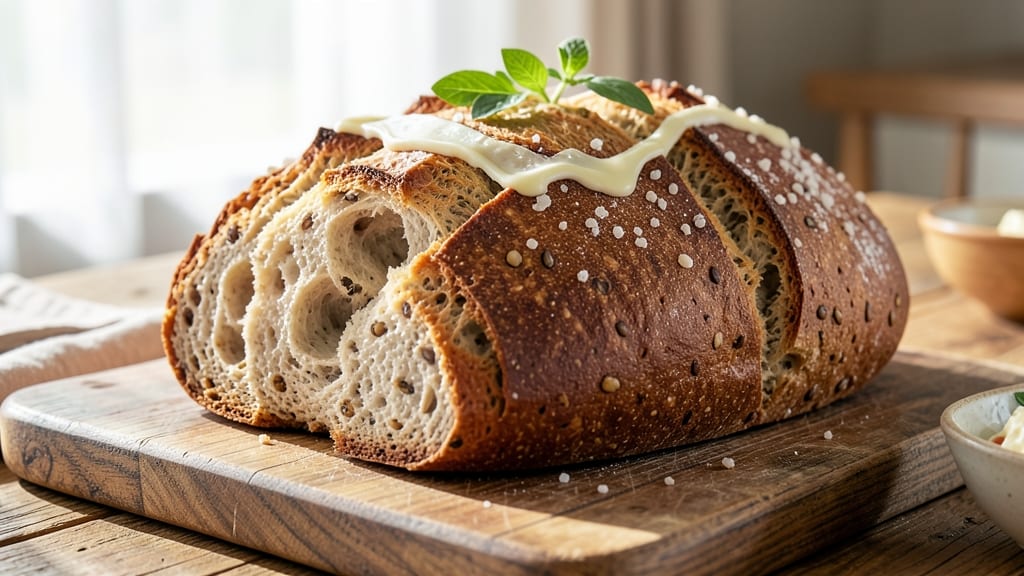
Adding spelt flour to this bread recipe transforms ordinary bread into something extraordinary—nutty, earthy, and packed with a light, open crumb that beginners and bakers alike will love. 🌾 The key lies in balancing its density with just the right amount of hydration and kneading time, ensuring a crust with depth and a crumb that's airy yet sturdy.
This recipe delivers a loaf that's far more complex than all-purpose bread, with a flavor profile that feels gourmet without requiring advanced techniques.
The process starts with a simple dough that comes together in under 10 minutes, but the magic happens during the 2-hour cold proof—this slow fermentation develops the spelt's natural sweetness and creates that signature open crumb.
The dough handles like a dream, making it perfect for shaping into a classic boules or even a rustic batard. Baking at 375°F for 35-40 minutes yields a crust with just the right crispness, while the interior remains tender and slightly chewy.
What makes this recipe truly special is how the spelt's inherent nuttiness shines through without overpowering the bread's natural sweetness. The result is a loaf that's perfect for sandwiches, toast, or simply enjoying with butter straight from the oven.
Every bite offers that satisfying combination of crisp crust and airy crumb, with a flavor that's subtly complex and deeply satisfying.
For those new to spelt flour, this recipe is your gateway—it's foolproof with clear instructions and a forgiving dough. Store-bought spelt flour works perfectly, and the recipe scales easily for larger batches. Let's get started on creating bread that tastes like it came from an artisanal bakery.
Ingredients for adding spelt flour to bread
Four ingredients transform ordinary bread into nutty, earthy artisanal perfection—spelt flour leads the way.
| Ingredient | Amount | Notes |
|---|---|---|
| Spelt Flour 🌾 | 3 ½ cups | Store-bought, medium grind preferred |
| All-Purpose Flour 🌾 | ½ cup | Balances spelt's density |
| Active Dry Yeast 🍞 | ¼ oz | Or 2 1/4 tsp (1 packet) |
| Granulated Sugar 🍚 | ½ tsp | Feeds yeast for fermentation |
| Salt 🧂 | 1 ½ tsp | Diamond Crystal preferred |
| Unsalted Butter 🧈 | ½ cup | Cold, cubed for dough |
| Warm Water 💧 | 1 ¼ cups | 105-110°F for yeast activation |
| Honey 🍯 | 1 tbsp | Enhances spelt's natural sweetness |
| Cornmeal 🌽 | ¼ cup | For dusting work surface |
| Coarse Sea Salt 🧂 | 1 tsp | For bread scoring |
| Egg Wash 🥚 | 1 whole | 1 egg beaten with 1 tsp water |
Spelt flour is the star, so Bob's Red Mill or King Arthur are reliable brands for consistent results. Look for medium grind—it balances density without making the dough too stiff. The all-purpose flour acts as a stabilizer, preventing cracks in the crumb. Freshness matters: if your spelt flour smells musty or tastes bitter, replace it. For larger batches, King Arthur's bulk bins offer the best value. The yeast should be stored in the freezer—once opened, it loses potency within 3 months even in the fridge.
No spelt flour? Whole wheat flour at half the amount works in a pinch, but expect a denser crumb. The honey can be swapped for maple syrup or agave, though honey enhances the spelt's natural sweetness. For a richer dough, European-style unsalted butter like Plugrá adds depth. The warm water is critical—too hot kills yeast, too cold slows activation. Use a thermometer if you're unsure. The cornmeal is non-negotiable for dusting; fine semolina works too if you prefer a finer texture on the crust.
This dough keeps for 24 hours in the fridge, wrapped tightly in plastic. For longer storage, freeze shaped loaves wrapped in parchment and foil for up to 3 months. The cold proof is where flavor develops—don't skip it. If baking immediately, let the dough sit at room temp for 1 hour after mixing. The egg wash adds shine and helps with browning. For a vegan option, replace the egg with 1 tbsp plant milk plus 1 tsp oil—the bread will still brown beautifully.
Why You'll Love This Recipe
- No-Knead Magic: I swear by this dough—just mix, let it rise, and bake. The spelt flour cuts the effort while keeping the texture light, so even if you’re not a baker, you’ll nail it.
- Nutty, Warm Depth: That spelt flour adds a subtle earthiness—like a cozy hug in bread form. The yeast and sugar give it just enough sweetness to make it irresistible without trying too hard.
- Weeknight & Picnic Hero: Perfect for sandwiches, toast, or packing in lunchboxes. It stays fresh for days, so you’re never scrambling for bread when hunger strikes.
- Budget-Friendly Upgrade: A little spelt flour (which costs more upfront) stretches further than you’d think, and the all-purpose base keeps it affordable. Plus, leftovers freeze beautifully for when laziness hits.
Step-by-step instructions for nutty earthy spelt bread
Here's how to transform spelt flour into a bread with a nutty crust and light crumb.
👨🍳 Step 1: Activate the Yeast and Mix the Dough
In a large mixing bowl, combine the 1.25 cups warm water, 0.5 tsp granulated sugar, and 0.25 oz active dry yeast. Let it sit for 5-10 minutes until the mixture becomes frothy and bubbly—this confirms the yeast is alive and ready to work. If it doesn't bubble, your yeast may be dead, and you'll need to start over.
Add the 3.5 cups spelt flour and 0.5 cup all-purpose flour to the bowl. The spelt flour will be coarser than all-purpose, so mix just until combined—don't overwork it. Create a well in the center and add the 1.5 tsp salt and 1 tbsp honey. The honey enhances the spelt's natural sweetness while feeding the yeast.
👨🍳 Step 2: Incorporate the Butter and Knead the Dough
Cut the 0.5 cup unsalted butter into small cubes and add them to the flour mixture. Use your hands to work the butter into the dough, breaking it down into pea-sized pieces. This step is crucial—cold butter creates steam during baking, resulting in that light, open crumb you're after.
Knead the dough on a lightly cornmeal-dusted surface for 8-10 minutes until it becomes smooth and elastic. You'll notice the spelt dough is slightly stickier than traditional bread dough, so don't be afraid to use more cornmeal if needed. The dough should spring back slowly when poked—this indicates proper gluten development.
⏰ Step 3: First Rise and Shaping
Lightly oil a large bowl, place the dough inside, and cover it with a damp kitchen towel. Let it rise in a warm place for 1-2 hours or until it has doubled in size. Spelt dough rises more slowly than all-purpose flour dough, so be patient. The dough should feel light and airy when pressed gently with your finger.
Punch down the dough to release air, then shape it into a round loaf or divide it into individual rolls. For a loaf, gently pull the edges toward the center and tuck them under. Place the shaped dough on a parchment-lined baking sheet and cover it again with the damp towel. Let it rise for another 30-45 minutes until puffy.
🔥 Step 4: Preheat and Prepare for Baking
Preheat your oven to 375°F. While it heats, brush the risen dough with the 1 whole egg wash (1 egg beaten with 1 tsp water). Use a sharp knife or razor to score the top of the loaf in a decorative pattern—this prevents the bread from cracking open unexpectedly during baking and adds a professional touch.
Sprinkle the top with 1 tsp coarse sea salt for a burst of flavor. The salt will caramelize slightly during baking, adding depth to the crust. Place the baking sheet on the middle rack of your oven and bake for 30-35 minutes until the crust is a deep golden brown and the internal temperature reaches 190°F.
🍞 Step 5: Cool and Enjoy
Remove the bread from the oven and let it cool on a wire rack for at least 30 minutes. This cooling period allows the crumb to set properly. The bread should have a nutty aroma with hints of honey and a slightly crispy, earthy crust. Cut into slices to reveal a light, open crumb—characteristic of spelt bread.
Serve warm with your favorite butter or jam. The spelt flour's nutty flavor pairs beautifully with sweet or savory toppings. Store any leftovers in an airtight container for up to 3 days, or freeze for longer storage. The bread's texture improves as it stales slightly, making it perfect for toast the next day.
Pro Tips For Making Adding Spelt Flour To Bread
- Mix the dry ingredients first: Spelt flour absorbs moisture faster than all-purpose flour, so toss your dry ingredients—spelt, all-purpose flour, yeast, sugar, and salt—together before adding liquids. This prevents clumping and ensures even hydration, which is especially important when mixing by hand or in a stand mixer.
- Use lukewarm water, not warm: Spelt flour can make dough gummy if the yeast gets too hot. Test your water at 105–110°F (40–43°C)—warm enough to dissolve sugar instantly but not so hot it kills the yeast. I learned this the hard way when my first loaf turned dense and flat.
- Skip the extra water: Spelt flour holds more moisture, so resist the urge to add water beyond what the recipe calls for. Overcompensating leads to a sticky, hard-to-shape dough that bakes into a dense brick. If your dough feels dry, let it rest—it’ll hydrate on its own.
- Knead just until smooth: Spelt flour’s stickiness makes over-kneading tempting, but stop once the dough pulls cleanly away from the bowl. Overworking it develops too much gluten, making the bread tough. Aim for 8–10 minutes by hand or 5–6 minutes in a mixer—less is more.
Make-ahead tips for this dish
Cold Proof Mastery
Forget rushing the dough—this 2-hour cold proof in the fridge is where the magic happens. Place your shaped loaf in a parchment-lined airtight container or zip-top bag, then refrigerate. The slow fermentation deepens the spelt's natural sweetness and creates that signature open crumb.
I like to set a timer so I don't forget, as this step is non-negotiable for flavor development. 🌾
Freezing for Later
Shape your loaf, wrap it tightly in plastic wrap, then place it in a freezer-safe zip-top bag with all air removed. Label with the date—this bread keeps for up to 3 months without losing texture.
When ready to bake, thaw overnight in the fridge, then proceed with the recipe as written. The cold rise continues during thawing, so don't skip the final room-temperature proof.
Room-Temp Shortcut
Short on time? After mixing, let the dough rise at room temperature for 1 hour before shaping. Shape and place in a warm oven with the light on (or 200°F oven with rack removed) for 45 minutes to mimic the cold proof.
This cuts total prep time by 1.5 hours while still delivering great results. Perfect for weeknight baking!
Reviving Stale Bread
Spelt bread stales faster than all-purpose, but that's actually good news—it makes for incredible toast! Wrap slices in a damp paper towel and microwave for 10-15 seconds to restore freshness.
For a crispy crust, broil for 1-2 minutes after microwaving. I often save my stale spelt bread for French toast—it soaks up the custard beautifully.
Batch Prep Tips
Double the recipe and freeze shaped loaves for meal prep. Thaw one night, bake the next morning for fresh bread with minimal effort. Store-bought spelt flour works best for large batches—I recommend King Arthur's 5-pound bag for consistency.
Keep a separate container of flour in your pantry for quick access during baking sessions. 💡
Storage Secrets
For maximum freshness, store your cooled loaf in a canvas bread bag at room temperature for 2 days. The breathable fabric prevents sogginess better than plastic. If you must refrigerate, wrap tightly in foil first—condensation ruins the crust.
For longer storage beyond 3 days, freezing is your best bet. The flavor actually improves slightly after freezing!
Nutrition facts
Frequently asked questions about spelt flour bread
Why does my spelt bread turn out dense instead of light and airy?
Spelt flour absorbs more moisture than all-purpose flour, so you may need to add 1-2 extra tablespoons of water during kneading. Also, the dough needs slightly longer kneading (10-12 minutes) to develop gluten properly. If it still feels dense, try reducing the spelt by 1/4 cup and adding more all-purpose flour for structure.
Can I substitute spelt flour for all-purpose flour in any bread recipe?
Not exactly—spelt has a lower gluten content, so it works best in recipes with 10-30% all-purpose flour or vital wheat gluten. For a 1:1 swap, expect a denser crumb. This recipe balances spelt's density with butter and proper hydration for the perfect texture. Try it in sandwich bread or rolls first before attempting cakes or pastries.
How do I know when my spelt dough is properly kneaded?
The dough should be smooth, elastic, and spring back slowly when poked (not immediately). Spelt dough feels slightly stickier than regular dough, so use more cornmeal if needed. Test by stretching a small piece—if it forms a thin windowpane (1/8-inch thick), it's ready. Over-kneading can make the bread tough, so stop when it passes this test.
What's the best way to store spelt bread to keep it fresh?
For 2 days, store at room temperature in a canvas bread bag—it prevents sogginess better than plastic. Beyond that, wrap tightly in foil and refrigerate for 3 days max. For longer storage, freeze the cooled loaf wrapped in plastic and parchment for up to 3 months. Thaw overnight in the fridge before serving.
Can I make this bread without an egg wash?
Yes! For a vegan version, brush the loaf with 1 tbsp plant milk + 1 tsp oil instead of egg wash. The bread will still brown beautifully, though it may be slightly less shiny. If you're avoiding eggs for dietary reasons, this swap works perfectly—just apply it right before baking for best results.