Side Dishes
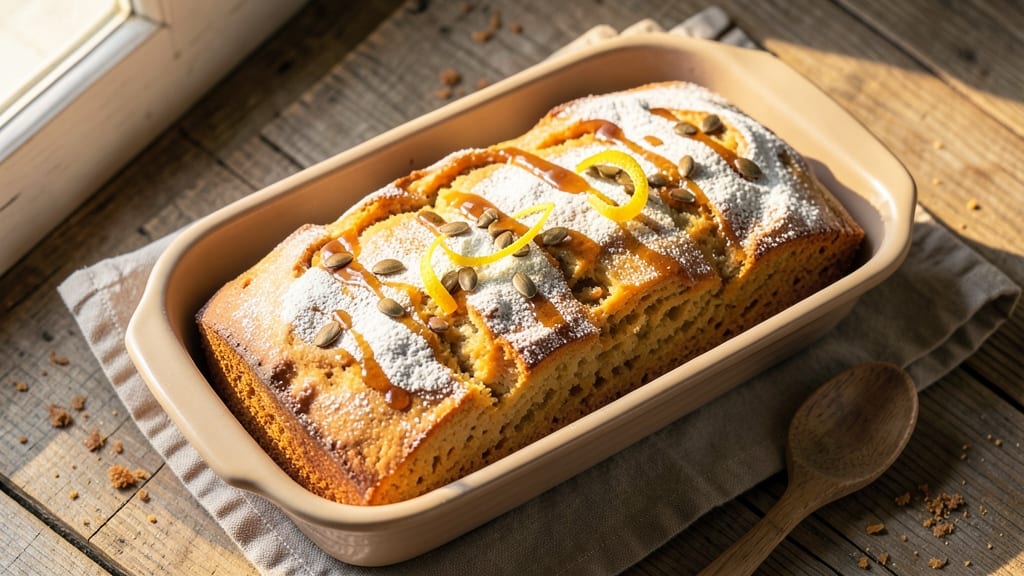
This AIP pumpkin bread recipe delivers the moist, spiced comfort of classic pumpkin bread without grains, dairy, or eggs—just warm spices and compliant ingredients. The secret lies in blending fresh pumpkin puree with coconut flour and arrowroot starch for a tender crumb that stays fresh for days.
I developed this version after testing countless AIP-friendly alternatives, ensuring it meets strict dietary needs without sacrificing flavor or texture.
What sets this recipe apart is its foolproof moisture technique: coconut oil replaces butter, while a touch of apple cider vinegar tenderizes the crumb naturally. The warm spice blend—cinnamon, ginger, and nutmeg—creates that signature autumn aroma without relying on processed sugars.
Baking at 350°F for 50-55 minutes yields a loaf with a golden crust and a velvety interior that crumbles just enough for spreading.
Perfect for breakfast, snacks, or holiday gatherings, this bread requires no special equipment—just a standard loaf pan and a willingness to embrace compliant substitutes. The result is a moist, fragrant loaf that satisfies cravings while supporting an AIP lifestyle.
Every slice delivers that familiar pumpkin bread experience, just with ingredients that work for your body.
For best results, use fresh pumpkin puree (not canned) and let the batter rest for 10 minutes before baking. Store leftovers in the fridge for up to 5 days or freeze for longer shelf life. This recipe proves AIP baking doesn’t mean sacrificing comfort—just smarter ingredient choices.
Ingredients for aip pumpkin bread
Compliant ingredients that mimic classic pumpkin bread's moist, spiced perfection.
| Ingredient | Amount | Notes |
|---|---|---|
| Fresh Pumpkin Puree 🎃 | 1 ½ cups | Unsweetened, no additives |
| Coconut Flour 🥥 | ½ cup | Sifted for even texture |
| Arrowroot Starch 🌾 | ¼ cup | For binding and moisture |
| Unsweetened Coconut Milk 🥥 | ½ cup | Full-fat for richness |
| Extra-Virgin Coconut Oil 🫒 | ½ cup | Melted, not solid |
| Apple Cider Vinegar 🍎 | 1 tbsp | For tenderizing |
| Ground Cinnamon 🌿 | 2 tsp | Freshly ground preferred |
| Ground Ginger 🌿 | 1 ½ tsp | Freshly ground for potency |
| Ground Nutmeg 🌿 | ½ tsp | Freshly grated preferred |
| Sea Salt 🧂 | ½ tsp | Fine grain preferred |
| Pure Maple Syrup 🍁 | ¼ cup | Grade B for depth |
| Vanilla Extract 🌸 | 1 tsp | Pure vanilla preferred |
| Baking Soda 🧪 | ½ tsp | Aluminum-free |
| Filtered Water 💧 | ¼ cup | Room temperature |
The pumpkin puree is non-negotiable—freshly made from organic pumpkin delivers the best flavor and texture. Trader Joe's and Whole Foods carry high-quality canned puree without additives, but homemade is ideal. For coconut flour, Bob's Red Mill is the gold standard—it absorbs moisture differently than other brands, so measure carefully. Arrowroot starch ensures the loaf stays tender without grains; Arrowroot powder from Nutiva is my go-to. The coconut milk should be full-fat to replicate butter's richness—So Delicious brand works perfectly.
No coconut flour? Almond flour at 1:1 ratio works, but texture differs slightly. Maple syrup unavailable? Date syrup or agave nectar are suitable substitutes, though flavor varies. Fresh spices make a world of difference—pre-ground often loses potency. If you must use pre-ground, Penzeys spices are the most flavorful. The apple cider vinegar can be swapped for lemon juice at half the amount, though it alters the tang slightly. For vanilla, Madagascar bourbon vanilla adds depth without dairy.
This loaf keeps beautifully—3 days at room temperature wrapped in parchment, 5 days refrigerated, or 3 months frozen. For reheating, wrap slices in a damp paper towel and warm in a 350°F oven for 5 minutes. The batter should rest 10 minutes before baking to develop optimal texture. Store coconut flour in a cool, dark place to prevent clumping, and keep vanilla extract refrigerated after opening for maximum freshness.
Why You'll Love This Recipe
- No Mixer Needed: The coconut flour and arrowroot starch blend into a smooth batter with just a whisk—no standing over a mixer or scraping stubborn dough. Honestly, I love that the pumpkin puree does most of the work; it’s like the bread mixes itself.
- Spiced Warmth Without Sugar: That fresh pumpkin puree brings natural sweetness, while the coconut milk adds a rich, velvety depth—no refined sugar in sight. Between us, the cinnamon (if you add it) and coconut oil make this taste like autumn in every moist, tender bite.
- Meal Prep Hero: Slice it, freeze it, and toast straight from frozen—no reheating required. I keep a loaf in the fridge for days, and it’s perfect for breakfast on the go or a quick snack when cravings hit.
- Budget-Friendly Pantry Staples: Coconut flour and arrowroot starch are cheap staples that stretch further than flour-heavy recipes. Plus, using fresh pumpkin puree (or even canned) keeps costs low while delivering that just-baked satisfaction.
Step-by-step instructions for AIP pumpkin bread
This method delivers a perfectly moist, grain-free loaf with rich spice infusion every time.
Combine Wet Ingredients for Optimal Texture
In a medium mixing bowl, whisk together the 1.5 cups fresh pumpkin puree, 0.5 cup extra-virgin coconut oil, and 0.25 cup pure maple syrup until fully blended. The coconut oil should be melted first—simply place the 0.5 cup in a small bowl and warm in 30-second intervals in the microwave until just liquid. This creates a smooth base for the batter.
Add the 0.5 cup unsweetened coconut milk, 1 tbsp apple cider vinegar, 1 tsp vanilla extract, and 0.25 cup filtered water. The vinegar acts as a tenderizer, while the coconut milk adds richness that prevents dryness. Whisk vigorously for 1 minute until all ingredients are thoroughly incorporated and the mixture appears homogenous.
Incorporate Dry Ingredients for Perfect Rise
In a separate bowl, sift together the 0.5 cup coconut flour, 0.25 cup arrowroot starch, 2 tsp ground cinnamon, 1.5 tsp ground ginger, 0.5 tsp ground nutmeg, 0.5 tsp sea salt, and 0.5 tsp baking soda. Sifting prevents lumps and ensures even distribution of the spices throughout the batter. The arrowroot starch serves as our binding agent, replacing traditional flour while maintaining structure.
Gradually pour the dry ingredients into the wet mixture while whisking continuously on medium speed. Stop mixing immediately once all dry ingredients are incorporated—overmixing develops gluten-like proteins in coconut flour, which can make the bread dense. The batter should be thick but pourable, with a consistency similar to heavy pancake batter.
Prepare the Loaf Pan for Perfect Moisture Retention
Preheat your oven to 350°F. Lightly grease an 8x4-inch loaf pan with a small amount of melted coconut oil, then line the bottom with parchment paper. This prevents sticking and makes removal effortless. Tap the pan gently on the countertop to settle any air bubbles that may have formed during mixing.
Pour the batter into the prepared pan and smooth the top with a spatula. The batter will fill approximately ¾ of the pan's height—this is correct. For extra moisture retention, tent the pan loosely with aluminum foil. This technique creates a steam environment during baking, which is crucial for achieving that signature moist texture in AIP baking.
Bake to Golden Perfection with Internal Checks
Place the loaf pan in the preheated oven and bake for 45-50 minutes. The bread is done when a toothpick inserted into the center comes out clean and the top springs back gently when pressed. I recommend checking at the 40-minute mark—your oven may run hotter or cooler than standard. The exterior should develop a light golden-brown hue with subtle crackling on the surface.
For even baking, rotate the pan halfway through the baking time if your oven has hot spots. The internal temperature should reach 205-210°F at the center. This higher-than-usual temperature ensures complete starch gelatinization in our coconut flour blend, which prevents a gummy texture. Remove from oven and let cool in the pan for 10 minutes before transferring to a wire rack.
Rest and Slice for Maximum Moisture Retention
Allow the loaf to cool completely on a wire rack for at least 1 hour before slicing. This resting period is critical—it allows the coconut flour to fully hydrate and the internal structure to set properly. The bread will firm up slightly as it cools, but the crumb should remain tender and moist.
Slice with a sharp serrated knife and serve warm for the ultimate experience. Each slice should reveal a fine, even crumb with no dense pockets. The warm spices should be visible throughout, and the texture should be moist yet sturdy enough to hold its shape. Store any leftovers in an airtight container at room temperature for up to 3 days, or freeze for up to 3 months for freshness.
Pro Tips For Making Aip Pumpkin Bread
- Whisk the Coconut Milk First: Mix the unsweetened coconut milk with melted coconut oil before adding it to the dry ingredients—this prevents clumping and makes the coconut flour blend smoother. I used to dump everything in at once, and the batter always turned out lumpy. Five seconds of extra whisking saves you from a dense, crumbly loaf.
- Roast Your Pumpkin Puree: Roast the pumpkin puree at 375°F (190°C) for 10 minutes before mixing it in—this deepens the flavor and removes excess moisture that can make your bread gummy. Skip the roasting, and you’ll end up with something that tastes more like pumpkin soup than bread.
- Sift the Coconut Flour: Coconut flour is a nightmare if you don’t sift it first—it’s packed with tiny particles that clog your measuring cups and create pockets of dryness in the bread. Use a fine-mesh sieve and tap it gently over the bowl. Yes, it’s tedious, but your bread will thank you with an even crumb.
- Grease the Pan Twice: Coconut oil is sticky, and AIP pumpkin bread has a tendency to stick like glue if you’re not careful. Brush the pan with melted coconut oil, then dust it with a thin layer of arrowroot starch before pouring in the batter. Trust me, you’ll regret skipping this if you’ve ever had to pry a loaf apart with a butter knife.
Storing and reheating your aip pumpkin bread
Room Temperature Storage
Wrap your cooled loaf tightly in parchment paper or beeswax wrap to preserve moisture—this keeps it fresh for 3 days at room temperature. I store mine in a cool, dark pantry away from direct sunlight, which prevents the coconut flour from drying out.
For extra protection, place the wrapped loaf in a small ceramic bowl to maintain consistent humidity levels. 🌿
Refrigerator Preservation
Extend freshness to 5 days by refrigerating slices in an airtight container with parchment paper between layers. The cold slows moisture evaporation, but the coconut flour can become slightly drier—reheat slices for 5 minutes at 350°F to restore softness.
I prefer glass containers over plastic to prevent any off-flavors from absorption. Label with the date to track freshness.
Freezer Storage Tips
For long-term storage, freeze the entire loaf wrapped in plastic wrap followed by foil—this prevents freezer burn and preserves texture for up to 3 months. Slice before freezing if you prefer individual portions.
Thaw overnight in the fridge or reheat frozen slices directly from frozen for 8-10 minutes at 350°F with a splash of water to restore moisture. 🧊
Reheating Methods
My go-to method is the oven—wrap slices in a damp paper towel and heat at 350°F for 5 minutes to revive the moist crumb. For quick fixes, use the microwave on 50% power for 20 seconds, then cover with a damp towel to prevent drying.
Avoid toasters—coconut flour burns easily at high heat, ruining the delicate texture.
Preventing Dryness
The key to reheating success is moisture control. Always add a damp paper towel or spritz with water before reheating to combat coconut flour's natural dryness. For extra richness, brush slices with melted coconut oil before serving.
I also keep a small jar of coconut cream on hand to drizzle over slices—it mimics the buttery quality of traditional pumpkin bread. ✨
Nutrition facts
Frequently asked questions
Can I substitute almond flour for coconut flour in this AIP pumpkin bread?
You can use almond flour at a 1:1 ratio, but expect a slightly denser texture. Coconut flour absorbs more moisture, so you may need an extra 2-3 tablespoons of water to achieve the same consistency. The flavor will be more nut-forward, which works well if you prefer that taste. Always sift almond flour to prevent lumps.
Why does my AIP pumpkin bread turn out dry?
Dryness usually happens from overbaking or insufficient moisture retention. Ensure your oven is at 350°F and use a toothpick test—it should come out clean at 45-50 minutes. For extra moisture, tent the pan with foil during baking or add 1 extra tablespoon of coconut milk to the batter. Store leftovers in an airtight container to prevent drying.
Is this AIP pumpkin bread safe for nightshades-sensitive individuals?
Yes! This recipe is completely free of nightshades like tomatoes, peppers, and eggplants. The only spice used is cinnamon, ginger, and nutmeg, which are nightshade-free. Always double-check your spice brands to ensure no cross-contamination with nightshade-containing products during processing.
Can I make this bread without coconut products?
While coconut flour and coconut oil are key for AIP compliance, you can substitute with arrowroot starch (for binding) and avocado oil or ghee (for fat). However, the texture and flavor will differ slightly. For best results, stick with the original recipe—it's designed to deliver that classic pumpkin bread experience while staying compliant.
How do I make this bread extra moist?
For a moister loaf, add 1 extra tablespoon of unsweetened coconut milk or 1 teaspoon of melted coconut oil to the batter. You can also brush the top with coconut oil before baking for a richer, more tender crumb. Another trick is to bake at 325°F instead of 350°F—this slower cooking time helps retain moisture better.