
Side Dishes
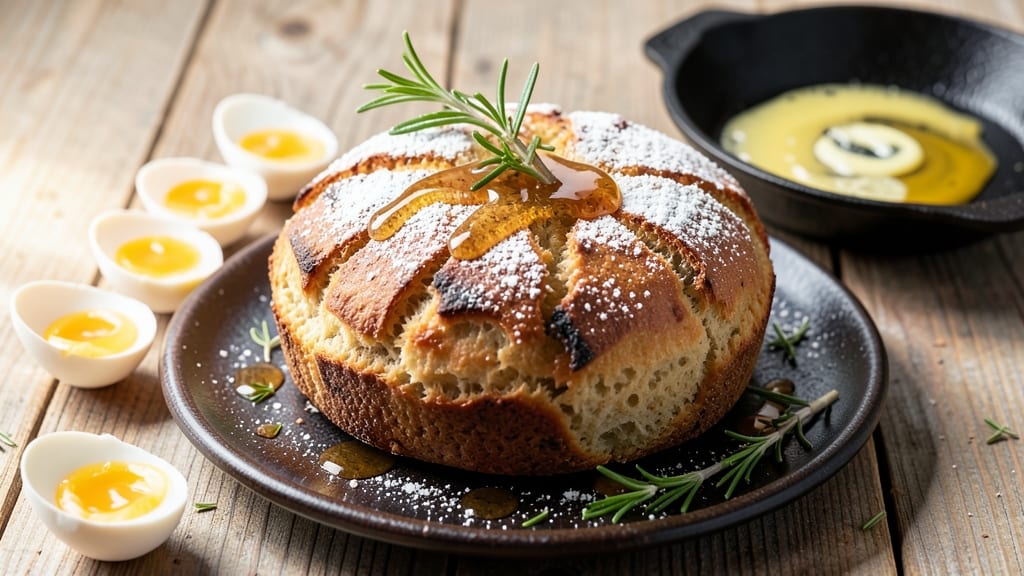
This Alembong bread recipe brings the nostalgic sweetness of Filipino home baking to your kitchen with its signature coconut swirls. 💛 The secret lies in the tender, slightly chewy texture created by a simple yet precise dough formula, balanced perfectly with sweetened coconut filling that melts into golden strands as it bakes.
What makes this recipe special is its cultural heritage—traditionally served during special occasions, it’s now a beloved comfort food that’s easier to make than you’d think.
Preparing Alembong bread requires just a handful of ingredients: all-purpose flour, sugar, milk, eggs, and of course, desiccated coconut. The dough comes together in minutes, then rests while you prepare the coconut filling—a mix of sweetened coconut, butter, and a touch of vanilla.
The shaping is where the magic happens: rolling out the dough, spreading the filling, and folding it into those iconic swirls that give Alembong its name.
Baking transforms the dough into a soft, pillowy loaf with crisp edges and a fragrant aroma that fills your home. The coconut filling softens just enough to create those signature strands, making every bite a perfect balance of sweetness and texture.
This bread is perfect for breakfast, merienda (Filipino snack time), or as a gift—its beauty and taste make it a standout.
The best part? This recipe delivers restaurant-quality results with minimal effort. Whether you’re baking for family gatherings or treating yourself to a taste of home, Alembong bread is a celebration in every bite. Let’s get started on creating this Filipino classic.
Ingredients for alembong bread
Six simple ingredients transform into nostalgic Filipino swirls—just flour, sugar, butter, eggs, coconut, and milk for magic.
| Ingredient | Amount | Notes |
|---|---|---|
| All-Purpose Flour 🌾 | 4 cups | Sifted for light texture |
| Granulated Sugar 🍚 | ¾ cup | White or brown for depth |
| Unsalted Butter 🧈 | ½ cup | Softened to room temp |
| Large Eggs 🥚 | 2 whole | Room temperature for mixing |
| Milk 🥛 | ½ cup | Whole milk preferred |
| Instant Yeast 🍞 | 2 tsp | Active dry works too |
| Salt 🧂 | ½ tsp | Fine sea salt preferred |
| Sweetened Desiccated Coconut 🥥 | 1 ½ cups | Unsweetened plus extra sugar |
| Vanilla Extract 🌸 | 1 tsp | Pure vanilla preferred |
| Granulated Sugar 🍚 | ¼ cup | For coconut filling |
| Unsalted Butter 🧈 | ¼ cup | Cold for filling texture |
| Powdered Sugar 🍚 | 1 tbsp | For dusting loaf |
The coconut is everything here. Filipino markets have the best sweetened desiccated coconut—Malayan brand if you can find it. Unsweetened works too, but add 1 extra tablespoon sugar per cup. The butter needs to be soft for the dough but cold for the filling—room temp butter for dough, chilled for filling. Eggs should be at room temperature for even mixing. For yeast, Fleischmann's instant is my go-to, but any active dry works if you proof it first. The flour? King Arthur or Gold Medal for consistent results—don't skimp here.
No sweetened coconut? Mix unsweetened coconut plus 1 tbsp sugar per cup. Out of vanilla? Almond extract at half the amount works in a pinch. The dough gets sticky—don't overwork it, just fold until combined. For shaping, parchment paper makes rolling and swirling 10x easier. The filling can be prepped while dough rests—just 5 minutes of mixing coconut, butter, and sugar. No powdered sugar for dusting? Granulated sugar crushed in a food processor works perfectly. The swirls are the fun part—go for 3-4 even layers for classic Alembong.
This bread keeps beautifully. Room temp for 2 hours in a bread bag, then 3 days wrapped at room temp. For longer storage, freeze slices for up to 3 months—just thaw at room temp before serving. The coconut filling gets even better after 24 hours as the flavors meld. I always make a double batch—one for breakfast, one for gifts. The aroma while baking? Worth every minute of prep time.
Why You'll Love This Recipe
- No Mixer Needed: I swear by this dough—just a bowl, a fork, and my hands. The butter gets cut into the flour until it’s the size of peas, and the sugar-milk-egg combo comes together like a dream. My kids think it’s magic (fine by me).
- Sweet Butter Magic: That sugar-butter ratio? Chef’s kiss. The crust gets just enough golden crispness while the inside stays tender, almost like a cross between brioche and a quick bread. Honestly, I’ll take this over store-bought any day—especially when it’s still warm.
- Breakfast or Dessert: Serve it toasted with jam for a lazy Sunday morning, or slice it for a snack with coffee. I’ve even used it as a base for French toast—yes, even on a Tuesday night. The richness cuts through anything.
- Budget-Friendly Staples: Flour, sugar, butter, eggs, milk—I already had everything. No fancy ingredients, no last-minute grocery runs. And leftovers? They last a week if you’re smart (though I rarely am). Perfect for when you want something special without breaking the bank.
Step-by-step instructions for Alembong bread
Get ready to create this iconic Filipino sweet bread with its signature coconut swirls!
👨🍳 Step 1: Mix the Dough for Perfect Texture
In a large mixing bowl, combine the 4 cups All-Purpose Flour, 0.75 cup Granulated Sugar, 2 tsp Instant Yeast, and 0.5 tsp Salt. Whisk everything together until evenly distributed. This ensures your bread gets that light, airy texture we all love.
Create a well in the center and add the 0.5 cup Unsalted Butter (softened), 2 whole Large Eggs, 0.5 cup Milk, and 1 tsp Vanilla Extract. Using a wooden spoon or dough whisk, gently mix until a shaggy dough forms. The dough should be sticky but manageable—this is normal for Alembong bread!
Transfer the dough to a lightly floured surface and knead for about 5-7 minutes until smooth and elastic. You'll know it's ready when it springs back slightly when poked. If it's too sticky, add just enough flour to make it workable—about 1-2 tablespoons max. Shape into a ball, place in a greased bowl, cover with a damp towel, and let rise in a warm place for 1-1.5 hours or until doubled in size.
🥘 Step 2: Prepare the Coconut Filling
While the dough rises, make the coconut filling by combining 1.5 cups Sweetened Desiccated Coconut, 0.25 cup Granulated Sugar, and 0.25 cup Unsalted Butter (cold) in a medium bowl. Mix until well combined—this should form a thick, spreadable paste. The cold butter helps create that perfect firm yet creamy texture in the finished bread.
Set this mixture aside while you finish preparing the dough. Here's a pro tip: if your coconut is too dry, add 1-2 teaspoons of milk to help it bind together. The filling should hold its shape when scooped but still be spreadable—this is crucial for those beautiful swirls!
🍳 Step 3: Shape and Fill the Bread
Once your dough has risen, punch it down to release air and divide it into 3 equal pieces. Roll each piece into a 12-inch circle on a lightly floured surface—about ¼-inch thick. This even thickness is key for consistent baking.
Spread about ⅓ of the coconut filling evenly over each circle, leaving a ½-inch border around the edges. Then tightly roll each circle into a log, sealing the edges well. Place the filled logs seam-side down in a 9x5-inch loaf pan (greased and floured). The logs should fit snugly side by side—this creates those classic Alembong swirls when sliced!
🔥 Step 4: Bake to Golden Perfection
Preheat your oven to 350°F. Bake the bread for 30-35 minutes until the top is golden brown and a toothpick inserted comes out clean. The bread should smell heavenly—like warm coconut and vanilla—when it's done.
Let the bread cool in the pan for 10 minutes, then carefully invert onto a wire rack. Dust the top generously with 1 tbsp Powdered Sugar while still warm. This step is important—it gives that signature sweet finish that makes Alembong bread so special!
Slice while still slightly warm for the perfect texture: soft, fluffy layers with creamy coconut filling peeking through. Serve warm with a cup of coffee or hot chocolate for the ultimate Filipino treat!
Pro Tips For Making Alembong Bread
- Mix Butter to Sugar First: I learned this the hard way—skipping this step makes your dough dry and crumbly. Cream the butter and sugar until it’s pale and fluffy (about 3-4 minutes), then add the eggs one at a time. That sugar needs to dissolve fully into the butter, or your bread will taste grainy and lack that rich, tender bite.
- Use Room-Temp Ingredients: Cold butter and eggs? Don’t. Take them out of the fridge at least 1 hour before mixing—cold fat cuts into flour unevenly, and cold eggs won’t emulsify right. Your dough will be smoother, and the crumb will be lighter. (Yes, even if you’re impatient like me.)
- Don’t Overmix the Dough: Once you fold in the flour, stop when it just comes together. Overmixing develops gluten, and alembong bread should be soft, not chewy. The moment the dry ingredients disappear, scrape the dough into a bowl—no need to knead. This keeps the texture tender and pillowy.
- Bake Until Internal Temp Hits 200°F: Alembong bread is done when the center reads 200°F (93°C), not when it looks golden. I used to pull it out too early, and it’d keep cooking on the wire rack, turning dense. A toothpick should come out with a few moist crumbs, not wet batter. (Your future self will thank you.)
Storing and reheating your leftovers
Room-Temp Storage
Alembong bread stays fresh at room temperature for 2-3 days when stored properly. After baking, let it cool completely, then wrap tightly in a bread bag or plastic wrap. Place it in a cool, dry spot away from direct sunlight—I keep mine in a bread box or ceramic jar.
The coconut filling actually improves in flavor over time, becoming more fragrant and tender. For best results, store in 60-70°F environments to prevent sogginess. 🌡️
Freezer Preservation
Freezing is the best way to extend Alembong's shelf life for up to 3 months. Slice the bread into ½-inch pieces before freezing—this prevents freezer burn and makes serving easier. Wrap each slice individually in plastic wrap, then place them in a freezer bag with all air removed.
Label with the date and store in the coldest part of your freezer. Thaw slices at room temperature for 30-60 minutes before serving—no reheating needed! ❄️
Reheating Methods
For that fresh-from-oven experience, reheat slices in a 350°F oven for 5-7 minutes on a baking sheet lined with parchment paper. Wrap the bread in foil for the first 3 minutes to prevent over-browning.
Alternatively, use the microwave on 50% power for 20-30 seconds—just enough to warm through without drying out. I find the oven method preserves the coconut filling's creaminess best. 🔥
Reviving Stale Bread
If your Alembong bread loses its softness, don't toss it! Place slices in a 350°F oven for 3-5 minutes with a damp paper towel covering them. The steam helps restore moisture. For extra tenderness, brush with a little milk or water before reheating.
This trick works wonders for bread that's been stored for 3-4 days. The coconut filling remains delicious even after reheating! 💫
Packaging for Gifts
When sharing Alembong bread as a gift, slice it into ½-inch pieces and wrap individually in parchment paper. Place slices in a gift box lined with tissue paper, then seal with a ribbon. Add a small jar of powdered sugar for dusting on top as a bonus.
This presentation makes it perfect for special occasions—just like my lola used to do! The bread stays fresh for 2 days at room temperature when properly packaged. 🎁
Nutrition facts
Frequently asked questions
Why does Alembong bread have swirls?
The iconic swirls come from rolling the dough into logs with coconut filling, then arranging them side by side in the pan. When sliced, the layers create those beautiful spiral patterns! This technique also helps distribute the filling evenly throughout each slice.
Can I make Alembong bread without sweetened coconut?
Yes! Mix unsweetened desiccated coconut with an extra 1 tablespoon sugar per cup to match the sweetness. For best results, add 1 teaspoon milk to help bind the mixture—this ensures the filling stays spreadable and creamy.
What if my dough doesn't rise properly?
Check your yeast first—it should be fresh (test by dissolving in warm water with sugar for bubbles). Keep the dough in a warm place (80-85°F) for rising, or place the bowl on top of a low oven with light on. If using active dry yeast, proof it in warm milk for 5 minutes before mixing.
How do I get the perfect coconut swirls?
Roll each dough circle ¼-inch thick and spread filling within a ½-inch border. Seal the edges tightly when rolling, then place logs seam-side down in the pan. Arrange them snugly—this creates the classic swirl pattern when sliced! Use a sharp knife to cut clean slices.
Can I make Alembong bread without a loaf pan?
Yes! Shape the filled dough logs into a round loaf on a parchment-lined baking sheet. Bake at 350°F for 25-30 minutes until golden. For extra fluffiness, brush the top with milk or egg wash before baking. The texture will be slightly different but still delicious!