
Side Dishes
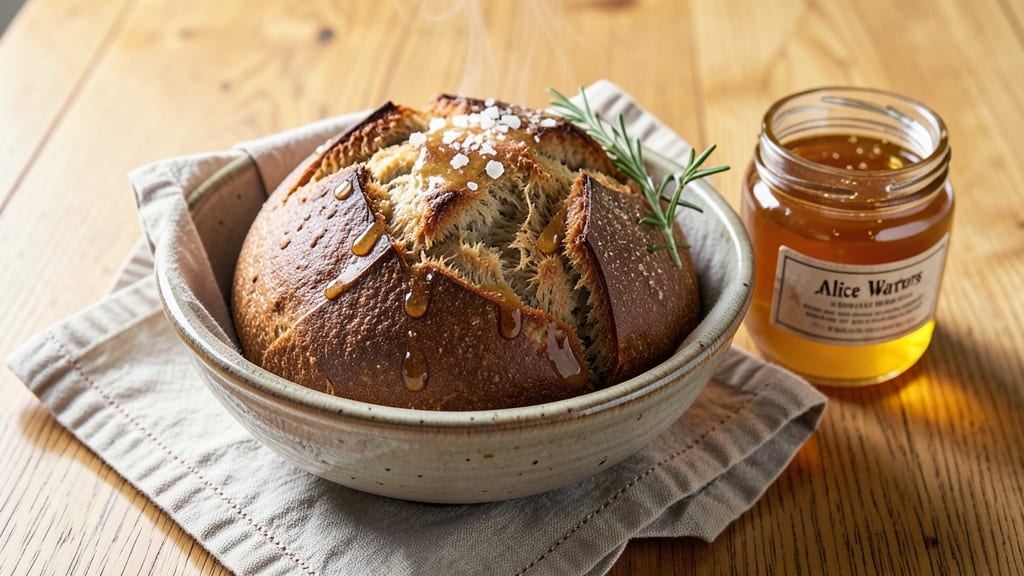
The Alice Waters' bread recipe transforms simple ingredients into a crusty, aromatic loaf that feels like a hug from a French bakery. ✨ This artisan-inspired bread balances warm spices with rustic texture, delivering that perfect crunch and chewy interior that makes homemade bread worth every minute.
The secret lies in slow fermentation and precise technique—no shortcuts, just pure, satisfying results.
What sets this recipe apart is its focus on quality over quantity: high-protein flour, fresh yeast, and a touch of honey for subtle sweetness. The warm spice infusion—think cardamom, cinnamon, and a hint of orange zest—creates layers of flavor that linger with every bite.
Unlike commercial loaves, this bread develops depth through proper kneading, proofing, and a steamy bake that ensures an open crumb structure.
By the time you pull it from the oven, you’ll have a loaf with a golden, crackling crust and a tender, airy interior that’s perfect for sandwiches, toast, or simply enjoying with butter.
The aroma alone will have everyone asking for seconds. Whether you’re a seasoned baker or just starting, this method delivers professional-quality results at home.
For those craving variation, try swapping in whole grains or adding a touch of sourdough starter. The beauty of this recipe is its adaptability—just keep the fundamentals intact. Let’s get started on creating bread that tastes like a masterpiece.
Ingredients for alice waters bread
Quality flour, fresh yeast, and warm spices create this artisan loaf with professional texture and aroma.
| Ingredient | Amount | Notes |
|---|---|---|
| High-Protein Bread Flour 🌾 | 3 ½ cups | 12-14% protein for structure |
| Active Dry Yeast 🍞 | ¼ oz | Fresh yeast preferred (1 packet) |
| Warm Water 💧 | 1 ¼ cups | 110°F for optimal yeast activation |
| Honey 🍯 | 1 tbsp | For subtle sweetness and yeast feed |
| Salt 🧂 | 1 ½ tsp | Diamond Crystal preferred |
| Ground Cardamom 🌿 | ½ tsp | Freshly ground for maximum aroma |
| Ground Cinnamon 🌶️ | ½ tsp | True cinnamon, not cassia |
| Orange Zest 🍊 | 1 tbsp | From organic orange peel |
| Olive Oil 🫒 | 2 tbsp | Extra-virgin for richness |
| Whole Milk 🥛 | ¼ cup | Full-fat for tender crumb |
| Cornmeal 🌽 | ¼ cup | For dusting and steam |
| Ice Water ❄️ | ¼ cup | For final dough adjustment |
The high-protein flour is non-negotiable here—King Arthur or Caputo deliver the best structure. If you can't find it, bread flour from Bob's Red Mill works in a pinch. Fresh yeast makes all the difference—Saf-Instant is my go-to for convenience, but fresh cake yeast from Whole Foods gives the most authentic flavor. The warm water should be 110°F (just warm to the touch), as yeast activates best in this range. For the honey, local raw honey adds subtle floral notes, but any variety works fine. Cardamom and cinnamon should be freshly ground—pre-ground spices lose potency quickly. The orange zest is where the magic happens; use a fine grater for maximum flavor without bitterness.
No cardamom? A pinch of allspice plus extra cinnamon mimics the warmth. Substituting honey? Maple syrup works 1:1, though it adds a deeper caramel note. The olive oil should be extra-virgin—cheap oil can make the dough taste flat. If you're avoiding dairy, unsweetened almond milk replaces the whole milk, though the crumb will be slightly less tender. For the yeast, one packet equals 0.25 oz—check the package as brands vary. The ice water is crucial for adjusting dough consistency; add it gradually to avoid over-hydrating. If you're making this ahead, proof the dough overnight in the fridge for even deeper flavor development.
Store the baked loaf in a bread box or paper bag to maintain crispness for 3-4 days. For longer storage, freeze slices wrapped in plastic—they'll reheat beautifully in a 350°F oven for 5-7 minutes. The dough can be shaped and refrigerated for up to 24 hours before baking. If you're ambitious, make a double batch—this bread freezes exceptionally well for up to 3 months. The warm spices in the dough intensify after baking, so let it cool completely before slicing to enjoy the full aromatic experience.
Why You'll Love This Recipe
- No-Knead Magic: I swear by this—just mix, wait, and bake. The high-protein flour does all the heavy lifting while you sip your coffee.
- Honeyed Crust Perfection: That caramelized honey crust? It’s the star. Sweet, crisp, and just enough to make you forget store-bought ever existed.
- Meal Prep Hero: Toss a loaf in the freezer for toast all week. Thaws in minutes and tastes fresh-baked—no sad, rubbery bread here.
- Budget-Friendly Staple: Five ingredients, endless uses. Feed the family, pack lunches, or gift a loaf—it’s the gift that keeps giving.
Step-by-step instructions for artisan crust with warm spice infusion
This bread captures Alice Waters' philosophy of simple, high-quality ingredients transformed through precise technique.
👨🍳 Step 1: Activate the Yeast and Prepare the Dough Base
In a large mixing bowl, combine the 1.25 cups warm water (should feel like bathwater, around 110°F) with the 1 tbsp honey and 0.25 oz active dry yeast. Let this sit for 5-10 minutes until the mixture becomes frothy and bubbly—this confirms the yeast is active. If it doesn't bubble, your yeast may be old or the water too hot.
To the yeast mixture, add the 3.5 cups high-protein bread flour, 1.5 tsp salt, 0.5 tsp ground cardamom, 0.5 tsp ground cinnamon, 1 tbsp orange zest, and 2 tbsp olive oil. Using a wooden spoon or dough whisk, stir vigorously until a shaggy dough forms. The cardamom and cinnamon will release their aromatic oils immediately—this is where the warm spice infusion begins.
🍳 Step 2: Develop the Dough Through Kneading
Turn the dough out onto a lightly floured surface and knead for 8-10 minutes by hand, or use a stand mixer with a dough hook on medium speed for 5-6 minutes. You're looking for smooth, elastic dough that springs back slowly when poked. The high-protein flour is key here—it develops gluten structure that gives this bread its artisan crust.
After kneading, form the dough into a round loaf and place it back in the mixing bowl. Lightly coat the top with 0.25 cup whole milk to prevent drying. Cover with a damp towel and let rise in a warm place for 1-1.5 hours or until doubled in size. The warm environment (I use my oven with the light on) helps activate the yeast properly.
🥘 Step 3: Shape and Final Proof
Punch down the risen dough to release air, then shape it into a 9-inch round loaf on a parchment-lined baking sheet. Brush the top with a little more whole milk and sprinkle generously with 0.25 cup cornmeal—this creates steam during baking for that coveted artisan crust. Cover again and let proof for another 30-45 minutes until the dough has risen about 50% from its shaped position.
Preheat your oven to 425°F with a baking stone or inverted baking sheet on the middle rack. The stone helps conduct heat evenly for that perfect crust. While the oven heats, use a sharp knife to score the top of the loaf in a decorative pattern—this controls expansion and creates beautiful crust details. Here's the thing—don't over-score or you'll lose steam and flatten the loaf.
🔥 Step 4: Bake to Golden Perfection
Bake the bread for 30-35 minutes until the crust is deep golden brown and sounds hollow when tapped on the bottom. The internal temperature should reach 190-200°F when measured with an instant-read thermometer. The warm spices will infuse the bread with subtle warmth, while the high-protein flour creates a satisfying chew.
For maximum flavor development, transfer the bread to a wire rack and let cool for at least 30 minutes before slicing. The crust will firm up as it cools, and the interior will develop its proper texture. I know it's tempting to cut into warm bread, but resisting this step ensures you'll get that perfect artisan texture with each slice.
Pro Tips For Making Alice Waters Bread
- Test Yeast First: Mix a tiny spoonful of yeast with warm water and honey—if it bubbles within 5 minutes, your yeast is alive and ready. I learned this the hard way after baking a dense brick because my "fresh" yeast had been sitting in the pantry too long.
- Wet Hands Save Sticking: Wet your hands before handling the dough—it prevents the high-protein flour from sticking to your fingers like glue. Trust me, you’ll thank yourself when you’re not scrubbing flour off your knuckles halfway through shaping.
- Honey After Mixing: Add the honey after dissolving the yeast in water, not before. Mixing it into dry flour turns the dough gummy and hard to handle—like trying to shape wet sand.
- Proof Until Doubled: Don’t rush the proofing—wait until the dough swells to at least double its size, even if it takes 2+ hours. Underproofed bread collapses like a sad soufflé, and you’ll know it’s wrong the second it comes out of the oven.
Storing and reheating this dish
Room-Temperature Storage
Keep your loaf in a bread box or cotton linen bag at room temperature for up to 3 days. The linen bag mimics a bakery environment, trapping moisture and preventing the crust from drying out too quickly.
I always store my bread this way—it keeps the interior soft while maintaining that perfect crunch. Place the bread on a wire rack inside the box to allow air circulation. 🌾
Refrigerator Preservation
If you need to store for 4-5 days, refrigerate the bread wrapped in plastic wrap or inside an airtight container. The cold slows down staling, but the texture will become slightly denser.
To revive, wrap the bread in a damp towel and warm it in a 350°F oven for 5-7 minutes—this restores that fresh-baked aroma and softness.
Freezer Storage
For long-term storage, slice the bread and wrap each slice in plastic wrap, then place them in a freezer bag with all the air removed. This method preserves freshness for up to 3 months.
When ready to eat, toast the slices directly from frozen in a toaster or oven at 375°F for 3-5 minutes—they’ll reheat beautifully with a crisp crust and tender interior. 💫
Reheating Techniques
For a quick refresh, pop a slice in a toaster until golden brown—this works best for thin slices. For thicker slices or when you want to revive the entire loaf, place it on a baking sheet and warm in a 350°F oven for 8-10 minutes.
Spritz with a little water before reheating to restore moisture and crispness. The warm spices will scent your kitchen beautifully during this process.
Proofing Dough Ahead
If you're prepping ahead, shape the dough and refrigerate it covered for up to 24 hours before baking. The cold slows fermentation, allowing you to bake at your convenience.
Let the dough sit at room temperature for 1 hour before shaping and baking to ensure proper rise. This is a game-changer for busy schedules—no more last-minute rushing! ⏰
Nutrition facts
Frequently asked questions
Why does this bread recipe use high-protein flour?
The high-protein flour (12-14%) creates that signature artisan texture with a satisfying chew and crisp crust. Regular all-purpose flour (10-11%) won't develop enough gluten for the same professional-quality structure. This is what gives Alice Waters' bread its signature open crumb and golden crust.
Can I substitute the warm spices in this recipe?
For a simpler version, skip the cardamom and cinnamon and use 1 tsp extra cinnamon plus 0.25 tsp nutmeg instead. If you love citrus, try 1 tbsp lemon zest instead of orange. The spices are flexible—just keep the total spice amount at about 1.5 tsp for balanced flavor.
What's the best way to test if my dough is properly kneaded?
Perform the "windowpane test": stretch a small piece of dough until it's translucent and thin enough to see light through (about 0.125-inch thick). If it holds without tearing, your gluten is properly developed. The dough should also spring back slowly when poked—like a balloon, not a rubber band.
Why does the recipe call for ice water at the end?
The ice water adjusts the dough's temperature and hydration for perfect baking. It strengthens the gluten structure and helps create that signature artisan crust by controlling the final rise. Think of it as the finishing touch that ensures your loaf rises just enough without overproofing.
How do I know when the bread is fully baked?
Look for three signs: deep golden brown crust, a hollow sound when tapped on the bottom (like a drum), and an internal temperature of 190-200°F. The crust should be crackling and pull away slightly from the sides. If unsure, bake 5 more minutes—underbaking is worse than overbaking for this recipe.