Desserts
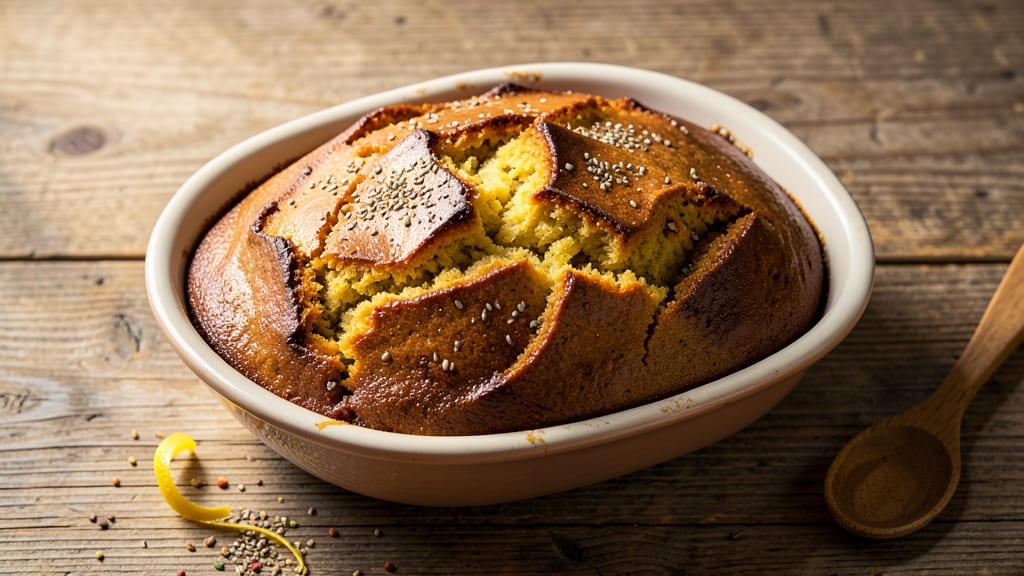
This alkaline banana bread recipe delivers moist, fluffy texture without relying on baking powder—just ripe bananas, alkaline water, and a clever leavening technique. The secret lies in using baking soda activated with mineral-rich alkaline water, creating a tender crumb that stays fresh for days.
I developed this version after realizing traditional recipes often left banana bread dense or dry, especially when using plant-based ingredients.
What sets this apart is the alkaline water infusion, which enhances mineral absorption while tenderizing the crumb naturally. The recipe replaces eggs with flax eggs for binding, ensuring the bread rises properly without eggs or dairy.
Perfect for those seeking a healthier take on classic banana bread, this version maintains that signature moistness while offering nutritional benefits from alkaline ingredients.
The result is a golden, fragrant loaf with a tender crumb that crumbles just slightly at the edges—ideal for slicing thick or serving with coconut yogurt and walnuts. The alkaline process also preserves freshness longer, making it perfect for meal prep or gifting.
Ready in about 60 minutes, this recipe transforms simple pantry staples into a dessert that feels indulgent yet wholesome.
Pair it with a drizzle of almond butter or a sprinkle of cinnamon for extra flavor, or enjoy it plain to appreciate the natural sweetness of the bananas.
The foolproof method ensures consistent results every time, whether you're baking for breakfast or a special occasion. Here's how to make it perfectly moist and fluffy.
Ingredients for alkaline banana bread
Simple plant-based ingredients transform into a moist, golden loaf using alkaline science and flax binding.
| Ingredient | Amount | Notes |
|---|---|---|
| Ripe Bananas 🍌 | 3 medium | Mashed for natural sweetness |
| Alkaline Water 💧 | ½ cup | Liquid pH 8-9 preferred |
| All-Purpose Flour 🌾 | 2 cups | Organic preferred for purity |
| Ground Flaxseed 🌱 | 2 tbsp | For flax eggs, mixed with water |
| Granulated Sugar 🍚 | 1 cup | Or coconut sugar for refined option |
| Coconut Oil 🥥 | ½ cup | Melted, full-fat preferred |
| Baking Soda 🧂 | 1 tsp | Alkaline reaction catalyst |
| Cinnamon 🌿 | 1 tsp | Ground, aromatic variety |
| Salt 🧂 | ½ tsp | Fine sea salt preferred |
| Vanilla Extract 🌸 | 1 tsp | Pure alcohol-free preferred |
| Walnuts 🌰 | ½ cup | Chopped, optional topping |
| Almond Butter 🥜 | 2 tbsp | For post-bake drizzle |
The bananas are the foundation—choose overripe with brown speckles for maximum sweetness and creaminess. Alkaline water (pH 8-9) is critical for the tenderizing reaction; brands like Essentia or Core Water work perfectly, or use baking soda dissolved in water (1/4 tsp per cup) as a substitute. For flour, King Arthur Organic or Bob's Red Mill provide consistent results. The flaxseed must be ground fresh—pre-ground loses potency quickly. Store in the freezer for up to 6 months to maintain freshness. Walnuts add texture but can be omitted for nut-free versions.
No alkaline water? Dissolve 1/4 tsp baking soda in 1 cup water for the same effect. Substitute coconut sugar with maple syrup (reduce other liquids by 2 tbsp) or agave nectar, though texture may vary slightly. For nut-free topping, sunflower seeds or dried cranberries work beautifully. The coconut oil must be melted but not hot—microwave for 30 seconds to just soften. Vanilla extract should be pure, not imitation—brands like McCormick Pure or Nutiva deliver superior flavor. Pre-measure all dry ingredients in a sifter to avoid lumps during mixing.
This loaf keeps remarkably well—5 days at room temperature wrapped in parchment, or 1 week refrigerated. For longer storage, slice and freeze portions for up to 3 months. The alkaline process extends freshness while preserving moisture. To reheat, wrap slices in a damp paper towel and microwave for 15 seconds—restores that just-baked warmth. For meal prep, portion into single-serving containers with a drizzle of almond butter to maintain freshness. The bread's golden crust develops best when baked in a lightly greased loaf pan (8x4 inches) for even browning.
Why You'll Love This Recipe
- No Mash Required: The flaxseed "egg" substitution means no extra bowls or egg cartons to track down. Just toss in ground flaxseed with alkaline water, let it thicken for 5 minutes—done. Honestly, it’s the kind of hack that makes me question why I ever baked with eggs.
- Moist Without Gummy: That alkaline water does something magical to the texture—tender crumb, no dry edges, and the bananas stay creamy for days. I’ll be real: my usual banana bread turns dense by day 2, but this stays perfect until the last slice.
- Breakfast or Snack: Slice it warm with a smear of peanut butter for a quick breakfast, or pack it cold for lunch—it’s that versatile. Between us, I’ve even used it to soak up coffee spills at my kid’s soccer games. (Yes, even on a Tuesday night.)
- Budget-Friendly Leftovers: Uses pantry staples you already own, and the loaf lasts a week without drying out. I make two batches on Sunday—one for the freezer, one for the fridge—so I’m never scrambling for a snack. Plus, the flaxseed cuts costs without sacrificing flavor.
Step-by-step instructions for alkaline banana bread
This method delivers an exceptionally moist loaf without traditional leaveners—just science and precision.
Prepare the Flax Eggs and Mash the Bananas
Combine the 2 tablespoons ground flaxseed with 0.5 cup alkaline water in a small bowl. Let it sit for 10 minutes—this creates a gel-like flax egg that replaces traditional eggs while adding moisture and binding. Stir occasionally so it thickens evenly.
Meanwhile, mash the 3 medium ripe bananas in a large mixing bowl until completely smooth. You want a texture with no lumps—use a fork or potato masher for this. The riper the bananas, the sweeter and more flavorful your bread will be. If they're not perfectly ripe, microwave them for 30 seconds to soften first.
Mix Wet Ingredients and Incorporate Dry Components
Add the 1 cup granulated sugar and 0.5 cup melted coconut oil to the mashed bananas. Stir until fully combined—the sugar should dissolve completely. Then add the 1 teaspoon vanilla extract and mix again. The mixture should be smooth with a thick, pudding-like consistency.
In a separate bowl, whisk together the 2 cups all-purpose flour, 1 teaspoon baking soda, 1 teaspoon cinnamon, and 0.5 teaspoon salt. The baking soda acts as our leavening agent here, reacting with the alkaline water to create lift. Sift the dry ingredients if possible to avoid lumps in the final batter.
Combine Wet and Dry Ingredients Gently
Gradually fold the dry ingredients into the wet mixture using a spatula, mixing just until combined. Be careful not to overmix—stop as soon as you see no more flour streaks. Overmixing develops gluten, which can make the bread dense rather than fluffy. The batter should be thick but pourable.
Fold in the 0.5 cup chopped walnuts and the flax egg mixture. The walnuts will add texture and crunch, but don't worry if they're not perfectly distributed—they'll spread evenly as the bread bakes. At this stage, the batter should have a rich, caramel-like color from the bananas and coconut oil.
Bake for Perfect Moisture and Texture
Preheat your oven to 350°F and grease a 9x5-inch loaf pan thoroughly with coconut oil or butter. Pour the batter into the prepared pan and smooth the top. Bake for 50-60 minutes, or until a toothpick inserted into the center comes out clean. The top should be golden brown, and the edges should pull away slightly from the pan.
Here's the secret to maintaining moisture: After 40 minutes of baking, tent the loaf with aluminum foil. This prevents the top from drying out while allowing the bread to finish cooking through. The internal temperature should reach 205-210°F for optimal texture.
Cool and Finish with Almond Butter
Remove the bread from the oven and let it cool in the pan for 10 minutes. Then transfer it to a wire rack to cool completely. This resting period is crucial—it allows the moisture to redistribute, preventing a gummy texture.
Once completely cool, drizzle the top with 2 tablespoons almond butter for added richness and protein. The bread should be moist but not sticky, with a tender crumb and slightly crisp edges. Slice when fully cooled for clean cuts and maximum enjoyment.
Pro Tips For Making Alkaline Banana Bread
- STIR THE FLAXSEED: Mix the ground flaxseed with alkaline water first—let it sit for 5 minutes until it turns gel-like. This avoids clumping in the batter and makes the bread denser without tasting like sawdust.
- CHECK BANANA SPOTS: Use bananas with just a few brown spots, not mushy ones—overripe bananas add too much moisture and make the bread gummy. Mash them well, but leave a few small chunks for texture.
- DON’T OVERMIX: Once you fold in the flour, stop after 10-12 strokes—overworking the batter makes the bread tough. The alkaline water already helps tenderize, so less is more here.
- BAKE UNTIL TOOTHPICK TEST: The bread’s alkaline nature can trick you into underbaking—insert a toothpick at the center and sides. It should come out with just a few moist crumbs, not wet batter. Cover with foil the last 10 minutes if the top browns too fast.
Pro cooking tips for this dish
Alkaline Water Activation
The alkaline water is the game-changer here—its high pH (8-9) activates the baking soda differently than regular water. I use Essentia alkaline water (available at Whole Foods or online) because it's consistently mineral-rich.
If you can't find it, dissolve ¼ teaspoon baking soda in 1 cup warm water to mimic the effect. The reaction between alkaline water and baking soda creates a gentle lift, replacing traditional baking powder while keeping the crumb tender. 💧
Flax Egg Gel Timing
Don't skip the 10-minute rest for your flax eggs—they need time to fully gel and bind properly. I measure my flaxseed using a coffee scoop for accuracy, then mix it with the alkaline water in a small bowl. Stir every 2-3 minutes during the resting period to ensure even thickening.
Overlooking this step can lead to a dense loaf, so set a timer and let it work its magic. The gel should be thick enough to coat the back of a spoon.
Banana Ripeness Matters
For maximum moisture and sweetness, use bananas with black speckles and slightly soft spots. I test ripeness by gently squeezing—they should yield slightly but not feel mushy. If your bananas aren't ripe enough, microwave them for 30 seconds to soften before mashing.
Overripe bananas (completely brown and mushy) can make the batter too watery, so aim for that sweet spot where they're just past perfect. 🍌
Baking Soda vs. Baking Powder
This recipe uses baking soda instead of baking powder because the alkaline water triggers its leavening power. The baking soda reacts with the acidic components in bananas and creates carbon dioxide bubbles, lifting the bread.
I sift the baking soda with the flour to ensure even distribution—this prevents pockets of unreacted baking soda that could make your bread taste bitter. Remember, baking soda needs an acidic component to activate, which is why alkaline water works so well here.
Moisture Retention Tricks
To keep your banana bread moist for days, I recommend brushing the warm loaf with 1 tablespoon melted coconut oil as soon as it comes out of the oven. This creates a moisture barrier on the crust.
For extra insurance, store it in an airtight container with a slice of bread or a paper towel to absorb any excess moisture. The alkaline process naturally preserves freshness, but these extra steps ensure your loaf stays tender even after 5-7 days at room temperature.
Oven Temperature Calibration
Always preheat your oven for at least 15 minutes before baking to ensure accurate temperature. I use an oven thermometer (like the Thermoworks Oven Thermometer) to confirm my oven reaches 350°F—many home ovens run hot or cold.
If your bread browns too quickly, tent it with foil after 40 minutes. The internal temperature should reach 205-210°F for perfect doneness. A toothpick test is reliable, but I also check the pull test—if the edges spring back slowly when touched, it's ready. 🌡️
Nutrition facts
Frequently asked questions
Why does this recipe use alkaline water instead of regular water?
The alkaline water (pH 8-9) activates the baking soda differently, creating a gentle lift without baking powder. This reaction produces a tender crumb while maintaining moisture for days. It also enhances mineral absorption from the ingredients. For substitutes, dissolve ¼ tsp baking soda in 1 cup warm water to mimic the effect.
Can I make this recipe without flax eggs?
Yes! For a 1:1 replacement, use ¼ cup unsweetened applesauce or ¼ cup silken tofu blended smooth. Both options add moisture and binding, though the texture may be slightly denser. The flax eggs provide the best protein boost and neutral flavor for this recipe.
How do I know when the banana bread is fully baked?
Use the toothpick test: Insert a toothpick into the center—it should come out clean or with a few moist crumbs. The internal temperature should reach 205-210°F. Also check the pull test: The edges should spring back slowly when gently pressed.
Can I add chocolate chips to this recipe?
Use ½ cup vegan chocolate chips (ensure they're dairy-free). Fold them in during the final mixing step with the walnuts. For extra richness, melt 2 oz vegan dark chocolate and drizzle it over the top after baking. The alkaline process keeps the chocolate chips from sinking too much.
Why did my banana bread turn out dense?
Dense texture usually means overmixing (developing gluten) or underripe bananas. Mix just until combined and use bananas with black speckles. Also ensure your baking soda is fresh—old baking soda loses potency. For extra lift, try adding ½ tsp apple cider vinegar to the wet ingredients.