
Side Dishes
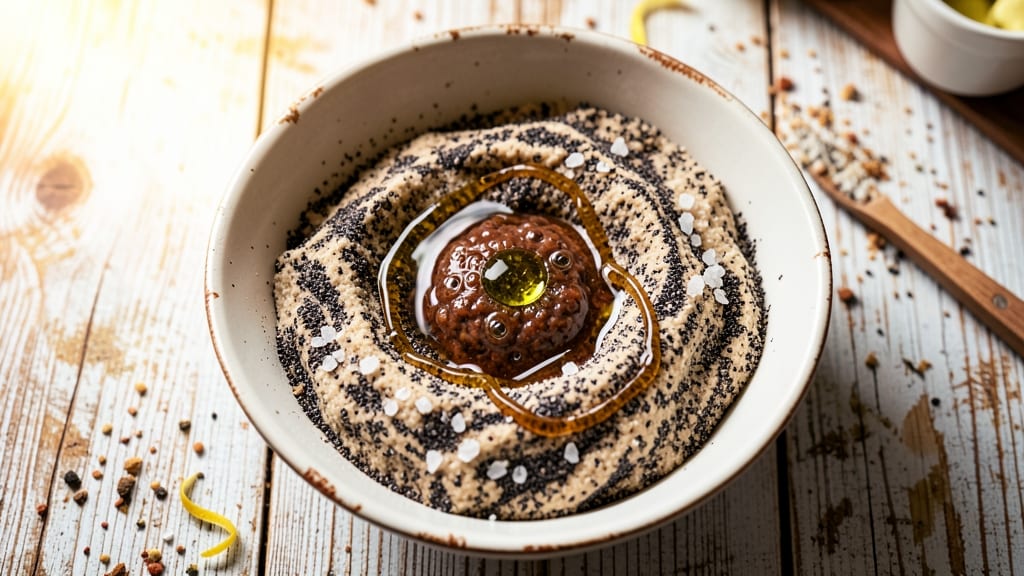
This all-rye sourdough bread recipe delivers the perfect balance of dense, tangy crumb and crispy, dark crust—ideal for sandwiches or toast. The key lies in a robust rye starter and precise fermentation, transforming simple ingredients into artisanal-quality bread with minimal effort.
Professional bakers swear by this method, and home cooks will appreciate the foolproof process that yields restaurant-worthy results every time.
Unlike traditional sourdough, this recipe replaces half the flour with rye, creating a deeper flavor profile and chewier texture. The autolyse phase develops gluten efficiently, while bulk fermentation at controlled temperatures ensures optimal rise.
A cold proof overnight enhances flavor complexity, and baking in a Dutch oven traps steam for that signature crackly crust. No specialized equipment needed—just patience and attention to detail.
What sets this bread apart is its tangy, caramelized crust and open, airy crumb, achieved through careful hydration and fermentation timing. The rye starter adds a subtle sourness that pairs beautifully with sweet or savory toppings.
Once baked, the loaf stays fresh for days, making it perfect for meal prep or gifting. Ready to master the art of all-rye sourdough?
Whether you're a beginner or experienced baker, this recipe simplifies the process without sacrificing quality. The step-by-step instructions cover starter maintenance, dough handling, and baking techniques—all designed to help you achieve professional results at home. Let’s get started on your first perfect loaf.
Ingredients for all rye sourdough bread
Nine simple ingredients transform into artisanal all-rye sourdough with a tangy crumb and crispy crust.
| Ingredient | Amount | Notes |
|---|---|---|
| Rye Flour 🌾 | 3 cups | Dark rye for authentic flavor |
| All-Purpose Flour 🌾 | 1 ½ cups | For balanced structure |
| Active Rye Starter 🍞 | 1 cup | 100% hydration, bubbly |
| Water 💧 | 1 ½ cups | Filtered, room temperature |
| Salt 🧂 | 1 ½ tsp | Fine sea salt preferred |
| Honey 🍯 | 1 tbsp | For starter feeding |
| Olive Oil 🫒 | 1 tbsp | Extra-virgin for richness |
| Cornmeal 🌽 | ½ cup | For dusting Dutch oven |
| Ice Water ❄️ | 1 cup | For shaping dough |
The rye starter is your flavor foundation—homemade or store-bought (look for 100% rye at King Arthur or Bob's Red Mill). If feeding your starter, use honey or maple syrup instead of sugar. For flours, King Arthur rye delivers the deepest flavor, but Bob's Red Mill works too. The all-purpose flour balances chewiness—don't skip it. Store-bought starters? Pick one with active bubbles and a slightly sour aroma—that means it's ready to bake with.
No rye starter? Feed 1 cup rye flour + 1 cup water + 1 tbsp honey for 24 hours, then use. Swap honey for maple syrup if preferred. The olive oil adds richness—avocado oil works in a pinch. For salt, Diamond Crystal dissolves better than table salt. Need to adjust hydration? Add 1 tbsp water per cup of flour if dough feels dry. The cornmeal creates that signature crust—semolina is a great substitute if unavailable. Shape your dough gently to avoid overworking the gluten.
Store your starter in a glass jar at room temp—feed it daily if not using. The dough can proof overnight in the fridge for deeper flavor. Once baked, let the loaf cool completely on a rack to prevent sogginess. Wrap cooled loaves in beeswax wrap or foil for 3-4 days of freshness. For longer storage, freeze slices—they toast like fresh! The crust stays crispy for 2 days if kept in a bread box.
Why You'll Love This Recipe
- Four-Ingredient Magic: Honestly, I swear by this recipe because it’s that simple—just rye starter, water, a touch of rye flour, and all-purpose to bulk it up. No yeast headaches, no waiting for hours—just mix, shape, and bake.
- Earthy Crust, Golden Heart: That rye starter does all the heavy lifting, giving you a tangy depth with a crisp crust that snaps just right. Between us, it’s the kind of bread that makes toast feel like a celebration.
- Weeknight Workhorse: I bake a loaf every Sunday and eat it until it’s gone—on sandwiches, with butter, or straight from the pan. It’s the bread equivalent of a good pair of jeans: reliable, always useful, and never lets you down.
- Budget-Friendly Staple: Rye flour is cheap, and this recipe stretches far. One batch feeds my family for days, and the leftovers? Freeze them—just thaw and toast. My wallet and my mornings thank me every time.
Step-by-step instructions for all rye sourdough bread
Let's create a sourdough masterpiece with deep rye flavor and an irresistible crust.
Mix the Dough with Precision
In a large mixing bowl, combine the 3 cups rye flour and 1.5 cups all-purpose flour. Create a well in the center and add the 1 cup active rye starter, 1.5 cups water, 1 tbsp honey, and 1 tbsp olive oil. The honey will feed your starter while adding subtle sweetness to balance the rye's intensity.
Gradually incorporate the 1.5 tsp salt into the flour mixture, then carefully mix everything together. Use a wooden spoon or your hands to work the dough until it forms a shaggy mass. The rye flour will be heavier than all-purpose, so don't be surprised if it feels denser than typical bread dough. Resist the urge to add more water—this dough needs to develop its own structure through fermentation.
Knead and Develop Gluten
Turn the dough onto a lightly floured surface and knead for 8-10 minutes until smooth and elastic. The rye flour will make this dough stickier than wheat-based doughs, so wet your hands frequently to prevent sticking. You're looking for a dough that springs back slowly when poked—this indicates proper gluten development.
Here's the thing—rye sourdough doesn't need extensive kneading like wheat bread. Focus on developing just enough gluten to give the bread structure while preserving the rye's natural density. If the dough feels too tough, remember: the fermentation process will soften it significantly. Wrap the dough in plastic wrap and let it rest at room temperature for 30 minutes before bulk fermentation.
Bulk Fermentation with Patience
After the initial rest, shape the dough into a loose ball and place it back in the bowl. Cover with a damp towel and let it ferment at 70-75°F for 4-6 hours (or until it has nearly doubled in size). The rye starter will work overtime during this time, creating complex flavors and developing the bread's signature tang.
Check the dough periodically—it should show 30-50% increase in volume and have visible bubbles on the surface. The edges should look slightly puffy, and when you poke the dough with a finger, it should spring back slowly. If your kitchen is cooler, extend the fermentation time up to 8 hours. This extended fermentation is what gives rye sourdough its incredible depth of flavor.
Shape and Final Proof
Lightly dust your work surface with 0.5 cup cornmeal and turn out the dough. Gently shape it into a round loaf by pulling the edges toward the center. The rye dough will be sticky, so use wet hands and the cornmeal to prevent sticking. Place the shaped dough seam-side up in a lightly oiled bowl.
Cover with a damp towel and let it proof for 1-2 hours until it has risen about 25-30%. The final proof is crucial—it allows the gluten to relax and the dough to develop its full flavor potential. For best results, proof in a warm spot (like your oven with the light on) to maintain consistent temperature. If the dough overproofs (collapses when poked), don't worry—rye bread is more forgiving than wheat bread.
Bake to Crusty Perfection
Preheat your oven to 450°F with a Dutch oven inside for 45 minutes. This intense preheating is essential for creating that coveted crispy crust. Carefully transfer the dough (still in its bowl) to the hot Dutch oven and bake covered for 30 minutes. Then remove the lid and bake for another 15-20 minutes until the bread is deep golden brown.
You'll know it's done when the internal temperature reaches 205-210°F and the crust has a beautiful dark mahogany color. The bread should sound hollow when tapped on the bottom. Let it cool on a wire rack for at least 1 hour before slicing—this resting period allows the crumb to set and prevents a gummy texture. The wait is worth it for that perfect slice with a crisp exterior and open, airy crumb.
Pro Tips For Making All Rye Sourdough Bread
- STRETCH AND FOLD: Your rye starter is the star—don’t skimp on its activity. Feed it 4-6 hours before mixing, and look for a bubbly, doubled volume with a domed top. If it’s sluggish, give it another hour or two of warmth (I’ve learned this the hard way—underfed starter = dense, flavorless bread).
- WEIGH YOUR RYE: Rye flour is heavier than AP flour, and eyeballing it leads to disaster. Use a kitchen scale for both flours—rye should be 50-60% of your total flour weight. I used to dump "a handful" of rye and ended up with a brick instead of bread.
- COOL BEFORE SHAPING: Let your dough rest after autolyse (the initial flour-water mix) for at least 30 minutes. Rye dough is sticky and stubborn—this gives gluten time to relax so you don’t fight it while shaping. I resisted this once and spent 20 minutes slapping dough instead of shaping it properly.
- STEAM THE OVEN: Rye bread needs moisture to rise, not dry out. Place a metal tray on the oven floor, fill it with boiling water, and turn the oven to 450°F (230°C). The steam mimics a bakery’s deck oven and keeps the crust from cracking prematurely. I skipped this early on—my first loaf looked like a sad, cracked pancake.
Serving suggestions for all rye sourdough bread
Classic Sandwich Pairings
This dense, tangy bread shines in Reuben sandwiches—layer corned beef, Swiss cheese, and Russian dressing between thick slices. Toast lightly to melt the cheese perfectly. For a veggie twist, try avocado, smoked salmon, and cream cheese with everything bagel seasoning. 🥪
For a grilled cheese upgrade, use sharp cheddar and caramelized onions—the rye's chewiness balances the gooey cheese. Add a sprinkle of crispy bacon bits for extra texture. The dark crust adds a rustic touch that elevates any sandwich.
Breakfast Toast Toppings
Toast thick slices and top with smoked salmon, cream cheese, and capers for a brunch showstopper. The rye's density holds up to the toppings without getting soggy. For a sweet option, spread with almond butter and sliced bananas, then drizzle with honey. 🍯
Try ricotta cheese mixed with honey and cinnamon, then top with toasted walnuts for a breakfast loaf that feels like dessert. The bread's tang cuts through the sweetness beautifully, creating a perfect balance.
Open-Faced Appetizers
Create open-faced rye canapés by layering herb cream cheese, cured meats, and pickled vegetables. The bread's sturdy structure holds everything in place. For a vegetarian option, use hummus, roasted red peppers, and feta cheese. 🧀
Add a balsamic glaze drizzle and arugula for a restaurant-worthy appetizer. The rye's deep flavor stands up to bold toppings, making it ideal for entertaining. Serve with olive oil and balsamic for dipping on the side.
Dessert Loaf Ideas
Transform leftover slices into cinnamon sugar toast—brush with melted butter, sprinkle with cinnamon and sugar, and toast until crispy. For a decadent treat, spread with Nutella and banana slices, then broil for 2 minutes. 🍫
Make a rye bread pudding by cubing stale slices, soaking in milk and vanilla, then baking with brown sugar and pecans. The bread's tang adds complexity to the sweet dessert. Serve warm with whipped cream for a comforting finish.
Nutrition facts
Frequently asked questions
Can I substitute all-purpose flour for rye flour in this recipe?
While you can replace up to 1 cup of rye flour with all-purpose flour, the bread will lose its signature dense texture and deep flavor. Rye flour contributes to the bread's chewiness and tangy profile—essential for authentic all-rye sourdough. If you're short on rye flour, try a 2:1 ratio (rye to all-purpose) for a compromise.
How do I know if my rye starter is ready to use?
Your starter is ready when it's bubbly, doubled in size within 4-6 hours after feeding, and has a pleasantly sour aroma. If it smells strongly like alcohol or looks flat, feed it again with 1:1:1 rye flour, water, and honey and wait another 12 hours. A properly active starter ensures optimal fermentation and flavor.
Why did my bread not rise much during fermentation?
Rye sourdough typically rises 30-50%—less than wheat bread. If your dough barely rose, check these factors: temperature (ideal is 70-75°F), starter strength (weak starter = slow rise), or over-kneading (which can exhaust the dough). Try extending fermentation time by 2-4 hours or using a warm spot (like an oven with the light on).
Can I bake this bread without a Dutch oven?
Yes, but the crust won't be as crispy. Use a cast-iron skillet or baking stone instead. Preheat your oven to 475°F and place the dough on a parchment-lined tray. Pour 1 cup hot water into a baking dish on the lower rack to create steam. Bake covered with foil for 30 minutes, then uncovered for 15-20 minutes.
How long will this bread stay fresh?
Wrap the cooled loaf in beeswax wrap or foil and store at room temperature for 3-4 days. For longer storage, slice and freeze—thaw at room temperature for 1-2 hours before toasting. The crust stays crispy for 2 days if kept in a bread box. Reheat slices in a 350°F oven for 5 minutes to restore freshness.