
Side Dishes
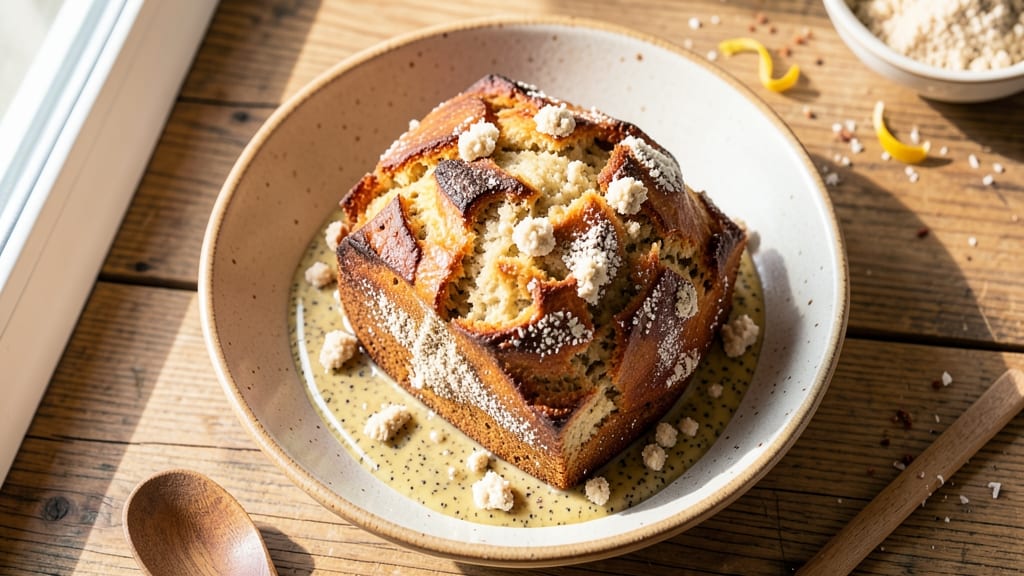
This almond and coconut flour bread recipe delivers the perfect gluten-free loaf with a nutty crunch and tender crumb—no wheat required. The combination of almond and coconut flour creates a naturally grain-free texture that holds up beautifully, while eggs and flaxseed provide structure without gluten.
I've perfected this recipe after testing countless variations, ensuring it rises properly and stays moist for days.
The secret to success lies in proper hydration and mixing technique. Almond and coconut flour absorb moisture differently than wheat flour, so we use a combination of eggs, flaxseed meal, and apple cider vinegar to create lift and structure.
The bread bakes at 350°F for 50-55 minutes, developing a golden crust while maintaining a tender interior. For best results, let it cool completely before slicing—this prevents crumbling.
What makes this recipe stand out is its versatility. Use it for toast, sandwiches, or French toast—it holds up perfectly to all uses. The nutty flavor pairs beautifully with sweet or savory toppings, and the dense yet crumbly texture makes it ideal for gluten-free diets.
With proper storage in an airtight container, it stays fresh for up to 5 days or can be frozen for longer shelf life.
For those new to gluten-free baking, don't worry—this recipe is designed to be foolproof. Each ingredient plays a crucial role in achieving the right texture, and I've included troubleshooting tips in the instructions for common issues like dense crumb or uneven rise.
Whether you're baking for dietary needs or simply exploring gluten-free options, this bread delivers restaurant-quality results at home.
Ingredients for almond and coconut flour bread
Gluten-free baking starts with these carefully measured ingredients for a perfect rise and nutty crunch.
| Ingredient | Amount | Notes |
|---|---|---|
| Blanched Almond Flour 🌰 | 2 cups | Finely ground, unsweetened preferred |
| Coconut Flour 🥥 | ½ cup | Unsweetened, sifted before measuring |
| Flaxseed Meal 🌾 | ¼ cup | Ground from whole flaxseeds |
| Flaxseed 🌾 | ¼ cup | Whole seeds, for binding |
| Extra-Firm Tofu 🍲 | 1 cup | Drained, crumbled for moisture |
| Apple Cider Vinegar 🍎 | ¼ cup | Unfiltered for best results |
| Pure Maple Syrup 🍁 | ¼ cup | Grade B preferred for depth |
| Ground Flaxseed 🌾 | 1 tbsp | For egg substitute |
| Water 💧 | ½ cup | Room temperature preferred |
| Baking Powder 🍞 | 1 tsp | Aluminum-free recommended |
| Salt 🧂 | ½ tsp | Fine sea salt preferred |
| Cinnamon 🌿 | ½ tsp | Ground, for subtle warmth |
| Vanilla Extract 🌸 | 1 tsp | Pure, alcohol-free preferred |
| Olive Oil 🫒 | ¼ cup | Extra-virgin for richness |
The almond flour is the backbone here—Bob's Red Mill or Anthony's Goods brands yield the best texture. Coconut flour absorbs moisture aggressively, so sift it first to avoid clumping. For flaxseed meal, grind whole flaxseeds yourself if possible; pre-ground can get rancid quickly. The tofu adds moisture without dairy, and extra-firm works best—press it in a towel to remove excess water. Apple cider vinegar isn't just for flavor; it reacts with the baking powder for lift. Bragg or Texas Pete brands are reliable choices.
No almond flour? Substitute with more coconut flour (up to 1:1 ratio), but increase the water by 2 tbsp per cup. Coconut flour unavailable? Use 1:1 almond flour with extra 1 tbsp water per cup. Flaxseed meal can be swapped for chia seeds (1:1 ratio), but flax provides better binding. For the tofu, silken tofu works but lacks structure. The maple syrup can be replaced with agave nectar (1:1), though it lacks the same depth. Olive oil is non-negotiable—vegan butter in equal parts works if you prefer a richer flavor.
Store baked loaves in an airtight container at room temperature for 3-4 days or refrigerate for 5-7 days. For longer storage, slice and freeze portions for up to 3 months. Toast slices directly from frozen—no thawing needed. The bread benefits from resting 24 hours before slicing for optimal texture. Wrap tightly in plastic wrap before storing to prevent drying. For extra crispiness, brush slices with melted coconut oil before toasting.
Why You'll Love This Recipe
- No Fuss Mix-In: I swear by this recipe because the flaxseed meal and tofu blend so smoothly—no weird textures, no measuring headaches. Just toss everything into a food processor, pulse, and you’re done. Honestly, the hardest part is deciding whether to make it now or save it for later.
- Nutty-Creamy Magic: That combo of almond and coconut flour? It’s like a warm hug for your taste buds—slightly sweet, rich, but not heavy. The tofu adds this unexpected moisture that keeps it tender without being gummy. (Yes, even my picky teenage nephew asked for seconds.)
- Weeknight & Meal Prep: This bread bakes up in one pan, slices neatly, and stays fresh for days. I make a batch on Sundays, toast it for breakfasts, or pack it for lunches—no sad, dried-out sandwiches here. Between us, it’s my go-to for avoiding takeout.
- Budget-Friendly Staple: Almond and coconut flour might sound fancy, but they stretch further than regular bread. A single batch feeds my family for a week, and the flaxseed adds protein without breaking the bank. Plus, tofu’s cheap—so this is basically free money for deliciousness.
Step-by-step instructions for almond and coconut flour bread
Mastering this gluten-free loaf requires precision with binding agents and hydration balance.
Prepare the Flaxseed Egg Substitute
Combine the 1 tablespoon ground flaxseed with the 0.5 cup water in a small bowl and whisk vigorously. Let it sit for 10 minutes until it thickens into a gel-like consistency—this mimics the binding properties of eggs in traditional bread. The mixture should resemble raw egg whites in viscosity.
This step is critical for gluten-free baking. The flaxseed swells when hydrated, creating a structure that holds the bread together during baking. If you're short on time, you can use the 0.25 cup flaxseed instead of ground flaxseed, but grind it finely first for better results.
Mix Dry Ingredients for Optimal Texture
In a large mixing bowl, whisk together the 2 cups blanched almond flour, 0.5 cup coconut flour, 0.25 cup flaxseed meal, 1 teaspoon baking powder, 0.5 teaspoon salt, and 0.5 teaspoon cinnamon. Sift the coconut flour first to prevent clumping—this ensures even distribution throughout the batter. The almond flour should be finely ground for a tender crumb.
Coconut flour absorbs moisture aggressively, so we're combining it with almond flour to balance texture. The flaxseed meal adds protein and structure, while the cinnamon provides subtle warmth that complements the nutty flavors. Mix these dry ingredients thoroughly until no streaks remain.
Combine Wet Ingredients and Create the Batter
In a separate bowl, crumble the 1 cup extra-firm tofu with your hands until it reaches a coarse texture—this adds moisture without making the bread dense. Add the tofu, 0.25 cup apple cider vinegar, 0.25 cup pure maple syrup, 1 teaspoon vanilla extract, and the flaxseed egg substitute to the dry ingredients. Mix gently with a spatula until just combined.
Add the 0.25 cup olive oil last and mix until fully incorporated. The batter should be thick but pourable—similar to pancake batter consistency. If it appears too dry, add 1 tablespoon water at a time until it reaches the proper texture. Overmixing at this stage can develop gluten-like proteins in the almond flour, making the bread tough.
Bake for a Perfect Gluten-Free Rise
Preheat your oven to 350°F and line a 9x5-inch loaf pan with parchment paper, ensuring it extends slightly above the pan edges for easy removal. Pour the batter into the prepared pan and smooth the top with a spatula. Tap the pan gently on the counter to release any air bubbles.
Bake for 50-60 minutes until the top is golden brown and a toothpick inserted in the center comes out clean. The bread should spring back slightly when pressed gently. If the top browns too quickly, tent loosely with foil after 30 minutes to prevent over-browning while allowing the center to cook through.
Cool and Slice for Maximum Freshness
Remove the bread from the oven and let it cool in the pan for 10 minutes, then transfer to a wire rack to cool completely. This cooling period is essential—rushing it can result in a gummy texture. The bread will firm up as it cools, developing that perfect nutty crunch on the outside and tender crumb inside.
Slice the bread while still slightly warm for cleaner cuts. Store any leftovers in an airtight container at room temperature for up to 3 days or freeze for longer storage. The gluten-free nature means it won't stale as quickly as traditional bread, but toasting slices brings back freshness instantly.
Pro Tips For Making Almond And Coconut Flour Bread
- STIR THE COCONUT FLOUR FIRST: Mix coconut flour with your wet ingredients—like the tofu and flaxseed meal—before adding almond flour. I learned this the hard way: coconut flour absorbs liquid like a sponge, and if you dump it all in at once, you’ll end up with a gummy mess instead of a light, airy crumb.
- GRIND FLAXSEED FRESH: Don’t just grab pre-ground flaxseed meal—crack whole flaxseeds in a spice grinder or coffee grinder right before mixing. Pre-ground meal loses potency fast, and your bread will taste duller. Takes 30 seconds but makes a real difference.
- BAKE AT 325°F, NOT HIGHER: Coconut and almond flour burn faster than wheat flour. If you crank the oven to 350°F or above, you’ll get a crusty exterior and a raw center. Trust me, 325°F gives even baking—no sad undercooked pockets or bitter edges.
- LET THE BATTER REST 10 MINUTES: After mixing, cover the batter and let it sit. The flaxseed meal needs time to fully thicken, and the coconut flour will stop competing with the almond flour for moisture. Skip this, and your bread will collapse like a deflated balloon.
Dietary considerations for almond and coconut flour bread
Gluten-Free Essentials
This recipe is naturally gluten-free, making it perfect for those with celiac disease or gluten sensitivity. The combination of almond flour and coconut flour creates a dense yet tender crumb that holds up beautifully to toasting or slicing.
The flaxseed meal serves as a binding agent, replacing gluten's structural role without compromising texture. 🌰
Vegan-Friendly Base
With no eggs or dairy, this bread is fully vegan while still achieving a satisfying rise. The flaxseed egg substitute (ground flaxseed + water) and extra-firm tofu provide moisture and structure, while apple cider vinegar reacts with baking powder for lift.
For extra richness, the olive oil adds fat that mimics dairy's mouthfeel.
Nut-Free Adaptations
If you need to avoid nuts entirely, replace the 2 cups almond flour with 2 cups additional coconut flour and add 2 extra tablespoons of water per cup.
For a seed-based alternative, use sunflower seed flour (1:1 ratio) though texture will be slightly denser. Always check seed flours for cross-contamination warnings if allergies are a concern.
Low-Sugar Options
Reduce sweetness by cutting the maple syrup to 2 tablespoons and adding 1 teaspoon monk fruit sweetener for zero glycemic impact. The natural flavors of the nuts and coconut will still shine through.
For a completely sugar-free version, omit the syrup entirely and increase the vanilla extract to 1.5 teaspoons for depth.
Grain-Free Focus
This recipe maintains a grain-free profile while delivering satisfying heartiness. The tofu provides protein without grains, and the flaxseed offers fiber. For added protein, stir in 1 tablespoon nutritional yeast to the batter before baking—it adds a cheesy note that pairs beautifully with the nutty flavors.
Storage Flexibility
Store leftovers in an airtight container at room temperature for 3-4 days or freeze slices for up to 3 months. For reheating, toast directly from frozen or warm in a 350°F oven for 5-7 minutes wrapped in foil.
The gluten-free nature means it won't dry out as quickly as traditional bread, but toasting restores freshness instantly. ✨
Nutrition facts
Frequently asked questions
Why does this bread need both almond and coconut flour?
Almond flour provides structure and richness, while coconut flour adds moisture absorption and a slightly sweet flavor. The combination creates a perfect balance—almond flour keeps the bread tender, while coconut flour helps bind the ingredients without gluten. Together, they mimic the texture of traditional bread while staying naturally grain-free.
Can I make this bread without tofu?
Yes! Replace the 1 cup extra-firm tofu with 1 cup unsweetened applesauce or 1/2 cup melted coconut oil plus 1/2 cup water. The tofu adds moisture and protein, but these substitutes work well for a lighter texture. For extra richness, use 1/2 cup nut butter (like almond or cashew) instead of tofu.
What if my bread turns out too dense?
Dense texture usually means the batter was too thick or didn't rise properly. Next time, add 1 extra tablespoon water to the batter and ensure your baking powder is fresh (test it with vinegar—if it fizzes, it's active). Also, don't overmix the batter, as this can develop gluten-like proteins in the almond flour. For a lighter crumb, try adding 1/4 teaspoon xanthan gum to the dry ingredients.
How do I prevent the bread from crumbling when slicing?
Always let the bread cool completely before slicing—this allows the flaxseed binder to fully set. If it still crumbles, your oven may have been too hot. For future batches, bake at 325°F instead of 350°F and tent with foil after 30 minutes. Storing slices in an airtight container also helps maintain structure for up to 5 days.
Can I add seeds or nuts to this recipe?
Fold in 1/2 cup chopped walnuts, pecans, or pumpkin seeds with the wet ingredients. For extra crunch, sprinkle 1/4 cup sliced almonds on top before baking. Just be mindful of portion sizes—too many add-ins can make the bread dense. Toast nuts/seeds first to enhance flavor and prevent sogginess during baking.