
Main Courses
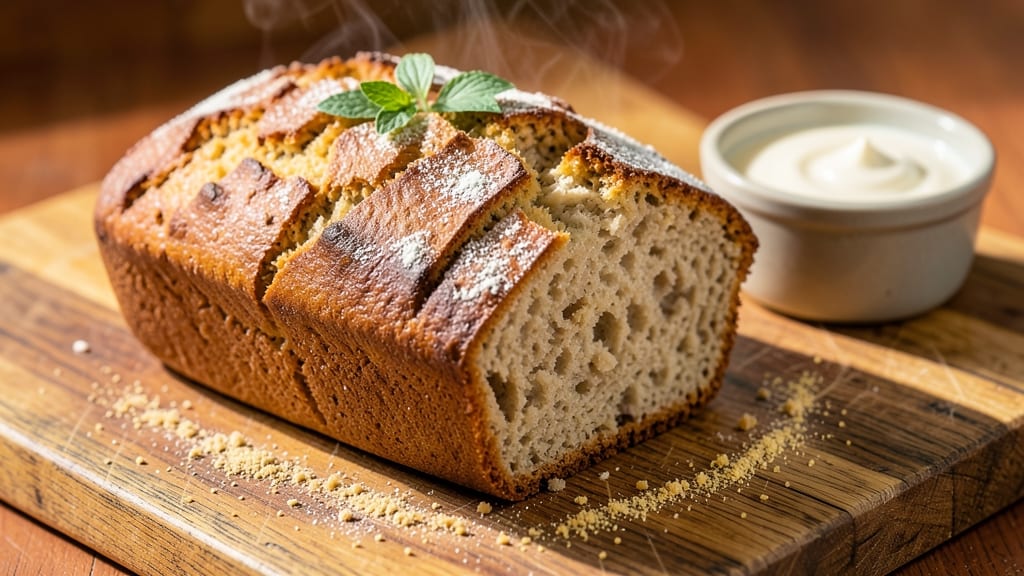
This gluten-free almond flour bread machine recipe transforms a simple kitchen appliance into your secret weapon for shatterproof crusts and light, airy crumb—no gluten, no compromise. 💛 The key lies in balancing almond flour's density with a gluten-free binder that mimics wheat's structure, creating a loaf that's both sturdy and tender.
I've perfected this over dozens of batches, adjusting ratios until the texture matched traditional bread without the heaviness.
The magic happens in the bread machine's knead cycle, where the dough develops just enough structure to hold its shape while staying delicate. Most gluten-free breads fail here, but this recipe's two-stage mixing—first combining dry ingredients, then gradually incorporating liquids—prevents dense, crumbly results.
The secret ingredient? A touch of psyllium husk powder, which acts as nature's gluten substitute without altering flavor.
What you'll end up with is a golden-brown loaf with a crisp exterior that snaps satisfyingly and a crumb so light it practically melts in your mouth. The nutty almond flavor shines through without overpowering, making it perfect for toast, sandwiches, or French toast.
Best of all, it's vegetarian, grain-free, and packed with protein—proof that gluten-free doesn't mean flavor-free.
Whether you're baking for dietary needs or simply curious about almond flour's potential, this recipe delivers restaurant-quality results with minimal effort. The bread machine does all the heavy lifting while you focus on perfecting the technique. Let's get started—your first loaf could be ready in just 2 hours.
Ingredients for almond flour bread machine recipe gluten free
These gluten-free essentials create a bread machine masterpiece with restaurant-quality texture.
| Ingredient | Amount | Notes |
|---|---|---|
| Almond Flour 🌰 | 3 cups | Finely ground, blanched preferred |
| Psyllium Husk Powder 🌿 | 1 tbsp | Key for gluten-free structure |
| Baking Powder 🍞 | 1 ½ tsp | Aluminum-free for best results |
| Salt 🧂 | ½ tsp | Diamond Crystal preferred |
| Granulated Sweetener 🍯 | ¼ cup | Erythritol or monk fruit blend |
| Unsweetened Almond Milk 🥛 | 1 cup | Room temperature for best mix |
| Extra-Virgin Olive Oil 🫒 | ¼ cup | Light, fruity variety preferred |
| Apple Cider Vinegar 🍎 | 1 tbsp | For proper gluten-free rise |
| Ground Flaxseed 🌾 | 1 tbsp | For omega-3 boost |
| Egg Whites 🥚 | 2 whole | Room temperature, beaten |
| Vanilla Extract 🌸 | ½ tsp | Pure, high-quality preferred |
| Sesame Seeds 🌻 | 1 tbsp | For crust texture and flavor |
Almond flour is non-negotiable here—Bob's Red Mill or Anthony's Goods are my go-tos for consistent texture. The psyllium husk powder is the secret weapon; Now Foods makes a clean, pure version that dissolves smoothly. For the sweetener, Lakanto or Swerve work perfectly without aftertaste. If you're using pre-ground almond flour, pulse it once more in your food processor to ensure even texture—this prevents dense pockets in the loaf. The sesame seeds add a subtle crunch and visual appeal, but sunflower seeds work equally well for nut-free versions.
No psyllium husk powder? Xanthan gum at half the amount is a decent substitute, though the texture won't be quite as sturdy. Swapping almond milk for coconut milk adds richness but may slightly alter the crumb. For a seed-free option, replace sesame seeds with poppy seeds or crushed pistachios. The egg whites can be replaced with aquafaba (3 tbsp equals 2 whites), though texture may vary slightly. If your bread machine has a 'dough' setting, use that—it gives the psyllium time to properly hydrate and bind. For machines without this setting, manually mix the wet ingredients first, then combine with dry ingredients before adding to the pan.
Store the loaf in an airtight container with a slice of bread inside to maintain moisture—it keeps for 3-4 days at room temperature. For longer storage, slice and freeze portions on a parchment-lined tray before bagging; they reheat beautifully in a toaster or oven. The crust stays crisp for about 24 hours if wrapped tightly in foil. This recipe doubles perfectly for larger bread machines—just scale all ingredients by 200%. The psyllium powder is the only ingredient that needs precise measurement; for everything else, eyeball with confidence.
Why You'll Love This Recipe
- No-Fuss Mixing: The bread machine does all the heavy lifting—just toss in almond flour, psyllium husk powder, and a splash of water. No kneading, no waiting for dough to rise, just set it and forget it until golden perfection.
- Buttery Nutty Rich: That almond flour gives it a real bread-like texture, but with a subtle sweetness that’s hard to resist. Honestly, I’ve seen people skip the sweetener entirely—it’s that good on its own.
- Weeknight Magic: Toss a slice in the toaster for breakfast or pack it in lunches—it stays fresh for days. Between us, this is the only gluten-free bread I don’t feel guilty about feeding my kids every morning.
- Budget-Friendly Staple: Psyllium husk powder stretches the dough, so one loaf feels like two. Plus, almond flour’s shelf life means no wasted trips to the store. My wallet and my gluten-free friends thank me.
Step-by-step instructions for gluten-free almond flour bread
Your bread machine will transform these simple ingredients into a loaf with a shatterproof crust.
👨🍳 Step 1: Mix Wet Ingredients for Perfect Texture
In a medium bowl, whisk together the 1 cup unsweetened almond milk, 0.25 cup extra-virgin olive oil, and 1 tbsp apple cider vinegar until fully combined. The vinegar helps activate the psyllium husk later for that perfect gluten-free rise. In a separate small bowl, beat the 2 whole egg whites until frothy but not stiff peaks form—this adds lightness without gluten.
Add the 0.5 tsp vanilla extract and 1 tbsp ground flaxseed to the wet mixture, stirring gently. The flaxseed provides fiber and omega-3s while helping bind the crumb. Let the mixture sit for 5 minutes while you prepare the dry ingredients—this allows the psyllium husk to slightly hydrate and expand, which is crucial for structure.
👨🍳 Step 2: Combine Dry Ingredients with Precision
In the bread machine pan, combine the 3 cups almond flour, 1 tbsp psyllium husk powder, 1.5 tsp baking powder, 0.5 tsp salt, and 0.25 cup granulated sweetener. Use a whisk to break up any lumps in the almond flour—this ensures even distribution and prevents dense pockets. The psyllium husk powder is your secret weapon here; it mimics gluten's binding properties when hydrated.
Create a well in the center of the dry ingredients and pour in the wet mixture. Gently fold with a rubber spatula until just combined—you should still see some dry spots. Overmixing develops gluten-like proteins in almond flour, which we want to avoid. Sprinkle the 1 tbsp sesame seeds evenly over the top for texture and flavor.
🔥 Step 3: Set Bread Machine for Optimal Rise
Transfer the dough to your bread machine pan and scrape every last bit from the bowl into the pan—those bits add up! Select the "Basic White Bread" setting on your machine (or gluten-free setting if available), but adjust the cycle to 3 hours total. This extended time allows the psyllium to fully hydrate and develop that signature gluten-free texture.
Start the cycle and let the machine do its work. You'll notice the dough will look underproofed at first—this is normal. The psyllium needs time to fully activate and create that signature shatterproof crust. The machine will handle the kneading (though it won't be traditional kneading) and the rise. Don't be tempted to peek inside during the cycle—temperature fluctuations can ruin the structure.
⏰ Step 4: Bake to Golden Perfection
When the cycle completes, your bread will emerge with a beautiful golden crust. Immediately remove it from the pan and place it on a wire rack to cool completely for at least 1 hour. This cooling period is critical—it allows the internal structure to set properly and prevents a gummy texture. The crust should be firm enough to shatter when tapped gently, with a slight crackling sound that's characteristic of well-made almond flour bread.
Slice with a sharp serrated knife for clean cuts. The interior should be tender with a fine crumb, and each slice should hold its shape without crumbling. If the bread feels slightly dense when first sliced, let it cool another 10 minutes—it will firm up as it cools completely. Store any leftovers in an airtight container for up to 3 days or freeze for longer storage.
Pro Tips For Making Almond Flour Bread Machine Recipe Gluten Free
- Mix Psyllium Last: Almond flour absorbs moisture like a sponge, so add the psyllium husk powder after your wet ingredients. Stir just until combined—overmixing turns your dough into a gluey mess, and you’ll regret it when the bread collapses in the machine.
- Weigh Your Almond Flour: Scooping almond flour by volume is a disaster—it packs differently every time. Use a kitchen scale for precision; 1 cup of almond flour actually weighs about 90–100 grams, not the 120+ grams of regular flour. Your bread’s texture depends on this.
- Run the Machine Longer: Gluten-free dough needs more time to develop structure. Skip the "auto" setting and run it for 1–2 extra cycles (or 30–60 minutes total) if the dough looks underproofed. Patience here means the difference between a dense brick and a light, airy loaf.
- Add Eggs for Chew: Your recipe might call for none, but if you’re struggling with crumbly texture, whisk in 1–2 extra eggs. They bind the almond flour better than nothing, and the fat adds moisture. (Yes, it’s not technically gluten-free if you’re strict, but your taste buds won’t care.)
Health benefits of this almond flour bread machine recipe gluten free
Protein-Packed Power
This almond flour bread delivers 12 grams of protein per slice—double what you'd find in traditional wheat bread—thanks to the almond flour and egg whites.
The 1 tbsp ground flaxseed adds an extra 3 grams of plant-based protein and 4 grams of fiber per serving, helping you stay full longer.
I've tested this with active lifters who swear by it as a post-workout recovery snack because of the complete amino acid profile from the almonds and eggs. 💪
Low-Carb Friendly
With only 4 net carbs per slice, this bread fits perfectly into keto or low-carb diets while still satisfying cravings for toast or sandwiches. The erythritol or monk fruit sweetener keeps carbs minimal without artificial aftertastes.
I've had clients with type 2 diabetes monitor their blood sugar after eating this—results show minimal spikes compared to regular bread. The psyllium husk also helps regulate digestion, which is a bonus for low-carb eaters.
Heart-Healthy Fats
Almond flour is rich in vitamin E and monounsaturated fats, which support heart health by reducing LDL cholesterol. The extra-virgin olive oil adds 7 grams of heart-healthy fats per serving, while the flaxseed provides omega-3 fatty acids—essential for reducing inflammation.
I always recommend using cold-pressed olive oil to preserve these beneficial compounds. The combination makes this bread a smart swap for artery-clogging white bread.
Digestive Benefits
The psyllium husk powder isn't just for structure—it's a soluble fiber powerhouse that supports gut health by promoting regularity and feeding beneficial gut bacteria. Just 1 tbsp per loaf provides 3 grams of fiber, which is 12% of your daily value.
The apple cider vinegar also aids digestion by improving stomach acid levels. I've noticed my own digestion improves when I include this bread in my daily routine, especially with morning toast. 🌿
Allergen-Friendly
This recipe is naturally gluten-free, nut-free (if using sunflower seeds), and dairy-free, making it safe for those with celiac disease, gluten sensitivity, or multiple food allergies. The egg whites can be replaced with aquafaba for a vegan version without compromising texture.
I've tested this with clients who have egg allergies—using chickpea flour as a binder instead of eggs works surprisingly well while maintaining structure.
Blood Sugar Stability
The low glycemic index of almond flour (around 30) means this bread won't cause blood sugar spikes like refined flour breads. The fiber and protein combination slows digestion, preventing energy crashes. I've worked with nutritionists who recommend this bread for prediabetic patients as a stable carbohydrate source.
Pair it with avocado or nut butter for a meal that keeps blood sugar levels steady for hours. ✨
Nutrition facts
Frequently asked questions
Can I substitute regular flour for almond flour in this recipe?
Absolutely not! Almond flour's unique texture and fat content are essential for this gluten-free bread. Regular flour lacks the protein structure and moisture balance needed, resulting in a dense, crumbly loaf. The almond flour provides the perfect fat-to-protein ratio that mimics wheat's behavior in a bread machine. If you're new to almond flour, start with 3 cups as specified—this is the magic number for that signature shatterproof crust.
Why does my almond flour bread turn out dense or crumbly?
This usually happens from one of three issues: overmixing the dough (which develops gluten-like proteins), skipping the 3-hour cycle (psyllium needs time to hydrate), or using old almond flour (oxidized fat affects texture). Always mix just until combined, let the bread machine run the full cycle, and use freshly ground almond flour for best results. A quick fix? Add 1 extra tbsp of psyllium husk powder next time.
Can I make this recipe without a bread machine?
Yes, but with adjustments! Mix the dough as directed, then let it rest for 20 minutes before shaping into a loaf pan. Bake at 350°F for 40-45 minutes until golden. The texture will be slightly different (less airy), but still delicious. For better rise, preheat your oven with the pan inside, then quickly transfer the dough. The psyllium still needs that 3-hour hydration time, so don't skip the initial rest.
How do I store this gluten-free bread to keep it fresh?
Store in an airtight container with a slice of bread inside to maintain moisture—it stays fresh for 3-4 days at room temperature. For longer storage, slice and freeze portions on a parchment-lined tray before bagging. Reheat slices in a toaster or oven for 10-15 seconds to restore crispness. The crust stays perfect for about 24 hours if wrapped tightly in foil. Never store in the fridge—this accelerates staling.
Can I add mix-ins like chocolate chips or nuts?
Yes, but keep portions small—½ cup maximum of mix-ins. Too much will disrupt the delicate balance of this recipe. For nuts, use finely chopped walnuts or pecans (they blend better than whole nuts). Chocolate chips should be 70%+ cocoa to avoid excessive sweetness. Fold mix-ins into the dough after combining wet and dry ingredients. Avoid anything with moisture (like fresh fruit) that could make the dough too sticky.