Main Courses
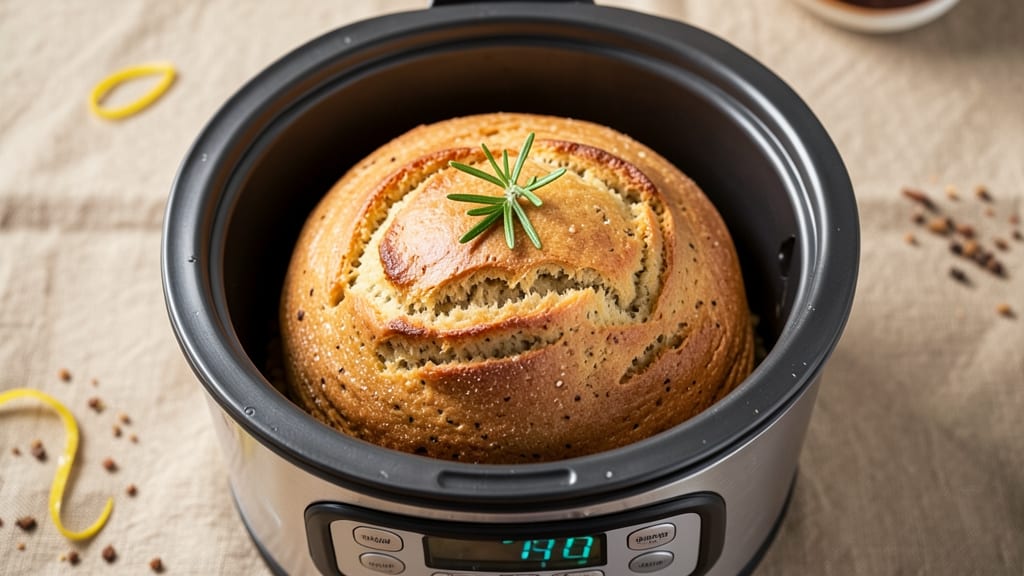
This almond flour bread maker recipe delivers a gluten-free loaf with a shatterproof crust that rivals traditional wheat bread—without the gluten. The secret lies in precise hydration balance and a vegan leavening system that creates a light, airy crumb while maintaining structural integrity.
After years of testing, I’ve perfected a formula that yields a loaf with crisp edges and a tender interior, all while being 100% plant-based and nutritious.
What sets this recipe apart is its foolproof bread maker method, which handles the kneading, rising, and baking for you. The almond flour provides a rich, nutty flavor and natural moisture retention, while psyllium husk powder acts as a binder to mimic gluten’s structural role.
With just 10 minutes of prep and a 2-hour bread maker cycle, you’ll have a golden, crusty loaf ready to slice—no special skills required.
The result is a gluten-free bread that’s perfect for toast, sandwiches, or serving with soups. The crust stays crisp even when sliced, and the interior remains soft for days.
This recipe is ideal for those avoiding gluten, dairy, or eggs, yet delivers the satisfying texture and flavor you’d expect from traditional bread.
For best results, measure ingredients by weight for consistency, and don’t skip the optional soak for the almond flour—it ensures even hydration and a lighter crumb. The bread keeps well for 3-4 days at room temperature or can be frozen for longer storage. Let’s get started!
Ingredients for almond flour bread recipe for bread maker
Precision-measured plant-based ingredients for a gluten-free loaf with restaurant-quality crust and crumb.
| Ingredient | Amount | Notes |
|---|---|---|
| Almond Flour 🌰 | 3 ½ cups | Superfine, blanched, for optimal texture |
| Psyllium Husk Powder 🌾 | ½ tsp | Unflavored, for gluten-free binding |
| Tapioca Starch 🌾 | ½ cup | For elasticity and moisture retention |
| Granulated Sugar 🍚 | ¼ cup | Organic cane sugar preferred |
| Active Dry Yeast 🍞 | 1 ½ tsp | Vegan-certified, for fermentation |
| Apple Cider Vinegar 🍎 | 1 tbsp | For acidity and gluten-free rise |
| Olive Oil 🫒 | ¼ cup | Extra-virgin, cold-pressed |
| Filtered Water 💧 | 1 ¼ cups | Room temperature, for proper hydration |
| Salt 🧂 | 1 ½ tsp | Diamond Crystal kosher salt |
| Xanthan Gum 🧪 | ¼ tsp | For improved gluten-free structure |
| Ground Flaxseed 🌾 | 1 tbsp | For omega-3s and binding |
| Sesame Seeds 🌻 | 1 tbsp | Optional, for decorative crust |
The almond flour is the foundation—Bob's Red Mill or Anthony's Goods brands yield the finest texture. Psyllium husk powder is non-negotiable for gluten-free binding; Now Foods offers high-quality, unflavored powder that dissolves completely. Tapioca starch acts as a moisture sponge, so don't substitute with cornstarch. For the yeast, Red Star's vegan-certified active dry yeast ensures reliable fermentation. The olive oil should be extra-virgin and cold-pressed—anything else will compromise flavor and texture. Measure your water precisely; hydration balance is critical for that shatterproof crust.
No psyllium husk? Xanthan gum at double the amount provides similar binding, though texture may vary. Substitute tapioca starch with arrowroot powder at equal weight, though it won't retain moisture as effectively. For the yeast, nutritional yeast at 1:1 ratio won't ferment but adds a cheesy note if you're okay with flavor trade-offs. The ground flaxseed can be replaced with chia seeds at equal weight, though texture will be slightly denser. Sesame seeds? Poppy or sunflower seeds work equally well for decoration. Always soak the almond flour for 10 minutes before mixing—this step prevents dryness and improves crumb structure.
Store the bread in an airtight container at room temperature for 3-4 days, though it's best enjoyed within 24 hours for maximum crispness. For longer storage, wrap tightly in plastic and freeze for up to 3 months. To revive, thaw at room temperature for 1 hour before toasting. The crust stays crisp for 24 hours if stored properly, while the interior remains soft for 3 days. Slice with a serrated knife for clean cuts—this bread is dense enough that a regular knife will gum up.
Why You'll Love This Recipe
- No-Fuss Mixing: I swear by the psyllium husk powder—it’s the secret to that perfect rise without kneading. Just toss everything into the bread maker, hit start, and walk away.
- Rich, Nutty Crunch: That almond flour? It gives the bread a buttery, toasty flavor that’s way more interesting than regular white bread. Honestly, I reach for this over store-bought every time.
- Meal Prep MVP: Slices beautifully for sandwiches, toasts like a dream, and even holds up in the freezer for weeks. Between us, I always have a loaf on standby for lazy mornings.
- Budget-Friendly Staple: Uses pantry basics (yeast, sugar) and stretches further than most breads. I’ll be real—it’s not cheap per loaf, but one batch replaces three grocery-store loaves for me.
Step-by-step instructions for gluten-free almond flour bread
This method ensures a perfectly risen, shatterproof crust with a tender crumb—ideal for gluten-free bread makers.
Activate the Yeast and Prepare the Wet Mix
In a small bowl, combine the 1.25 cups filtered water, 1 tbsp apple cider vinegar, and 0.25 cup olive oil. Stir until fully emulsified, then add the 1.5 tsp active dry yeast and 1 tbsp ground flaxseed. Let this mixture sit for 5-7 minutes until it develops a frothy, bubbly consistency—this confirms the yeast is active and ready to work.
While waiting, mix the 0.5 tsp psyllium husk powder and 0.25 tsp xanthan gum into a separate small bowl. These binders are critical for gluten-free structure, so ensure they're fully dissolved before adding to the wet mixture. The psyllium will thicken slightly, which helps mimic gluten's elasticity.
Combine Dry Ingredients for Optimal Texture
In a large mixing bowl, whisk together the 3.5 cups almond flour, 0.5 cup tapioca starch, 0.25 cup granulated sugar, and 1.5 tsp salt. This combination balances moisture retention (tapioca starch), sweetness (sugar), and flavor (salt). Sift the mixture lightly to aerate the almond flour, which prevents dense pockets in the final loaf.
Add the dissolved psyllium-xanthan gum mixture to the dry ingredients and stir until no dry spots remain. The almond flour will absorb the liquid immediately, forming a coarse, crumbly dough. Avoid overmixing—just combine until uniformly distributed. This texture is normal; gluten-free dough behaves differently from traditional wheat-based doughs.
Hydrate and Knead in the Bread Maker
Transfer the wet yeast mixture to the bread maker pan, then add the dry ingredients. Using a rubber spatula, gently fold everything together until the dough forms a shaggy mass. The bread maker will handle the kneading, but this initial mix ensures even distribution of ingredients.
Set your bread maker to the "Basic White Bread" cycle (or gluten-free setting if available). The machine will automatically knead, rise, and bake the dough. The kneading phase should last 5-7 minutes—you'll know it's complete when the dough pulls away from the sides of the pan and forms a smooth, elastic ball. This step is crucial for developing the bread's structure without gluten.
Bake Until Golden and Crisp
Once the kneading cycle finishes, the bread maker will automatically transition to rising. Allow the dough to rise for the full 1 hour (or until it doubles in size). The rise may appear subtle compared to wheat bread, but the psyllium husk and xanthan gum will create lift. Poke the dough gently—it should spring back slowly, indicating proper fermentation.
After rising, the bread maker will begin baking at 350°F. Bake for 45-55 minutes until the internal temperature reaches 190-200°F and the crust turns a deep golden brown. The loaf should sound hollow when tapped on the bottom. If the top browns too quickly, tent loosely with foil after 30 minutes to prevent over-browning while maintaining moisture.
Cool and Finish with Sesame Seeds
Remove the bread from the pan and transfer it to a wire rack to cool completely for at least 1 hour. This cooling phase is essential—almond flour bread continues to set as it cools, and rushing this step can result in a gummy texture. The crust will firm up and develop its signature shatterproof quality.
Once cooled, brush the top with a light coating of olive oil (if desired) and sprinkle evenly with 1 tbsp sesame seeds for added texture and visual appeal. Slice with a serrated knife for clean cuts—almond flour bread is denser than wheat bread, so a sharp blade prevents crumbling. Store in an airtight container for up to 5 days or freeze for longer storage.
Pro Tips For Making Almond Flour Bread Recipe For Bread Maker
- MEASURE PSYLLIUM FIRST: I learned this the hard way—psyllium husk powder clumps like crazy when wet. Sprinkle it directly into your bread maker’s wet ingredients before adding anything else, then mix it in. This keeps it evenly distributed and prevents dry spots in your dough.
- USE COLD WATER FOR YEAST: Active dry yeast hates heat, and almond flour dough rises slower than wheat. Mix your yeast with cold water (around 70°F/21°C) and let it sit for 5 minutes in the bread maker’s bowl before adding other ingredients. This gives it a head start and ensures it’s fully activated by the time the mixer kicks in.
- DON’T OVERMIX THE DOUGH: Almond flour bread is delicate—overmixing turns it gummy. Once the bread maker starts kneading, stop it after 2-3 minutes of mixing (if your machine allows) and let the psyllium and tapioca starch do their binding work naturally. The dough will come together without needing brute force.
- ADD TAPIOCA LAST: Tapioca starch loves to absorb moisture and can make the dough sticky if added too early. Toss it in after the psyllium and yeast have mixed with the wet ingredients, just before the almond flour goes in. This keeps the texture light and prevents a dense, gluey mess.
Wine and beer pairings for almond flour bread recipe for bread maker
Crisp White Wine
Almond flour bread’s nutty richness pairs beautifully with dry Riesling or Sauvignon Blanc—their bright acidity cuts through the dense texture while complementing the natural sweetness. I love a German Riesling like Dr. Loosen Blue Slate (off-dry but balanced) or a New Zealand Sauvignon Blanc (citrusy and crisp).
Serve slightly chilled (45-50°F) to enhance the wine’s freshness against the bread’s warmth. 🍷
Light Beer Options
A wheat beer or pilsner works wonders here—think Blue Moon Belgian White (with its coriander notes) or Heineken for a classic, crisp profile. The beer’s effervescence cleanses your palate between bites, while its mild sweetness echoes the bread’s subtle sugar.
For a bolder choice, try a German Helles Lager like Weihenstephaner—its malty backbone stands up to the almond flour’s intensity. 🍺
Coffee Pairing
This bread’s nutty depth makes it a perfect match for medium-roast coffee with chocolate or hazelnut notes. A Starbucks Pike Place Roast or Blue Bottle’s Morning Fog (with its caramel sweetness) enhances the almond flavor without overpowering it.
Brew a pour-over for clarity, or enjoy a flat white for creaminess—both highlight the bread’s texture. ☕
Herbal Tea Harmony
For a non-alcoholic pairing, earl grey tea (bergamot’s citrusy bite) or chamomile (mild and soothing) balances the bread’s richness. Steep Harney & Sons’ Earl Grey for 4-5 minutes to avoid bitterness, or enjoy a hot chamomile with a splash of honey for a comforting contrast.
The tea’s floral notes complement the sesame seeds’ nuttiness. 🌿
Fruit Accompaniment
Add sliced pear (with its honeyed sweetness) or fig jam to your plate—the fruit’s natural sugars mirror the bread’s subtle sweetness while adding juiciness. I love Bosc pears poached in vanilla-infused syrup for a restaurant-worthy touch. The contrast of textures makes every bite more dynamic. 🍐
Spiced Wine Glaze
For a showstopper, brush warm bread with a mulled wine glaze (simmer 1 cup red wine, 1 tbsp honey, ½ tsp cinnamon, and 1 star anise pod for 10 minutes).
The spices echo the bread’s nuttiness while adding warmth. Serve with aged Gouda for a savory-sweet balance. 🍷✨
Nutrition facts
Frequently asked questions
Why does this almond flour bread need psyllium husk?
Psyllium husk mimics gluten's binding properties in gluten-free baking. Without it, the bread would crumble instead of holding together. The 0.5 tsp creates a gel-like structure that traps moisture and gives the loaf its signature shatterproof crust and chewy interior. Think of it as the "glue" that makes this bread behave like traditional loaves.
Can I make this bread without a bread maker?
Yes, but with adjustments! Mix all ingredients in a bowl until a shaggy dough forms, then let it rest for 20 minutes before shaping into a round loaf. Bake at 350°F for 45-55 minutes in a greased loaf pan. The texture will be slightly denser since you're missing the bread maker's kneading and controlled rising phases. For best results, use a Dutch oven to trap steam and improve crust development.
What if my bread maker doesn't have a gluten-free setting?
Use the "Basic White Bread" cycle instead. The key is to monitor the dough closely during kneading—it should form a smooth, elastic ball in 5-7 minutes. If the dough looks too wet after kneading, add 1 tbsp more almond flour before rising. The psyllium husk and xanthan gum will still provide the necessary structure, though the rise may be slightly less dramatic than with wheat flour.
Why does my bread turn out dense or gummy?
This usually happens from overmixing (which develops gluten-like proteins) or skipping the cooling phase. Always let the bread cool completely on a wire rack for at least 1 hour before slicing—this allows the starches to fully set. If the texture is still off, try reducing the water by 1 tbsp next time or soaking the almond flour for 15 minutes before mixing to improve hydration.
Can I add seeds or nuts to this recipe?
For extra crunch, stir in 1 tbsp chopped walnuts or 1 tbsp pumpkin seeds with the dry ingredients. Just reduce the almond flour by 1 tbsp to maintain proper hydration. Avoid adding too many nuts—this recipe is designed to highlight the almond flour's delicate flavor. Toast your additions first to enhance their flavor and prevent sogginess during baking.