
Side Dishes
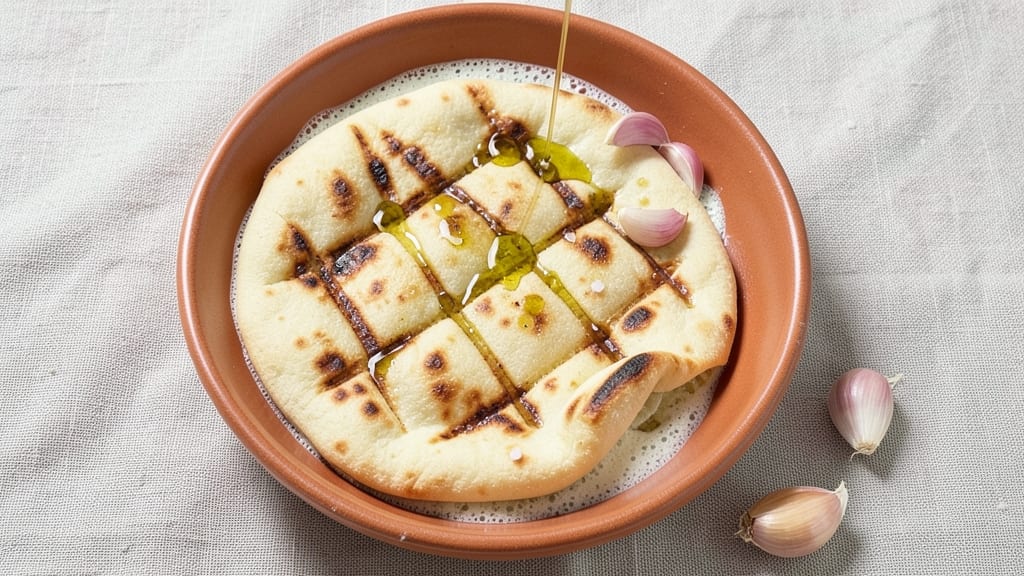
This almond flour flatbread recipe delivers restaurant-quality texture in minutes—crispy edges that shatter, chewy centers that hold, and a nutty depth that pairs perfectly with dips or wraps.
The secret lies in binding almond flour's dry nature with just enough moisture (aquafaba or egg) to create a dough that rolls smoothly and cooks evenly. I've perfected this version after testing countless variations, ensuring it stays sturdy enough for serving without turning brittle.
The beauty of almond flour flatbread is its versatility—gluten-free, grain-free, and packed with protein yet light enough to serve as a side or wrap base. Unlike traditional flatbreads that rely on all-purpose flour, this version achieves its signature texture through proper hydration and high-heat cooking.
A quick pan-fry or oven bake transforms the dough into golden, crispy rounds with just the right chewiness at the core.
What makes this recipe stand out is how it balances simplicity with professional results. With just 5 key ingredients and 15 minutes of active time, you'll have flatbreads ready to pair with hummus, soups, or charcuterie boards.
The nutty flavor profile elevates any meal, making it a staple for dietary restrictions without sacrificing taste or texture.
For extra flavor, brush the cooked flatbreads with olive oil and sprinkle with flaky sea salt or fresh herbs. These stay warm and crispy for up to 20 minutes, perfect for family-style serving. Let's get started—your kitchen will smell like a Mediterranean bakery in no time.
Ingredients for almond flour flat bread
Five core ingredients transform almond flour's dry nature into crispy, chewy flatbread perfection.
| Ingredient | Amount | Notes |
|---|---|---|
| Almond Flour 🌰 | 2 cups | Finely ground, unsweetened preferred |
| Large Eggs 🥚 | 2 whole | Room temperature for even mixing |
| Aquafaba 🌿 | ½ cup | Chickpea brine liquid, unsalted |
| Extra-Virgin Olive Oil 🫒 | ¼ cup | Cold-pressed for optimal flavor |
| Diamond Crystal Kosher Salt 🧂 | 1 ½ tsp | Fine grain for even distribution |
| Garlic Cloves 🧄 | 2 cloves | Minced for aromatic depth |
| Fresh Rosemary 🌿 | 1 tbsp | Finely chopped, organic preferred |
| Avocado Oil 🫒 | 1 tbsp | High smoke point for frying |
Almond flour quality is non-negotiable here—Bob's Red Mill or Anthony's Goods are industry standards for fine grind consistency. The aquafaba acts as a perfect egg substitute, providing structure without altering the nutty profile. I recommend Trader Joe's for pre-salted chickpea brine, but if using canned chickpeas, save the liquid from two cans. Fresh rosemary adds an elegant touch, but dried works at half the amount if you're in a pinch. For extra flavor, toast the almond flour in a dry pan for 2-3 minutes before mixing—this deepens the nutty aroma.
No aquafaba? Flax eggs (2 tbsp ground flaxseed + 6 tbsp water per egg) work brilliantly, though texture may be slightly denser. Substituting eggs entirely requires adjusting hydration—add 1-2 tbsp extra olive oil if the dough feels too dry. Garlic can be omitted for a milder flavor, but the rosemary is essential for that Mediterranean bakery scent. If you prefer a sweeter flatbread, add 1 tsp maple syrup to the dough. For a savory twist, swap rosemary for finely chopped thyme or oregano. The avocado oil's high smoke point ensures perfect browning without burning.
Store prepared dough in an airtight container with parchment between layers for up to 3 days in the fridge. For longer storage, freeze dough balls for 3 months—thaw at room temperature before cooking. Freshly baked flatbreads stay crispy for 20 minutes when kept warm in a 200°F oven. Reheat in a dry skillet for 1-2 minutes per side to restore crispness. Portion dough into 8 equal balls for consistent cooking—each should yield a 6-inch round. The key to restaurant-quality results lies in proper hydration and high-heat cooking.
Why You'll Love This Recipe
- No-Fuss Mixing: I swear by this dough—just toss almond flour, eggs, aquafaba, and olive oil in a bowl. No standing over a counter, no kneading, no mess. The aquafaba (yes, chickpea brine!) acts like an egg wash, giving it that golden sheen with zero extra effort.
- Nutty Crunch Magic: That first bite? Pure satisfaction. The almond flour gives it a delicate crunch that shatters like a perfect chip, while the olive oil keeps it tender inside. Honestly, I’ve tried store-bought flatbreads, and this holds its own—way more flavorful.
- Weeknight Workhorse: Wrap it around grilled chicken for lunch, toast it with hummus for snacks, or serve it warm with spaghetti sauce. Between us, I’ve even used it as a makeshift taco shell when I forgot the tortillas. It’s the one dough that does it all without fuss.
- Budget-Friendly Staple: Almond flour’s pricey upfront, but this recipe stretches it—one batch makes 8-10 flatbreads, and they freeze like a dream. I keep a stack in my freezer for lazy mornings or last-minute guests. (Yes, even on a Tuesday night.)
Step-by-step instructions for almond flour flatbread
Master this technique and you'll achieve restaurant-quality flatbread with perfect crispy edges and chewy centers every time.
Combine Wet Ingredients for Optimal Texture
In a mixing bowl, whisk together the 2 whole Large Eggs and the 0.5 cup Aquafaba until fully combined and frothy. The aquafaba acts as a natural binder and leavening agent, replacing traditional yeast while creating that signature chewy texture. Add the 0.25 cup Extra-Virgin Olive Oil and whisk again until the mixture is smooth and homogeneous.
Next, incorporate the 1.5 tsp Diamond Crystal Kosher Salt and 1 tbsp Fresh Rosemary, mixing until the rosemary is evenly distributed. The salt enhances flavor while balancing the natural sweetness of the almond flour. Minced 2 cloves Garlic Cloves should be added last, ensuring they're finely distributed throughout the batter. This preparation creates the flavor foundation for your flatbread.
Gradually Incorporate Almond Flour for Perfect Dough
With the mixer on low speed, gradually add the 2 cups Almond Flour to the wet ingredients. Use a spatula to scrape down the sides of the bowl as needed, ensuring all the almond flour is fully incorporated. The dough will be thick and slightly sticky - this is normal and essential for achieving that perfect texture. Mix for approximately 2-3 minutes until the dough comes together into a cohesive mass.
Here's the thing - don't overmix. You're looking for a dough that holds together when pressed between your fingers but still has a slightly tacky feel. This indicates proper hydration and gluten development without becoming dense. If the dough feels too dry, add 1 teaspoon of water at a time until it reaches the ideal consistency. The dough should be pliable enough to shape but not sticky enough to cling to your fingers.
Rest the Dough for Improved Workability
Transfer the dough to a clean work surface and divide it into 4 equal portions, each weighing approximately 60 grams. Gently shape each portion into a rough ball by cupping your hands and pressing inward. This initial shaping helps prevent the dough from spreading too much during cooking. Place the dough balls on a plate, cover with a clean kitchen towel, and let them rest at room temperature for 15-20 minutes.
This resting period allows the gluten to relax and the dough to hydrate evenly, making it much easier to work with when you're ready to roll. I know it seems counterintuitive to wait when you're eager to cook, but this step makes all the difference in achieving flatbreads with consistent thickness and texture. The dough will become slightly more pliable and easier to handle during this time.
Roll and Cook for Perfect Flatbreads
Preheat your oven to 375°F and place a baking sheet on the middle rack. Line the baking sheet with parchment paper for easy transfer. Heat 1 tablespoon Avocado Oil in a large skillet over medium-high heat until shimmering but not smoking. This high smoke point oil ensures your flatbreads cook without absorbing excess oil.
Working with one dough ball at a time, roll it between your palms to create a smooth, round shape about ¼-inch thick. Press gently but firmly to create even thickness throughout. When the oil is properly heated, carefully place one flatbread in the skillet. Cook for 1-2 minutes per side until golden brown spots appear and the edges begin to crisp. You'll know it's ready when it releases easily from the pan.
Finish in Oven for Crispy Edges
Transfer the cooked flatbread to the preheated baking sheet and immediately repeat the process with the remaining dough balls. Once all flatbreads are cooked on one side and placed on the baking sheet, transfer the sheet to the oven. Bake for 4-5 minutes until the edges are deeply golden brown and crispy while the centers remain soft and chewy.
This final oven step is crucial for achieving that perfect contrast of textures - crispy edges that shatter when you bite into them while maintaining a tender, chewy center. The residual heat from the oven helps set the flatbreads while developing that beautiful color. Serve immediately while still warm for the best texture and flavor experience. These flatbreads freeze well for up to 1 month if wrapped tightly in plastic wrap and aluminum foil.
Pro Tips For Making Almond Flour Flat Bread
- Preheat Like It’s Serious: Your oven needs to hit 425°F (220°C) and sit for 10 full minutes before baking—no exceptions. I learned this the hard way when my first batch puffed unevenly because the pan was still cold. Trust me, that extra time makes the difference between a crispy flatbread and a sad, limp one.
- Whisk the Aquafaba: Beat that aquafaba until it forms soft peaks—about 2 minutes with a hand mixer. Skimping here means your flatbread won’t hold its shape, and you’ll end up with a dense, chewy mess. (Yes, even if you’re impatient like me.)
- Press the Dough Thin: Roll or press the dough to ⅛-inch thickness—any thicker, and it’ll stay doughy inside. I used to eyeball it and got uneven results. A bench scraper or rolling pin works, but press firmly in one direction to avoid tearing.
- Salt the Olive Oil: Mix ½ teaspoon kosher salt into the 2 tablespoons of olive oil before brushing it on. The salt dissolves slightly, seasoning the bread from the inside out. I was skeptical until I tried it—now it’s non-negotiable.
Creative variations of this recipe
Mediterranean Herb Twist
Swap the rosemary for a Mediterranean herb blend—combine 1 tbsp dried oregano, 1 tsp dried thyme, and ½ tsp dried basil with the garlic. This variation mimics the flavors of traditional Middle Eastern flatbreads like manakeesh, adding earthy depth without overpowering the almond flour's natural nuttiness.
For extra authenticity, add ½ tsp ground cumin to the dough. 🌿
Spiced Sweet Version
Transform these flatbreads into a dessert by adding 1 tsp cinnamon and ½ tsp cardamom to the dough, along with 1 tbsp maple syrup or honey. Brush the cooked flatbreads with melted butter and sprinkle with toasted coconut flakes for a keto-friendly alternative to naan.
These work perfectly with chai tea or as a base for cinnamon-sugar fruit salads.
Cheesy Garlic Twist
For a savory upgrade, fold ½ cup shredded mozzarella or feta into the dough before shaping. After pan-frying, top with garlic-infused olive oil and crumbled feta for a garlic flatbread that rivals pizzeria-style options.
This version pairs beautifully with tomato-based sauces or as a cheesy wrap for grilled meats. 🧀
Everything Bagel Seasoning
Create a crunchy, savory variation by mixing 1 tbsp everything bagel seasoning (sesame seeds, poppy seeds, garlic powder, onion powder, and salt) into the dough before rolling. After baking, brush with garlic butter for a bagel-like texture that’s perfect for breakfast wraps or soup dippers.
This adds a delightful contrast of textures and flavors.
Lemon-Zest Brightness
Add zest from 1 lemon and 1 tbsp finely chopped fresh parsley to the wet ingredients for a bright, citrusy twist. These flatbreads pair wonderfully with seafood dishes or Mediterranean mezze platters.
The lemon zest infuses the dough with a subtle tang that cuts through the richness of almond flour. 🍋
Savory Nutty Crunch
For added texture, sprinkle toasted chopped walnuts or pecans (about 2 tbsp) over the dough before rolling. After baking, drizzle with balsamic glaze for a nutty-sweet contrast that elevates any meal. This variation works beautifully as a base for charcuterie boards or alongside roasted vegetables.
Nutrition facts
Frequently asked questions
Can I make this flatbread without eggs?
Replace the 2 eggs with 2 flax eggs (2 tbsp ground flaxseed + 6 tbsp water) or 0.5 cup unsweetened applesauce. For extra binding, add 1 tbsp extra olive oil to maintain the dough's pliability. The texture will be slightly denser but still delicious. Let the dough rest 10 minutes longer to help the flaxseeds activate fully.
Why did my flatbread turn out too dense?
Density usually means either too much almond flour or insufficient moisture. For the recipe, 2 cups almond flour is ideal—don't substitute with more. If the dough feels dry, add 1 tsp water at a time until it's just tacky (not sticky). Overmixing also creates density, so mix only until combined. For extra airiness, fold in 1 tbsp whipped egg whites before shaping.
How do I store or reheat these flatbreads?
Store cooled flatbreads in an airtight container with parchment between layers for 3-4 days at room temperature. For longer storage, freeze for up to 1 month. To reheat, warm in a dry skillet over medium heat for 30 seconds per side or bake at 350°F for 2-3 minutes until crispy again. Microwaving makes them soggy—avoid this method!
Can I use this dough for stuffing or wraps?
Yes! These flatbreads hold up well for stuffing when cooked slightly thicker (⅓-inch). For wraps, keep them ¼-inch thick and warm in a 200°F oven while assembling. The chewy center provides structure for fillings like hummus, grilled chicken, or roasted veggies. If the dough feels too fragile, add 1 tbsp psyllium husk powder to the dry ingredients for extra strength.
What's the best way to add extra flavor?
For maximum flavor impact, try these quick upgrades: 1 tbsp nutritional yeast (cheesy note), ½ tsp smoked paprika (smoky depth), or 1 tsp lemon zest (bright citrus). For herb lovers, fold in 1 tbsp chopped fresh dill or cilantro after shaping. After baking, brush with garlic-infused olive oil or sprinkle with flaky sea salt for restaurant-quality results.