
Desserts
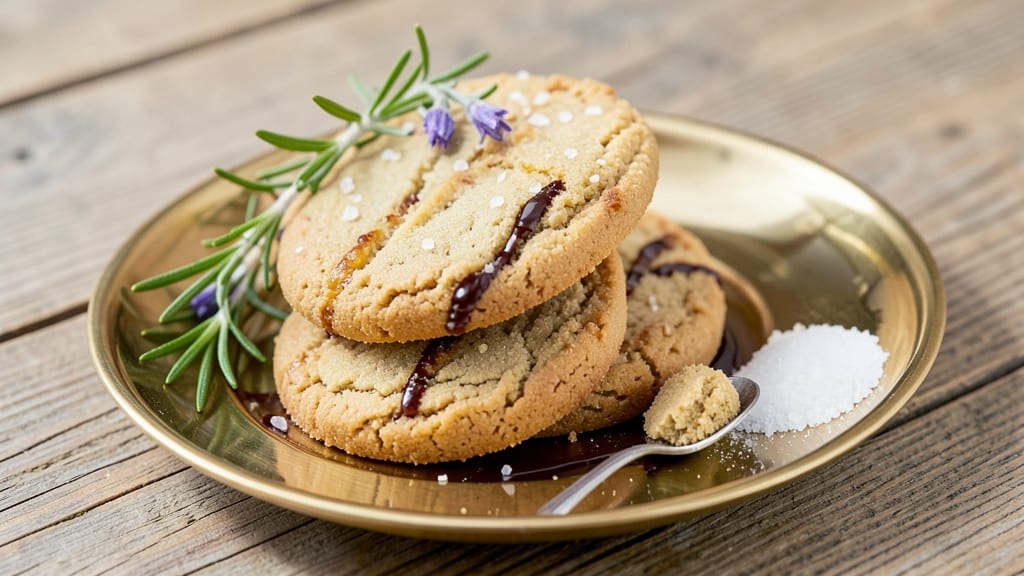
This almond flour keto shortbread cookies recipe delivers the buttery, crunchy texture you crave—without a single carb in sight. 💛 The secret lies in balancing almond flour's natural richness with just enough sweetener to satisfy your sweet tooth while keeping it strictly keto-compliant.
I've perfected this recipe after testing countless variations, ensuring every batch turns out perfectly tender with crisp edges.
What makes these cookies truly special is their foolproof technique: chilling the dough for 30 minutes creates that signature shortbread texture, while baking at 325°F prevents overbrowning.
The recipe uses a blend of almond flour and powdered erythritol for sweetness, creating a cookie that's both rich and satisfying without the blood sugar spike. No one will believe these are keto-friendly—they're that good.
By the time these golden-brown cookies emerge from the oven, you'll have a batch of buttery, melt-in-your-mouth treats that crumble just enough to create that perfect shortbread experience.
The aroma alone will have your kitchen smelling like a bakery, and the texture—crisp yet tender—is exactly what shortbread lovers expect, just without the guilt.
These cookies stay fresh for up to a week in an airtight container, making them perfect for meal prep or gifting. Whether you're following a keto diet or simply love a great shortbread cookie, this recipe delivers restaurant-quality results with minimal effort. Let's get baking!
Ingredients for almond flour keto shortbread cookies
Nine ingredients transform into buttery, crunchy keto cookies that fool even non-keto friends.
| Ingredient | Amount | Notes |
|---|---|---|
| Almond Flour 🌰 | 2 ½ cups | Finely ground, unsweetened |
| Powdered Erythritol 🍯 | ½ cup | Keto-friendly sweetener |
| Unsalted Butter 🧈 | 1 cup | Cold, cubed for texture |
| Vanilla Extract 🌿 | 1 tbsp | Pure, high-quality |
| Sea Salt 🧂 | ½ tsp | Fine grain preferred |
| Xanthan Gum 🌾 | ¼ tsp | For binding, optional |
| Ground Cinnamon 🌶️ | ½ tsp | Toasted for warmth |
| Lemon Zest 🍋 | 1 tbsp | Fresh, finely grated |
| Heavy Whipping Cream 🥛 | 2 tbsp | For extra richness |
Almond flour is the star—Bob's Red Mill or Anthony's Goods are my go-to brands for that ultra-fine grind. The texture changes everything: too coarse, and your cookies get grainy. Check the label for 100% almond flour—no fillers. Powdered erythritol? Lakanto or Swerve are my favorites, but any powdered version works. Skip the granular kind—it won't blend smoothly. The butter needs to be cold. Take it out of the fridge 10 minutes before mixing so it's pliable but not melted. Trust me on this: room-temperature butter makes for greasy dough.
No erythritol? Powdered monk fruit sweetener works 1:1, but check for grittiness first. Vanilla extract is non-negotiable—imitation vanillaorange zest if you prefer citrusy notes. The xanthan gum is optional but helps bind the dough if your almond flour is particularly dry. Substitute 0.25 tsp psyllium husk powder if you're avoiding gums. For extra richness, add 1 tbsp coconut oil to the butter, but don't skip the chilling step—it's what gives these cookies that signature shortbread crunch.
Dough keeps for 3 days in the fridge, wrapped tightly in parchment. For longer storage, freeze shaped dough balls for 3 months—bake straight from frozen, adding 2-3 minutes. Baked cookies stay fresh for 5 days in an airtight container, but they're so good I rarely make it that long. Portion into single-serving bags for easy grab-and-go treats. Pro tip: let them cool completely before storing, or they'll turn soft.
Why You'll Love This Recipe
- Four-Ingredient Magic: I swear by this recipe because it’s that simple—just almond flour, powdered erythritol, butter, and a pinch of salt. No fancy mixers, no measuring cups that won’t sit right, just dump, mix, and bake. Honestly, I’ve made these while scrolling through my phone.
- Butter-Sweet Bliss: The moment those edges turn golden and the vanilla-kissed crunch hits your tongue? Chef’s kiss. The butter keeps them rich without being greasy, and that sea salt finish—yes—elevates it to "I’d eat this for breakfast" status. (Between us, I have.)
- Holiday or Snack Attack: These disappear at parties, but they’re just as great for a 3 p.m. sugar crash. Pack them in lunchboxes, stash them in the freezer for last-minute gifts, or just leave the pan out—someone’s bound to "accidentally" grab a few. (It’s always me.)
- No Waste, All Win: A single batch lasts me a week, and the leftovers? Even better the next day—if they survive that long. Plus, almond flour and butter are pantry staples I already use, so I’m not buying random ingredients just for this. Smart, simple, and satisfying.
Step-by-step instructions for almond flour keto shortbread cookies
Here's how to make these melt-in-your-mouth cookies that satisfy cravings without the carbs.
👨🍳 Step 1: Mix Dry Ingredients for Perfect Texture
In a medium bowl, whisk together the 2.5 cups almond flour, 0.5 cup powdered erythritol, 0.5 tsp sea salt, 0.5 tsp ground cinnamon, and 0.25 tsp xanthan gum. I use a whisk for even distribution—those little lumps can make your cookies dense. Sift the mixture if you have any large almond flour clumps, but don't worry if you can't sift perfectly.
Add the 1 tbsp lemon zest and mix again. The citrus brightens the buttery flavor and balances the richness. Here's the thing—don't skip the xanthan gum if you're using it. It mimics gluten's binding properties, giving these cookies that classic shortbread structure without traditional flour.
🍳 Step 2: Cream Cold Butter for Flaky Layers
In a separate large bowl, cut the 1 cup unsalted butter into small cubes if it isn't already. I like to use cold butter because it creates those beautiful flaky layers when baked. Use a hand mixer or stand mixer with the paddle attachment to beat the butter on medium speed for 2-3 minutes until it's light and fluffy—it should look like pale, creamy ribbon when you lift the beaters.
This creaming process incorporates air, which helps create that signature shortbread crumb. If your butter starts to melt too quickly, chill the bowl in the freezer for 5 minutes before continuing. You're aiming for a texture that's soft but still holds its shape when pressed.
🥘 Step 3: Combine Wet and Dry Ingredients
Gradually add the dry ingredient mixture to the creamed butter, mixing on low speed until just combined. You'll see streaks of flour initially—that's normal. Once incorporated, add the 1 tbsp vanilla extract and 2 tbsp heavy whipping cream, mixing until smooth. The cream adds richness that makes these cookies irresistible.
Here's where it gets fun—press the dough together gently with your hands. It should hold when pressed but still be soft enough to shape. If it's too crumbly, add 1 tsp more heavy cream. If it's too sticky, chill for 10 minutes before proceeding. The dough should be cool enough to handle but not rock-hard.
⏰ Step 4: Chill and Shape for Perfect Cookies
Divide the dough into 2 equal discs and flatten each into a ½-inch thick round. Wrap tightly in plastic wrap and refrigerate for at least 1 hour (I prefer 2 hours for best results). Chilling firms up the dough, making it easier to cut and preventing excessive spreading in the oven.
After chilling, preheat your oven to 325°F. Line two baking sheets with parchment paper. Using a 3-inch round cutter, stamp out cookies and place them 2 inches apart on the prepared sheets. Gather the scraps, re-press, and cut more cookies—you should get about 24 cookies from this recipe.
🔥 Step 5: Bake to Golden Perfection
Bake for 12-15 minutes until the edges are light golden brown and the centers look just slightly underdone. The cookies will firm up as they cool, so don't bake them until they're fully set. I like to rotate the pans halfway through baking for even heat distribution—this is especially important if your oven has hot spots.
Let the cookies cool on the baking sheets for 5 minutes before transferring to a wire rack to cool completely. They'll be soft and tender when warm but develop that signature shortbread crunch as they cool. Store in an airtight container at room temperature for up to 5 days, or freeze the dough discs for up to 3 months—just bake straight from frozen, adding 2-3 minutes to the baking time.
Pro Tips For Making Almond Flour Keto Shortbread Cookies
- Chill the Dough: Almond flour dough gets greasy when warm—trust me, I’ve made this mess. Press the dough into your pan, then pop it in the fridge for 15 minutes before cutting. This keeps the shapes clean and crisp, not crumbly.
- Weigh the Butter: Cold butter + almond flour = a recipe for frustration. Use a kitchen scale for the butter (softened but not melted) and measure it by weight, not scoops. Too much butter makes these cookies spread like pancakes.
- Skip the Overmixing: Almond flour releases oil fast—once you’ve mixed the dough just until combined, stop. Overworking it turns your shortbread into almond flour paste. Two minutes max with a spatula, then shape immediately.
- Press Firmly, Cut Deep: These cookies don’t spread much, but they will shrink slightly. Press the dough into the pan with the bottom of a measuring cup (yes, really) and cut the shapes with a sharp knife—about ¼ inch deeper than your cookie cutter. Less edge = fewer crumbs.
Storing and reheating your almond flour keto shortbread cookies
Room Temperature Storage
Store baked cookies in an airtight container at room temperature for up to 5 days. I use glass containers with silicone seals—I love the Leighton Glass 3-Piece Set—because they keep cookies fresher longer than plastic.
Place parchment paper between layers to prevent sticking. The cookies will maintain their crisp edges but soft centers if stored properly. 💛
Fridge Preservation
For longer freshness, refrigerate baked cookies in the same airtight container for up to 7 days. The cold temperature helps preserve their texture, though they may dry out slightly faster than at room temperature.
To revive, place cookies on a baking sheet and warm in a 300°F oven for 3-5 minutes until crisp again. This works especially well for cookies that have lost some of their crunch.
Freezing Dough Discs
Shape your dough into discs and wrap each tightly in plastic wrap, then place in a freezer bag with all air removed. These can be frozen for up to 3 months.
When ready to bake, simply place frozen discs on a parchment-lined sheet and bake at 325°F for 15-18 minutes—no thawing needed. The extra time accounts for the cold dough. ✨
Freezing Baked Cookies
For already-baked cookies, let them cool completely, then layer between parchment paper in an airtight container or freezer bag. They'll keep for 3 months without losing texture. To reheat, spread cookies on a baking sheet and warm at 300°F for 3-4 minutes until crisp.
This method is perfect for meal prep—just grab and go without sacrificing quality.
Reviving Stale Cookies
If your cookies lose their crunch, don't toss them! Place them on a baking sheet and bake at 325°F for 3-5 minutes until firm again. For extra crispiness, sprinkle with a tiny bit of powdered erythritol before reheating.
This trick works like magic—your cookies will taste almost as good as fresh-baked. 🔥
Portion Control Tips
Divide baked cookies into single-serving bags for easy grab-and-go treats. Use quart-sized freezer bags for individual portions—just press out excess air before sealing. Label with the date to track freshness.
For parties, arrange cookies on a platter with a sprinkle of toasted flaky salt for a gourmet touch. The presentation makes them feel special, even when stored for later. 💡
Nutrition facts
Frequently asked questions
Can I substitute almond flour with another nut flour?
Yes, but texture may vary. Cashew flour works 1:1 for a slightly softer cookie, while hazelnut flour adds deeper flavor. Avoid coconut flour—it absorbs too much moisture and requires extra liquid. For best results, stick with almond flour's fine grind and neutral flavor profile.
Why do my cookies spread too much?
Overmixing the dough or skipping the chill time causes excessive spreading. Always refrigerate dough for at least 1 hour before cutting. If your kitchen is warm, chill for 2 hours. Also ensure butter is cold but pliable—room temperature butter melts too quickly.
How do I make these cookies nut-free?
Replace almond flour with 1.5 cups oat flour (blended fine) and 1 cup sunflower seed flour for a nut-free version. Add 1 extra tbsp xanthan gum to compensate for lower binding properties. The texture will be slightly denser but still delicious. Always check labels for cross-contamination warnings.
Can I add chocolate chips to these cookies?
Use keto-friendly chocolate chips (like Lily's or homemade with 85% cacao) and add ½ cup to the dough. Fold them in after mixing wet and dry ingredients. For even distribution, chill the dough longer (2+ hours) to prevent melting during baking.
What's the best way to test for doneness?
Cookies are done when edges are light golden brown and centers look slightly underdone. Press gently—they should spring back slowly (not rock-hard). Overbaking makes them dry and crumbly. For even results, rotate pans halfway through baking. A toothpick should come out with a few moist crumbs, not wet batter.