
Side Dishes
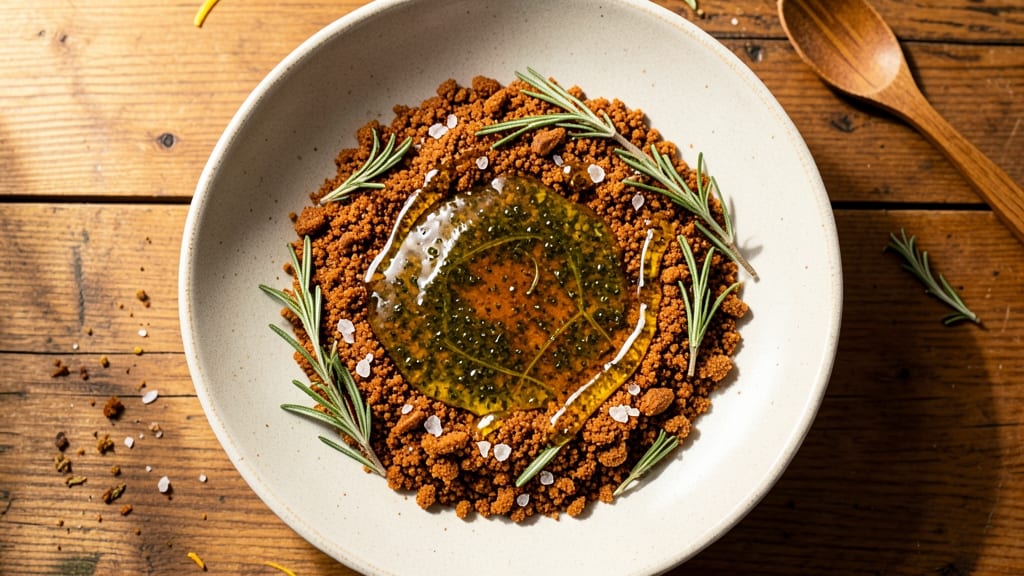
This almond flour unleavened bread recipe delivers crispy, nutty flatbread with zero yeast or gluten—perfect for vegan diets and low-carb lifestyles. The secret lies in binding almond flour with flaxseed meal, creating a sturdy yet tender texture without traditional leaveners.
I developed this recipe after struggling to find a satisfying gluten-free alternative that held up to dipping and sandwiches.
What sets this bread apart is its versatile texture—crispy when baked, chewy when pan-fried, and sturdy enough to support toppings or dips. The recipe relies on simple ingredients: almond flour, flaxseed, water, and olive oil, with optional herbs for depth.
No yeast means no waiting, and no gluten means no compromises on flavor or texture.
By the time you pull these golden-brown flatbreads from the oven, you’ll have a batch of nutty, crisp-edged bread that’s ideal for Mediterranean dips, sandwich wraps, or as a snack on its own.
The almond flour adds a rich, toasty flavor that pairs beautifully with hummus, olive oil, or avocado. This recipe proves you don’t need yeast or gluten to create something truly satisfying.
Whether you’re baking for a meal prep session or craving a quick snack, this foolproof method ensures perfect results every time. The dough comes together in minutes, and the baking process is hands-off, making it ideal for busy weeknights. Let’s get started on your first batch!
Ingredients for almond flour unleavened bread
Simple, plant-based staples transform into sturdy, nutty flatbread without yeast or gluten.
| Ingredient | Amount | Notes |
|---|---|---|
| Almond Flour 🌰 | 2 cups | Finely milled, unsweetened preferred |
| Ground Flaxseed 🌾 | 2 tbsp | Freshly ground for optimal binding |
| Water 💧 | ½ cup | Room temperature preferred |
| Extra-Virgin Olive Oil 🫒 | ¼ cup | High-quality, fruity variety |
| Salt 🧂 | ½ tsp | Diamond Crystal preferred |
| Dried Rosemary 🌿 | ½ tsp | Crushed for aromatic depth |
| Dried Thyme 🌿 | ½ tsp | Or fresh thyme at half amount |
| Baking Powder 🍞 | ½ tsp | Aluminum-free preferred |
| Sesame Seeds 🌻 | 2 tbsp | Toasted for garnish and crunch |
| Nutritional Yeast 🧀 | 2 tbsp | For cheesy flavor enhancement |
| Garlic Powder 🧄 | ½ tsp | Freshly ground preferred |
| Avocado Oil 🫒 | 1 tbsp | For brushing after baking |
The almond flour is the cornerstone here—Bob's Red Mill or Anthony's Goods brands yield the best texture. Look for finely milled, unsweetened varieties to avoid grittiness. Freshly ground flaxseed is non-negotiable for binding; pre-ground loses potency quickly. For the herbs, Penzeys Spices offers premium dried varieties that elevate the flavor profile. The nutritional yeast adds depth without dairy, while the sesame seeds provide that signature crunch. If you can't find Diamond Crystal salt, any fine-grain kosher salt works, but measure precisely—this recipe is sensitive to salt balance.
No almond flour? Sunflower seed flour or hazelnut flour can substitute at a 1:1 ratio, though texture will differ slightly. Short on flaxseed? Chia seeds ground with water work in a pinch, though binding may be slightly weaker. The olive oil can be swapped for avocado or coconut oil, but stay away from flavored oils. For a more robust flavor, add 1 tsp smoked paprika to the dry ingredients. Fresh herbs? Use double the amount of dried—thyme and rosemary are ideal, but oregano works too. The baking powder is optional but helps with rise if you prefer a slightly puffier texture.
Store the dry ingredients in an airtight container for up to 3 months—the flaxseed should be kept refrigerated after grinding. Once mixed, the dough keeps for 2 days in the fridge, wrapped tightly. For best results, bake immediately after mixing. These flatbreads reheat beautifully—5 minutes at 350°F in the oven restores crispiness. Portion into single-serving packages for meal prep; they freeze well for 1 month when wrapped individually. The avocado oil brushing after baking adds that signature crisp edge—don't skip this step!
Why You'll Love This Recipe
- No Mixer Needed: I swear by this—just fold the almond flour, ground flaxseed, and water with my fingers until it holds together. The olive oil binds it like magic, so no overworking or kneading stress here.
- Rich Without Butter: That nutty depth from almond flour? It’s like eating a cross between a dense scone and a cracker, but with a clean, satisfying richness. The olive oil adds a subtle fruitiness that keeps it from tasting dry.
- Shelf-Stable Superstar: I keep a batch in my pantry for weeks—it doesn’t go stale like regular bread. Perfect for packing lunches, toasting with avocado, or even crumbling over salads when fresh bread’s out of the question.
- Budget-Friendly Staple: Honestly, almond flour costs more upfront, but this recipe stretches thin—one batch feeds my family for days. Plus, the flaxseed adds fiber and omega-3s, so you’re basically sneaking in nutrition while saving on groceries.
Step-by-step instructions for almond flour unleavened bread
This method delivers a perfectly textured almond flour bread with a crisp exterior and tender crumb—no yeast required.
Create the Flaxseed Egg Substitute
In a small bowl, combine the 2 tablespoons ground flaxseed with the 0.5 cup water. Let this mixture sit for 10 minutes until it thickens into a gel-like consistency—this acts as our egg substitute to bind the batter. The flaxseed will absorb the water completely, forming a translucent, slightly sticky paste that mimics the binding properties of eggs.
This step is critical for structure. If you skip the waiting time, your bread will be crumbly rather than cohesive. Stir the mixture once after 5 minutes to ensure even hydration. The final texture should resemble raw egg whites in viscosity, not a runny liquid or dry powder.
Mix Wet and Dry Ingredients Separately
In a large mixing bowl, whisk together the 2 cups almond flour, 0.5 teaspoon salt, 0.5 teaspoon dried rosemary, 0.5 teaspoon dried thyme, 0.5 teaspoon baking powder, 0.5 teaspoon garlic powder, and 2 tablespoons nutritional yeast. Sift the dry ingredients lightly through a fine-mesh sieve to aerate the almond flour—this prevents dense pockets in the finished bread.
In a separate bowl, combine the 0.25 cup extra-virgin olive oil with the flaxseed gel you prepared earlier. Whisk vigorously for 30 seconds until fully emulsified. The olive oil should be completely incorporated, leaving no visible streaks. This emulsion creates a smoother batter that bakes more evenly.
Combine and Form the Dough
Gradually pour the wet ingredients into the dry ingredients while stirring with a silicone spatula. Mix just until combined—do not overmix—as this develops gluten-like proteins in the almond flour that can make the bread tough. The dough will be thick and slightly sticky, resembling wet sand more than traditional bread dough.
Fold in the 2 tablespoons sesame seeds at this stage. They'll provide both texture contrast and a nutty aroma. Transfer the dough to a parchment-lined loaf pan (approximately 8x4 inches) and spread it evenly using the spatula. Press down gently but firmly—you want to eliminate air pockets while maintaining a smooth surface. The dough should reach the top edges of the pan.
Bake Until Golden and Firm
Preheat your oven to 350°F and let it fully acclimate for 10 minutes. Brush the top of the dough with 1 tablespoon avocado oil using a pastry brush. This creates a barrier that prevents the crust from becoming too dark while adding subtle richness.
Bake for 35-40 minutes until the top is golden brown and the edges pull away slightly from the pan. Insert a toothpick into the center—it should come out clean with only a few moist crumbs clinging to it. The internal temperature should reach 200°F at the center. If the top browns too quickly, tent loosely with aluminum foil after 20 minutes to prevent over-browning while allowing the center to cook through.
Cool and Slice for Optimal Texture
Remove the bread from the oven and let it cool in the pan for 10 minutes, then transfer to a wire rack to cool completely for another 20 minutes. This gradual cooling prevents cracking and allows the internal structure to set properly. The bread will firm up as it cools, developing that satisfying crusty exterior while maintaining a tender crumb.
Slice with a serrated knife while still slightly warm for cleaner cuts. Each slice should reveal a fine, even crumb with visible sesame seeds distributed throughout. Store wrapped at room temperature for 3 days or freeze for up to 3 months to preserve freshness.
Pro Tips For Making Almond Flour Unleavened Bread
- Mix the Flaxseed First: I learned this the hard way—skip mixing the ground flaxseed with water first, and your dough will turn into a sticky mess. Whisk 1 tablespoon ground flaxseed with 3 tablespoons water for 2 minutes until fully gelled (it’ll look like thick pudding), then fold it into the almond flour. This step guarantees the bread holds together instead of crumbling apart.
- Preheat Pan to Medium-High: Low heat = sad, dense bread. Crank your oven to 375°F (190°C) and let the pan (or baking dish) sit for 5 minutes before pouring in the batter. The initial shock of heat helps the edges set fast, preventing a gummy center—especially crucial since almond flour lacks gluten’s structure.
- Don’t Overmix the Dough: After adding the olive oil and salt, stir just until combined—about 10-12 strokes. Overmixing introduces air pockets that turn into uneven, burnt spots. The dough should look like thick, shaggy cookie dough, not a smooth batter. Trust the texture; it’s supposed to be rough.
- Use a Silicone Scraper: Almond flour sticks like glue to wooden spoons and bowls. Grab a silicone spatula or scraper to fold the wet ingredients into the dry flour—it cuts through the batter cleanly and gets every last bit into the pan. No scraper? A damp rubber spatula works, but you’ll lose more to the bowl.
Wine and beer pairings for this dish
Crisp White Wine
An Italian Pinot Grigio from Alto Adige is my go-to pairing—its bright acidity and citrus notes cut through the rich almond flavor while complementing the rosemary and thyme.
Look for a 2022 or 2023 vintage with crisp apple and pear undertones. The wine’s light body mirrors the bread’s delicate texture, preventing it from feeling heavy. 🍷
Dry Rosé
A Provence-style rosé with its signature pale hue and dry finish balances the nutty depth of almond flour beautifully. Choose one with strawberry and citrus notes, like Whispering Angel.
The rosé’s subtle sweetness enhances the sesame seeds without overpowering the herbs. Serve chilled to let its refreshing qualities shine alongside the warm bread.
Hoppy Beer
For beer lovers, a German Pilsner like Warsteiner or Spaten offers a crisp, clean contrast. The beer’s herbal notes harmonize with the rosemary and thyme, while its effervescence cleanses the palate between bites. Avoid heavy lagers or stouts—they’ll clash with the bread’s delicate structure. Serve at 45°F for optimal flavor.
Herbal Infusions
Experiment with herbal beers like New Belgium Fat Tire (with its coffee and caramel notes) or a wheat beer with citrus zest. The bread’s nutty profile pairs surprisingly well with the beer’s spiced complexity.
For a non-alcoholic option, try a sparkling hibiscus tea—its tartness mirrors the wine pairings while keeping it refreshing. ✨
Olive Oil Drizzle
Before serving, drizzle the bread with extra-virgin olive oil (use the same brand you baked with) and a pinch of flaky sea salt. This adds another layer of richness that pairs perfectly with your chosen beverage.
The oil’s fruity notes bridge the gap between the bread and wine or beer, creating a cohesive bite. 🫒
Nutrition facts
Frequently asked questions
Can I make this almond flour bread without flaxseed?
Yes, but you'll need a binding substitute. Try 1 tablespoon psyllium husk powder mixed with 3 tablespoons water (let sit 5 minutes to thicken), or 2 tablespoons chia seeds with 6 tablespoons water. These create similar gel-like textures. The flaxseed gives the best texture, but these alternatives work in a pinch.
Why does my almond flour dough crumble instead of holding together?
Overmixing or skipping the flaxseed gel resting time causes crumbling. Mix just until combined, and always let the flaxseed/water mixture sit for 10 minutes to fully thicken. Also ensure your almond flour is finely milled—coarse flour lacks binding properties. For extra insurance, chill the dough for 30 minutes before shaping.
Can I bake this in a different shape besides a loaf?
This dough works beautifully as flatbread rounds (roll out 1/4-inch thick and bake 15-18 minutes at 375°F), crackers (cut into shapes, bake 12-15 minutes), or mini muffins (use a mini muffin pan, bake 10-12 minutes). The key is thinner shapes bake faster—adjust time based on your desired thickness.
How do I prevent the bread from getting too oily?
Use the exact amount of oil called for—don't substitute with butter or other fats. For extra crispiness without oiliness, brush the baked bread with 1 tablespoon water and bake 5 more minutes at 400°F. The water evaporates, creating a crisp shell. Also, avoid overbaking—the bread should be golden, not dark brown.
Is this bread safe for nut allergies?
No, this recipe contains almond flour and is not safe for nut allergies. For a nut-free version, substitute with sunflower seed flour or oat flour (certified gluten-free). The texture will differ slightly, but the binding method remains the same. Always check flour labels for cross-contamination warnings.