
Desserts
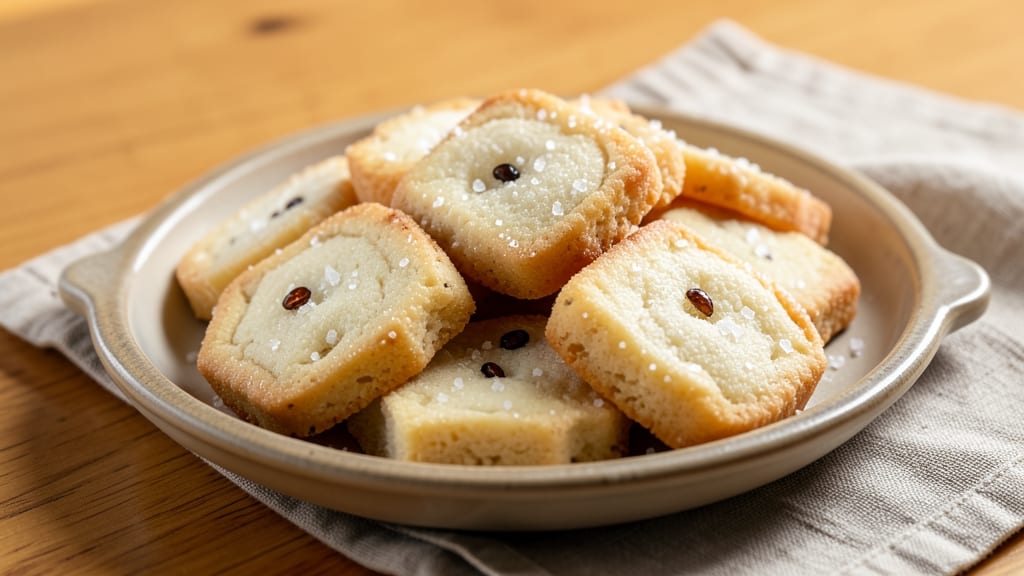
Alton Brown’s shortbread cookie recipe delivers that signature buttery crunch and delicate vanilla kiss that makes every bite irresistible. The secret lies in precise measurements and a chilling step that ensures perfect texture—no dry, crumbly results here.
This recipe honors shortbread’s Scottish origins while bringing Alton’s signature method to your kitchen.
What sets these apart is the slow baking process at a precise 325°F, which creates golden edges while keeping the centers tender. The dough’s high butter content (by weight, not volume) guarantees that signature melt-in-your-mouth texture. No fancy equipment needed—just patience and attention to detail.
By the time you’re done, you’ll have cookies with clean-cut edges, a subtle vanilla aroma, and a crumb that’s both crisp and tender. The key is cutting the dough while still cold and baking in batches for even browning. These aren’t just cookies—they’re a testament to why Alton’s approach works.
Perfect for holiday gifts, dinner parties, or a simple treat, these shortbreads pair beautifully with tea or coffee. The recipe yields about 24 cookies, so you’ll have plenty to share—or keep for yourself. Let’s get baking with precision.
Ingredients for alton brown shortbread cookie
Seven ingredients, precise measurements, and a chilling step for perfect shortbread cookies.
| Ingredient | Amount | Notes |
|---|---|---|
| Unsalted Butter 🧈 | 1 lb | Cold, cubed for even baking |
| All-Purpose Flour 🌾 | 2 cups | Sifted for light texture |
| Granulated Sugar 🍚 | ¼ cup | Fine grain preferred |
| Pure Vanilla Extract 🍯 | 1 tbsp | High-quality, no imitation |
| Diamond Crystal Kosher Salt 🧂 | ½ tsp | Fine grain for even distribution |
| Vanilla Bean Seeds 🌿 | 1 tsp | Scraped from 1 vanilla bean |
| Almond Extract 🌰 | ½ tsp | Pure, not imitation |
The butter is non-negotiable here—Plugrá or Land O’Lakes unsalted are my go-tos, but any high-fat, cold butter works. Buy it a day ahead so it’s fully chilled, or pop it in the freezer for 20 minutes. The flour? King Arthur or Gold Medal yield the best texture, but don’t stress if you’ve got store-brand. Sift it—this isn’t the time to skip. Vanilla extract matters too: McCormick Pure or Nielsen-Massey deliver that authentic kiss. For the vanilla bean seeds, split one pod lengthwise and scrape with a knife—worth the extra effort.
No vanilla extract? Vanilla bean paste at half the amount works in a pinch, but the flavor won’t be as bright. Short on almond extract? Skip it entirely—the vanilla will still shine. If your butter feels too soft, chill the dough for an extra 30 minutes. The sugar can be swapped for powdered sugar at the same amount, but granulated gives that classic shortbread crunch. For salt, Diamond Crystal is key—Morton has anti-caking agents that alter texture. And if you’re feeling fancy, add a pinch of cardamom for a Nordic twist.
Wrap the dough in plastic and chill for at least 2 hours—overnight is ideal. The butter should stay firm but not rock-hard. Cut the dough while cold for clean edges, and bake in batches to avoid overcrowding. Cookies keep in an airtight container for 5 days at room temperature, or freeze the dough logs for 3 months. Reheat in a 300°F oven for 5 minutes to restore that buttery melt. Perfect for gifting—just package while still warm for maximum aroma.
Why You'll Love This Recipe
- No-Fuss Technique: I swear by this recipe because it’s literally three ingredients mixed by hand—no mixer, no fuss. The cold butter gets cut into flour until it resembles wet sand, then shaped into a log, chilled, and sliced. That’s it. No waiting for dough to rise, no rolling out, no stress.
- Buttery Crunch Magic: The moment those cookies hit the oven, the edges turn golden while the center stays tender—like biting into a cloud with a crispy hug. That vanilla? It’s not just a drop; it’s the secret that makes every bite taste like a hug from a bakery.
- Holiday or Snack Attack: Between us, these work for everything. Gift them in tins for Christmas, pack them in lunchboxes for school, or just eat them straight from the pan when you’re craving something sweet. They’re the ultimate neutral canvas—dip in chocolate, sprinkle with flaky salt, or leave them plain.
- Pantry Staple Power: Honestly, this recipe costs me about $3 for a batch of 24 cookies. Butter and sugar are already in my fridge, and the flour? Always on hand. Plus, they keep for weeks in an airtight container—so I’m never scrambling for a last-minute treat.
Step-by-step instructions for buttery vanilla shortbread cookies
Here's how to make Alton Brown's legendary shortbread—crispy edges, tender crumb, and that signature vanilla-almond aroma.
Cut and Chill the Butter for Perfect Texture
Take the 1 lb unsalted butter from the fridge and cut it into ½-inch cubes using a sharp chef's knife. Place them on a parchment-lined baking sheet and refrigerate for 30 minutes while you prepare the rest. This chilling step is non-negotiable—it prevents the butter from melting too quickly during baking, which would make your cookies spread into sad, flat discs.
While the butter chills, sift together the 2 cups all-purpose flour and 0.5 tsp Diamond Crystal kosher salt in a medium bowl. This aerates the flour, ensuring a light, tender cookie instead of a dense one. Gently whisk in the 0.25 cup granulated sugar and set aside. The sugar here is just enough to balance the butter's richness without competing with the vanilla flavors.
Create the Dough with Maximum Flavor Integration
In a stand mixer fitted with the paddle attachment, combine the chilled butter cubes with the 1 tbsp pure vanilla extract and 0.5 tsp almond extract. Mix on low speed until the butter begins to soften—this usually takes about 2-3 minutes. You're not trying to cream it like cookie dough; you just want the butter to coat the extracts evenly.
Add the flour mixture and mix on low speed until just combined—about 30 seconds. The dough will look shaggy and uneven, but that's perfect. Scrape down the sides of the bowl, then add the 1 tsp vanilla bean seeds and mix for another 10 seconds. The seeds will distribute throughout the dough, infusing every bite with real vanilla depth. Avoid overmixing; you want to preserve the shortbread's signature tender crumb.
Shape and Chill for Crispy Edges
Turn the dough out onto a lightly floured surface and gently press it into a 1-inch thick rectangle. Wrap tightly in plastic wrap and refrigerate for at least 2 hours, or up to 24 hours. This long chill is crucial—it firms up the butter so it doesn't melt too quickly in the oven, which ensures those coveted crispy edges. I like to press the dough into a single layer first, then fold it over itself like a book to make handling easier.
While the dough chills, preheat your oven to 325°F. Line two baking sheets with parchment paper—this prevents sticking and makes cleanup a breeze. The lower temperature might seem counterintuitive for crispy cookies, but it gives the butter time to melt evenly without burning. Trust the process; these cookies need gentle heat to develop their signature texture.
Cut and Bake to Golden Perfection
Remove the dough from the fridge and unwrap it. Using a 2½-inch round cutter, press straight down (don't twist) to cut out cookies. Gather the scraps, press them back together, and chill for 15 minutes before cutting more. This prevents the dough from warming up and losing its shape. You should get about 24 cookies from this recipe—enough to share or save for later.
Place the cut cookies 2 inches apart on the prepared baking sheets. Bake for 18-22 minutes until the edges are deep golden brown and the centers still look slightly pale. The cookies will firm up as they cool, so don't overbake. Rotate the pans halfway through for even baking. When you tap the bottom of a cookie, it should sound hollow—this is your cue that they're perfectly done.
Cool and Enjoy the Crunch
Transfer the cookies to a wire rack to cool completely. Here's the thing—shortbread needs time to set. If you try to eat them warm, they'll be soft and chewy. Let them cool for at least 1 hour before serving. This waiting period pays off with that glorious crunch you're after, plus the flavors meld beautifully.
Once cooled, store the cookies in an airtight container at room temperature for up to 5 days. They'll keep their crispness better than most cookies, thanks to that high butter content. Serve with a cup of tea or coffee—these cookies are the perfect buttery companion to any warm beverage. The vanilla-almond aroma will fill your kitchen, and every bite delivers that melt-in-your-mouth texture with just a hint of sweetness.
Pro Tips For Making Alton Brown Shortbread Cookie
- Chill the Dough Properly: After mixing, wrap the dough tightly in plastic and refrigerate for at least 2 hours—ideally overnight. I learned this the hard way when I rushed a batch and ended up with cookies that spread like pancakes instead of holding their shape.
- Use Cold Butter, Not Warm: Pull the butter straight from the fridge and cut it into cubes before creaming—no need to soften it first. This keeps the texture tender and prevents the cookies from turning out greasy or dense.
- Press for Even Thickness: Use a bench scraper or the bottom of a glass to press the dough into the pan, aiming for about ¼-inch thickness. Inconsistent thickness leads to some cookies baking faster (and burning) while others stay undercooked.
- Salt the Edges, Not Just the Center: Sprinkle the kosher salt only on the edges of the dough before baking—this creates that signature crispy, salty border without overpowering the whole cookie. (Yes, even if it looks weird, it works.)
Troubleshooting perfect results
Dough Too Soft?
If your dough feels too soft after chilling, return it to the fridge for an extra 30-60 minutes. Soft dough spreads excessively during baking, ruining that perfect shortbread shape. I’ve had this happen when my kitchen was warm—just be patient.
For a quick fix, place the dough on a chilled baking sheet before shaping to help firm it up faster. 🧊
Cookies Spread Too Much
Over-spreading usually means the butter melted too quickly. First, ensure your butter was properly chilled before mixing. If you skipped the 30-minute butter-chilling step, your cookies will spread into sad, flat discs.
For next time, use a 2-inch round cutter instead of the 2½-inch—smaller cookies bake faster and hold their shape better. Also, bake at 325°F (not higher) to give the butter time to melt evenly. ⏱️
Edges Too Pale
Pale edges mean your cookies didn’t bake long enough. Shortbread needs that deep golden color for proper texture. Increase bake time by 2-3 minutes and check again. If your oven runs hot, try 300°F instead.
For even browning, rotate pans halfway through baking. Pro tip: Use a light-colored baking sheet—dark pans can burn the bottoms before the tops brown. 🔥
Dry or Crumbly Texture
This happens when the dough warms up too much before baking. Always cut cookies from cold dough (straight from the fridge) and chill scraps for 15 minutes before reusing. If your dough feels dry, add 1 tbsp cold water and mix gently—just until combined.
Overmixing introduces gluten, which makes shortbread tough. For extra moisture, replace 1 tbsp flour with 1 tbsp cornstarch. 💧
Uneven Baking
Uneven baking is usually caused by overcrowding the pan. Leave 2 inches between cookies for proper air circulation. If your oven has hot spots, rotate pans halfway through baking. For extra insurance, bake one tray at a time.
Also, ensure your oven is fully preheated—cold spots can form if you load cookies into a lukewarm oven. A thermometer helps confirm your oven’s accuracy. 🌡️
Vanilla Flavor Missing
Weak vanilla flavor often means the extract wasn’t distributed evenly. Mix the vanilla extract directly into the butter cubes before adding flour. For deeper flavor, scrape seeds from 1 vanilla bean and fold them into the dough at the end.
If using imitation vanilla, switch to high-quality pure extract—it makes a world of difference. A splash of vanilla bean paste can also boost intensity. 🌿
Nutrition facts
Frequently asked questions
Why does Alton Brown's recipe use butter cubes instead of softened butter?
Cutting the butter into cubes ensures even baking and prevents excessive spreading. The cold butter melts gradually at 325°F, creating that signature crispy edge while keeping the center tender. Softened butter would melt too quickly, resulting in flat, cake-like cookies instead of the perfect shortbread texture.
Can I substitute powdered sugar for granulated in this recipe?
You can try it, but granulated sugar is preferred for its texture. Powdered sugar dissolves faster, which can make the dough slightly softer. If you substitute, use the same amount and expect a marginally chewier result. For classic shortbread crunch, stick with granulated.
How do I store these cookies to maintain their crispness?
Store in an airtight container at room temperature for up to 5 days. For longer storage, freeze the dough logs (unbaked) for 3 months. To revive, bake from frozen at 325°F for 20-25 minutes. Avoid refrigerating baked cookies—they'll lose their crispness faster.
What's the best way to cut the dough for clean edges?
Use a 2½-inch round cutter and press straight down (don't twist) through cold dough. Keep scraps chilled for 15 minutes before reusing. For extra precision, dip the cutter in flour between cuts. Warm dough = messy edges! The key is patience—cold dough yields clean cuts.
Can I make these gluten-free?
Yes, but texture may differ. Replace flour with a 1:1 gluten-free baking blend (like Bob's Red Mill) plus ½ tsp xanthan gum. Expect slightly denser cookies. For best results, use a gluten-free vanilla extract too—some contain gluten. Test with a small batch first.