
Side Dishes
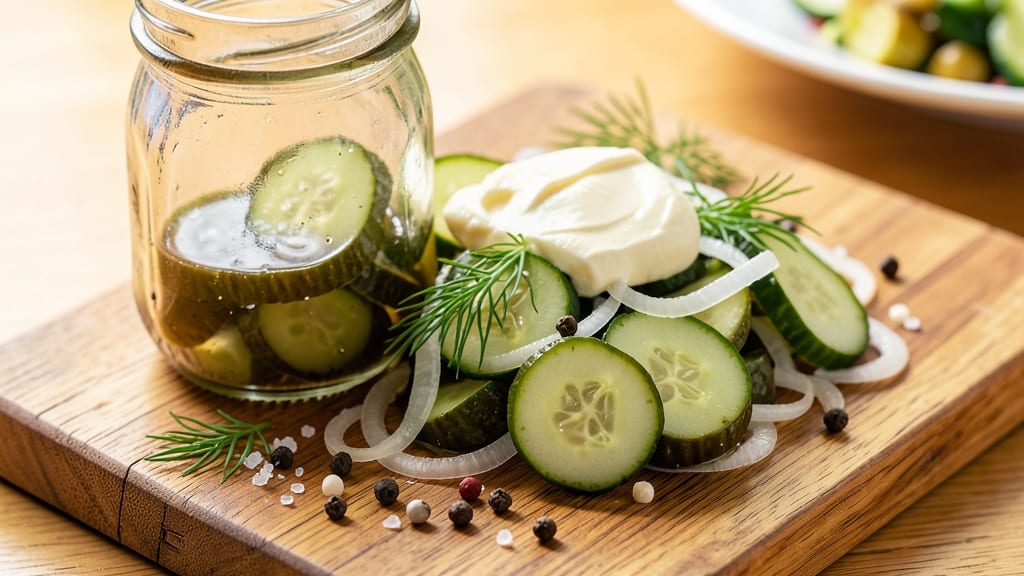
America's Test Kitchen bread and butter pickle recipe delivers the perfect balance of crunchy texture, sweet-tangy flavor, and that signature vinegar brightness that makes them irresistible. 💛 The secret lies in precise cucumber slicing—thin, even pieces ensure consistent crunch without turning mushy—and a carefully calibrated brine that preserves both texture and flavor for weeks.
This isn't your grandmother's quick pickle; it's a methodically refined recipe that transforms simple ingredients into a side dish worthy of any sandwich or charcuterie board.
The process starts with a hot brine that locks in crispness while infusing the cucumbers with sweetness from sugar and acidity from vinegar. America's Test Kitchen's approach eliminates guesswork: specific boiling times for the brine, exact cucumber thickness measurements, and the right jar-packing technique prevent soggy results.
Even beginners can achieve restaurant-quality pickles with these foolproof steps. What sets this recipe apart is the attention to detail—like the optional addition of mustard seeds or dill—that elevates homemade pickles beyond basic canning projects.
Once jarred, these pickles develop deeper flavor over time, rewarding patience with every tangy, sweet bite. The recipe's precision ensures they stay crisp for weeks in the refrigerator, making them perfect for meal prep.
Whether paired with smoked meats, served alongside burgers, or enjoyed straight from the jar, these pickles deliver that satisfying crunch and bright acidity that makes them a pantry staple. The method is simple but not simplistic—every step serves a purpose in creating the ideal balance of sweet, tangy, and crunchy.
For those who want to experiment, variations like adding a pinch of red pepper flakes or a splash of apple cider vinegar open doors to customization without sacrificing the core recipe's integrity. The key takeaway?
This isn't just another pickle recipe—it's a foolproof system that transforms humble cucumbers into a versatile, crowd-pleasing side dish. Ready to make your own? Let's get started with the ingredients and step-by-step instructions that make all the difference.
Ingredients for america's test kitchen bread and butter pickle
Six pounds of cucumbers, precise measurements, and a hot brine transform into restaurant-quality pickles.
| Ingredient | Amount | Notes |
|---|---|---|
| Persian or Kirby Cucumbers 🥒 | 3 lb | Thinly sliced, uniform thickness |
| White Vinegar 💧 | 2 cups | White distilled preferred |
| Granulated Sugar 🍚 | 1 ½ cups | White or raw preferred |
| Coarse Kosher Salt 🧂 | ½ cup | Diamond Crystal preferred |
| Unsalted Butter 🧈 | ¼ cup | Cold, cubed for flavor infusion |
| Fresh Dill Weeds 🌿 | ¼ cup | Chopped, stems removed |
| Yellow Mustard Seeds 🌶️ | 1 tbsp | Whole seeds, toasted |
| Garlic Cloves 🧄 | 3 cloves | Thinly sliced, peeled |
| Red Pepper Flakes 🌶️ | ½ tsp | Optional for heat |
| Pickling Spice Blend 🌿 | 1 tbsp | Optional, 1 tsp each bay leaf, allspice, cloves |
| Lemon Peels 🍋 | 1 tbsp | Thinly sliced, organic preferred |
| Half-Pint Mason Jars 🍶 | 6 whole | Sterilized with lids |
The cucumbers are non-negotiable—Persian or Kirby varieties hold their shape best, while larger cucumbers yield more liquid. Local farmers markets often carry these specialty varieties, but any firm, blemish-free cucumbers work in a pinch. For the vinegar, white distilled vinegar is ideal, but apple cider vinegar adds subtle complexity. The sugar should be white granulated for even dissolving, though raw sugar creates a more textured brine. Pre-measure everything using a kitchen scale for precision—this recipe rewards exactness. The butter cubes infuse flavor without altering texture, and European-style butter (like Plugrá) has higher fat content for richer taste.
No yellow mustard seeds? Substitute with 1 tsp ground mustard, though texture differs. Fresh dill is non-negotiable for authentic flavor, but dried dill at half the amount works if you're in a bind. The garlic can be minced instead of sliced for more surface area. For heat, substitute cayenne pepper at half the amount of red pepper flakes. The pickling spice blend is optional but adds depth—Trader Joe's sells pre-mixed blends that simplify the process. If you're avoiding sugar, sucralose or stevia at 1/4 tsp per cup mimics sweetness without fermentation issues. Always sterilize jars by boiling lids 10 minutes in water before filling.
These pickles develop peak flavor after 2-3 days in the fridge but stay crisp for up to 2 months. Store jars in the coldest part of your refrigerator, avoiding temperature fluctuations. For meal prep, portion into smaller jars or containers—they keep perfectly for 1 week once opened. The brine can be reused for 1 additional batch if strained and reheated. For gift-giving, tie a ribbon around the jar lid and include a handwritten note about the 3-week aging process that enhances flavor. Freezing isn't recommended as it alters texture, but the pickles can be refrigerated for 6 months if sealed tightly.
Why You'll Love This Recipe
- No-Fuss Prep: I swear by this recipe because it’s actually simple—just slice cucumbers, mix with vinegar and sugar, and let time do the work. No peeling, no fancy techniques, just a jar of crunchy perfection waiting for you.
- Sweet-Tangy Magic: That perfect balance of sugar and vinegar? It’s ridiculously addictive, especially when the butter coats the cucumbers just right. Honestly, once you try it, you’ll reach for this instead of store-bought every time.
- Party in a Jar: Serve it with burgers, sandwiches, or even straight from the jar—it’s my go-to for potlucks, BBQs, or lazy Sunday brunches. Between us, it’s the one side dish that everyone asks for seconds on.
- Lasts for Weeks: Make a big batch—it keeps for months in the fridge, so you’re always covered for leftovers, lunch prep, or last-minute guests. And with just a few pantry staples, it’s one of my most budget-friendly staples.
Step-by-step instructions for america's Test Kitchen bread and butter pickles
Mastering these pickles comes down to precision—uniform slicing, proper brining, and gentle heat infusion.
🔪 Step 1: Prepare the Cucumbers with Surgical Precision
Wash the 3 lb Persian or Kirby cucumbers thoroughly and trim off both ends. Using a mandoline slicer set to ⅛-inch thickness, slice the cucumbers lengthwise into uniform strips—this ensures even cooking and consistent texture. I like to work in batches to avoid overcrowding the slicer.
Transfer the sliced cucumbers to a large mixing bowl. Immediately sprinkle with 0.5 cup coarse kosher salt and toss gently with your hands to distribute evenly. Let them sit for 15 minutes—this draws out excess moisture that would otherwise make the pickles mushy. Drain in a colander and press firmly with a clean kitchen towel to remove all liquid. This step is non-negotiable for crisp results.
🍳 Step 2: Create the Sweet-Tangy Brine
In a medium saucepan, combine 2 cups white vinegar, 1.5 cups granulated sugar, and 0.25 cup cold unsalted butter (cut into small cubes). Bring to a gentle simmer over medium heat, stirring until the sugar fully dissolves and the butter melts completely—this should take about 5-7 minutes. The mixture will smell like a candy shop meets a vinegar factory, but trust the process.
Remove from heat and stir in 0.25 cup chopped fresh dill weeds, 1 tbsp toasted yellow mustard seeds, 3 thinly sliced garlic cloves, 0.5 tsp red pepper flakes, 1 tbsp pickling spice blend, and 1 tbsp lemon peels. Let the mixture steep for 10 minutes while you prepare the jars. This infusion period allows the spices to soften and the flavors to meld—critical for that authentic bread-and-butter profile.
🥘 Step 3: Pack and Process the Jars
Ladle the hot brine into each of the 6 sterilized half-pint mason jars, filling them to within ½ inch of the rim. Using a slotted spoon, distribute the drained cucumber slices evenly among the jars, packing them gently but firmly—this prevents floating and ensures even exposure to the brine. Leave ½ inch headspace at the top of each jar.
Wipe the jar rims with a clean, damp cloth to remove any residue, then seal with sterilized lids. Process in a water bath canner for 10 minutes—this drives out air bubbles and creates a vacuum seal. Start timing only after the water returns to a full rolling boil. The jars should make satisfying popping sounds as they seal. Let them cool completely before storing.
⏰ Step 4: Rest and Develop Flavors
Allow the sealed jars to cool at room temperature for 24 hours before refrigerating. This resting period lets the flavors meld and the texture firm up—you'll notice the pickles develop a deeper sweetness and brighter tang. The butterfat in the brine will also rise to the surface, creating that signature creamy sheen.
Once chilled, taste one of the pickles. It should be crisp with a satisfying crunch, sweet but not cloying, with bright vinegar notes and subtle dill heat. If you prefer more heat, add an extra pinch of red pepper flakes to future batches. These pickles will keep in the refrigerator for up to 6 months, with flavor actually improving over time.
Pro Tips For Making America'S Test Kitchen Bread And Butter Pickle
- CHOP CUCUMBERS UNIFORMLY: The recipe calls for ½-inch slices, but I learned the hard way—uneven pieces mean some stay crunchy while others turn mushy. Use a sharp knife or mandoline for clean cuts, and work in batches if needed. No one wants a pickle buffet with textures.
- SALT THE BRINE COLD: Stir that kosher salt into the vinegar-sugar mix before heating it. I used to add it later, and the salt would clump or not dissolve fully. Cold brine means better distribution—your pickles won’t taste like you forgot half the salt in the pantry.
- SKIP THE BOILING OVERFILL: The jar should be packed tight but not overflowing—leave at least ½ inch of headspace. I once jammed in too many cucumbers, and the brine boiled over, making a sticky mess. Trust the recipe’s measurements; your future self will thank you.
- CUT BUTTER INTO COLD BRINE: The butter should go into the cooled brine, not the hot one. I tried adding it warm once, and it turned greasy instead of emulsifying properly. Let the brine sit until it’s just warm to the touch—about 10 minutes after removing from heat—before stirring in the butter. It makes all the difference.
Make-ahead tips for america's test kitchen bread and butter pickle
Prep Ahead Strategy
Slice the cucumbers and brine mixture can be prepped 24 hours ahead—store the drained cucumbers in an airtight container in the fridge, and refrigerate the brine separately.
This saves 30 minutes of active time on cooking day. I always do this when hosting dinner parties because it keeps everything organized. 📅
Jarring Efficiency
Sterilize jars and lids 1 day before making the pickles to streamline assembly. Place them on a baking sheet and bake at 200°F for 30 minutes, then store in a dry, warm place until ready to use.
This eliminates last-minute scrambling and ensures a perfect seal every time. I label jars with dates using a permanent marker for easy tracking. ⏰
Flavor Development Timeline
For maximum flavor, let the pickles sit in jars 3-5 days before eating—they develop deeper sweetness and tang. I make a big batch on Sunday so they're ready by Wednesday, perfect for sandwiches or charcuterie boards.
The longer they rest, the better they taste, but they stay crisp for up to 6 months in the fridge. 💫
Portioning for Meals
Divide pickles into smaller containers after opening for easy grab-and-go use. I portion into 4-ounce mason jars or reusable silicone containers—they keep perfectly for 1 week in the fridge. This makes them ideal for lunches or quick snacks without worrying about the whole jar going bad. ✨
Brining Shortcut
If you're short on time, use 1 cup hot water instead of vinegar for a quick-pickle version. Combine with 1 cup vinegar, ½ cup sugar, and ¼ cup salt, then pack cucumbers immediately.
These stay crisp for 3-4 days but lack the depth of the full recipe. I use this method for last-minute entertaining when I don't have time for the full process. 💡
Gifting Ready
Wrap jars in kraft paper with twine and a handwritten tag for beautiful gifts. Include a note about the 3-week aging process to explain why they taste so good.
I've given these as holiday gifts for years—they're always a hit and make great hostess presents. The presentation elevates them from pantry staple to party favorite. 🎁
Nutrition facts
Frequently asked questions
Why do the cucumbers need to be sliced so thinly?
Thin, ⅛-inch slices ensure even cooking and maximum crunch—thicker slices stay crunchy on the outside but turn mushy inside. The uniform thickness also helps the brine penetrate evenly, creating that signature tender-crisp texture. America's Test Kitchen found this thickness delivers the best balance of texture and flavor infusion.
Can I use regular cucumbers instead of Persian or Kirby?
You can, but expect slightly larger slices (¼-inch thick) and more liquid release. Regular cucumbers contain more water and seeds, which can make the pickles softer. For best results, peel them first and slice against the grain to reduce seediness. The flavor will still be great, just with slightly different texture.
How do I know when the jars are properly sealed?
After cooling, press the center of each lid—it should stay pushed down and not pop back up. If it springs back, the seal failed and the pickles should be refrigerated (not canned) for 1 week of safe eating. Properly sealed jars will make a distinct "ping" sound when sealed correctly during processing.
What's the difference between this recipe and quick-pickled cucumbers?
This is a fermented-style recipe with a hot brine that develops deeper flavor over time, while quick-pickles use cold brine and stay crisp for only 3-5 days. The butter and sugar in this version create that signature sweet-tangy profile that quick-pickles lack. For quick-pickles, skip the processing step and use cold brine.
Can I make these pickles without vinegar?
Not recommended—the vinegar is essential for both preservation and that signature tang. For a vinegar-free version, you could try using lemon juice (equal parts) plus 1 tsp citric acid per cup of liquid), but the flavor and shelf life will differ significantly. The recipe relies on vinegar's acidity to create the proper balance.