Side Dishes
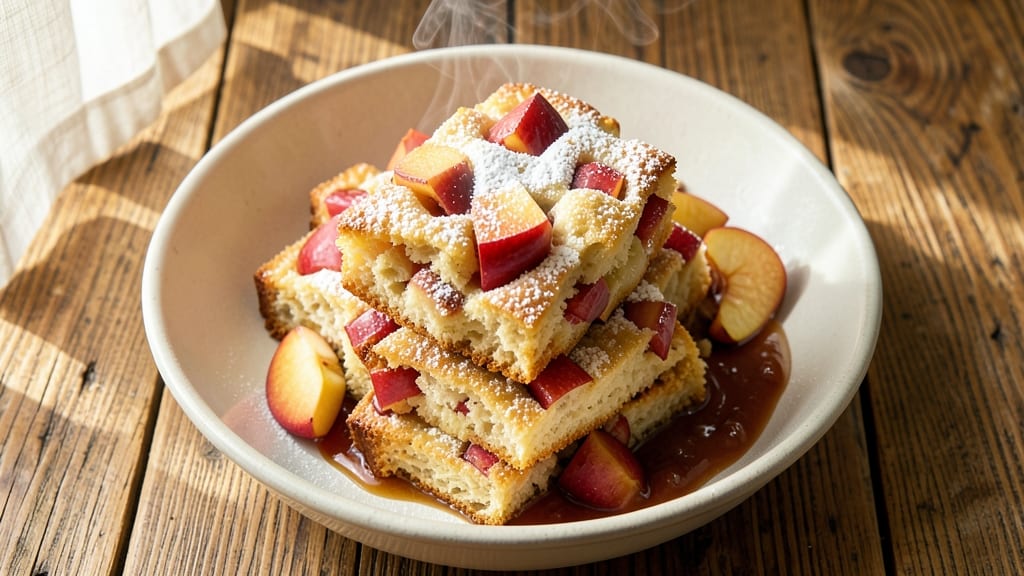
This Amish homemade apple fritter bread by homemade recipe brings a taste of Pennsylvania farmhouse kitchens to your table, where simplicity meets comfort in every golden bite.
The secret lies in a foolproof yeast dough that rises just enough to create tender layers, while the apple filling—spiced with cinnamon and nutmeg—transforms ordinary apples into something extraordinary.
I’ve perfected this recipe over years of baking, ensuring the apples stay tender and the bread stays moist, even when sliced the next day.
The beauty of this recipe is in its whole-ingredient approach, a hallmark of Amish cooking. No shortcuts, no artificial flavors—just flour, sugar, butter, and apples, all combined with patience.
The dough is mixed by hand (or with a stand mixer), then shaped into a loaf and filled with a warm apple mixture that caramelizes slightly during baking, creating a vanilla-apple harmony that’s impossible to resist.
The slow-baked method ensures the crust stays crisp while the inside remains soft and pillowy.
What you’ll end up with is a loaf that’s perfect for breakfast with butter, a cozy dessert with coffee, or even a sweet addition to a lunchbox. The aroma of cinnamon and apples baking in the oven fills the kitchen, making it impossible to wait for the timer to ding.
This isn’t just bread—it’s a restaurant-quality treat you can make at home, with none of the fuss.
Whether you’re serving it warm from the oven or slicing it the next morning, this apple fritter bread delivers the kind of homestyle comfort that feels like a hug. Let’s get started—your kitchen (and taste buds) will thank you.
Ingredients for amish homemade apple fritter bread by homemade
Simple pantry staples meet fresh apples in this rustic Amish fritter bread recipe.
| Ingredient | Amount | Notes |
|---|---|---|
| All-Purpose Flour 🌾 | 5 cups | Sifted for light texture |
| Granulated Sugar 🍚 | 1 ½ cups | White or light brown |
| Unsalted Butter 🧈 | 1 cup | Cold, cubed for dough |
| Active Dry Yeast 🍞 | 2 ¼ tsp | Fresh yeast preferred |
| Large Eggs 🥚 | 2 whole | Room temperature |
| Milk 🥛 | 1 cup | Warm for yeast activation |
| Vanilla Extract 🍦 | 2 tsp | Pure vanilla preferred |
| Salt 🧂 | 1 tsp | Fine sea salt |
| Ground Cinnamon 🌿 | 2 tsp | For dough and filling |
| Ground Nutmeg 🌿 | ½ tsp | Freshly grated preferred |
| Apples 🍎 | 4 medium | Peeled, cored, diced |
| Lemon Juice 🍋 | 2 tbsp | Freshly squeezed |
The apples are the heart of this recipe—Granny Smith or Honeycrisp hold up best to baking. Local farm stands often have the best selection, but any crisp apple works. I always buy a pound or two extra to use in other recipes. The flour should be all-purpose, not bread flour—this keeps the texture tender rather than dense. For the yeast, Bob’s Red Mill active dry yeast is my go-to, but any brand works if it’s fresh (test it by sprinkling in warm water with a pinch of sugar—it should foam in 5-10 minutes).
No vanilla extract? Vanilla bean paste works perfectly, or a pinch of vanilla sugar if you're in a pinch. Swapping apples? Pears work too—just reduce lemon juice to 1 tbsp to avoid over-acidifying. The butter needs to be cold for the dough (I pull it from the fridge 10 minutes before using). For a quicker version, melt the butter first and mix it into the dough last, but the texture won’t be quite as tender. The milk should be warm but not hot—microwave for 30 seconds if it’s cold.
This dough keeps for 24 hours in the fridge if wrapped tightly in plastic. The filled loaf can be baked ahead and reheated—350°F for 10-15 minutes restores that fresh-from-the-oven warmth. For extra flavor, brush the baked loaf with melted butter and sprinkle with cinnamon sugar. Portions freeze beautifully—wrap slices in parchment and freeze for up to 3 months.
Why You'll Love This Recipe
- No Yeast Nightmare: I swear by this recipe because the dough rises just right—no waiting all day or guessing if I overproofed it. The yeast and butter combo gives that tender crumb without requiring a baker’s patience.
- Caramelized Apple Magic: That sugar-butter swirl? It’s the star. The apples get tender enough to melt in your mouth while the crust stays golden—like a cross between a cinnamon roll and a Dutch apple pie.
- Breakfast or Snack: Honestly, this works for both. Toast a slice for breakfast with jam, or serve warm with butter for a cozy afternoon treat. My kids grab it straight from the pan—no judgment here.
- Pantry Staple Power: Between us, this uses flour, sugar, butter, and eggs—stuff you already have. And leftovers? They freeze like a dream. I pull out a batch on lazy mornings or when company drops by.
Step-by-step instructions for Amish homemade apple fritter bread
Here's how to create this comforting, slow-baked treat with tender layers and spiced apple goodness.
Prepare the Yeast and Mix the Dough
In a small bowl, combine the 1 cup warm milk with the 2.25 tsp active dry yeast and let it sit for 5-10 minutes until it becomes frothy. This activates the yeast and ensures your bread rises properly. The mixture should bubble and smell slightly sweet—if it doesn't, your yeast might be old or the milk too hot.
In a large mixing bowl, whisk together the 5 cups all-purpose flour, 1.5 cups granulated sugar, 1 tsp salt, 2 tsp ground cinnamon, and 0.5 tsp ground nutmeg. Create a well in the center and add the yeast-milk mixture, 2 whole eggs, and 1 cup cold cubed butter. Mix with a wooden spoon until a shaggy dough forms, then turn it out onto a lightly floured surface and knead for 8-10 minutes until smooth and elastic. The dough should be soft but not sticky—add a little more flour if needed.
First Rise and Prepare the Apple Filling
Shape the dough into a ball, place it in a lightly greased bowl, cover with a clean kitchen towel, and let it rise in a warm place for 1-1.5 hours or until doubled in size. This first rise develops the gluten and gives your bread that light, airy texture. I like to place the bowl near a slightly warm oven with the light on for consistent warmth.
While the dough rises, prepare the apple filling. Peel, core, and dice the 4 medium apples into small, even pieces. Toss them with 2 tbsp lemon juice to prevent browning, then mix in 1 tsp of the ground cinnamon and 0.25 tsp of the ground nutmeg. Set aside—this keeps the apples fresh and flavorful until you're ready to use them.
Shape the Dough and Add the Apple Filling
Punch down the risen dough to release the air, then roll it out on a floured surface into a 12x18-inch rectangle. Spread the apple filling evenly over the dough, leaving a 1-inch border around the edges. This ensures the apples stay contained and the bread holds its shape during baking.
Roll the dough tightly into a log, starting from one of the long sides. Pinch the seam to seal, then coil the log into a circle, bringing the ends together and pinching again to form a perfect ring. Place the ring on a parchment-lined baking sheet, seam-side down, and let it rise again for 30-45 minutes until puffy. The dough should expand noticeably, but it doesn't need to double like the first rise.
Bake to Golden Perfection
Preheat your oven to 350°F and bake the fritter bread for 45-55 minutes, until the top is golden brown and the internal temperature reaches 190°F. The edges should pull away from the pan slightly, and the aroma should fill your kitchen with warm vanilla and spiced apple scents. If the top browns too quickly, tent the bread with foil to prevent over-browning while it finishes baking.
Remove the bread from the oven and let it cool on a wire rack for 10-15 minutes before slicing. The center should be warm and the apples tender but still holding their shape. Serve warm with a dusting of powdered sugar or a dollop of whipped cream for the ultimate Amish-inspired treat.
Pro Tips For Making Amish Homemade Apple Fritter Bread By Homemade
- Bloom Yeast in Warm Milk: DESCRIPTION: Skip the dry yeast shortcut—mix it with a splash of warm milk (about 110°F) first. This guarantees it activates fully before hitting the flour, and you’ll avoid that weird metallic aftertaste from underproofed yeast. (Yes, even if you’re impatient like me, give it 5 minutes.)
- Cut Cold Butter in Stages: DESCRIPTION: Work the butter into the dough in small chunks, tossing flour over it as you go. Cold butter creates flaky layers, but if you add it all at once, you’ll end up with a greasy mess instead of those perfect, crispy apple pockets. Use a pastry cutter or your fingers—just don’t overwork it.
- Proof Until Fingers Press In: DESCRIPTION: The dough’s ready when it springs back slowly when you poke it with a wet finger. Rushing it leads to dense, chewy bread, and no one wants that with apple fritter dough. Cover it loosely and let it rise in a warm spot—near the oven with the light on works if you’re in a hurry.
- Fry in Small Batches: DESCRIPTION: Overcrowding the pan drops the oil temperature, so you’ll get soggy fritters instead of golden, crispy ones. Keep the oil at 350°F and fry 2–3 at a time—yes, it means more flipping, but the difference is worth it. A deep-fry thermometer is your best friend here.
Storing and reheating this amish homemade apple fritter bread by homemade
Room-Temp Revival
If your apple fritter bread has sat at room temperature for a few hours, revive it by wrapping the entire loaf in a damp kitchen towel and microwaving for 30-45 seconds. This steams the crust just enough to restore its softness.
For extra warmth, place the wrapped loaf in a 200°F oven for 5-10 minutes—the residual heat will bring back that fresh-baked aroma. 🌟
Refrigerator Refresh
Store leftovers in an airtight container for up to 4 days. To reheat, slice the bread and arrange on a microwave-safe plate. Cover with a damp paper towel and heat on 50% power for 20-30 seconds per slice.
For even better results, transfer slices to a baking sheet and warm in a 350°F oven for 8-10 minutes until golden. The oven method keeps the apples tender and prevents sogginess.
Freezer-Friendly Slices
Wrap individual slices tightly in plastic wrap, then place them in a freezer bag with all the air squeezed out. This prevents freezer burn and keeps the bread moist.
When ready to eat, thaw slices at room temperature for 10-15 minutes, then reheat in the oven at 375°F for 5-7 minutes. The high heat crisps the crust while warming the filling—just like fresh from the oven!
Caramelized Crust Trick
For an extra-special touch, brush the cooled loaf with melted butter and sprinkle with powdered sugar or cinnamon sugar before reheating. Place it under the broiler for 1-2 minutes to create a caramelized crust.
This adds a restaurant-worthy finish and makes reheated slices taste almost as good as the original. 💫
Apple Filling Fix
If the apple filling in your reheated bread feels dry, sprinkle a few drops of water or apple juice over the slices before reheating. The moisture helps restore the juicy texture of the apples.
For extra flavor, add a pinch of cinnamon or a drizzle of maple syrup after reheating—it’s like giving your bread a second chance at stardom!
Make-Ahead Baking
Bake an extra loaf and freeze it for future treats! Wrap the cooled loaf in foil and place it in a freezer bag for up to 3 months. To serve, thaw overnight in the fridge, then reheat as directed.
This way, you’ll always have a comforting slice of Amish apple fritter bread ready for breakfast or dessert—no last-minute baking required. ⏰
Nutrition facts
Frequently asked questions
Can I make this recipe without yeast?
This traditional Amish recipe relies on yeast for its light, airy texture, but you can adapt it into a quick bread version. Replace the yeast with 2 tsp baking powder and 1 tsp baking soda, and reduce the milk to ¾ cup. The dough will be denser, but the spiced apple filling will still shine!
How do I prevent the apples from turning mushy?
Toss the diced apples with 2 tbsp lemon juice immediately after peeling to preserve their texture. Use Granny Smith or Honeycrisp apples—they hold up best to baking. Also, don’t overfill the dough; leave that 1-inch border to prevent the apples from spreading too much during baking.
Can I substitute the apples with pears?
Yes! Pears work beautifully, but reduce the lemon juice to 1 tbsp to avoid over-acidifying the filling. Bosc or Anjou pears are ideal—they caramelize nicely and pair perfectly with cinnamon. The texture will be slightly softer than apples, but still delicious.
Why did my bread not rise properly?
Check your yeast first—it should foam within 5-10 minutes in warm milk. If not, your yeast may be old. Also, ensure your kitchen is warm enough (at least 75°F) for rising. Cold dough rises slower, so place the bowl near a warm oven with the light on. Patience is key—don’t rush the 1-1.5 hour first rise!
What’s the best way to serve this bread?
Warm slices with a pat of butter or a drizzle of maple syrup make it perfect for breakfast. For dessert, dust with powdered sugar and serve with coffee or vanilla ice cream. It’s also fantastic toasted with cinnamon and a sprinkle of pecans for extra crunch!