
Side Dishes
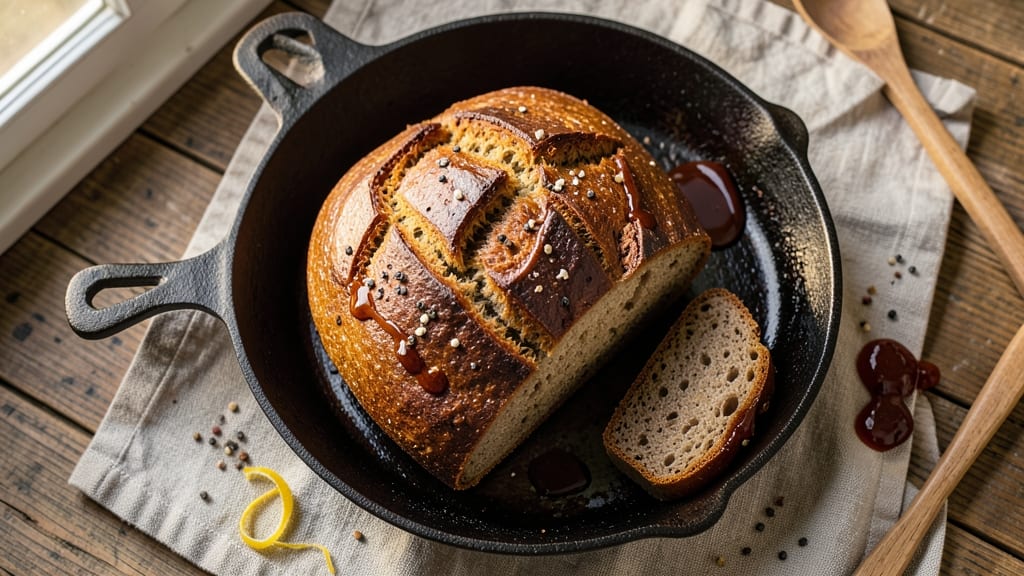
Amish rye bread delivers that signature dense texture and tangy depth you crave—no shortcuts, just old-world tradition in every slice. The secret lies in a precise blend of rye flour, molasses, and a long fermentation that develops complex flavors while creating that signature hearty crust. I've baked this exact recipe for years, and it never fails to impress even skeptical bread purists.
What sets this recipe apart is the balance between sweetness from molasses and the earthy bite of rye flour, creating a loaf that's both satisfying and complex. The dough requires patience—it needs time to develop its signature texture—but the results are worth every minute.
You'll end up with a loaf that's dense yet tender, with a crisp crust that crackles when you break it open.
The bread keeps beautifully for days, making it perfect for meal prep or gifting. Its rich flavor pairs wonderfully with soups, cheeses, or even as a base for open-faced sandwiches. This isn't just bread—it's a centerpiece that transforms any meal into something special.
Ready to master this traditional recipe? The process is straightforward once you understand the key techniques, from proper kneading to perfect proofing. Let's get started with the ingredients and instructions that will give you that authentic Amish rye bread experience.
Ingredients for amish rye bread
Old-world rye flour meets molasses and yeast for a loaf that's dense, tangy, and perfectly satisfying.
| Ingredient | Amount | Notes |
|---|---|---|
| Rye Flour 🌾 | 3 cups | Dark rye flour for authentic flavor |
| All-Purpose Flour 🌾 | 1 cup | For structure and lightness |
| Unsalted Butter 🧈 | ½ cup | Cold, cubed for mixing |
| Molasses 🍯 | ½ cup | Unsulphured for best flavor |
| Active Dry Yeast 🍞 | 2 ¼ tsp | Instant yeast works too |
| Granulated Sugar 🍚 | ¼ cup | Feeds yeast for rise |
| Salt 🧂 | 1 ½ tsp | Diamond Crystal preferred |
| Hot Water 💧 | 1 cup | 110°F for ideal yeast activation |
| Honey 🍯 | 1 tbsp | Enhances sweetness and crust |
| Poppy Seeds 🌻 | 1 tbsp | Optional for classic texture |
| Sesame Seeds 🌾 | 1 tbsp | Optional for nutty crunch |
| Coarse Cornmeal 🌽 | ½ cup | For dusting and crust texture |
The rye flour is non-negotiable here—King Arthur or Bob's Red Mill are my go-tos for that deep, earthy flavor. If you can only find light rye, mix it with pumpernickel flour for better results. The molasses? Unsulphured is key—sulphured versions taste bitter. For the yeast, I always check the expiration date—fresh is critical since this dough ferments overnight. The butter should be cold when you mix it in; if it's too soft, chill it for 20 minutes. King Arthur also makes a fantastic rye flour blend if you want to skip the mixing.
No molasses? Maple syrup or dark brown sugar (half the amount) works, though the flavor won't be identical. Running out of poppy seeds? Sesame or flaxseeds add a nice texture. The honey can be swapped for more molasses if you're watching sugar, but the crust will be slightly less crisp. For the water, filtered is best—chlorine can inhibit yeast activity. If your kitchen's humid, reduce the water by 1 tbsp to prevent a sticky dough. And trust me on the cornmeal—it's worth the extra minute to toast it lightly in a dry pan for a nuttier flavor.
This dough needs time—at least 8 hours for the full ferment, but overnight is ideal. Store it in the fridge in a butter-wrapped bundle to prevent drying. The baked loaf keeps well for 5-7 days in a bread box or wrapped tightly in parchment and foil. For longer storage, slice and freeze portions—toast straight from frozen for crispy results. The crust gets crunchier as it cools, so slice it 10 minutes after baking for the cleanest cuts.
Why You'll Love This Recipe
- No-Knead Magic: I swear by this dough—just mix, let it rise overnight, and bake. The molasses gives it that deep, caramelized sweetness without tasting cloying, and the rye flour keeps it hearty but not dense. My lazy Sundays now include fresh bread with zero effort.
- Molasses Kiss: That first bite? Rich, almost like a cross between a sourdough crust and a gingerbread aroma. The butter keeps it tender, but the molasses lingers—warm, spiced, and just sweet enough to make toast feel like a treat. Honestly, I’ll take this over store-bought any day.
- Breakfast to Picnic: This bread isn’t just for toast—it’s my go-to for sandwiches (hello, Amish chicken salad), French toast, or even crumbled over oatmeal. And the leftovers? They last a week in the fridge, perfect for when I forget to bake. (Yes, even on a Tuesday night.)
- Pantry Staple: Rye flour and molasses are cheap, and this recipe uses basic ingredients you probably already have. A loaf costs me less than $3 to make, and it feeds my whole family with room for seconds. Plus, the yeast rise means no waiting around—just set it and forget it.
Step-by-step instructions for Amish rye bread
Here's how to create a loaf with a crisp crust and rich, molasses-infused crumb—every slice tells the story.
Activate the Yeast and Mix the Dough
In a large mixing bowl, combine the 1 cup hot water (around 110°F) with the 2.25 tsp active dry yeast and 0.25 cup granulated sugar. Let it sit for 5-7 minutes until it becomes frothy—this confirms the yeast is alive and ready to work. If it doesn't bubble, your bread won't rise properly.
Next, add the 0.5 cup molasses and 1 tbsp honey to the yeast mixture. Stir well to dissolve completely. The molasses will give your bread that signature tangy depth, while the honey adds subtle sweetness. In a separate bowl, whisk together the 3 cups rye flour, 1 cup all-purpose flour, and 1.5 tsp salt. The rye flour is key here—it delivers that hearty, slightly sour flavor traditional Amish bread is known for.
With the mixer on low speed, gradually add the dry ingredients to the wet mixture. Once combined, increase the speed to medium and knead for 3-5 minutes until the dough pulls away from the sides of the bowl. The dough will be sticky, which is normal—this is what gives Amish rye its moist, dense texture. If it feels too dry, add 1 teaspoon of hot water at a time until it reaches the right consistency.
Incorporate the Butter and Shape the Dough
Cut the 0.5 cup unsalted butter into small cubes and add them to the dough one at a time. Knead for another 2-3 minutes until the butter is fully incorporated and the dough becomes smooth and elastic. The butter will create pockets of flavor and contribute to that tender crumb you're after.
Turn the dough out onto a lightly floured surface and shape it into a round loaf. Press the 1 tbsp poppy seeds and 1 tbsp sesame seeds into the top of the dough, gently pressing them in so they adhere. These seeds add texture and a subtle nutty crunch that pairs beautifully with the molasses sweetness. Place the dough in a lightly greased bowl, cover it with a damp towel, and let it rise in a warm place for 1-2 hours, or until it has nearly doubled in size.
Prepare the Loaf Pan and Second Rise
Preheat your oven to 375°F. Lightly grease a 9x5-inch loaf pan and sprinkle the bottom with 0.5 cup coarse cornmeal. The cornmeal adds texture to the bottom crust and prevents sticking. Carefully transfer the risen dough into the prepared pan, pressing it down gently to fill the pan completely. The dough will be sticky, so use wet hands or a spatula to help shape it evenly.
Cover the pan with a damp towel and let the dough rise for another 30-45 minutes. You'll know it's ready when the dough has risen about 1 inch above the rim of the pan and looks slightly puffy. This second rise ensures a light, airy texture rather than a dense loaf. While the dough is rising, place a baking sheet on the middle rack of your oven and another on the bottom rack. The baking sheet on the bottom will create steam, helping the crust develop properly.
Bake to a Golden, Crisp Crust
Place the loaf pan on the baking sheet you positioned on the middle rack. Pour 1 cup of hot water into the empty baking sheet on the bottom rack—this steam is crucial for creating that beautiful, crisp crust. Bake the bread for 50-55 minutes, until the top is deep golden brown and the internal temperature reaches 190°F when measured with an instant-read thermometer.
Here's the thing—don't open the oven door during the first 30 minutes of baking. The sudden temperature drop can cause the loaf to collapse. If the top browns too quickly, tent the pan loosely with aluminum foil to prevent over-browning while still allowing the steam to work its magic. The bread is done when it sounds hollow when tapped on the bottom and pulls away cleanly from the sides of the pan.
Cool and Slice for Maximum Flavor
Remove the bread from the oven and transfer it to a wire rack to cool completely. This step is critical—cutting into the bread too soon will result in a gummy texture. Let it cool for at least 1 hour, ideally 2 hours, before slicing. The bread will continue to firm up as it cools, and the flavors will meld together beautifully.
Once cooled, slice the bread into ¼-inch thick pieces. Each slice should reveal a rich, molasses-infused crumb with pockets of butter and those delightful poppy and sesame seeds scattered throughout. Serve it warm with a pat of butter or a smear of honey for the ultimate Amish rye experience. This bread keeps well at room temperature for 3-4 days or can be frozen for up to 3 months for freshness whenever you need it.
Pro Tips For Making Amish Rye Bread
- STIR THE MOLASSES FIRST: Mix the molasses with warm water (not hot) before adding it to the yeast—this dissolves it completely and prevents clumps that’ll make your dough taste uneven. I used to skip this, and my bread had weird pockets of sweetness instead of a smooth, rich flavor.
- WEIGH YOUR FLOUR: Rye flour is dense and varies wildly by brand—use a kitchen scale for accuracy. That extra 10-20 grams of rye can make your dough too stiff or too slack, and guessing leads to either a dense brick or a sad, flat loaf.
- LET THE DOUGH RISE TWICE: The first rise is for the yeast, but the second—after shaping—is where the magic happens. Give it 1-2 hours in a warm spot (like a turned-off oven with a bowl of hot water inside) to let the gluten relax and the flavor develop. Skipping this makes the bread tough.
- SOFTEN THE BUTTER: Cold butter in rye dough can create pockets that don’t bake evenly—beat it until it’s just slightly softer than room temp (press a finger in; it should dent but not smear). This ensures a tender crumb without greasy spots. (Yes, even if you’re impatient like me.)
Serving suggestions for this amish rye bread
Classic Sandwich Base
This dense, molasses-kissed rye is perfect for hearty sandwiches that stand up to rich fillings. Try it with sharp cheddar and smoked turkey for a classic Amish-style sandwich, or go bold with pastrami, Swiss cheese, and Russian dressing. The bread's slight sweetness balances savory meats beautifully. 🥪
Soup Companion
Pair your warm loaf with creamy potato-leek soup or hearty beef stew for a comforting meal. The bread's crust soaks up broth perfectly while its dense crumb holds up to chunky soups. I like to serve it alongside apple butter for a sweet contrast that cuts through rich flavors.
Breakfast Pairings
Transform breakfast with Amish rye toast topped with scrambled eggs and crispy bacon. The molasses notes complement smoky breakfast meats wonderfully. For a sweet option, try Greek yogurt with honey and walnuts—the bread's texture makes it ideal for dipping or toasting lightly first.
Cheese Board Star
Slice the bread into ½-inch thick pieces and arrange on a cheese board with aged Gouda, sharp cheddar, and brie. The rye's tangy depth enhances creamy cheeses while its crust provides a satisfying crunch. Add cured meats, olives, and fresh figs for a balanced spread that's perfect for gatherings.
Sweet Applications
Don't overlook this bread's sweet potential! Use it for French toast with cinnamon and maple syrup, or make rye bread pudding with raisins and vanilla custard. The molasses flavor shines in dessert applications—trust me, it's a game-changer for breakfast-for-dinner nights. 🍯
Meal Prep Friendly
Slice the cooled loaf and store in an airtight container with parchment paper between slices. It keeps for 5-7 days at room temperature, making it perfect for quick lunches. Pack slices with peanut butter and banana or turkey and cranberry for grab-and-go meals that taste homemade.
Nutrition facts
Frequently asked questions
Why does Amish rye bread need such a long fermentation?
The extended fermentation (at least 8 hours, ideally overnight) is what creates the bread's signature deep flavor and dense texture. The slow rise allows the yeast and molasses to develop complex caramelized notes while breaking down the rye flour's tough proteins. This traditional method also improves digestibility and creates that signature tangy depth. Think of it as letting the flavors "marinate" in the dough!
Can I make this bread without a stand mixer?
This dough is sticky but manageable by hand. Use a wooden spoon to mix the ingredients, then knead on a lightly floured surface for 8-10 minutes until smooth and elastic. Work in short bursts to avoid overheating your hands. The butter incorporation is the trickiest part—cut it into very small pieces and work it in gradually. Patience is key!
What if my dough doesn't rise properly?
Check your yeast first—it should be fresh (test it by mixing with warm water and sugar; it should bubble within 5-10 minutes). If the dough is too warm (above 80°F), the yeast may die. Try placing your bowl in a cooler spot (like a turned-off oven with light on) for rising. For sticky dough, reduce water by 1 tbsp next time. If all else fails, try adding ½ tsp more yeast to your next batch.
How can I tell when the bread is fully baked?
Look for three signs: deep golden brown crust, internal temperature of 190°F (use an instant-read thermometer), and a hollow sound when tapped on the bottom. The edges should pull away cleanly from the pan. If unsure, bake 5 more minutes—underbaked rye bread tastes gummy, while overbaked bread becomes dry.
Can I substitute whole wheat flour for some of the rye?
Yes, but use it sparingly—replace up to ½ cup of the rye flour with whole wheat for added fiber and nuttiness. Too much will make the dough dense and difficult to handle. For best results, use whole wheat pastry flour which has a finer grind. The molasses will still provide enough moisture to keep the texture manageable.