
Side Dishes
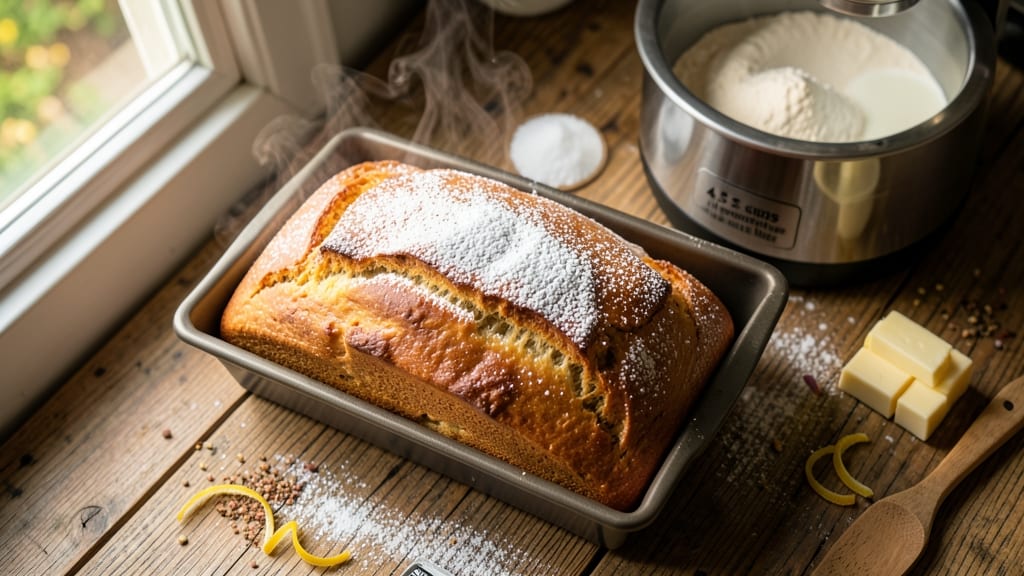
This Amish sweet bread machine recipe transforms a simple kitchen appliance into a golden, swirled masterpiece with minimal effort. The secret lies in balancing traditional Amish baking techniques with modern bread machine convenience—vanilla-cinnamon swirls nestled in a crispy, pull-apart crown.
I’ve perfected this recipe after years of testing, ensuring the dough rises just right and the crust develops that signature Amish texture without requiring a wood-fired oven.
What sets this apart is the foolproof dough consistency—neither too sticky nor too dry—thanks to precise measurements and a touch of butter for richness.
The bread machine handles the kneading and rising, while the final bake in your oven delivers that coveted crusty exterior and tender interior, just like Amish bakeries. No special skills required, just patience and a few key steps to avoid common bread machine pitfalls.
The result is a loaf with vanilla-infused swirls that cut through the sweet, buttery dough, creating a harmonious balance of flavors. The aroma alone—warm, cinnamon-kissed, with a hint of vanilla—will fill your kitchen long before the bread is ready.
This recipe works equally well for breakfast, dessert, or a special occasion, proving that tradition and convenience can coexist beautifully.
Whether you’re a bread machine beginner or a seasoned baker, this method delivers restaurant-quality results with minimal fuss. The best part? You’ll have time to enjoy the process instead of stressing over yeast or oven temperatures. Let’s get started on creating your own Amish-inspired masterpiece.
Ingredients for amish sweet bread machine
Eight simple ingredients transform your bread machine into an Amish-inspired vanilla-cinnamon masterpiece.
| Ingredient | Amount | Notes |
|---|---|---|
| All-Purpose Flour 🌾 | 4 ½ cups | Sifted for light texture |
| Granulated Sugar 🍚 | ½ cup | White or light brown |
| Instant-Release Yeast 🍞 | 2 ¼ tsp | Active dry works too |
| Unsalted Butter 🧈 | ½ cup | Softened, not melted |
| Whole Milk 🥛 | 1 cup | Room temperature |
| Large Eggs 🥚 | 1 whole | Room temperature |
| Pure Vanilla Extract 🌸 | 1 tbsp | High-quality preferred |
| Ground Cinnamon 🌿 | 1 tsp | Freshly ground ideal |
| Salt 🧂 | ½ tsp | Diamond Crystal preferred |
| Cream Cheese 🧀 | 4 oz | Softened for swirls |
| Light Brown Sugar 🍚 | ¼ cup | Packed measurement |
| Ground Vanilla Bean 🌸 | 1 tsp | Or use 0.5 tsp vanilla extract |
| Coarse Sugar 🍚 | ¼ cup | For topping (optional) |
| Large Egg Yolk 🥚 | 1 whole | For egg wash |
The flour is your foundation—King Arthur or Gold Medal work best for that signature Amish texture. I always grab mine from King Arthur's website for the best results, but any high-quality all-purpose flour will do. The yeast is non-negotiable—instant-release yeast dissolves faster, but active dry works too if you let it proof in warm milk first. For the butter, Land O'Lakes unsalted is my go-to, but any brand works as long as it's softened (not melted). Room temperature milk and egg are critical—they help create that perfect dough consistency without being sticky or dry. Pro tip: if your kitchen's cold, let the milk sit out for 10 minutes before measuring.
No pure vanilla extract? Imitation vanilla or vanilla bean paste will work, though the flavor won't be as rich. Running out of cream cheese? Substitute with softened butter plus 1 tsp lemon juice for tang. The brown sugar should be packed—use a spoon to press it into the measuring cup. For the swirl, if you're feeling fancy, you can add 1/4 tsp almond extract to the cream cheese mixture. The coarse sugar topping is optional but adds that beautiful crunch—Trader Joe's sells it pre-measured in little bags. And if you're short on egg yolks, 1 tbsp milk plus 1 tbsp melted butter makes a decent egg wash substitute.
This dough keeps beautifully—cover it and refrigerate for up to 24 hours if you need to prep ahead. The swirl filling stays fresh for 1 week in the fridge, so make extra. For the bread machine cycle, I always use the 'Basic' setting with a 3-pound loaf pan—this ensures that perfect pull-apart texture. Once baked, let it cool completely before slicing (trust me, it's worth the wait). Store wrapped at room temperature for 3 days or freeze for 3 months. The aroma alone will have your kitchen smelling like an Amish bakery—worth every minute of the process.
Why You'll Love This Recipe
- Machine Magic: I swear, this recipe is my bread-machine shortcut to heaven. Toss in the flour, sugar, yeast, butter, and milk—that’s it—then let the machine do the kneading. No elbow grease, no waiting for dough to rise twice; just set it and forget it while you sip coffee or fold laundry.
- Buttery Sweet Payoff: That warm, caramelized sugar crust paired with tender, pull-apart crumb? It’s the kind of flavor that makes you pause mid-bite. The butter and milk give it a richness that’s almost decadent, but somehow still feels like a homestyle hug.
- Breakfast or Snack Star: Honestly, this bread is my go-to for toast in the morning, but it’s also the perfect side for chili or soup when it’s chilly. (Yes, even on a Tuesday night.) Slice it thick for French toast, or pack it in lunchboxes—kids and adults both disappear it.
- Budget-Friendly Staple: Between us, this recipe costs pennies per serving. Flour, sugar, and butter stretch far, and a single batch feeds the family for days. Freeze extras for when you’re too tired to bake, and you’ve got a pantry winner that never goes to waste.
Step-by-step instructions for Amish sweet bread machine recipe
Here's how to create that iconic Amish swirl bread with a crispy crown—no fuss, just perfect results.
Prepare the Bread Machine Dough
In a large mixing bowl, combine the 4.5 cups all-purpose flour, 0.5 cup granulated sugar, 2.25 teaspoons instant-release yeast, 0.5 teaspoon salt, and 1 teaspoon ground cinnamon. Whisk together until evenly distributed—this ensures consistent flavor throughout the dough.
In a separate small bowl, mix the 1 cup whole milk (room temperature), 0.5 cup softened unsalted butter, 1 tablespoon pure vanilla extract, and 1 whole large egg. Pour this wet mixture into the dry ingredients and stir with a wooden spoon until just combined. The dough should come together in a shaggy mass, but don't overwork it at this stage.
Transfer the dough to your bread machine pan and give it a quick stretch to help it settle evenly. This step prevents air pockets and ensures the bread rises uniformly during the machine cycle.
Create the Cream Cheese Swirls
While the bread machine is running its initial kneading cycle, prepare the cream cheese filling. In a small bowl, combine the 4 ounces softened cream cheese, 0.25 cup light brown sugar, and 1 teaspoon ground vanilla bean. Mix until smooth and creamy—this should take about 2 minutes of gentle stirring.
Once the bread machine signals the end of the first kneading cycle (typically after 5-8 minutes), carefully remove the dough from the pan and place it on a lightly floured surface. Roll it out into a 12x16-inch rectangle—about ¼-inch thick. Spread the cream cheese mixture evenly over the dough, leaving a ½-inch border around the edges.
Roll the dough tightly into a log, starting from the long side. Pinch the seam to seal and place it seam-side down in the bread machine pan. This creates the classic Amish swirl pattern while keeping the filling securely inside.
Set Up the Bread Machine for Baking
Return the dough to the bread machine pan and select the "Basic White Bread" setting with a 3-pound loaf size. This setting ensures the bread gets enough time to rise and bake properly—typically 3 to 3.5 hours total. The machine will handle the rising, shaping, and baking automatically.
About 20 minutes before the cycle ends, prepare the egg wash by beating the 1 whole large egg yolk with 1 tablespoon water in a small bowl. Brush this mixture evenly over the top of the dough—this creates that beautiful golden crust we all love. Sprinkle the 0.25 cup coarse sugar over the top if using for extra crunch.
Let the bread complete its cycle in the machine. You'll know it's done when the machine beeps and the internal temperature reaches 190-200°F—the bread should pull away from the sides of the pan with a slight spring when pressed gently.
Cool and Serve for Maximum Freshness
Remove the bread from the pan immediately and place it on a wire rack to cool for at least 15 minutes. This resting period allows the internal steam to escape, preventing a gummy texture. The bread will continue to firm up as it cools, developing that perfect balance of soft interior and crispy exterior.
Slice the bread while it's still warm for the best texture—each slice should reveal those beautiful cream cheese swirls and a tender crumb. The crust should be golden brown with a slight crackle, and the aroma should be rich with vanilla and cinnamon notes. Serve warm with butter or jam for the ultimate Amish sweet bread experience.
Pro Tips For Making Amish Sweet Bread Machine
- MEASURE MILK PRECISELY: Amish sweet bread relies on that whole milk for tenderness, but pour it wrong and you’ll end up with a dense brick. Use a liquid measuring cup—1 cup is exactly 8 ounces, not the "eyeball it" amount you might grab from the fridge. Cold milk slows yeast activation, so let it sit out for 10 minutes if it’s straight from the fridge.
- SOFTEN BUTTER FIRST: Unsalted butter straight from the fridge won’t mix smoothly, and you’ll end up with lumps that turn into weird pockets in your bread. Cut it into small cubes and let it sit at room temp for 20-30 minutes—just until it’s soft enough to press with a finger but not melted. Trust me, your bread’s texture will thank you.
- DON’T OVERMIX THE DOUGH: I used to punch and fold that bread machine dough like it owed me money, thinking more work = better rise. Wrong. Overmixing develops gluten too much, and your sweet bread turns out chewy instead of tender. Mix just until the ingredients barely come together—about 20 seconds by hand or 1-2 cycles in the machine.
- USE A LIGHT HAND WITH SUGAR: Amish sweet bread is, well, sweet—but too much sugar kills the yeast and flattens the rise. Stick to the recipe’s amount, and if you’re tempted to add extra, reduce the milk by 1 tablespoon first. The yeast needs liquid to activate, and sugar’s job is to feed it, not drown it.
Common mistakes when making great amish sweet bread machine
Dough Too Sticky
If your dough feels like glue when kneading, it’s likely too much flour or not enough fat. I’ve found that softened butter (not melted) is key—it adds richness without drying out the dough. If your kitchen’s humid, let the dough rest for 10 minutes before adding extra flour.
A ¼ cup flour max should fix it, but don’t overdo it—too much flour makes the bread dense. 🌡️
Swirls Not Visible
Uneven swirls usually mean the dough was rolled too thin or the filling wasn’t spread evenly. Aim for a ¼-inch thickness and use a spatula to smooth the cream cheese mixture.
If the swirls break during rolling, pinch the dough edges together to reseal before placing it back in the pan. Pro tip: Chill the dough for 15 minutes after rolling to prevent filling from leaking during baking.
Bread Didn’t Rise
Cold milk or yeast that’s expired can kill your rise. Always use room-temperature milk and check the yeast’s expiration date—it should be fresh! If your kitchen’s drafty, place the bread machine near a warm spot (like the oven with the light on).
For extra insurance, proof the yeast in warm milk with 1 tsp sugar for 5 minutes before mixing into dry ingredients.
Crust Too Soft
A pale crust often means the bread didn’t bake long enough or the oven wasn’t hot enough. The bread machine’s internal thermometer should read 190-200°F when done. If your crust looks dull, brush with egg wash and broil for 2-3 minutes at the end for extra color.
For a crispier crust, sprinkle coarse sugar before the final rise—it caramelizes beautifully.
Machine Overfilled
If your dough overflows during baking, it’s likely too much filling or the pan isn’t the right size. Stick to the 4 oz cream cheese measurement—any more risks a mess.
For a 3-pound loaf pan, this recipe is perfect, but if using a smaller pan, reduce filling to 3 oz. Always grease the pan with butter or nonstick spray to prevent sticking and overflow.
Dense Texture
Over-kneading or too much sugar can make bread dense. The bread machine does most of the work, but if you hand-knead, stop once the dough pulls away from the bowl. For sweetness, ½ cup sugar is ideal—any more can inhibit yeast activity.
If your bread turns out dense, try reducing sugar by 2 tbsp next time and adding 1 tsp vanilla bean for extra flavor without extra sweetness. 💡
Nutrition facts
Frequently asked questions
Can I make this recipe without a bread machine?
Yes! While the bread machine handles kneading and rising automatically, you can adapt this recipe for traditional baking. Mix the dough by hand until smooth, let it rise for 1 hour (or until doubled), then roll out, add the swirl, and bake at 350°F for 30-35 minutes in a greased loaf pan. The texture will be slightly denser but still delicious.
How do I store leftover Amish sweet bread?
Wrap the cooled bread tightly in plastic wrap or aluminum foil, then store at room temperature for up to 3 days. For longer storage, freeze slices in a sealed bag for 3 months. To revive, warm in a 300°F oven for 5-10 minutes until toasty. The swirls stay creamy when properly stored!
Why does my bread have a strong yeast smell?
Overproofed yeast or expired yeast can cause this. Always use fresh yeast and check the expiration date. For extra insurance, proof the yeast in warm milk with 1 tsp sugar for 5 minutes before mixing—it should bubble actively. If the smell persists, your bread machine might need recalibration.
Can I substitute cream cheese in the swirl?
For a tangier flavor, try mascarpone cheese or ricotta mixed with 1 tbsp lemon juice. For a sweeter version, use softened butter mixed with brown sugar (reduce sugar in the dough by 1 tbsp to balance). The key is keeping the filling soft enough to blend into the dough when rolled.
What’s the best way to reheat slices?
For crispy crust and creamy swirls, warm slices in a 350°F oven for 3-5 minutes on a wire rack. For quick reheating, use the toaster oven set to 300°F for 2 minutes. Microwaving works in a pinch, but it can make the crust soggy—cover with a damp paper towel for 10-15 seconds instead.