Desserts
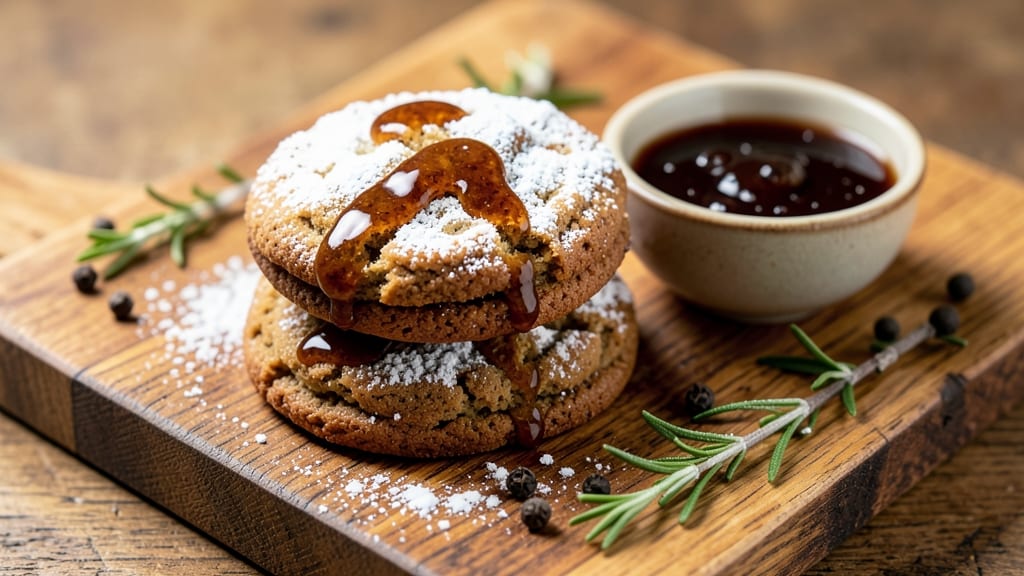
Ann Clark's gingerbread cookies deliver the perfect balance of molten spice centers and crispy edges, a hallmark of her signature baking style. 🌟 The secret lies in a precise blend of warm spices—ginger, cinnamon, and clove—paired with molasses for deep, caramel-like richness.
These aren't your average gingerbread cookies; they're a celebration of texture and flavor that rivals any holiday treat.
What sets these apart is the technique: a slightly underbaked center that stays soft and chewy while the edges develop a satisfying crunch. The dough is enriched with brown sugar for moisture and depth, while a touch of corn syrup ensures a tender crumb.
This recipe is designed to be foolproof, even for those new to gingerbread baking, with clear steps that yield consistent results every time.
The aroma alone—warm ginger, cinnamon, and molasses—will fill your kitchen and transform your home into a cozy holiday haven. Each bite offers a symphony of flavors: the initial spice kick from the ginger, the sweetness of the molasses, and the subtle warmth of the cloves.
These cookies are perfect for gifting, holiday gatherings, or simply treating yourself to a taste of nostalgia.
Ready in about 20 minutes of active prep and 12-15 minutes of baking, this recipe is ideal for busy bakers who still want to deliver restaurant-quality results.
Whether you're decorating them with white chocolate drizzles or keeping them classic with a dusting of powdered sugar, these gingerbread cookies are sure to become a holiday staple. Let's get baking!
Ingredients for ann clark gingerbread cookie
Twenty-four cookies packed with gingerbread magic—molten centers and crispy edges await.
| Ingredient | Amount | Notes |
|---|---|---|
| All-Purpose Flour 🌾 | 4 cups | Sifted for light texture |
| Packed Brown Sugar 🍯 | 1 ½ cups | Dark brown preferred |
| Unsalted Butter 🧈 | 1 cup | Cold, cubed for dough |
| Pure Molasses 🍯 | ¾ cup | Unsulphured for depth |
| Large Eggs 🥚 | 2 whole | Room temperature |
| Pure Vanilla Extract 🌿 | 1 tbsp | High-quality preferred |
| Ground Ginger 🌶️ | 2 tbsp | Freshly ground better |
| Ground Cinnamon 🌿 | 2 tbsp | Ceylon preferred |
| Ground Cloves 🌶️ | 1 tbsp | Freshly ground ideal |
| Salt 🧂 | 1 tsp | Diamond Crystal preferred |
| Corn Syrup 🍯 | ¼ cup | Light corn syrup |
| Powdered Sugar 🍯 | ½ cup | For dusting |
The molasses makes or breaks these cookies. Blackstrap from the Caribbean gives the deepest flavor, but any unsulphured molasses works. Walmart's Great Value brand is surprisingly good for the price. The ginger? Freshly ground is ideal, but the jarred stuff from Penzeys or your grocery store's spice aisle is fine. For the brown sugar, Domino brand packs better than generic—no clumping in the dough. The butter should be cold; pull it from the fridge 10 minutes before mixing. And those cloves? Whole cloves ground in a coffee grinder taste better than pre-ground powder.
No molasses? Dark corn syrup at half the amount works in a pinch, but you'll lose that caramel depth. Subbing vanilla? Almond extract at half the amount adds complexity. Out of corn syrup? Maple syrup at 1/3 the amount keeps things tender. For the spices, if you're short on cloves, nutmeg at double the amount gives a similar warmth. The powdered sugar is just for dusting—skip it if you're decorating with white chocolate or sprinkles. And if you're baking for a crowd, double the recipe—these disappear fast.
Store cookies in an airtight container at room temperature for up to 5 days. For longer storage, freeze the dough balls and bake straight from frozen (add 2 minutes). The powdered sugar dusting keeps them fresh longer, but if you're gifting, parchment paper between layers prevents sticking. These reheat beautifully—just 10 seconds in the microwave to revive that molten center. Bake a batch ahead and freeze them; they taste even better the next day.
Why You'll Love This Recipe
- No-Fuss Mixing: Honestly, this dough comes together faster than you can say "gingerbread." Just cream butter and sugar, crack eggs, stir in molasses—no standing over a bowl or fussing with extra steps. The brown sugar’s stickiness does half the work for you.
- Molasses Magic: That deep, caramel-like bite from pure molasses? It’s the star here. One taste and you’ll understand why this isn’t your average gingerbread—it’s got this grown-up richness that balances the spice perfectly. (Yes, even on a Tuesday night.)
- Holiday or Hangry Fix: Between us, these cookies are my go-to for holiday gifts and when I’ve forgotten to grocery shop. Freeze half the dough for later, or bake a batch now—they’re just as good reheated with a glass of milk. No judgment if you eat them straight from the jar.
- Pantry Staple Power: All you need is flour, butter, sugar, and eggs—stuff you already own. No weird substitutions or last-minute ingredient hunts. The molasses might be the only splurge, but a little goes a long way. Budget-friendly? More like pocket-friendly.
Step-by-step instructions for Ann Clark's gingerbread cookies
Here's how to make these legendary cookies with their signature molten spice centers.
👨🍳 Step 1: Cream Butter and Sugars to Peak Fluffiness
In a stand mixer fitted with the paddle attachment, beat the 1 cup unsalted butter (cold and cubed) with the 1.5 cups packed brown sugar on medium speed for 3-4 minutes. You're looking for a light, fluffy texture that nearly doubles in volume and becomes pale golden. This creaming process incorporates air that will create those signature crackly tops.
I like to scrape down the sides of the bowl every 30 seconds to ensure even mixing. The butter should be just soft enough to blend smoothly but not melted. If it starts to look too warm, let the bowl sit for 1 minute before continuing. This step is crucial—under-creaming leads to dense cookies while over-creaming develops gluten and makes them tough.
👨🍳 Step 2: Blend in Molasses and Wet Ingredients
Add the 0.75 cup pure molasses and 0.25 cup corn syrup, mixing on low speed until fully combined. Then add the 2 whole large eggs (room temperature) one at a time, mixing just until each is incorporated. Finish with the 1 tbsp pure vanilla extract and mix for another 10 seconds. The batter should be thick but pourable.
Here's where the magic happens: the molasses adds deep, complex flavor while the corn syrup helps create that signature chewy texture. I always use unsulphured molasses for the best depth of flavor. If your batter looks too thick, you can add 1-2 teaspoons of milk to help with mixing, but don't overdo it—this dough needs to hold its shape.
👨🍳 Step 3: Combine Dry Ingredients for Perfect Texture
In a separate bowl, whisk together the 4 cups all-purpose flour, 2 tbsp ground ginger, 2 tbsp ground cinnamon, 1 tbsp ground cloves, and 1 tsp salt. The flour should be sifted for a light texture. Gradually add this dry mixture to the wet ingredients, mixing on low speed just until combined—you should still see some flour streaks. Overmixing develops gluten and makes the cookies tough.
This is where the spice blend really shines. I like to use freshly ground spices whenever possible—they make a noticeable difference in flavor. If you're using pre-ground spices, make sure they're stored properly to maintain their potency. The dough will be thick and sticky, but that's exactly what we want for those signature chewy centers.
⏰ Step 4: Chill the Dough for Perfect Shape
Divide the dough into two equal portions, flatten into discs, and wrap tightly in plastic wrap. Refrigerate for at least 2 hours (I prefer 4 hours or even overnight). Chilling is critical—it allows the flour to fully hydrate and the dough to firm up, which prevents excessive spreading in the oven and helps maintain those crispy edges.
I know it's tempting to skip this step, but don't. Cold dough also means the cookies hold their shape better, resulting in thicker cookies with crispy edges and gooey, spice-filled centers. If you're short on time, you can freeze the dough discs for up to 3 months—just thaw in the fridge overnight before baking.
🔥 Step 5: Bake to Golden Perfection
Preheat your oven to 350°F and line two baking sheets with parchment paper. Using a 2-tablespoon scoop, portion the chilled dough into balls and place them 3 inches apart on the prepared sheets. Flatten each ball slightly with your palm to about ½-inch thickness—this helps create that signature crackly top.
Bake for 11-13 minutes until the edges are golden brown but the centers still look slightly underdone. They'll continue cooking on the hot pan after you remove them from the oven. Let them cool on the baking sheet for 5 minutes before transferring to a wire rack. The centers should be soft and slightly sticky with that signature spice flavor—this is what makes these cookies so special.
Pro Tips For Making Ann Clark Gingerbread Cookie
- Chill the Dough First: I learned this the hard way—rolling out Ann Clark’s gingerbread dough straight from the fridge leads to cracks and uneven baking. Let it rest in the fridge for at least 30 minutes (or overnight if you’re patient) so the butter firms up. This keeps the cookies from spreading too much and gives you that perfect thick, chewy center.
- Use Molasses That’s Fresh: Old molasses tastes bitter and overpowering—like someone dumped motor oil in your cookies. Buy pure, aged molasses (not "blackstrap" unless you’re going for a stronger flavor) and check the date. If it’s been sitting in your pantry for years, toss it and start fresh. Your cookies will thank you with that perfect balance of sweetness and spice.
- Don’t Overbake the Edges: These cookies are supposed to be soft, not cakey. Pull them when the edges are just set but the centers still look slightly underdone—they’ll firm up as they cool. Overbaking turns them into hockey pucks, and nobody wants that. A toothpick test works, but so does trusting your eyes here.
- Skip the Extra Flour on the Rolling Pin: I used to dredge my rolling pin in flour like it was going to a snowstorm, but that just makes the dough dry out and crack when baking. Lightly dust the surface and your hands instead—just enough to keep the dough from sticking. The cookies will hold together better, and you’ll save yourself from fixing broken pieces later.
Dietary considerations for ann clark gingerbread cookie
Gluten-Free Adaptations
For a gluten-free version, replace the 4 cups all-purpose flour with a 1:1 gluten-free baking flour blend like Bob's Red Mill or King Arthur. Add 1 teaspoon xanthan gum to mimic gluten's binding properties. The dough will be slightly stickier, so work quickly when shaping.
Chill the dough for 4 hours to firm it up—this helps prevent spreading. Bake at 350°F for 12-14 minutes since gluten-free dough often needs extra time to set. 🌾
Vegan Substitutions
To make these cookies vegan, swap the 1 cup unsalted butter for 1 cup vegan butter (like Miyoko's or Earth Balance) and replace the 2 eggs with 2 tablespoons ground flaxseed mixed with 6 tablespoons water. Let the flax "eggs" sit for 5 minutes to thicken before using.
For molasses depth, use unsulphured blackstrap molasses—it's naturally vegan. The texture will be slightly denser but still chewy. Bake for 13-15 minutes to ensure full doneness.
Nut-Free Options
This recipe is naturally nut-free, but if you're avoiding cross-contamination, use a dedicated nut-free kitchen and nut-free ingredients. The molasses and spices from brands like Walmart's Great Value or Penzeys are typically processed in nut-free facilities.
Always check labels for "may contain nuts" warnings. For extra safety, bake on a separate tray if your kitchen handles nuts frequently. The flavor remains identical—just worry-free!
Lower Sugar Adjustments
To reduce sugar, replace 0.5 cup brown sugar with 0.5 cup monk fruit sweetener (like Lakanto) or 0.5 cup coconut sugar. Cut the molasses to 0.5 cup and add 1 teaspoon vanilla bean paste for depth.
The cookies will be slightly less chewy but still packed with spice. Bake for 10-12 minutes—they brown faster with less sugar. Pair with Greek yogurt or whipped cream to balance the spice.
Allergy-Friendly Tips
For egg allergies, use 2 tablespoons apple sauce or 2 tablespoons aquafaba (chickpea brine) per egg. For dairy-free, ensure your butter substitute (like Miyoko's) is egg-free too. If molasses is a concern, use dark corn syrup at half the amount—though you'll lose some depth.
Always test small batches first, as different substitutes affect texture. Label your cookies clearly if sharing with others who have allergies.
Nutrition facts
Frequently asked questions
Why does Ann Clark's recipe use both molasses and corn syrup?
The molasses delivers that deep, caramel-like richness and signature gingerbread flavor, while the corn syrup creates a tender, chewy texture in the center. Together they balance sweetness and moisture—molasses alone would make the cookies too dense. The corn syrup also helps create that signature "molten" quality when baked.
Can I make these cookies without molasses?
Yes, but you'll notice a difference in flavor. Replace the 0.75 cup molasses with 0.5 cup dark corn syrup plus 0.25 cup honey for a similar depth of sweetness. The cookies will still be delicious, though they'll lack that classic molasses complexity. For best results, use unsulphured molasses if possible.
How do I prevent my cookies from spreading too much?
Chilling the dough for at least 2 hours (or overnight) is key—it firms up the fat and prevents excessive spreading. Also, flatten the dough balls slightly before baking and use a 2-tablespoon scoop for consistent portions. Bake on the middle rack at 350°F for 11-13 minutes—they'll continue setting after removal.
What's the secret to the perfect spice blend?
Freshly ground spices make all the difference! Use 2 tbsp ground ginger, 2 tbsp cinnamon, and 1 tbsp cloves—preferably freshly ground in a coffee grinder. Store-bought blends often lose potency. For extra warmth, add ½ tsp nutmeg to the dry ingredients. The spices should be aromatic but not overpowering—balance is everything!
Can I decorate these cookies like traditional gingerbread?
Once cooled, use royal icing or melted white chocolate to pipe borders, add sprinkles, or create festive designs. For a classic look, dust with powdered sugar or drizzle with melted chocolate. Since these have a chewy center, avoid heavy toppings that might sink in—stick to light decorations that complement the spice flavors.