
Side Dishes
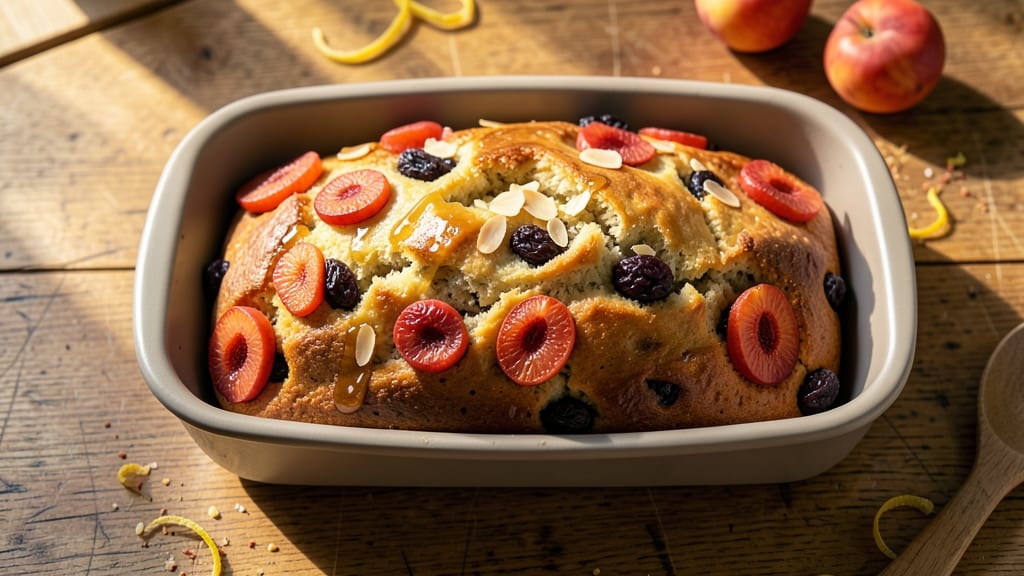
This apricot raisin bread recipe transforms a simple loaf into a fragrant, fruit-filled masterpiece that bakes up with a golden crust and tender crumb. The secret lies in swirling sweet apricot preserves and plump raisins throughout the dough, creating pockets of jammy goodness in every slice.
I developed this recipe after years of experimenting with fruit breads—balancing sweetness, texture, and that perfect crusty exterior. What makes this recipe stand out is the foolproof method that ensures even fruit distribution without sinking or over-browning.
The dough comes together in just 15 minutes, then bakes at 350°F for 30-40 minutes until the crust is crisp and the interior is perfectly tender. The apricot preserves add natural sweetness while keeping the bread moist, while the raisins provide chewy contrast.
By the time it emerges from the oven, you’ll have a loaf that smells like a bakery and tastes even better. The crust is crusty yet tender, the crumb is soft with pockets of jammy apricot, and the raisins stay plump and juicy.
This bread is ideal for breakfast with butter or jam, as a snack with tea, or even as a dessert with a dusting of powdered sugar. For extra flair, brush the warm loaf with melted butter or sprinkle with turbinado sugar before baking.
Store wrapped at room temperature for up to 3 days, or freeze for longer storage. Let’s bake this delicious loaf!
Ingredients for apricot raisin bread
Sweet swirls of apricot and plump raisins transform basic dough into bakery-worthy bread.
| Ingredient | Amount | Notes |
|---|---|---|
| All-Purpose Flour 🌾 | 4 cups | Sifted for light texture |
| Granulated Sugar 🍚 | ¾ cup | White or light brown |
| Active Dry Yeast 🍞 | 2 ¼ tsp | One packet or 0.25 oz |
| Unsalted Butter 🧈 | ½ cup | Cold, cubed for easier mixing |
| Large Eggs 🥚 | 1 whole | Room temperature |
| Milk 🥛 | ½ cup | Any variety, room temp |
| Vanilla Extract 🌿 | 1 tsp | Pure vanilla preferred |
| Salt 🧂 | 1 tsp | Kosher or sea salt |
| Apricot Preserves 🍑 | ¾ cup | No added sugar preferred |
| Raisins 🍇 | 1 cup | Plump, seedless preferred |
| Turbinado Sugar 🍚 | 2 tbsp | For crust decoration |
The apricot preserves make this bread special—look for no-sugar-added varieties at Whole Foods or Trader Joe's for the best flavor. Raisins should be plump and juicy; Golden Barrel brand is my go-to. For the flour, King Arthur brand is ideal, but any all-purpose works. The yeast is the heart of this recipe—make sure it's fresh (test by dissolving in warm water with sugar; should foam in 5 minutes). Butter should be cold to prevent overmixing the dough. If your preserves are runny, chill them 15 minutes before using to make swirling easier.
No apricot preserves? Substitute with apricot jam or even peach jam in a pinch. Raisins too expensive? Dried cranberries or chopped dates work beautifully. For a vegan version, replace the egg with 1 tbsp flaxseed + 3 tbsp water (let sit 5 minutes). If you don't have turbinado sugar, white sugar works fine—just sprinkle it on thicker. The dough will be sticky, but don't add extra flour or it'll toughen the crumb. For extra richness, add 1 tbsp sour cream to the dough mixture.
The dough keeps 24 hours in the fridge, covered, if you want to make it ahead. For best results, bake immediately after shaping. Store wrapped at room temperature for 3-4 days or freeze for up to 3 months. To reheat, wrap in foil and warm in a 300°F oven for 5-10 minutes. The crust stays crisp for about 2 hours after baking—perfect for slicing and serving with butter. For extra shine, brush warm bread with melted butter before serving.
Why You'll Love This Recipe
- No-Knead Magic: I swear by this dough—just mix, let it rise overnight, and wake up to the perfect texture. That butter and sugar combo makes it tender without being greasy, and the yeast does all the work while I sleep. Honestly, this is how I avoid a 5 PM bread panic.
- Sweet Without Overdoing It: The apricots and raisins caramelize just enough to give that deep, jammy flavor, but the sugar isn’t cloying. The butter keeps it rich, while the eggs add structure—so you get a loaf that’s moist but not dense. (Yes, even on a Tuesday night.)
- Breakfast, Snack, or Gift: Slice it warm with butter for breakfast, pack it for lunch, or wrap a piece in parchment for a hostess gift. It freezes beautifully too, so I always bake two batches—one for now, one for when I’m too lazy to order takeout.
- Pantry Staple Power: You’re using flour, sugar, and butter—things you already own. The yeast is cheap, the eggs are versatile, and the fruit adds natural sweetness without breaking the bank. Plus, a single loaf lasts me days, so I’m not tempted to buy overpriced bakery bread.
Step-by-step instructions for apricot raisin bread
This method delivers a perfectly balanced loaf with tender crumb, sweet fruit swirls, and a crispy crust.
Activate the Yeast and Prepare the Dough Base
In a small bowl, combine the 0.5 cup warm milk (about 110°F) with 2.25 teaspoons active dry yeast and let sit for 5-10 minutes until frothy. This simple test confirms your yeast is active—if it doesn't bubble, start over with fresh yeast. In a large mixing bowl, whisk together the 4 cups all-purpose flour, 0.75 cup granulated sugar, and 1 teaspoon salt.
Add the yeast mixture, 1 whole large egg, 1 teaspoon vanilla extract, and 0.5 cup cold cubed unsalted butter to the dry ingredients. Mix with a wooden spoon until a shaggy dough forms. The butter should remain in small lumps—this creates pockets of flavor and texture. Knead the dough on a lightly floured surface for 8-10 minutes until smooth and elastic, or use a stand mixer with a dough hook attachment on medium speed for 5-6 minutes.
Incorporate Fruits and First Rise
Transfer the dough back to the mixing bowl and gently press it into a flat disk. Spread the 0.75 cup apricot preserves evenly over the surface, then sprinkle the 1 cup raisins over the preserves. Fold the dough over itself to enclose the filling completely, then press into a rectangle about ½-inch thick. Roll the dough tightly into a log shape, sealing the edges to prevent filling from leaking.
Place the dough seam-side down in a lightly greased 9x5-inch loaf pan. Cover with a clean kitchen towel and let rise in a warm place for 1-1.5 hours or until the dough has doubled in size and reaches just above the pan's rim. The dough should feel springy when pressed gently with a fingertip—this indicates proper fermentation for a light, airy texture.
Shape, Proof, and Bake to Golden Perfection
Preheat your oven to 375°F and position a rack in the lower third. Remove the dough from the pan and place it on a lightly floured surface. Gently reshape the dough into a loaf, then transfer it back to the prepared pan. Brush the top with a little milk to create a golden finish, then sprinkle evenly with 2 tablespoons turbinado sugar for that signature crusty crunch.
Bake for 30-35 minutes until the bread reaches an internal temperature of 190-200°F and the top is deep golden brown. Tap the loaf gently—the sound should be hollow, indicating doneness. If the top browns too quickly, tent loosely with aluminum foil after 20 minutes to prevent over-browning while ensuring even cooking.
Cool and Enjoy with Confidence
Remove the bread from the oven and let it cool in the pan for 10 minutes before transferring to a wire rack. This resting period allows the internal structure to set, preventing a gummy crumb. For best texture, wait at least 30 minutes before slicing—this ensures clean cuts and maximum flavor development as the bread cools completely.
The finished loaf should have a crisp, caramelized crust with a tender, slightly dense crumb speckled with sweet apricot and plump raisins. Each slice reveals pockets of jammy filling that melt into the soft dough, creating a harmonious balance of sweet and chewy textures. Store wrapped at room temperature for up to 3 days or freeze for longer storage.
Pro Tips For Making Apricot Raisin Bread
- SOAK THE FRUIT: Drain those apricots and raisins after soaking—don’t let them sit in syrup like a soggy mess. Pat them dry with a paper towel before folding into the dough, or your bread will turn into a sticky, dense brick instead of a tender loaf.
- MEASURE YEAST BY VOLUME: That "1 packet" of yeast isn’t foolproof—weigh it if you can, but at least scoop it level into a measuring spoon. Too much, and your bread rises like a hot-air balloon; too little, and it flops. I learned this after a batch that looked more like a pancake than a loaf.
- DON’T OVERMIX THE DOUGH: Stop folding in the fruit and butter the second everything’s just combined. Overworking the dough develops too much gluten, and your bread turns tough instead of soft. Two turns of a spatula—no more—keeps it light.
- USE COLD BUTTER: Cut that unsalted butter into cubes and toss it in the freezer for 10 minutes before mixing. Cold butter creates pockets of steam in the oven, making your bread rise higher and stay moist longer. (Yes, I know it sounds counterintuitive—trust me.)
Dietary considerations for this dish
Gluten-Free Adaptation
For a gluten-free version, swap the all-purpose flour for a 1:1 gluten-free baking flour blend like King Arthur Measure for Measure. You’ll need 4 cups of the blend, plus 1 teaspoon xanthan gum to mimic gluten’s structure.
Keep the yeast and milk quantities the same, but reduce the sugar slightly to ½ cup—gluten-free doughs can taste sweeter. Let the dough rise 10-15 minutes longer since gluten-free breads ferment slower. 🌾
Dairy-Free Options
Replace the butter with ½ cup vegan butter (like Miyoko’s) or coconut oil for richness. Use ½ cup unsweetened almond milk instead of regular milk, and ensure your vanilla extract is vegan.
The dough will be slightly stickier, so handle it gently to avoid tearing. The texture remains tender, just with a subtle nutty undertone from the almond milk. 🥛
Lower Sugar Version
Cut the granulated sugar to ½ cup and use ½ cup unsweetened applesauce as a binder. Opt for no-sugar-added apricot preserves (like Bonduelle) and reduce raisins to ½ cup to balance sweetness. The bread will still be moist but less sweet—perfect for those watching sugar intake. 🍎
Nut-Free Considerations
If you’re avoiding nuts, stick with the original recipe’s raisins and apricot preserves. For extra moisture, add 1 tablespoon ground flaxseed to the dough (mix with 3 tablespoons water first).
Avoid nut-based butters or milks, and always check apricot preserve labels for nut cross-contamination warnings. The flavor stays bright and fruity without any nutty interference. 🍇
Allergen-Free Tips
For egg-free baking, replace the egg with 1 tablespoon flaxseed meal + 3 tablespoons water (let sit for 5 minutes to thicken). If you’re avoiding dairy, use vegan butter and almond milk as noted above.
Always double-check ingredient labels—some apricot preserves contain hidden dairy or egg derivatives. The bread’s texture remains soft and chewy with these swaps. 🥚
Soy-Free Adjustments
Skip any soy-based ingredients (like soy milk) and stick to dairy-free alternatives like coconut or oat milk. Ensure your vanilla extract is soy-free, and check apricot preserves for soy lecithin (a common emulsifier).
The bread’s flavor stays pure and fruity, with no soy aftertaste. For extra richness, add 1 tablespoon coconut oil to the dough. 🌿
Nutrition facts
Frequently asked questions about apricot raisin bread
Can I substitute raisins with other dried fruits?
Try dried cranberries, chopped dates, or dried apricots for a different flavor profile. For best texture, avoid fruits with large pits (like cherries) unless you remove them first. The key is using 1 cup total of dried fruit to maintain moisture balance.
Why did my bread sink in the middle?
This usually happens when the yeast isn't activated properly or the dough overproofs. Always test your yeast first by dissolving it in warm milk with a pinch of sugar—it should foam in 5-10 minutes. For sticky doughs, resist adding extra flour (it makes bread dense), and make sure your oven is fully preheated to 375°F.
How do I make this bread extra moist?
Add 1 tablespoon sour cream or 1 tablespoon milk powder to the dough for extra richness. For a longer shelf life, brush the warm loaf with melted butter before serving. Store in an airtight container with a slice of bread or apple to prevent drying. The crust stays crisp for 2 hours after baking.
Can I bake this in a different pan shape?
Yes! For a 9x4-inch pan, reduce baking time by 5-10 minutes. For a round loaf pan, shape the dough into a ball and bake at 350°F for 30-35 minutes. The dough will spread differently, so check doneness with an internal thermometer (190-200°F). Adjust sugar sprinkle accordingly for even browning.
What's the best way to reheat sliced bread?
Wrap slices in foil and warm at 300°F for 5-7 minutes to restore crispiness. For extra flavor, brush with melted butter before reheating. Avoid microwaving—it makes the crust rubbery. Freshly baked slices stay good at room temperature for 2 days when properly wrapped.