
Side Dishes
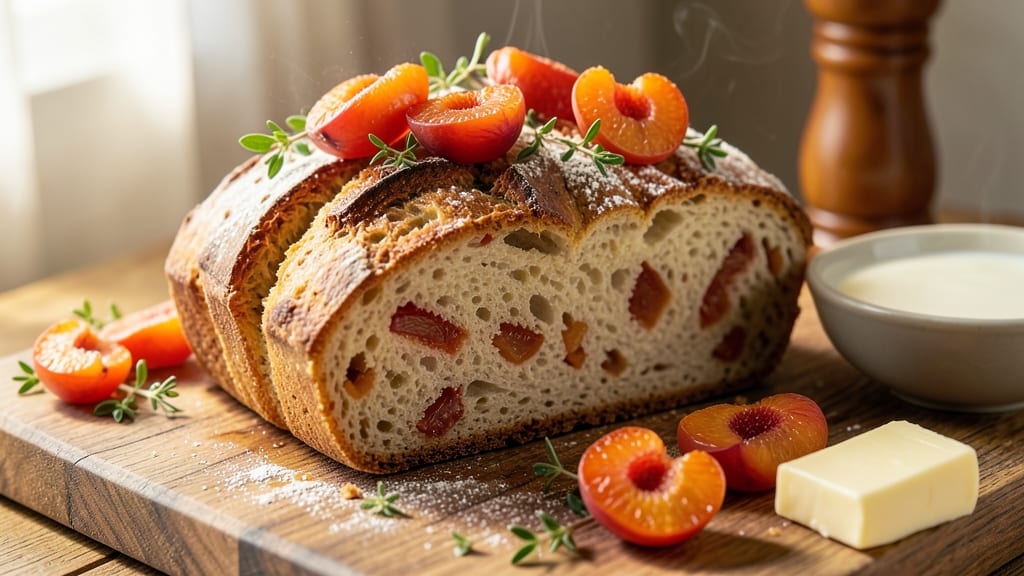
This apricot sourdough bread recipe transforms your kitchen into a rustic bakery with its perfect balance of tangy sourdough and sweet-tart fruit swirls. 🌟 The secret lies in a slow fermentation that develops deep flavor while keeping the crust impossibly crispy—no fancy equipment required.
I’ve perfected this method over years of baking, and the result is bread so good, it disappears faster than you can slice it.
The process begins with a wild yeast starter, which gives the bread its signature tang and complex depth. As the dough rises, I fold in apricot jam or fresh fruit for pockets of jammy sweetness that burst with every bite.
The crust develops a golden, crackly exterior while staying soft and chewy inside—a texture that’s impossible to resist. This recipe delivers restaurant-quality results with just a few simple ingredients and patience.
What sets this bread apart is how the apricot swirls complement the sourdough’s natural acidity, creating a harmony of flavors that’s both comforting and exciting. Whether you’re serving it with butter for breakfast or pairing it with cheese for an appetizer, this bread becomes the star of any meal.
The best part? It freezes beautifully, so you can bake once and enjoy for weeks.
Ready to bake bread that tastes like a European bakery? Let’s get started with a foolproof method that ensures perfect results every time—no baking experience needed.
Ingredients for apricot sourdough bread
Sweet-tart apricot swirls meet tangy sourdough—just 13 ingredients transform your kitchen into a rustic bakery.
| Ingredient | Amount | Notes |
|---|---|---|
| Active Sourdough Starter 🍞 | ½ cup | Fed and bubbly (100% hydration) |
| All-Purpose Flour 🌾 | 4 cups | Unbleached, high protein (11-12%) |
| Granulated Sugar 🍚 | ¼ cup | White or organic cane sugar |
| Salt 🧂 | 1 ½ tsp | Fine sea salt preferred |
| Unsalted Butter 🧈 | ½ cup | Cold, cubed (82°F room temp) |
| Whole Milk 🥛 | ½ cup | Warm (110°F), not hot |
| Apricot Jam 🍑 | ½ cup | Thick, seedless variety |
| Large Egg 🥚 | 1 whole | Room temperature |
| Honey 🍯 | 1 tbsp | For egg wash (optional) |
| Cornmeal 🌽 | ¼ cup | For dusting baking sheet |
| Water 💧 | ½ cup | Room temperature |
| Active Dry Yeast 🍄 | ¼ tsp | Proofed in warm water |
| Fresh Apricots (optional) 🍑 | ¼ cup | Diced, for extra freshness |
The sourdough starter is non-negotiable here—it’s what gives this bread its signature depth. King Arthur or Bob’s Red Mill flours are my go-tos for that perfect chew, but any high-protein flour (11-12%) works. For the starter, I use a 100% hydration ratio (equal parts flour and water), fed daily for 5-7 days until it’s reliably bubbly. Trader Joe’s sells pre-made starters if you’re in a rush, but homemade is worth the wait. The butter should be cold when you mix it in—this creates those coveted flaky layers. If your kitchen’s hot, chill the dough for 20 minutes before shaping.
No apricot jam? Peach or plum jam works beautifully, or swap for 0.25 cup diced fresh apricots (tossed in 1 tsp lemon juice to prevent browning). Running short on butter? Coconut oil or vegan butter gives a similar texture, though it’ll lack the rich flavor. The egg wash is optional but makes the crust extra golden—skip it for a vegan version. For a sweeter loaf, add 1 tbsp more sugar to the dough. The yeast is proofed in warm water (110°F) with a pinch of sugar to activate it, but if you’re in a hurry, you can use instant yeast at double the amount (0.5 tsp) without proofing.
This dough needs time—let it rise at room temperature for 1-2 hours, then cold-proof overnight for maximum flavor. Wrap tightly in plastic and refrigerate up to 24 hours. The jam swirls keep best for 3 days at room temperature, but the bread itself freezes beautifully—slice before freezing, then toast straight from frozen. For extra crunch, bake on a preheated stone or steel. The crust will stay crisp for days if stored in a bread bag, but nothing beats serving it warm with that honey egg wash still glistening.
Why You'll Love This Recipe
- I’ll be real: sourdough starter and butter aren’t cheap, but this recipe stretches every ingredient. One batch feeds my family for days, and the jam adds that gourmet touch without breaking the bank. It’s the kind of bread that makes you feel fancy for pennies.
- Fewer Ingredients, Same Magic: I swear by this recipe because it’s ridiculously simple—just five core ingredients, no fancy swaps. That sourdough starter does all the heavy lifting while the butter and sugar create this buttery, slightly sweet crumb that’s foolproof even if I forget to proof it long enough.
- Apricot Butter Bliss: Between us, the apricot jam swirled into the dough is the star. It’s not overly sweet—just enough to balance the tangy sourdough, with pockets of jam that burst when you bite in. Honestly, I’ve made it without jam before, and I always regret it.
- Breakfast to Brunch: This bread is my lazy Sunday morning secret weapon. Toast it for breakfast, serve it with jam for brunch, or even use slices to make quick French toast. The leftovers keep well for days, so I bake a loaf once and forget it until it’s gone.
Step-by-step instructions for apricot sourdough bread
Here's how to craft a golden-crusted loaf with sweet apricot swirls—crisp outside, tender inside.
👨🍳 Step 1: Mix the Sourdough Dough and Add Jam Swirls
In a large mixing bowl, combine the 0.5 cup fed active sourdough starter, 4 cups all-purpose flour, 0.25 cup granulated sugar, and 1.5 tsp salt. Mix until just combined, then add 0.5 cup cold cubed unsalted butter and 0.5 cup warm whole milk. Knead by hand for 8-10 minutes until smooth and elastic—you'll know it's ready when it springs back slowly when poked.
In a separate small bowl, warm the 0.5 cup apricot jam slightly (just until pourable) and set aside. Once your dough is ready, transfer ⅓ of it to a separate bowl. To the remaining dough, press down with your fingers to create a well in the center. Pour in the warm apricot jam, then gently fold the dough over the jam to encase it. Roll the dough into a log shape and place it seam-side down in the bowl with the reserved dough. Cover with a damp towel and let rise in a warm place for 1-2 hours, or until doubled in size.
🍳 Step 2: Shape the Loaf and Prepare for Proofing
Gently punch down the risen dough to release air, then divide it into two equal pieces. Roll each piece into a log shape, about 8 inches long. Place them side by side on a parchment-lined baking sheet, leaving a 1-inch gap between them. Cover loosely with a damp towel and let proof for another 30-45 minutes until puffy and slightly domed.
Here's the thing—this second proof is crucial for that airy, artisan texture. If your kitchen is cold, place the baking sheet on top of your oven (with the oven off) to create a warm, draft-free environment. The dough should rise just until it loses its finger indent when pressed lightly.
🔥 Step 3: Bake to Golden Perfection
Preheat your oven to 375°F. Once preheated, brush the loaves with the 1 whole room-temperature egg mixed with 1 tbsp honey (for that gorgeous shine). Sprinkle generously with 0.25 cup cornmeal—this creates a crispy, rustic crust and prevents sticking. Bake for 25-30 minutes until the bread is deep golden brown and sounds hollow when tapped on the bottom.
If you added 0.25 cup diced fresh apricots, fold them into the dough before the final shaping. They'll caramelize beautifully during baking, adding bursts of fresh fruit flavor alongside the jam. Watch closely after 20 minutes—the bread browns quickly at this temperature.
⏰ Step 4: Cool and Enjoy
Remove the bread from the oven and transfer to a wire rack to cool completely. This is the hardest part—resist slicing while it's still warm! The interior needs time to set, or the crumb will turn gummy. Let it cool for at least 1 hour before slicing.
Once cooled, slice into ½-inch thick pieces and serve warm with a pat of softened butter or a drizzle of honey. The contrast of crispy crust, tender crumb, and sweet-tart apricot swirls makes every bite unforgettable. Store leftovers in an airtight container for up to 3 days, or freeze for longer storage.
Pro Tips For Making Apricot Sourdough Bread
- Soften Butter First: Take the butter out of the fridge 30 minutes before mixing—it should be pliable but not melted. I used to just grab it straight from the fridge, and the dough would fight me like a stubborn child. Warm butter incorporates better into the dough and gives those apricots a smoother, richer crumb.
- Poke the Dough: After shaping, use a sharp knife or your finger to poke 2-3 small holes in the top of the dough before baking. This lets steam escape and prevents a dense, gummy center. I learned this the hard way when my first batch came out like a brick—no one wants to chisel through their bread.
- Use Ripe Apricots: If adding fresh apricots, pit and chop them into rough chunks—no need to peel. Overripe ones (soft but not mushy) caramelize beautifully and add natural sweetness. I was skeptical until I tried it; the flavor depth is night and day compared to firm fruit.
- Bake with Steam: Place a metal tray on the oven rack before preheating, then add 1/2 cup boiling water when you load the bread. The steam creates that golden, crackly crust we all crave. Skip this, and you’ll end up with a dull, flat top—trust me, it’s worth the extra 30 seconds.
Health benefits of these flavors
Whole Grain Boost
Swap up to 2 cups of the all-purpose flour for whole wheat or rye flour to boost fiber and nutrients. I like King Arthur Whole Wheat Flour because it maintains a good texture while adding 5 grams of fiber per serving.
The bread will have a denser crumb but still retain that signature chewy texture. 🌾
Protein Powerhouse
Add 1 tbsp vital wheat gluten per cup of whole grain flour to improve elasticity and protein content. This creates a bread with 10 grams of protein per slice, making it perfect for breakfast or a snack.
The gluten also helps balance the natural sweetness of the apricot while keeping the structure intact.
Blood Sugar Balance
The combination of sourdough fermentation and fiber-rich ingredients creates a low-glycemic index bread. The low glycemic load comes from the slow-digesting carbohydrates in whole grains and the natural acidity of sourdough. This makes it ideal for blood sugar management when paired with healthy fats like almond butter or avocado.
Antioxidant Rich
Apricots bring vitamin C and provitamin A (beta-carotene) to this bread, with one serving providing 15% of your daily vitamin A needs. The vitamin A supports eye health and immune function.
For extra antioxidant power, add 1 tbsp dried apricot powder (blended from dried apricots) to the dough before baking. 🍑
Digestive Benefits
The natural fermentation process in sourdough breaks down gluten proteins, making this bread easier to digest for many people. The lactic acid bacteria in the starter also support gut health by promoting beneficial microbial balance.
For extra digestive support, add 1 tbsp ground flaxseed to the dough—it provides both fiber and omega-3 fatty acids.
Energy Sustaining
This bread combines complex carbohydrates with healthy fats from the butter, creating sustained energy release. The combination of fiber, protein, and healthy fats helps stabilize blood sugar levels, preventing energy crashes. It's perfect for pre-workout fuel or a satisfying afternoon snack that keeps you full for hours.
Nutrition facts
Frequently asked questions
Can I use fresh apricots instead of jam?
For fresh apricots, dice 0.25 cup and toss them in 1 tsp lemon juice to prevent browning. Fold them into the dough before final shaping—they'll caramelize beautifully during baking. Just reduce the jam to 0.25 cup to balance the moisture.
How do I know when my sourdough starter is ready?
Your starter should be bubbly, doubled in size, and smell slightly tangy (like yogurt) within 4-6 hours after feeding. If it's sluggish, feed it daily for 5-7 days until it consistently doubles in 4-8 hours. A well-fed starter is the secret to that perfect tangy flavor!
Why did my bread turn out dense instead of light?
Over-kneading or under-proofing usually causes dense bread. Knead just until the dough springs back slowly when poked (8-10 minutes by hand). For proofing, let it rise until it loses its finger indent—this takes 1-2 hours at room temp or 8-12 hours in the fridge for cold proofing.
Can I make this gluten-free?
Yes, but with adjustments! Replace all-purpose flour with a 1:1 gluten-free baking flour blend (like Bob's Red Mill) plus 1 tbsp xanthan gum per cup. Add 0.25 cup extra milk to improve texture. The crust may be less crispy, but the flavor will still be delicious.
How long can I keep this bread fresh?
At room temperature, it stays fresh for 3-4 days in an airtight container. For longer storage, slice and freeze—it reheats beautifully straight from frozen. The crust stays crispy when toasted, while the interior remains soft. Pro tip: Wrap cooled loaves in beeswax wrap for extra freshness!