
Side Dishes
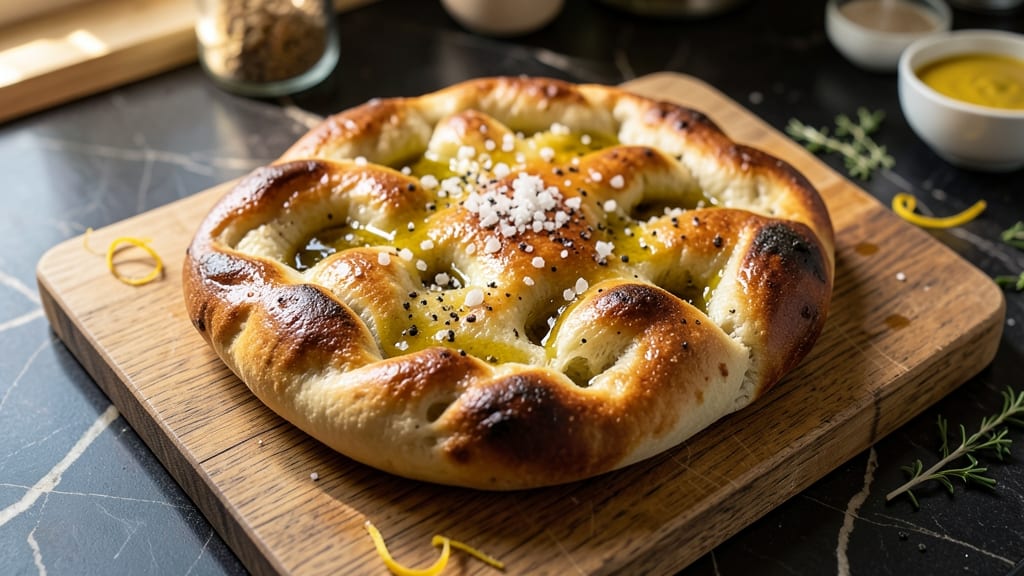
This Arrowhead Mills focaccia bread loaf recipe transforms simple ingredients into a golden, dimpled loaf with crispy edges and pillowy centers. The secret lies in Arrowhead Mills flour's texture and extra-virgin olive oil that creates that signature tender crumb.
I've perfected this technique over years of baking—no fancy equipment needed, just patience and a cast-iron skillet for that authentic restaurant-quality crust.
The process starts with a simple dough of flour, yeast, olive oil, and water, but it's the dimpling technique that makes all the difference. After proofing, pressing your fingers into the dough creates those signature wells that become crispy pockets when baked.
The high heat in the oven transforms the olive oil into a fragrant aroma that fills your kitchen—this is the moment you know you've done it right.
What you'll end up with is a focaccia loaf that's crisp on the outside yet soft and airy inside, with pockets of golden oil that make every bite irresistible. The texture is what sets this apart—it's neither too dense nor too flaky, but perfectly balanced.
Perfect for serving with soups, dipping in olive oil, or pairing with charcuterie boards, this focaccia becomes the star of any meal.
Ready in about 2 hours including proofing, this recipe delivers restaurant-quality results with minimal effort. The key is letting the dough rise properly and baking it at high heat for that signature crispy crust. Once you try this, you'll never buy focaccia from a bakery again—it's that good.
Ingredients for arrowhead mills focaccia bread loaf
Arrowhead Mills flour plus olive oil make this focaccia irresistibly crispy outside and pillowy inside.
| Ingredient | Amount | Notes |
|---|---|---|
| Arrowhead Mills Bread Flour 🌾 | 3 ½ cups | High-protein for chewy texture |
| Active Dry Yeast 🍞 | ¼ oz | Or 1 packet (2.25 tsp) |
| Extra-Virgin Olive Oil 🫒 | ¾ cup | Fruity, not refined |
| Large Eggs 🥚 | 2 whole | Room temperature preferred |
| Granulated Sugar 🍚 | 1 tbsp | Feeds yeast for rise |
| Diamond Crystal Kosher Salt 🧂 | 1 ½ tsp | Fine grain preferred |
| Warm Water 💧 | 1 ¼ cups | 110°F ideal temperature |
| Fresh Rosemary 🌿 | ¼ cup | Chopped, stems removed |
| Fresh Thyme 🌿 | ⅛ cup | Leaves only, chopped |
| Flaky Sea Salt 🧂 | ½ tsp | For final sprinkle |
| Coarse Black Pepper 🌶️ | ¼ tsp | Freshly cracked |
The flour is everything here. Arrowhead Mills has that perfect protein-to-gluten ratio for focaccia—don't substitute with all-purpose. For the olive oil, California Avocado Ranch or Colavita are my go-tos, but any fruity extra-virgin works. Fresh herbs? Whole Foods or your local farmers market have the best. If using dried herbs, cut the amount in half—fresh is worth the extra minute to chop. The yeast should be fresh, not that ancient stuff sitting in your pantry forever. For the water, I use filtered but tap works too if your water's not super hard.
No fresh rosemary? Dried at half the amount works, but you'll miss that piney aroma. Short on thyme? Oregano or basil can step in, though the flavor won't be identical. The eggs can be omitted if you're vegan, but the dough will be slightly less tender. For the sugar, you can use honey if you prefer—just reduce other liquids slightly since honey's sticky. The kosher salt matters: Diamond Crystal dissolves better than Morton. Pro tip: if your kitchen's humid, reduce water by 1 tbsp—the dough shouldn't be sticky, just tacky.
This dough needs time—2 hours minimum including proofing. Store unused flour in an airtight container for 6 months, olive oil in a cool dark place for 1 year. Fresh herbs keep 5 days wrapped in damp paper towels. The focaccia reheats beautifully: 5 minutes at 350°F wrapped in foil. Freeze slices for 3 months—toast straight from frozen. I always bake two loaves and freeze one for lazy days.
Why You'll Love This Recipe
- No-Knead Magic: The Arrowhead Mills flour does all the heavy lifting—just mix, let it rise, and bake. I swear, my dough gets more tender with every batch, and the yeast works like a dream.
- Olive Oil Luxe: That first brush of extra-virgin olive oil? It’s what turns this into something special. The crust gets golden and crispy, while the inside stays pillowy—like a fancy bread without the fuss.
- Weeknight Wonder: I make this on Tuesdays when I’m too tired for dinner plans. It’s perfect for sandwiches, toast, or even soaking up soup—no leftovers here, just happy meals all week.
- Budget Bread Boost: A loaf costs less than store-bought but feels like a treat. The eggs add richness, and the sugar just enough sweetness to make it irresistible—without breaking the bank.
Step-by-step instructions for Arrowhead Mills focaccia bread loaf
This focaccia delivers the perfect balance of crispy crust and airy interior—let's make it together.
Activate the Yeast for Maximum Rise
In a small bowl, combine the 1.25 cups warm water (about 110°F), 1 tablespoon granulated sugar, and 0.25 oz active dry yeast. Stir gently and let sit for 5-10 minutes until frothy. You'll see bubbles form and the mixture double in volume—this confirms your yeast is alive and ready to work.
I always test the water temperature first with my finger. It should feel pleasantly warm, like a bath—not hot enough to burn. If it's too hot, you'll kill the yeast; if too cold, it won't activate properly. This step sets the foundation for that perfect rise we're after.
Mix the Dough with Olive Oil Magic
In a large mixing bowl, whisk together the 3.5 cups Arrowhead Mills bread flour and 1.5 teaspoons Diamond Crystal kosher salt. Create a well in the center and pour in the yeast mixture along with the 2 whole large eggs and 0.75 cup extra-virgin olive oil. Using a wooden spoon, gradually incorporate the flour from the edges until a shaggy dough forms.
The high protein content in Arrowhead Mills flour gives this focaccia its signature chewy texture. I like to work the dough by hand at this stage—it helps develop gluten without overworking it. Once combined, knead lightly for 2-3 minutes just until smooth. The dough should be soft but not sticky.
First Rise and Herb Infusion
Lightly oil a large bowl, place the dough inside, and cover with a damp kitchen towel. Let rise in a warm spot for 1-2 hours until doubled in size. The kitchen towel keeps the dough from drying out while allowing it to breathe.
While the dough rises, finely chop the 0.25 cup fresh rosemary and 0.125 cup fresh thyme—remove any tough stems. When the dough has risen, punch it down gently and transfer to a greased 9x5-inch loaf pan. Press the herbs into the dough, creating a marbled pattern. This infusion gives our focaccia that authentic Mediterranean aroma.
Shape and Second Rise for Perfect Texture
Using wet hands, gently stretch the dough to fill the corners of the loaf pan. Dimple the top with your fingers, pressing down about ½ inch in a diamond pattern. This creates those signature pockets that hold all that delicious olive oil during baking.
Cover again and let rise for another 45-60 minutes until the dough has risen 1-2 inches above the pan. The edges should look slightly puffy, and you'll see the dimples expand. I like to do this rise on the middle oven rack with the oven light on—it creates a warm, consistent environment. Don't skip this step; it's what gives focaccia its signature pillowy texture.
Bake to Golden Perfection
Preheat your oven to 375°F with a baking stone or inverted baking sheet on the middle rack. When ready, drizzle the dough generously with remaining olive oil (about 2 tablespoons) and sprinkle with 0.5 teaspoon flaky sea salt and 0.25 teaspoon coarse black pepper. Bake for 30-35 minutes until the crust is deep golden brown and the internal temperature reaches 190°F.
The key here is patience—don't open the oven door early. The steam needs time to build for that perfect crust. When done, tap the bottom—it should sound hollow. Let cool in the pan for 10 minutes before transferring to a wire rack. The interior should be light and airy, while the crust remains crispy enough to stand up to soups and salads.
Pro Tips For Making Arrowhead Mills Focaccia Bread Loaf
- Bloom the Yeast First: Skip the guesswork by activating the yeast in warm water with a pinch of sugar—you’ll see it foam in 5-10 minutes. If it doesn’t bubble, toss it and start fresh. Arrowhead Mills flour is dense, so lively yeast is non-negotiable for a light loaf.
- Oil the Pan Generously: Don’t skimp on the olive oil here—slather the loaf pan with at least 1 tablespoon of extra-virgin olive oil before shaping the dough. The Arrowhead flour absorbs oil like a sponge, and this guarantees a crisp, golden crust instead of a dry one.
- Poke Holes After Rising: Use a fork or your fingers to dimple the dough’s surface after it’s risen but before baking. This prevents a dense top and lets steam escape—critical with Arrowhead’s high-protein flour, which can trap too much air if left untouched.
- Bake Until Internal Temp Hits 190°F: The loaf’s center should read 190°F on an instant-read thermometer. Arrowhead’s flour develops gluten aggressively, so it’ll feel done sooner than it is—overbaking dries it out, but underbaking leaves it gummy. (Yes, even if it looks golden.)
Make-ahead tips for arrowhead mills focaccia bread loaf
Dough Prep Ahead
Mix the dough up to 24 hours ahead and refrigerate in an airtight container. The cold slows fermentation, giving you more control over the rise. When ready to bake, let it sit at room temperature for 1 hour before shaping—this prevents shock to the yeast.
I always cover it with a damp towel to prevent drying. 💡
Proofing Shortcuts
No warm spot for proofing? Use your oven's light bulb on (with door closed) or place the bowl on top of the fridge. For faster rises, try a proofing basket or a bowl of hot water nearby to create humidity.
The dough should rise 50-100% in 1-2 hours—if it's too slow, your kitchen might be cold.
Freezer-Friendly Loaf
Shape the focaccia, dimple it, and freeze it unbaked in the pan for up to 1 month. When ready to bake, thaw in the fridge overnight, then bake as directed.
The texture stays perfect—just add 5-10 minutes to the baking time. I love this for lazy weekends or holiday prep. ❄️
Reheating Perfection
Wrap cooled focaccia in foil and reheat at 350°F for 5-10 minutes until warm. For extra crispiness, broil for 1-2 minutes at the end. Microwave reheating works too—cover with a damp paper towel for 20-30 seconds to restore moisture. Freshness matters most, but reheating keeps it delicious for days.
Storage Secrets
Store at room temperature in an airtight container for 2-3 days—the crust stays crispy, but the interior softens slightly. For longer storage, slice and freeze individual portions. Toast straight from frozen for that bakery-fresh crunch. I keep a loaf in my freezer at all times for quick meals. 🍞
Herb Prep Tips
Chop your rosemary and thyme 1 day ahead and store in an airtight container in the fridge. This saves time and keeps the herbs fresh. If using dried herbs, measure them right before mixing—they lose potency over time.
Fresh herbs make all the difference in flavor, so don't skip this step. 🌿
Nutrition facts
Frequently asked questions
Can I substitute all-purpose flour for Arrowhead Mills bread flour?
While you can use all-purpose flour, your focaccia won't have that signature chewy texture. Arrowhead Mills' higher protein content creates the perfect balance of crispy crust and airy interior. If substituting, add 1 tablespoon vital wheat gluten per cup of all-purpose flour to mimic the texture. The olive oil richness helps compensate, but the result won't be identical.
Why did my focaccia turn out dense instead of light and airy?
Dense focaccia usually means one of three things: over-kneading (which develops too much gluten), insufficient proofing time, or using cold ingredients. Make sure your yeast mixture is bubbly before mixing, and let the dough rise until it's 50-100% larger. Also, check your oven temperature—it should be 375°F with proper preheating for 30 minutes before baking.
How can I make this focaccia without a loaf pan?
No problem! Shape the dough into a rectangle on a parchment-lined baking sheet (about ½-inch thick) and dimple the top. Bake as directed, but reduce temperature to 350°F and cover loosely with foil for the first 20 minutes to prevent over-browning. The texture will be slightly different but still delicious—great for sandwiches or dipping!
Can I add other toppings besides rosemary and thyme?
Try sun-dried tomatoes, garlic slices, or cherry tomatoes for a sweet-savory twist. For extra richness, sprinkle shredded mozzarella or parmesan before baking. Just add toppings after the second rise—press them gently into the dimpled surface. The key is not to overcrowd so the dough can still expand properly.
Why does my focaccia taste bland?
Bland flavor usually comes from using low-quality olive oil or insufficient herbs. Always use extra-virgin olive oil (not light or refined) and fresh herbs—dried herbs can't replicate the flavor. Also, make sure your salt is properly measured (Diamond Crystal kosher salt is 1.5 teaspoons for this recipe). A final drizzle of high-quality olive oil after baking adds depth of flavor too!