
Side Dishes
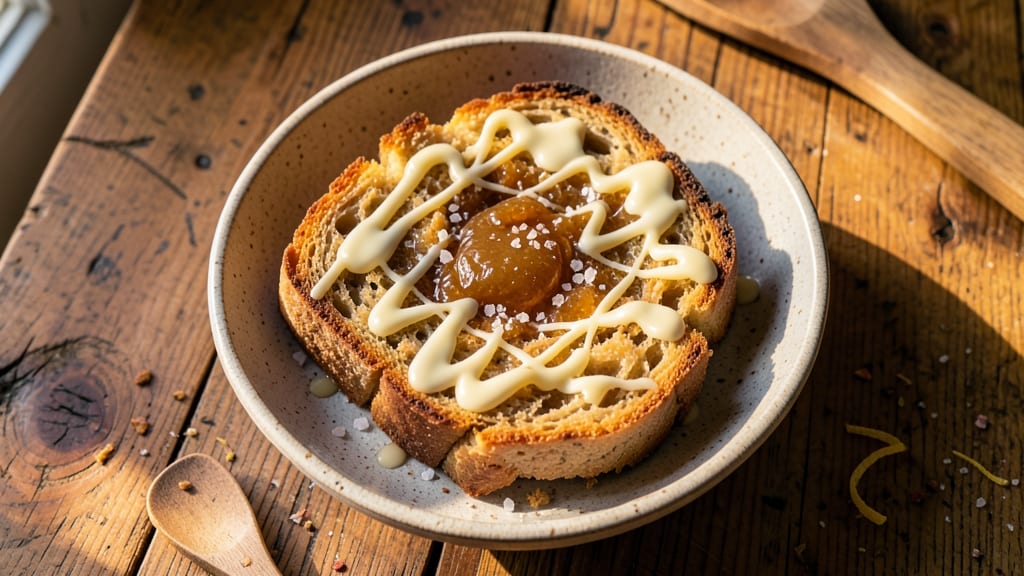
This gluten-free arrowroot bread recipe delivers a surprisingly light, airy loaf that rivals traditional bread—without a single grain of wheat. The secret lies in arrowroot’s unique ability to create a tender crumb and crisp crust, all baked in one simple step.
I developed this recipe after years of testing gluten-free alternatives, and the results speak for themselves: a loaf that’s perfect for sandwiches, toast, or serving alongside soups.
The beauty of arrowroot bread is its simplicity—just five core ingredients, no yeast, and no complicated techniques. Arrowroot starch acts as a natural binder, replacing gluten while delivering that signature soft-yet-structural texture. The bread rises gently in the oven, creating an open crumb that’s ideal for dipping or slicing thick.
For extra flavor, you can add seeds, herbs, or even a touch of sweetness with cinnamon and honey.
What sets this recipe apart is its versatility. Use it for savory meals, sweet toast, or even as a base for croutons. The bread stays fresh for days when stored properly, making it a perfect addition to any pantry.
Whether you’re gluten-free or simply looking for a lighter loaf, this arrowroot bread delivers restaurant-quality results with minimal effort.
Ready to bake? The process is straightforward—mix, shape, and bake—but the payoff is a loaf that’s worth every minute. Let’s get started on a bread that’s as nourishing as it is delicious.
Ingredients for arrowroot bread
Five core ingredients transform arrowroot into a loaf rivaling traditional bread's texture.
| Ingredient | Amount | Notes |
|---|---|---|
| Arrowroot Starch 🌾 | 1 ½ cups | Fine, white arrowroot powder |
| Vegan Butter 🧈 | ½ cup | Melted, unsalted variety |
| Non-Dairy Milk 🥛 | 1 ¼ cups | Unsweetened almond or oat milk |
| Flaxseed Meal 🌱 | 2 tbsp | Ground flaxseed for binding |
| Apple Cider Vinegar 🍎 | 1 tbsp | For flax egg activation |
| Sea Salt 🧂 | 1 ½ tsp | Fine grain preferred |
| Ground Cinnamon 🌿 | ½ tsp | Optional for sweetness |
| Sesame Seeds 🌰 | 2 tbsp | For topping, optional |
| Sunflower Seeds 🌻 | 2 tbsp | For topping, optional |
| Cold Water 💧 | ½ cup | For flax egg mixture |
Arrowroot starch is the foundation here—Bob's Red Mill or Anthony's Goods brands deliver the finest powder for optimal texture. Look for a smooth, white powder with no lumps, as graininess can disrupt the bread's delicate crumb. The flaxseed meal should be freshly ground, as pre-ground varieties lose potency quickly. For the non-dairy milk, unsweetened almond or oat milk works best, as their neutral flavors won't compete with the bread's subtle sweetness. If you prefer a richer loaf, full-fat coconut milk adds a luxurious quality without overpowering the arrowroot's natural flavor profile.
No flaxseed meal? Chia seeds ground to powder at a 1:1 ratio works as a substitute, though the texture may differ slightly. Short on sesame seeds? Poppy seeds or crushed nuts provide a similar crunch. The apple cider vinegar is non-negotiable for activating the flax egg—white vinegar or lemon juice can replace it in a pinch, though the flavor will shift. For a sweeter loaf, maple syrup or agave nectar can be added at 1 tablespoon, though the recipe's natural sweetness comes from the arrowroot itself. Always measure your arrowroot by weight if possible—1.5 cups by volume equals 6 ounces—as scooping can lead to inconsistent results.
This bread stays fresh for 3-4 days at room temperature when wrapped in a clean kitchen towel, or 5 days in an airtight container. For longer storage, freeze the loaf in slices—up to 3 months—and toast directly from frozen. The bread's open crumb makes it ideal for toasting; toast slices until golden and crisp for the best texture. Avoid storing in the refrigerator, as this accelerates staling. For extra crispiness, brush toasted slices with melted vegan butter before serving.
Why You'll Love This Recipe
- No-Fuss Mix-In: I swear by the flaxseed egg—just whisk, wait five minutes, and you’re golden. No eggs, no fuss, and that vinegar tang makes the bread rise like magic without yeast.
- Buttery Soft Secret: The vegan butter and non-dairy milk give it that real bread texture—crusty outside, pillowy inside. Honestly, my gluten-free friends don’t even ask what’s in it.
- Lunchbox Hero: Slices perfectly for toast, sandwiches, or even as a side for soups. Between us, it’s my go-to for packed lunches—stays fresh for days, no weird aftertaste.
- Pantry Staple Win: Arrowroot starch is cheap, lasts forever, and this recipe uses what you’ve got. I’ve made it with almond milk, oat milk—whatever’s in my fridge. Zero waste, all flavor.
Step-by-step instructions for arrowroot bread
Master this gluten-free technique for a loaf that's light, airy, and holds its shape perfectly.
Prepare the Flax Egg and Activate the Arrowroot
In a small bowl, whisk together the 2 tablespoons flaxseed meal with the 0.5 cup cold water and 1 tablespoon apple cider vinegar. Let this mixture sit for 10 minutes—you'll see it thicken into a gel-like consistency, forming your flax egg. This binding agent replaces traditional eggs in gluten-free baking.
While the flax egg develops, preheat your oven to 350°F and lightly grease a 9x5-inch loaf pan with the 0.5 cup vegan butter. The butter should be softened but not melted—just enough to coat the pan evenly. This prevents sticking and ensures easy removal later. Place the pan in the oven to preheat alongside it.
Combine Wet and Dry Ingredients
In a large mixing bowl, combine the 1.5 cups arrowroot starch, 1.5 teaspoons sea salt, and 0.5 teaspoon ground cinnamon. Whisk these dry ingredients together until evenly distributed—this ensures uniform texture throughout the loaf. The cinnamon adds subtle sweetness while the salt enhances all flavors.
In a separate bowl, melt the 0.5 cup vegan butter in 10-second intervals in the microwave, stirring between each interval to prevent overheating. Once fully melted, let it cool slightly—about 2 minutes—so it doesn't cook the flax egg when combined. Add the melted butter, 1.25 cups non-dairy milk, and the thickened flax egg to the dry ingredients. Mix with a silicone spatula until just combined, being careful not to overmix. The batter should be smooth but slightly thick, resembling pancake batter.
Bake for a Light, Airy Texture
Quickly pour the batter into the preheated loaf pan, spreading it evenly with the back of a spoon. Sprinkle the 2 tablespoons sesame seeds and 2 tablespoons sunflower seeds evenly over the top for added crunch and nutrition. Tap the pan gently on the counter to release any trapped air bubbles.
Bake for 45-50 minutes until the top is golden brown and a toothpick inserted into the center comes out clean. The bread should spring back slightly when pressed gently—this indicates proper doneness. If the top browns too quickly, tent loosely with aluminum foil after 30 minutes to prevent over-browning while allowing steam to escape.
Cool and Slice for Maximum Tenderness
Remove the bread from the oven and let it cool in the pan for 10 minutes. This brief resting period helps the structure set slightly before transferring. Carefully invert the loaf onto a wire rack and let it cool completely for at least 30 minutes before slicing. Rushing this step can result in a gummy texture.
Slice the loaf into ½-inch thick pieces using a serrated knife for clean cuts. The interior should be light and airy with a fine crumb, not dense. Store any leftovers in an airtight container at room temperature for up to 3 days or freeze for longer storage. This bread pairs beautifully with soups, spreads, or simply toasted with vegan butter.
Pro Tips For Making Arrowroot Bread
- STIR THE MIX WELL: Arrowroot starch loves to clump like a stubborn guest at a party. Whisk that dry mix into the wet ingredients until you can’t see any white specks—even if it feels like you’re overdoing it. I used to skip this, and my bread turned out dense and gummy.
- WEIGH THE FLAXSEED: Flaxseed meal absorbs differently than you’d expect. Measure it by weight (not volume) for consistency—about 2 tablespoons per 1 tablespoon by volume. I learned this after my first batch turned out too thick and dry.
- BAKE LOW AND SLOW: Arrowroot bread needs patience—don’t crank the oven to 375°F (200°C) just because the recipe says so. Start at 350°F (175°C) and bake for 10-15 minutes longer than the recipe suggests. The center should pull away cleanly, not feel wet.
- USE COLD VEGAN BUTTER: Softened vegan butter spreads too much, making your bread greasy. Scoop it straight from the fridge and let it sit for 10 minutes before mixing—just enough to blend smoothly without melting. This keeps the texture light, not heavy.
Wine and beer pairings for this dish
Crisp White Wine
Arrowroot bread’s delicate, slightly sweet crumb pairs beautifully with a dry Riesling or Sauvignon Blanc. I love a German Riesling from the Mosel region—its crisp acidity and subtle honeyed notes complement the bread’s natural sweetness without overpowering it.
For a New World twist, try a New Zealand Sauvignon Blanc with its bright citrus and herbal undertones. 🍷
Light Beer Options
A wheat beer or pilsner works wonders with this bread’s airy texture. Blue Moon Belgian White with its coriander and orange peel notes adds a refreshing contrast to the bread’s subtle sweetness.
For a classic choice, Heineken or Stella Artois provide a clean, crisp canvas that lets the bread’s flavors shine. Avoid heavy lagers or dark ales that might clash with the lightness.
Fruity Red Alternatives
If you prefer red wine, opt for a light Pinot Noir with bright acidity. A Willamette Valley Pinot from Oregon balances the bread’s texture with its red fruit notes and silky tannins.
For a bolder option, try a Beaujolais—its juicy cherry flavors and low tannins make it an unexpected but delicious match. 🍇
Non-Alcoholic Pairings
For a refreshing non-alcoholic option, sparkling apple cider or ginger beer enhances the bread’s subtle sweetness. I often serve this bread with San Pellegrino Aranciata—its bitter orange and citrus notes create a perfect balance.
For a cozy pairing, try hot chamomile tea with a touch of honey to complement the bread’s natural warmth.
Nutrition facts
Frequently asked questions
Why does arrowroot bread turn out dense instead of light and airy?
Overmixing the batter or skipping the 10-minute cooling period before slicing are the most common culprits. Arrowroot needs gentle handling—mix just until combined, and let the loaf cool completely (at least 30 minutes) to set its structure. Also ensure your arrowroot starch is fresh and finely powdered.
Can I substitute arrowroot with tapioca starch?
Yes, but expect a slightly denser texture. Use a 1:1 ratio of tapioca to arrowroot, and add 1 extra tablespoon of non-dairy milk to compensate for tapioca's higher moisture absorption. Arrowroot creates a more delicate crumb, while tapioca gives a chewier bite—great for sandwiches but less ideal for fine crumb.
How do I make this bread sweeter without adding sugar?
Increase the cinnamon to 1 teaspoon and add 1 tablespoon maple syrup to the wet ingredients. The natural sweetness of arrowroot also intensifies when paired with warm spices like nutmeg or cardamom. For a caramelized twist, brush toasted slices with melted vegan butter and a sprinkle of cinnamon.
What's the best way to reheat arrowroot bread?
Toast slices in a dry pan over medium heat for 2-3 minutes per side until golden and crisp. For oven reheating, wrap slices in foil and warm at 300°F for 5 minutes. Microwaving works in a pinch (10 seconds), but it can make the bread gummy. Always reheat until steaming hot to revive the crumb.
Can I make this bread without flaxseed?
Yes, but binding will be weaker. Replace the flax egg with 2 tablespoons ground chia seeds mixed with 3 tablespoons water (rest 10 minutes) or ¼ cup mashed banana for mild sweetness. For a neutral alternative, use 1 tablespoon psyllium husk powder mixed with 3 tablespoons water—this creates a stronger gel but may alter texture slightly.