
Side Dishes
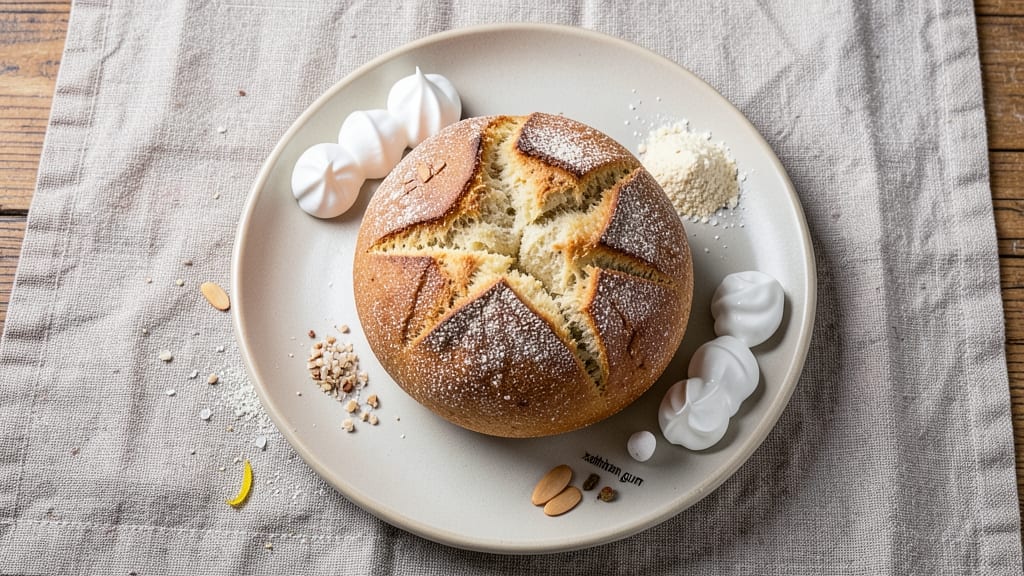
This Atkins low carb bread recipe delivers the fluffy texture and satisfying crunch of traditional bread without the gluten or refined carbs. The secret lies in almond flour and egg whites, which create a light, airy crumb while keeping carbs in check.
I developed this recipe after struggling to find low-carb bread that actually tasted good—no more dense, dry loaves that crumble at the first slice.
The beauty of this recipe is its simplicity: just seven ingredients, no special equipment, and a 350°F oven. The almond flour provides a nutty depth, while erythritol sweetens without spiking blood sugar.
Egg whites act as a natural leavener, creating that coveted fluffy texture that makes it perfect for toast or sandwiches. Unlike many low-carb breads, this one doesn't taste like cardboard—it's genuinely bread-like.
What you'll end up with is a golden-brown loaf with a crispy crust and tender interior, perfect for pairing with avocado toast, soups, or your favorite deli meats. The recipe yields two standard loaves, so you can freeze one for later.
No more compromising on texture when you're following a low-carb lifestyle—this bread proves you can have your bread and eat it too.
Best of all, it's a one-bowl recipe that comes together in about 10 minutes of prep, with just 50 minutes in the oven. The key to success is not overmixing the batter and letting it rest before baking.
Once you try this, you'll never go back to store-bought low-carb bread again.
Ingredients for atkins low carb bread
Seven simple ingredients transform into two golden loaves—fluffy, crisp, and guilt-free.
| Ingredient | Amount | Notes |
|---|---|---|
| Almond Flour 🌰 | 2 ½ cups | Finely ground, unsweetened |
| Large Egg Whites 🥚 | 6 whole | Room temperature preferred |
| Erythritol 🍬 | ¼ cup | Granular or powdered |
| Baking Powder 🍞 | 1 tsp | Aluminum-free preferred |
| Salt 🧂 | ½ tsp | Fine sea salt |
| Xanthan Gum 🧪 | ¼ tsp | For binding and texture |
| Unsalted Butter 🧈 | ¼ cup | Cold, cubed for crust |
Almond flour is the star here. Bob's Red Mill or Anthony's Goods brands are my go-to—they're finely ground and consistent. If you can't find almond flour, blend almonds yourself (3 cups whole almonds = 1 cup flour), but it'll be coarser. The erythritol matters too—Lakanto or Swerve work best; avoid maltitol if you want crispy crusts. Egg whites? Room temperature whips up faster, but cold ones work if you're patient. For the butter, Plugrá or Land O'Lakes are reliable, but any unsalted will do.
No erythritol? Allulose or monk fruit sweetener works at a 1:1 ratio, but texture might soften slightly. Skip the xanthan gum? Add 1 tbsp psyllium husk powder instead—it's a fiber-based binder that does the same job. Butter too rich? Substitute coconut oil, but reduce by 1 tbsp to avoid greasiness. The baking powder is non-negotiable—aluminum-free is key for that proper rise. If you're short on egg whites, aquafaba (chickpea brine) works at 3 tbsp per egg white, though texture will differ slightly.
Mix the dry ingredients first—whisk the almond flour, erythritol, baking powder, salt, and xanthan gum in a bowl. Then fold in egg whites gently (don't overmix!) before stirring in cold butter cubes. The batter will look thick, but that's normal. Let it rest 10 minutes before baking—this is where the magic happens. For storage, wrap cooled loaves in parchment and foil; keeps 3 days at room temp or 3 months frozen. Toast straight from frozen for crispy results.
Why You'll Love This Recipe
- No-Fuss Mixing: I swear by this recipe because it’s three ingredients plus water—just almond flour, egg whites, and erythritol. No kneading, no waiting for dough to rise, just whisk, pour, bake. Honestly, my lazy days thank me every time.
- Buttery Without Butter: That crispy crust with a tender crumb? The egg whites create a cloud-like texture while the erythritol keeps it sweet without the crash. Toast it, and it’s almost like sourdough—just with half the carbs.
- Meal Prep MVP: I make a double batch on Sundays and freeze slices between parchment. Microwave for 15 seconds, and it’s fresh enough for sandwiches or toast. (Yes, even on a Tuesday night.)
- Budget-Friendly Staple: Almond flour is pricey upfront, but one bag lasts me months. The egg whites stretch further than you’d think, and erythritol keeps the cost down compared to other sweeteners. It’s my secret weapon for low-carb baking without breaking the bank.
Step-by-step instructions for Atkins low carb bread
This fluffy, gluten-free bread comes together with simple steps and yields perfect results every time.
Whisk Egg Whites to Stiff Peaks
In a large mixing bowl, combine the 6 whole Large Egg Whites and beat them with an electric mixer on high speed until soft peaks form. Gradually increase the speed to medium-high and continue beating until the egg whites form stiff, glossy peaks that hold their shape when the beaters are lifted. This step is crucial for achieving that light, airy texture—don't rush it, and make sure the bowl is completely free of any grease or fat.
Here's the thing—room temperature egg whites whip up faster and hold their volume better. If yours are straight from the fridge, let them sit in warm water for 5 minutes before starting. You'll know they're ready when they're slightly tacky to the touch but not runny. Once you reach stiff peaks, set the bowl aside for now—we'll come back to it.
Mix Dry Ingredients and Incorporate Butter
In a separate medium bowl, whisk together the 2.5 cups Almond Flour, 0.25 cup Erythritol, 1 tsp Baking Powder, 0.5 tsp Salt, and 0.25 tsp Xanthan Gum. Sift the mixture through a fine-mesh sieve directly into the bowl to ensure there are no lumps. This prevents dense pockets in your bread and guarantees an even texture throughout.
Cut the 0.25 cup Unsalted Butter into small cubes and add them to the dry ingredients. Use your fingers to work the butter into the flour mixture until you achieve a crumbly, sand-like consistency. The butter should be cold but not frozen—this creates pockets of steam during baking that help create that beautiful rise. If your kitchen is warm, chill the butter for 10 minutes before adding it to the flour.
Gently Fold Wet and Dry Ingredients
With a rubber spatula, gently fold the dry ingredients into the beaten egg whites. Start at the bottom of the bowl and work your way up, lifting and folding the mixture rather than stirring it. This technique preserves the air incorporated into the egg whites, which is essential for that light, fluffy texture. You'll see some streaks of white in the batter—that's normal and actually desirable.
Once combined, the batter should be thick but still pourable. If it seems too dry, you can add 1-2 tablespoons of water to help it come together. Don't overmix at this stage—just combine until there are no more dry spots. The batter will look like a thick, pale batter with visible streaks of almond flour. This is perfect—it means we've preserved all that air from those stiff peaks.
Prepare the Loaf Pan and Bake
Preheat your oven to 350°F and lightly grease a 9x5-inch loaf pan with cooking spray or butter. Pour the batter into the prepared pan and smooth the top with a spatula. The batter will fill about halfway up the pan—this is normal for low-carb bread. Tap the pan gently on the counter 2-3 times to remove any air bubbles that may have formed during mixing.
Bake for 50-55 minutes until the top is golden brown and a toothpick inserted into the center comes out clean. The bread is done when it springs back slightly when pressed in the center. I know it seems like a long time, but this slow bake is what creates that perfect internal texture. If the top browns too quickly, tent the pan with aluminum foil to prevent over-browning while it finishes baking.
Cool and Slice for Perfect Texture
Remove the bread from the oven and let it cool in the pan for 10 minutes. Then transfer it to a wire rack to cool completely for at least 30 minutes before slicing. This cooling period is crucial—it allows the bread to set properly and prevents it from becoming gummy when you slice it. I know it's tempting to dig in right away, but trust me on this one.
Once fully cooled, slice the bread with a serrated knife. The texture should be light and fluffy with a slight crumb that's more like traditional bread than most low-carb versions. Store any leftovers in an airtight container at room temperature for up to 3 days or freeze for up to 3 months. This bread is perfect for toast, sandwiches, or even French toast—just like the real thing, but without the carbs!
Pro Tips For Making Atkins Low Carb Bread
- WHISK EGGS FIRST: Almond flour clumps like a stubborn toddler if you mix it dry, so whip those egg whites to stiff peaks before adding anything else. I learned this the hard way—my first batch turned out dense because I dumped the flour in too soon.
- SIFT ALMOND FLOUR: Yes, even almond flour. It’s not flour, but it still packs tightly, and that means uneven baking. Toss it through a fine-mesh sieve with the baking powder and salt—it cuts down on lumps and guarantees a lighter crumb.
- DON’T OVERMIX THE BATTER: This isn’t pancake batter. Once you fold in the almond flour, stop. Stir just until combined—overmixing develops gluten (there’s none here) and makes the bread gummy. Think "loose clouds," not "pancake batter."
- BAKE UNTIL 200°F: Your bread might look done at 190°F, but it’s still damp inside. Pull it when the internal temp hits 200°F—this ensures it’s fully set and won’t turn gummy later. (A meat thermometer works best; don’t rely on the look.)
Troubleshooting great atkins low carb bread
Dense or Gummy Texture
If your bread turns out dense or gummy, overmixing the batter is usually the culprit. The egg whites need to be folded gently into the dry ingredients—think "lift and fold" rather than stirring vigorously. Also, ensure your almond flour is finely ground; coarse flour can create a heavier texture.
If the bread still feels gummy after baking, it might need more time in the oven. Try baking for an additional 5-10 minutes until the internal temperature reaches 200°F. 🔥
Flat or Not Rising
A flat loaf often means the baking powder wasn’t activated properly or the butter wasn’t cold enough. Always use fresh baking powder (test it by mixing with water—it should fizz). Chill the butter for 10 minutes before mixing to create steam pockets for rise.
If you’re at high altitude, increase the baking powder to 1.5 tsp and reduce the erythritol by 1 tbsp to prevent over-rising. Let the batter rest for 10 minutes before baking—this allows the xanthan gum to fully hydrate and bind.
Cracked or Sunken Top
Cracks or a sunken top usually happen when the oven temperature fluctuates or the bread isn’t fully cooled before slicing. Preheat your oven for at least 15 minutes to ensure even heat. If the top browns too quickly, tent the pan with foil after 30 minutes of baking.
Avoid opening the oven door during the first 30 minutes—temperature drops cause uneven rising. Let the bread cool completely on a wire rack before slicing to prevent a collapsed top.
Dry or Crumbly Crust
A dry crust often means the butter wasn’t cold enough or the bread was baked too long. Use cold, cubed butter straight from the fridge, and bake until the internal temperature hits 190-200°F.
If the crust is too dry, brush the top with melted butter after baking for a softer texture. For extra moisture, add 1 tbsp heavy cream or almond milk to the batter before folding in the dry ingredients. Avoid overbaking—pull the bread out when it’s just golden brown.
Egg Whites Didn’t Hold Shape
If your egg whites collapse or don’t hold stiff peaks, they might have been overmixed or contained traces of fat. Ensure your bowl and beaters are completely clean and grease-free. Room-temperature egg whites whip up faster—let them sit in warm water for 5 minutes if they’re cold.
If they deflate during mixing, try adding a pinch of cream of tartar (1/8 tsp) to stabilize them. Fold them into the dry ingredients quickly to preserve their structure.
Bread Sticks to the Pan
If your bread sticks, the pan wasn’t greased well enough or the batter was too wet. Lightly grease the pan with butter or cooking spray, then dust it with a thin layer of almond flour before pouring in the batter.
For extra insurance, line the pan with parchment paper cut to fit. If the batter seems too thick, add 1 tbsp water or almond milk to help it spread evenly. Tap the pan gently on the counter 2-3 times to remove air bubbles before baking.
Nutrition facts
Frequently asked questions
Can I use regular flour instead of almond flour?
No, almond flour is essential for this recipe—it provides the perfect texture and low-carb profile. Regular flour would add too many carbs and make the bread dense. If you must substitute, try 100% coconut flour, but you'll need to add an extra 2 tbsp water and let it hydrate for 10 minutes before mixing. The texture will be slightly different but still delicious.
How do I make this bread even more keto-friendly?
To maximize keto compliance, use 1/4 cup erythritol or monk fruit sweetener instead of the full amount, or omit it entirely. Replace the butter with 1/4 cup coconut oil (melted and cooled), and add 1/2 tsp apple cider vinegar to the egg whites for extra stability. This reduces carbs further while keeping the same fluffy texture.
Why does my bread taste bitter?
Bitterness usually comes from overbaking or using old almond flour. Bake until the internal temperature reaches 190-200°F (not longer). For freshness, store almond flour in the fridge and use it within 3 months of opening. If bitterness persists, reduce the erythritol by 1 tbsp—sometimes the sweetener can linger. Freshly ground almond flour tastes best!
Can I make this bread without xanthan gum?
Yes! Replace the 1/4 tsp xanthan gum with 1 tbsp psyllium husk powder (mix with the dry ingredients). Psyllium binds similarly and improves texture. If you can't find either, add 1 extra egg white—the extra protein helps hold the structure together. Just be prepared for a slightly denser crumb.
How do I make this bread rise higher?
For a taller loaf, increase the baking powder to 1.5 tsp and let the batter rest for 20 minutes before baking (this activates the leavening). Preheat your oven to 375°F instead of 350°F for the first 15 minutes to encourage faster rising. Avoid opening the oven door during the first 30 minutes to maintain even heat.