
Side Dishes
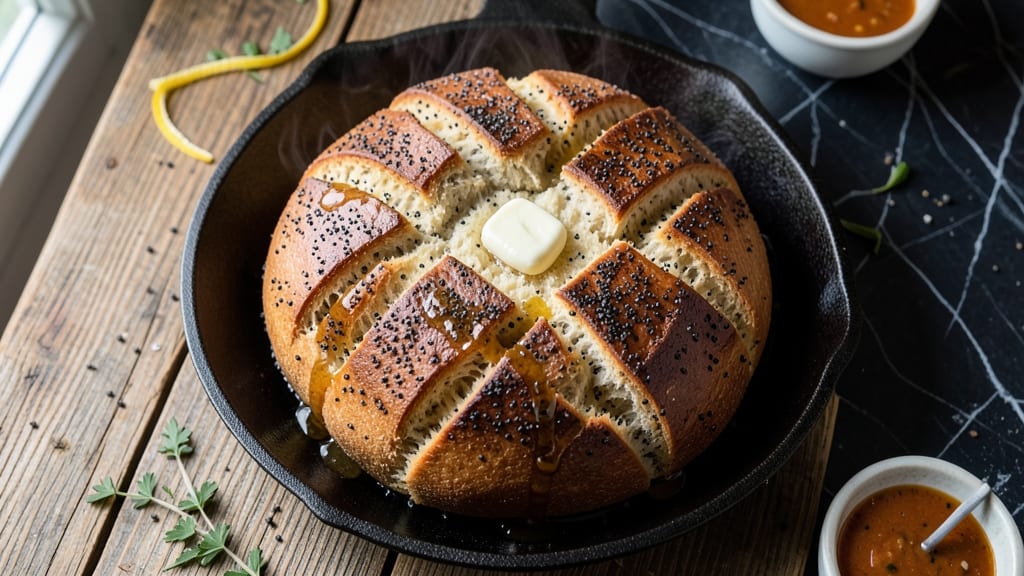
This Australian soda bread recipe delivers rustic perfection with just five ingredients and no yeast—no wonder it’s been a kitchen staple for generations. The secret lies in buttermilk’s tangy magic, which creates a tender crumb and crisp golden crust without a single rise time.
I’ve baked countless loaves, and this version consistently delivers that signature cross pattern and heart-shaped crack you crave.
What makes this recipe truly special is its simplicity: no kneading, no waiting for yeast to activate, and no fancy equipment. The dough comes together in minutes, then bakes at 400°F for about 35 minutes, filling your home with an intoxicating aroma.
The buttermilk not only tenderizes but also reacts with baking soda to create that signature airy texture—light enough to melt in your mouth yet sturdy enough to hold up to hearty soups or butters.
By the time you pull it from the oven, you’ll have a loaf with a crackling crust, an open crumb, and just enough tang to balance rich meals.
The beauty of Australian soda bread is its versatility—serve it warm with butter, toast it for breakfast, or use it as a base for savory tarts. It’s the kind of bread that makes everyday meals feel special without requiring extra effort.
For those who love customization, this recipe easily accommodates add-ins like seeds, herbs, or even grated cheese. The instructions are foolproof, ensuring consistent results every time. Let’s get started on your first perfect loaf—this bread is worth the wait, and the process couldn’t be simpler.
Ingredients for australian soda bread
Five simple ingredients transform into a rustic loaf with that signature crack and tender crumb.
| Ingredient | Amount | Notes |
|---|---|---|
| All-Purpose Flour 🌾 | 4 ½ cups | Unbleached preferred for best texture |
| Buttermilk 🥛 | 1 ½ cups | Full-fat for authentic flavor |
| Baking Soda 🧂 | 1 ½ tsp | Pure, aluminum-free preferred |
| Salt 🧂 | 1 ½ tsp | Diamond Crystal kosher salt |
| Unsalted Butter 🧈 | ½ cup | Cold, cubed for texture |
| Poppy Seeds 🌻 | 2 tbsp | Optional but traditional |
| Sesame Seeds 🌾 | 2 tbsp | Optional for extra crunch |
The flour is non-negotiable here—King Arthur or Gold Medal are my go-tos for that perfect crumb. Buttermilk is the soul of this bread, so don't use sour milk or buttermilk substitutes—the tang is essential. The baking soda needs to be fresh; if it's past its prime, your bread will taste flat. For the salt, Diamond Crystal kosher dissolves better than table salt. Butter should be cold when mixed in—cut it into small cubes before adding to the flour. The seeds? Totally optional, but they add that classic Australian touch. Trader Joe's has great pre-portioned seeds if you want to skip measuring.
No buttermilk? Mix 1.5 tbsp vinegar or lemon juice with 1.5 cups milk and let it sit for 5 minutes. The baking soda must be pure—no baking powder substitutes. Want to skip seeds? Swap for sunflower seeds or herbs like rosemary or thyme. The butter can be omitted if you're watching fat, but the crust won't be as tender. For a sweeter loaf, add 1 tbsp sugar to the dough. And if you're feeling fancy, add a pinch of cinnamon—it pairs beautifully with the tang.
This dough doesn't need to rest, but you can prep it up to 24 hours ahead and refrigerate it. Shape it into a round loaf, make a deep cross on top, and bake at 400°F for 35 minutes. The bread keeps well at room temperature for 3 days, but it's best fresh. For longer storage, wrap tightly in foil and freeze for up to 3 months. To revive, warm in a 200°F oven for 10 minutes—nothing beats that crust straight from the oven.
Why You'll Love This Recipe
- No Mixer Needed: Mixing this dough is basically kneading butter into flour with your fingers—no stand mixer, no fuss. The buttermilk and baking soda create that signature tangy rise while you’re still deciding what to have for dinner.
- Tangy Crust, Soft Core: That crispy exterior with a moist, buttery crumb? It’s all thanks to the buttermilk and a quick bake. Honestly, the first slice out of the oven is the best—warm, slightly salty, and just sweet enough from the butter.
- Weeknight Hero: Slice it for toast, tear it for sandwiches, or serve it with soup—this bread does it all. I’ve used the leftovers for three days straight, and it’s always better than store-bought, even cold.
- Pantry Staple, Pocket-Friendly: Flour, buttermilk, butter—you’re probably already stocked. It costs next to nothing to make, and a single loaf feeds my whole family without breaking the bank. Plus, it keeps well, so no wasted dough.
Step-by-step instructions for Australian soda bread
Here's how to create that signature rustic crust and tender crumb with minimal effort.
Mix Dry Ingredients for Perfect Texture
In a large bowl, combine the 4.5 cups all-purpose flour, 1.5 teaspoons baking soda, and 1.5 teaspoons salt. Give it a quick stir with a wooden spoon until everything is evenly distributed. The baking soda and salt should be completely incorporated into the flour—no little white or gray specks left behind.
This dry mix forms the backbone of your bread. The baking soda will react with the buttermilk to create lift, while the salt enhances all the flavors. I like to use a whisk for this part to break up any flour clumps that might form during storage. Once mixed, set this bowl aside for now—it's ready when you are.
Create the Buttermilk Well and Add Seeds
Make a well in the center of your dry ingredients mixture. Pour in the 1.5 cups buttermilk into this well. The buttermilk should be at room temperature—cold buttermilk can make the bread dense. Let it sit for 1 minute before stirring.
After that minute, use a wooden spoon to gently mix the buttermilk into the flour until just combined. You're looking for a shaggy dough that still has some dry spots—don't overmix. This is where you'll add the 2 tablespoons poppy seeds and 2 tablespoons sesame seeds. Sprinkle them over the dough and fold them in with a few gentle turns of the spoon. The seeds will add beautiful texture and a subtle nutty flavor to each bite.
Cut in the Cold Butter for Richness
Add the ½ cup cold, cubed unsalted butter to the dough. Using your fingers, quickly work the butter into the dough until it's evenly distributed. The butter should be cold enough to hold its shape but soft enough to break down into the dough. If it's too hard, let it sit at room temperature for another 2-3 minutes before trying again.
Here's the thing—you want the butter to create little pockets of fat throughout the dough. These pockets will melt during baking and create that signature tender crumb. Don't overwork the dough; just mix until the butter is mostly incorporated. Once combined, the dough will be sticky but manageable. If it's too sticky to handle, you can wet your hands slightly with cold water to help shape it.
Shape and Score for That Iconic Crust
Turn the dough out onto a lightly floured surface and gently shape it into a round loaf about 10-12 inches in diameter. Don't worry if it's not perfectly round—the rustic look is part of the charm. Place the dough on a parchment-lined baking sheet and let it rest for 10 minutes while you preheat your oven to 375°F.
After the dough has rested, use a sharp knife or a razor blade to score the top in a cross pattern. This isn't just for looks—it helps the bread expand evenly as it bakes and creates that beautiful, crispy crust. Press down firmly but don't cut too deeply into the dough. The cross should be about ½ inch deep. Once scored, immediately place the bread in the preheated oven.
Bake Until Golden and Hollow-Sounding
Bake the bread for 45-50 minutes until it's deep golden brown on top and sounds hollow when you tap the bottom. The internal temperature should reach 190-200°F when measured with an instant-read thermometer. This might seem hot, but soda bread continues cooking as it cools.
I know it's tempting to check early, but resist the urge to open the oven door. Every time you peek, you risk letting heat escape and causing the bread to collapse. When it's done, remove it from the oven and let it cool on a wire rack for at least 30 minutes before slicing. This resting time allows the crumb to set properly and prevents a gummy texture. The bread will be warm to the touch but safe to slice—each piece will have that perfect balance of crispy crust and tender interior.
Pro Tips For Making Australian Soda Bread
- MEASURE BUTTERMILK PRECISELY: Australian soda bread lives or dies by the buttermilk-to-flour ratio—don’t eyeball it. Use a liquid measuring cup and fill it to the exact line marked for 1 cup (240ml), then stir in the baking soda. Too little buttermilk makes the bread dense; too much turns it gummy. I learned this after throwing out a batch that tasted like a sad sponge cake.
- STOP MIXING AFTER 8 STIRS: Overworking the dough triggers gluten, and that’s the last thing you want in soda bread. Once the wet ingredients are fully incorporated—around 8-10 stirs with a wooden spoon—stop. The dough should look shaggy, not smooth. I used to "fix" it by kneading, and my bread turned out tougher than a boot. Let the baking soda do its magic.
- BAKE UNTIL GOLDEN, NOT JUST HOLLOW: Tap the bottom—it might sound hollow, but don’t pull it out yet. Australian soda bread needs a deep golden crust for that classic flavor. Aim for 230-240°C (450-465°F) and bake until the top is actually golden, not just pale. I used to rush it, and the bread tasted raw inside. A toothpick test works too, but the crust color is the real tell.
- CUT SLITS BEFORE BAKING: Skip the decorative knife-slashing after baking—it’s a waste of time. Use a sharp knife or lame to cut a deep cross before baking. This lets steam escape, preventing a dense center and giving you that perfect rustic shape. Yes, it looks messy at first, but the bread rises better and stays moist longer. I was skeptical until I tried it—now I never bake it any other way.
Perfect pairings for this dish
Butter Spreads
Nothing beats the classic combo of warm Australian soda bread with salted butter—just let it cool slightly and spread generously. I love Plugrá Irish Butter for its rich, creamy texture and slightly higher fat content.
For something more interesting, try garlic-infused butter (mix 2 tbsp softened butter with 1 minced garlic clove and a pinch of salt) or herb butter (mix 2 tbsp butter with 1 tbsp chopped fresh parsley and ½ tsp lemon zest). 🧈
Jam Pairings
This bread soaks up jam beautifully. Raspberry jam is my go-to for breakfast, but fig jam or blackcurrant jam add a sophisticated touch. Look for local Australian jams like Bickford’s or Sorrento for that authentic flavor.
Spread a thin layer of jam on a slice, then top with a dollop of butter for the ultimate sweet-savory combo.
Savory Toppings
For lunch or dinner, try cheese and chutney. A slice of sharp cheddar or brie with mango chutney creates a perfect balance of rich and tangy flavors. Another favorite is smoked salmon with cream cheese and dill—the crusty bread holds up perfectly to the delicate fish.
For a heartier option, spread with avocado mash and sprinkle with flaky sea salt.
Soup Companions
This bread is legendary with creamy soups. A steaming bowl of Irish stew or tomato basil soup gets elevated with a warm slice of soda bread. The crust stays sturdy enough to handle chunky soups, while the tender interior soaks up the broth.
For a lighter option, pair with gazpacho or cold cucumber soup—the bread’s tangy flavor contrasts beautifully with chilled dishes. 🥄
Breakfast Pairings
Start your day with this bread as a toast base. Top with scrambled eggs and crispy bacon, or go sweet with Nutella and banana slices. For a savory twist, spread with ricotta cheese, drizzle with honey, and sprinkle with crushed pistachios.
The seeds in the bread add extra crunch to every bite, making it perfect for breakfast or brunch.
Dessert Twist
Use leftover slices for mini desserts. Toast the bread, spread with whipped cream, and top with fresh berries or dark chocolate shavings. For something indulgent, warm a slice, spread with peanut butter, and drizzle with hot fudge.
The bread’s rustic texture adds a fun contrast to sweet toppings—great for satisfying dessert cravings without heavy pastries. 🍫
Nutrition facts
Frequently asked questions
Why does Australian soda bread have a cross on top?
The iconic cross isn't just decorative—it serves two purposes. First, it helps the bread expand evenly during baking, preventing cracks in unwanted places. Second, it creates a crispier crust along the scored lines. Traditional lore says the cross symbolizes protection (from the Irish "H" shape), but the practical benefits are what really matter in baking!
Can I make this bread without buttermilk?
The tangy acidity from buttermilk is key for that signature texture. Mix 1.5 tbsp vinegar or lemon juice with 1.5 cups milk and let it sit for 5 minutes to mimic buttermilk. For extra authenticity, use plain yogurt thinned with milk (1 cup yogurt + ½ cup milk). The flavor will be slightly different but still delicious!
How do I store leftover soda bread?
Wrap cooled slices tightly in plastic wrap or foil—they'll stay fresh for 3-4 days at room temperature. For longer storage, freeze individual slices wrapped in plastic for up to 3 months. To revive frozen bread, warm in a 200°F oven for 5-10 minutes until crispy again. The crust softens when reheated, but toasting fresh slices restores that perfect crunch!
Why did my bread turn out dense instead of light?
Overmixing the dough is the most common culprit—it develops too much gluten. Stop mixing as soon as the ingredients come together (you'll see dry spots remain). Other causes: cold buttermilk (use room temp), old baking soda (test with vinegar—it should fizz), or opening the oven too early. Let the bread bake until it sounds hollow when tapped—patience pays off for that perfect crumb!
Can I add other ingredients like cheese or herbs?
Yes! This is where you get creative. Try 1 cup grated cheddar for savory loaves, or 2 tbsp chopped rosemary for herbal notes. For sweet versions, add ½ cup raisins or dried cranberries. Just remember: seeds, cheese, or herbs should replace some flour (reduce by the same volume) to keep the texture right. Start with 10% of the flour as your add-in maximum!