
Side Dishes
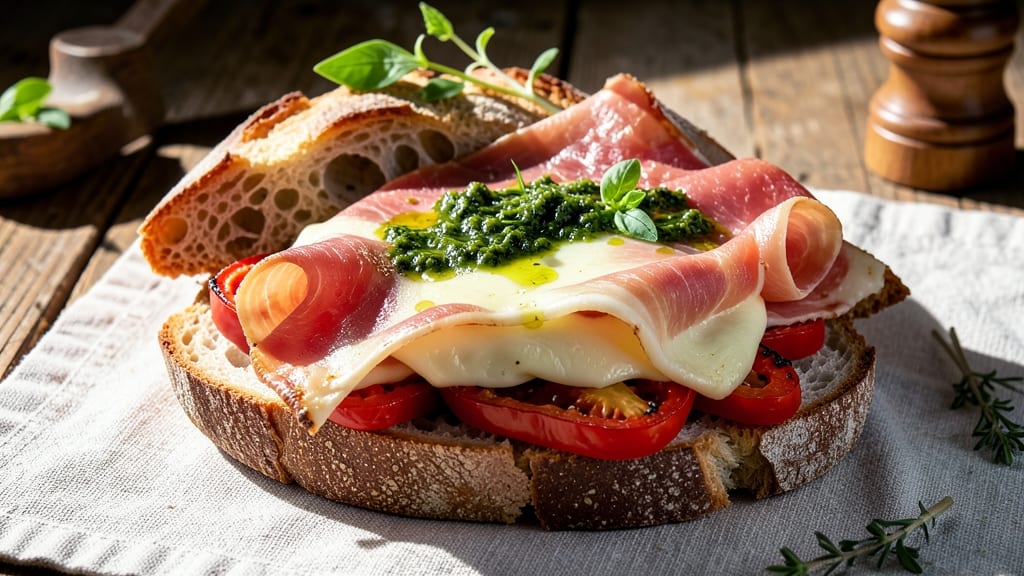
This authentic Italian panini bread recipe delivers the crispy, golden layers and provolone magic you crave from Rome’s best trattorias. 🌟 The secret lies in using a rustic ciabatta loaf—its airy crumb and sturdy crust are perfect for holding fillings while achieving that signature press-to-perfection texture.
Unlike shortcut versions, this method focuses on traditional Italian ingredients and techniques, ensuring every bite tastes like it came straight from a Roman street market.
The key to authentic Italian panini starts with the bread—lightly toasted to crisp up without burning—and a filling combination that balances textures and flavors. Think prosciutto di Parma for salty richness, melted provolone for creamy depth, and roasted red peppers for a touch of sweetness.
The fillings are layered strategically, with a smear of pesto or balsamic glaze to bind everything together before pressing. This isn’t just a sandwich; it’s a culinary experience that transforms simple ingredients into something extraordinary.
What sets this recipe apart is the technique: pressing the panini at high heat for just the right amount of time creates that coveted crispy exterior while keeping the interior tender and gooey. The result?
A sandwich that’s impossible to resist—golden, aromatic, and packed with layers of flavor that make it worth every minute of preparation. Serve it with a side of arugula salad and a drizzle of balsamic reduction for the full Italian trattoria experience.
Whether you’re hosting a dinner party or craving a quick lunch, this authentic Italian panini bread recipe is designed to impress. The instructions are straightforward, but the results are anything but ordinary—crispy, flavorful, and undeniably Italian. Let’s get started on creating your own masterpiece.
Ingredients for authentic italian panini bread
Authentic Italian ingredients transform simple bread and cheese into a crispy, golden masterpiece.
| Ingredient | Amount | Notes |
|---|---|---|
| Rustic Ciabatta Loaf 🍞 | 1 whole | Day-old preferred for texture |
| Provolone Cheese 🧀 | 8 oz | Semi-soft provolone, sliced thin |
| Prosciutto di Parma 🥓 | 6 slices | Thinly sliced, high-quality |
| Roasted Red Peppers 🍅 | ½ cup | Jarred, drained and chopped |
| Fresh Basil Pesto 🌿 | 2 tbsp | Homemade or high-quality store-bought |
| Extra-Virgin Olive Oil 🫒 | 1 tbsp | For brushing bread |
| Balsamic Glaze 🍷 | 1 tbsp | Reduced for intensity |
| Garlic Cloves 🧄 | 2 cloves | Minced for pesto or bread topping |
| Dried Oregano 🍃 | ½ tsp | Italian variety preferred |
| Diamond Crystal Kosher Salt 🧂 | ½ tsp | For seasoning |
| Fresh Arugula 🌱 | 2 cups | For serving, loosely packed |
| Balsamic Reduction 🍷 | 2 tbsp | For drizzling, optional |
| Unsalted Butter 🧈 | 2 tbsp | Softened for brushing |
The ciabatta loaf is non-negotiable—look for a rustic, artisanal loaf with a thick crust and airy interior. Eataly or local Italian bakeries carry the best options, but Whole Foods or Trader Joe's often stock quality brands like Schär or Bimby. If using day-old bread, toast lightly before assembling to crisp the exterior without burning. The provolone should be semi-soft, not too hard—BelGioioso or Di Bruno brands deliver consistent quality. For prosciutto, Parma Ham is ideal, but high-quality Italian deli counters at Costco or Gourmet Gift Baskets offer excellent alternatives. Roasted red peppers lose moisture quickly, so drain them well and pat dry before chopping.
No prosciutto di Parma? High-quality Italian salami or even good-quality ham works in a pinch, but the flavor profile shifts slightly. Fresh pesto unavailable? Homemade with basil, garlic, pine nuts, and Parmesan elevates the dish, but a quality store-bought version (like Colavita) suffices. The balsamic glaze should be reduced to a syrupy consistency—simmer store-bought balsamic vinegar until thickened. For extra authenticity, toast the dried oregano in a dry pan for 30 seconds to deepen its flavor. The arugula should be fresh and slightly bitter; avoid pre-washed bags that wilt quickly. If you're short on time, baby spinach works as a substitute, though it's milder.
Assembled panini keep for 2-3 hours at room temperature, but pressing them fresh yields the best results. Store any leftovers in an airtight container in the fridge for up to 3 days, though they lose some crispiness. For reheating, press again in a panini maker or skillet for 2-3 minutes. The pesto and balsamic glaze can be made ahead and stored in airtight containers in the fridge for 1 week. If prepping for a crowd, assemble the panini on parchment paper before pressing to avoid sticking. Serve immediately for that trattoria-worthy crunch and melt.
Why You'll Love This Recipe
- Five-Minute Assembly: I swear, this comes together faster than ordering takeout. Slice the ciabatta, layer the pesto and provolone, add the prosciutto—boom—just press and toast. No fancy techniques, just good ingredients doing their thing.
- Crispy-Creamy Magic: That first bite? Crispy ciabatta crust gives way to gooey provolone and salty prosciutto, all kissed by the sweet roasted peppers. The basil pesto ties it all together like a perfect Italian hug.
- Lunchbox Superstar: Between us, this is my go-to for packed lunches—no soggy bread here. The ciabatta stays sturdy for hours, and the prosciutto-provolone combo keeps it exciting. Even my picky teenager asks for it.
- Budget-Friendly Luxury: Prosciutto and ciabatta might sound fancy, but they stretch so far. One loaf feeds four for lunch, and leftover slices reheat beautifully. It’s the kind of meal that feels special without breaking the bank.
Step-by-step instructions for authentic Italian panini bread
Here's how to craft crispy, golden layers with perfect provolone melt and prosciutto harmony.
👨🍳 Step 1: Prepare the Ciabatta for Pressing
Slice the 1 whole rustic ciabatta loaf horizontally into 4 equal pieces (about 1-inch thick). I use a long serrated knife for clean cuts that won't crush the bread. Place the slices on a wire rack and toast them lightly in a 350°F oven for 5 minutes—this removes excess moisture and creates the perfect foundation for crispy pressing.
While toasting, brush each slice generously with 2 tablespoons softened unsalted butter. I like to use a pastry brush for even coverage. This butter layer will become golden and crispy during pressing, adding rich flavor and texture. Let the buttered slices cool slightly before assembling.
🥘 Step 2: Build the Provolone-Prosciutto Layers
Lay out 4 slices of the toasted ciabatta on a clean work surface. Spread 1 tablespoon fresh basil pesto evenly over each slice—this creates a flavor bridge between the bread and cheese. Top each with 2 thin slices provolone cheese (about 2 ounces total per sandwich) and 1 slice prosciutto di parma. The provolone should be arranged to cover the entire surface while the prosciutto adds salty, savory depth.
Here's the thing—don't overcrowd the layers. The provolone needs room to melt and crisp properly during pressing. I press gently with my fingers to ensure even distribution, but avoid compacting the bread which would prevent proper browning.
🔥 Step 3: Assemble and Press to Perfection
Top each provolone-prosciutto layer with another slice of toasted ciabatta. This creates your complete sandwich. Heat a non-stick skillet over medium-high heat (no oil needed—the butter provides enough fat). Place one sandwich in the pan and press down gently with a small cast-iron pan or heavy skillet lid for 2-3 minutes until the bottom develops golden brown spots.
Flip carefully using a thin spatula and press again for 2-3 minutes on the second side. You're aiming for deep golden brown with crispy edges—this indicates perfect browning without burning. The provolone should be fully melted but not runny. If it's not browning evenly, increase the heat slightly (but watch closely to avoid burning).
🍽️ Step 4: Finish with Roasted Peppers and Balsamic
Remove the pressed panini from the pan and transfer to a cutting board. Immediately drizzle 1 tablespoon balsamic glaze over each sandwich—this adds sweet-tart contrast to the salty prosciutto. Spread ¼ cup roasted red peppers (about 2 tablespoons per sandwich) over the top, then sprinkle with ¼ teaspoon dried oregano and ¼ teaspoon kosher salt for seasoning.
For serving, arrange ½ cup fresh arugula on each plate alongside the panini. Drizzle with ½ tablespoon balsamic reduction and a final touch of extra-virgin olive oil. The arugula adds freshness that cuts through the richness of the pressed sandwiches. Serve immediately while the bread is still crispy and the cheese is gooey.
⏰ Step 5: Master the Timing for Crispy Perfection
Here's where it gets critical: the pressing must happen in quick succession—no more than 1 minute between sandwiches. I press one, then immediately start the next while the first one rests. This ensures all panini maintain their crispy texture. If you notice the bread softening too quickly, press for slightly less time next time.
Real talk: your pan will get crowded. Work efficiently but don't rush the pressing—even pressure is key. The ideal panini should have crispy bread exterior, melted but not runny cheese, and warm prosciutto that's still slightly firm. Each bite should deliver that perfect balance of textures and flavors we associate with authentic Italian street panini.
Pro Tips For Making Authentic Italian Panini Bread
- TOAST THE CIABATTA FIRST: Start with a dry pan over medium-high heat—just 30 seconds per side until golden and crisp. That crisp base is what holds the sandwich together when you press it later, and it keeps the inside from turning soggy from the pesto and roasted peppers.
- SALT THE PROVOLONE LIKE IT’S 1985: Skip the pre-sliced stuff—buy a whole wheel of mild provolone, slice it yourself, and sprinkle each slice with a pinch of flaky salt before assembling. The salt melts into the cheese during pressing, giving it that salty depth that store-bought slices never match.
- PRESS HARDER THAN YOU THINK: Use a panini press (or a heavy skillet with a weight) at 375°F for 4-5 minutes—no peeking. The goal isn’t just to melt the cheese; it’s to compress the ciabatta so tight it almost loses its air pockets. If you rush it, the prosciutto will stick to the bread like glue.
- LAYER PEPPERS LAST, PESTO FIRST: Spread the fresh basil pesto on the bread first—it’s the glue that keeps everything from sliding apart. Then add the prosciutto, provolone, and roasted peppers after the press starts heating. Cold peppers on hot bread = soggy disaster; warm peppers = perfect char.
Flavor customization for this recipe
Classic Roman Style
For the most traditional approach, stick with the original Roman panini formula: ciabatta, provolone, prosciutto di Parma, and roasted red peppers. The key is using aged provolone (like BelGioioso) that melts beautifully without becoming greasy.
I like to add a thin layer of burrata on the inside for extra creaminess—just place it between the cheese and prosciutto so it melts slightly during pressing. For authenticity, finish with a sprinkle of freshly cracked black pepper and a drizzle of extra-virgin olive oil from Tuscany. 🌟
Florentine Twist
Florentine panini swap out the prosciutto for fiorentina salami and add thinly sliced fontina cheese alongside the provolone. The salami's spicy, peppery notes contrast beautifully with the creamy fontina. I like to include thinly sliced fennel (about ¼ cup per sandwich) for a subtle anise flavor that pairs perfectly.
For a finishing touch, add a few fresh basil leaves and a drizzle of aged balsamic vinegar reduction. This version feels more rustic and hearty.
Vegetarian Delight
Skip the meat entirely and focus on marinated artichokes (about ½ cup per sandwich) and sun-dried tomatoes (about 4 slices per sandwich) for a vegetarian version that still packs flavor. Use mozzarella di bufala instead of provolone for a milder, creamier melt.
Add sautéed mushrooms (about ¼ cup per sandwich) and a smear of ricotta cheese for extra richness. Finish with fresh mozzarella pearls on top before pressing to create a bubbly, golden crust. This version is perfect for plant-based diets but still feels indulgent. 🌱
Spicy Calabrian Heat
For those who love heat, add spicy Calabrian chili paste (about ½ teaspoon per sandwich) mixed into the pesto layer. The paste's smoky, fiery kick pairs perfectly with spicy soppressata (a Calabrian cured meat) and hot honey drizzled on top after pressing.
Use pecorino cheese instead of provolone for a sharper, saltier bite. This version is inspired by Southern Italian street food and delivers serious heat without overpowering the other flavors. 🌶️
Breakfast Panini
Transform your panini into a breakfast masterpiece by adding crispy pancetta (about 2 slices per sandwich) and sautéed spinach (about ¼ cup per sandwich). Swap the provolone for Gruyère cheese for a nuttier flavor, and include a fried egg placed on top of the cheese before pressing.
The egg adds a creamy yolk center that contrasts with the crispy bread. Finish with fresh thyme leaves and a drizzle of honey for a sweet-savory balance. This version is perfect for brunch or a hearty lunch. 🍳
Sweet & Savory Fusion
For a unique twist, add thinly sliced figs (about 4 slices per sandwich) and Gorgonzola cheese for a sweet and tangy combination. The figs caramelize slightly during pressing, adding natural sweetness that contrasts with the sharp Gorgonzola.
Include thinly sliced prosciutto for saltiness and finish with a drizzle of honey balsamic glaze. This fusion is inspired by Northern Italian flavors and feels luxurious yet approachable. 🍇
Nutrition facts
Frequently asked questions
What type of bread works best for authentic Italian panini?
For true authenticity, use a rustic ciabatta loaf with a thick crust and airy interior—it's the gold standard in Italian trattorias. The day-old bread works best as it's sturdier for pressing. If ciabatta isn't available, a fresh baguette or focaccia will work in a pinch, though the texture will differ slightly.
Can I make these panini without a panini press?
You can achieve the same results with a non-stick skillet and a heavy cast-iron pan or lid for pressing. Heat the skillet over medium-high heat and press down gently for 2-3 minutes per side until golden brown. The key is maintaining even pressure—this mimics the effect of a dedicated press perfectly.
Why is my cheese getting too runny instead of melting properly?
Overheating or pressing too long causes cheese to become greasy. Keep your pan at medium-high heat and press for only 2-3 minutes per side. Use semi-soft provolone (not too hard) and avoid overloading the layers—this gives the cheese room to melt evenly without pooling.
How do I store leftovers to keep them crispy?
Store pressed panini in an airtight container at room temperature for 2-3 hours max. For longer storage, wrap them in parchment paper and refrigerate for up to 3 days. To revive, press again in a skillet for 1-2 minutes per side over medium heat—this restores crispiness without drying them out.
What's the best way to make this vegetarian?
Swap the prosciutto for marinated artichokes and sun-dried tomatoes, and use mozzarella di bufala instead of provolone. Add sautéed mushrooms and a smear of ricotta for creaminess. Finish with fresh mozzarella pearls on top before pressing—they'll create a bubbly, golden crust while keeping it vegetarian-friendly.