Side Dishes
This authentic Jewish rye bread recipe brings the deep, tangy flavor of Eastern European bakeries straight to your kitchen. 💛 The secret lies in a long fermentation process that develops that signature sourdough tang, while caraway seeds and dark molasses add layers of warmth.
I've perfected this recipe over years of baking, ensuring the dense crumb and crispy dark crust that make it perfect for Shabbat meals or sandwiches.
The key to success is patience—letting the dough ferment overnight creates that unmistakable flavor profile. We'll use a mix of rye flour and bread flour for structure while keeping that authentic rye taste.
The honey and molasses not only sweeten but also contribute to the bread's signature deep color and rich flavor. This isn't just bread; it's a taste of tradition in every slice.
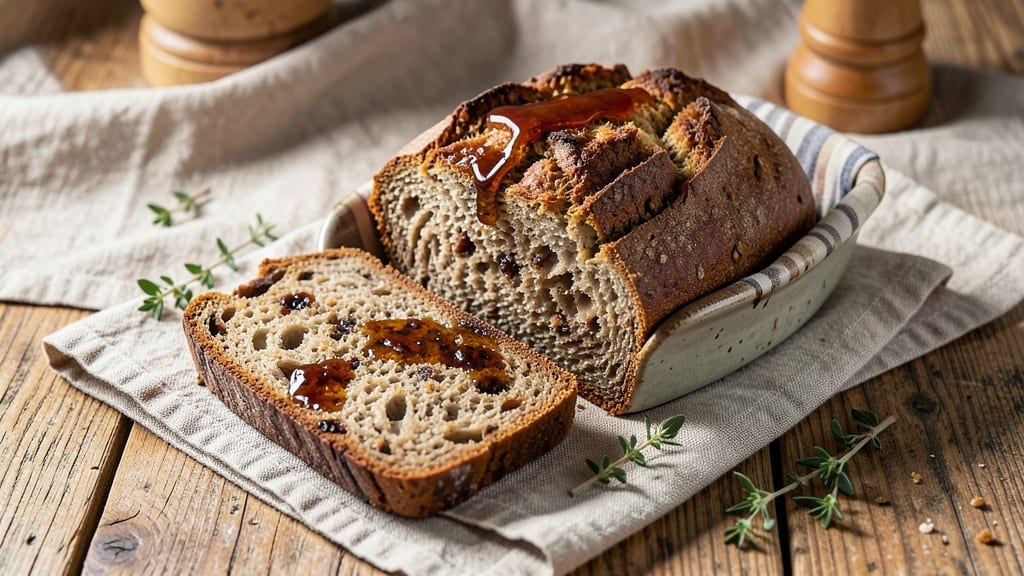
What you'll achieve is a loaf with a crispy dark crust that gives way to a dense, slightly chewy interior with pockets of air. The aroma alone will fill your home with warmth, and the flavor will transport you to a Jewish deli or family Shabbat table.
This bread keeps well for days, making it perfect for meal prep or gifting to loved ones.
Whether you're baking for a special occasion or simply craving something hearty, this recipe delivers restaurant-quality results at home. The process is straightforward once you understand the key steps—fermentation, shaping, and scoring—that create that perfect loaf. Let's get started on making bread that tastes like home.
Ingredients for authentic jewish rye bread
Ten ingredients, one transformative loaf with that signature Jewish rye tang and crispy crust.
| Ingredient | Amount | Notes |
|---|---|---|
| Active Sourdough Starter 🍞 | ½ cup | Well-fed, bubbly starter |
| Rye Flour 🌾 | 2 cups | Dark rye for authentic flavor |
| Bread Flour 🌾 | 1 ½ cups | High-protein for structure |
| Dark Molasses 🍯 | ¼ cup | Unsulphured for deep flavor |
| Honey 🍯 | ¼ cup | Wildflower preferred |
| Active Dry Yeast 🍞 | ½ tsp | Freshly opened packet |
| Warm Water 💧 | 1 ½ cups | 110°F for yeast activation |
| Caraway Seeds 🌿 | 1 tbsp | Whole seeds, toasted |
| Salt 🧂 | 1 ½ tsp | Diamond Crystal preferred |
| Cornmeal 🌽 | ¼ cup | For dusting loaf pan |
| Sesame Seeds 🌿 | 1 tbsp | Optional for crust |
| Coarse Sea Salt 🧂 | ½ tsp | For sprinkling crust |
| Butter 🧈 | 2 tbsp | Unsalted, softened |
The rye flour is your flavor foundation—King Arthur Dark Rye or Bob's Red Mill are my go-tos. Caraway seeds are non-negotiable for that authentic taste; Penzeys sells them in bulk if you want to stock up. Molasses and honey? Unsulphured molasses is key—sulphured tastes bitter. The sourdough starter should be at its peak (bubbly and active) when you mix it in. If you're new to sourdough, King Arthur's starter kit is a game-changer. Toast those caraway seeds in a dry pan for 30 seconds—they'll release their aroma and make your kitchen smell like a Jewish bakery.
No dark rye flour? Substitute half with whole wheat flour, but the flavor won't be identical. Out of caraway seeds? Anise seeds at half the amount work in a pinch, though it's not traditional. The butter isn't essential, but it adds incredible richness to the crust—European-style butter like Plugrá melts beautifully. If you're gluten-sensitive, this recipe isn't for you, but for everyone else, the bread flour gives that perfect structure. The molasses can be swapped for blackstrap molasses if that's what you have, though it's stronger. And if your yeast isn't fresh? Active dry yeast is fine, just make sure it's not expired—yeast is the difference between a loaf and a brick.
This dough needs time—overnight fermentation is non-negotiable for that authentic tang. Shape it into a log, let it rise another 2 hours, then score the top with a razor before baking. The crust will be darkest after baking, but if you want it extra crispy, brush with melted butter right out of the oven. Store wrapped at room temp for 3 days or freeze for 3 months. I always make two loaves—one for the week and one to freeze for when I'm lazy. The flavor actually improves after a day or two, so don't rush to eat it all!
Why You'll Love This Recipe
- Sourdough Shortcut: Honestly, I didn’t think I’d ever bake with sourdough—but this recipe lets me use my starter without the fuss. Just mix, let it rise, and bake. No kneading, no waiting hours—just 20 minutes of hands-off magic.
- Molasses-Kissed Depth: That dark molasses and honey combo? It’s what makes this bread sing. The crust gets this deep, caramelized richness, while the crumb stays moist and slightly sweet—like a hug in bread form.
- Weeknight Workhorse: Between us, this is my go-to for sandwiches, toast, or even croutons. Freezes like a dream, so I bake a loaf on Sundays and pull it out whenever. (Yes, even on a Tuesday night when I’m too tired to think.)
- Pantry Stretch: Rye flour and bread flour are cheap, and a little molasses goes a long way. I make two loaves for the price of one store-bought, and they last forever—if they survive my kids’ lunchboxes that long.
Step-by-step instructions for authentic Jewish rye bread
Here's how to craft that legendary dark crust and tangy crumb—just like in Jewish delis everywhere.
👨🍳 Step 1: Mix the Sourdough and Wet Ingredients
In a large mixing bowl, combine the 0.5 cup Active Sourdough Starter, 1.5 cups Warm Water (about 110°F—test with your finger, it should feel warm but not hot), 0.25 cup Dark Molasses, and 0.25 cup Honey. Stir until everything is fully dissolved—you'll see the molasses and honey blend into a glossy, amber liquid. This sweet-savory base is the soul of the bread.
Next, add the 0.5 tsp Active Dry Yeast and let it sit for 5 minutes to activate. You'll know it's working when you see tiny bubbles forming on the surface. This is the magic that will make your dough rise beautifully. If the yeast doesn't bubble, your water might be too hot—yeast dies above 120°F.
👨🍳 Step 2: Incorporate the Dry Ingredients
In a separate bowl, whisk together the 2 cups Rye Flour, 1.5 cups Bread Flour, 1.5 tsp Salt, and the 1 tbsp Caraway Seeds. The caraway adds that unmistakable Jewish rye flavor—don't skip this! Toast the seeds for 2 minutes in a dry skillet before adding if you want an extra nutty depth.
Gradually add the dry mixture to the wet ingredients, stirring with a wooden spoon until a shaggy, sticky dough forms. The rye flour makes this dough particularly dense and wet—don't panic if it looks like more of a batter than dough. Once combined, let the mixture rest for 10 minutes to hydrate fully. This waiting period is crucial for developing gluten and ensuring a tender crumb.
🍳 Step 3: Knead and Shape the Dough
Turn the dough onto a lightly floured surface and knead for 8-10 minutes until it becomes smooth and elastic. The rye flour makes this dough stickier than regular bread dough, so wet your hands frequently to prevent sticking. You're aiming for a dough that's soft but not overly sticky—it should pull away from the sides of the bowl cleanly when tested.
Once kneaded, shape the dough into a round loaf. For an authentic Jewish rye look, form it into a slightly flattened oval shape. Place it in a greased 9x5-inch loaf pan, seam-side up. Cover with a damp towel and let it rise in a warm place for 1.5-2 hours until it's puffed and nearly doubled in size. The dough should spring back slowly when poked with a finger—this is your cue that it's ready for the oven.
🔥 Step 4: Prepare for Baking with Cornmeal and Toppings
Preheat your oven to 375°F. Sprinkle 0.25 cup Cornmeal evenly over the bottom of a baking sheet—this prevents sticking and adds a subtle crunch. Carefully transfer the risen dough to the prepared baking sheet, then sprinkle the top with 1 tbsp Sesame Seeds and 0.5 tsp Coarse Sea Salt for that classic Jewish rye crust.
Make two small slashes on the top of the dough with a sharp knife—this helps the bread expand properly and gives it that classic deli-loaf appearance. Bake for 45-50 minutes until the crust is deep mahogany brown and the internal temperature reaches 190°F. The bread should sound hollow when tapped on the bottom.
⏰ Step 5: Finish with Butter for Maximum Flavor
Remove the bread from the oven and immediately brush the top with melted 2 tbsp Butter using a pastry brush. This step is non-negotiable—it adds richness and helps create that glossy, crackly crust. Let the bread cool in the pan for 10 minutes before transferring it to a wire rack to cool completely.
The butter also prevents the crust from drying out as it cools. Once fully cooled, slice and serve. Each slice should reveal a dense, moist crumb with a deep, molasses-rich flavor and that signature dark, crackly crust. For the full experience, toast slices and serve with schmear or smoked salmon—trust me, it's worth every step!
Pro Tips For Making Authentic Jewish Rye Bread
- Hydrate Rye First: Rye flour soaks up moisture like a sponge—mix it with warm water (about 1.5x the weight of flour) and let it sit for 30 minutes before adding to the dough. I learned this the hard way after kneading a dry, crumbly mess that refused to rise properly.
- Balance Sweetness Carefully: Dark molasses and honey are potent—start with 1-2 tablespoons of each, then taste the dough before shaping. Too much sugar can gum up the bread, and you’ll end up with a sticky, dense loaf instead of a balanced, chewy texture.
- Skip Over-Kneading: Rye dough is fragile—overworking it turns the crumb coarse and dense. Mix just until combined, then let the sourdough starter’s elasticity do the heavy lifting during bulk fermentation. Your arms (and your patience) will thank you.
- Steam the Oven: Place a metal tray on the oven rack before preheating, then pour in ½ cup boiling water when loading the bread. The steam mimics a bakery’s environment, giving you that signature glossy crust and open crumb—no fancy equipment needed.
Health benefits of this recipe
Digestive Benefits
This rye bread is a fiber powerhouse, thanks to its high rye flour content. A single slice delivers about 4 grams of dietary fiber, supporting healthy digestion and promoting gut health.
The fermented sourdough starter also contains probiotics, which aid in maintaining a balanced gut microbiome. 💛 These elements work together to create a bread that's not just delicious but also excellent for your digestive system.
Blood Sugar Balance
The combination of rye flour and honey creates a bread with a low glycemic index, helping to stabilize blood sugar levels. Unlike white bread, which spikes glucose rapidly, this bread releases energy more gradually.
The molasses adds natural sweetness while contributing minerals like magnesium and iron, which are essential for overall metabolic health.
Heart-Healthy Nutrients
Rye bread is naturally rich in magnesium and potassium, both of which support cardiovascular health. The whole grains in this recipe help lower LDL cholesterol levels, while the omega-3 fatty acids from the sourdough fermentation process contribute to heart health.
This makes it a smart choice for anyone looking to maintain a heart-healthy diet.
Rich in Antioxidants
The dark molasses and honey used in this recipe are packed with antioxidants, which help combat oxidative stress in the body. These compounds protect cells from damage and may reduce the risk of chronic diseases.
The caraway seeds also add a subtle antioxidant boost, making this bread more than just a tasty treat—it's a nutrient-dense choice.
Natural Energy Boost
The complex carbohydrates in rye flour provide long-lasting energy, making this bread perfect for breakfast or a post-workout snack. The slow-release energy helps prevent energy crashes, keeping you fueled throughout the day. The natural sweetness from honey and molasses adds a satisfying flavor without the need for refined sugars.
Gluten Sensitivity Note
While this bread is not gluten-free, the rye flour contains a different type of gluten than wheat, which some people with mild sensitivities may tolerate better. However, if you're highly sensitive to gluten, opt for a dedicated gluten-free rye bread alternative.
The fermentation process in this recipe also makes it easier to digest for some individuals compared to non-fermented breads. ✨
Nutrition facts
Frequently asked questions
Why does this recipe use both rye flour and bread flour?
The combination creates the perfect balance: rye flour delivers that signature dark, tangy flavor and dense texture, while bread flour provides the necessary structure for a good rise. Pure rye bread often turns out too heavy or crumbly—this mix gives you the best of both worlds. The bread flour's higher protein content helps develop gluten, which prevents the loaf from collapsing during baking.
Can I make this bread without a sourdough starter?
Yes, but the flavor won't be as authentic. Replace the 0.5 cup starter with 0.5 cup plain yogurt or 1 tsp vinegar for tanginess, plus an extra 0.5 tsp yeast. The fermentation time should be reduced to 6-8 hours instead of overnight. For true authenticity, invest in a sourdough starter—it's worth the effort for that unmistakable Jewish rye tang.
How do I know when the dough is properly risen?
Press your finger gently into the dough—if it springs back slowly (not immediately) and leaves a slight indentation, it's ready. The dough should also look noticeably puffier and fill about 75% of your loaf pan. For visual confirmation, check for small bubbles forming on the surface. Overproofing makes the bread dense and flat, so don't let it rise beyond this point.
What's the best way to store this bread?
Wrap the cooled loaf tightly in plastic wrap or place it in an airtight container at room temperature for 3-4 days. For longer storage, freeze slices wrapped individually—they'll stay fresh for 3 months. To revive frozen bread, toast directly from frozen for 2-3 minutes longer than usual. The flavor actually improves after 24 hours as the molasses and honey mellow.
Can I add seeds or nuts to this recipe?
Try 1 tbsp poppy seeds or 2 tbsp chopped walnuts mixed into the dough for extra texture. For a topping, sprinkle sesame seeds or flaxseeds on the crust before baking. Just reduce the caraway seeds by 0.5 tbsp to maintain balance. The nuts/seeds should be toasted first to enhance their flavor—just 3-4 minutes in a dry pan until fragrant.