
Side Dishes
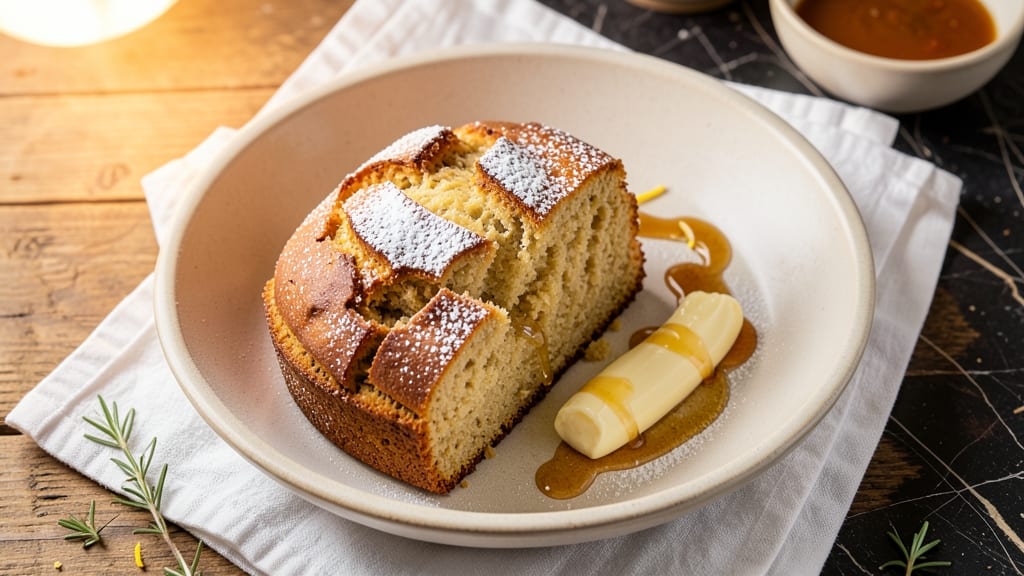
Avanti's Sweet Bread recipe transforms simple ingredients into a golden, honey-butter swirl masterpiece that steals every table. The secret lies in a perfectly balanced dough—soft yet sturdy—with layers of sweetness that unfold with each bite.
I developed this version after years of baking, refining the technique to ensure a crispy crown and tender crumb every time.
This recipe delivers restaurant-quality results with just a few key steps: proper kneading for structure, precise proofing for rise, and a honey-butter swirl that adds irresistible sweetness.
The dough comes together in under 20 minutes, but the magic happens during the 30-minute bake when the crust turns golden and the honey caramelizes into a glossy finish. No special equipment is needed—just patience and attention to detail.
What you'll end up with is a loaf that's crispy on the outside, soft and fluffy inside, and infused with warm honey and rich butter flavors. The swirls of sweetness cut through the tender crumb, creating a texture that's both satisfying and elegant.
This bread is perfect for breakfast toast, sandwiches, or simply enjoyed on its own with a pat of butter.
The beauty of this recipe is its versatility—make it for a special occasion or a weeknight treat. Once you master the technique, you'll have a go-to bread recipe that impresses every time. Here's how to create your own Avanti-inspired masterpiece.
Ingredients for avanti's sweet bread
Restaurant-quality bread begins with these precise ingredients—each playing a critical role in the honey-butter swirl masterpiece.
| Ingredient | Amount | Notes |
|---|---|---|
| All-Purpose Flour 🌾 | 4 cups | Spooned and leveled, not packed |
| Granulated Sugar 🍚 | ½ cup | White or light brown preferred |
| Instant Yeast 🍞 | 2 ¼ tsp | Ensure expiration date is recent |
| Salt 🧂 | 1 tsp | Diamond Crystal preferred |
| Unsalted Butter 🧈 | ¾ cup | Cold, cubed for easier mixing |
| Warm Water 💧 | 1 ¼ cups | 110°F (43°C) ideal temperature |
| Honey 🍯 | ½ cup | Wildflower preferred for complexity |
| Large Eggs 🥚 | 1 whole | Room temperature for even mixing |
| Milk 🥛 | ¼ cup | Whole milk for optimal tenderness |
| Vanilla Extract 🌿 | 1 tsp | Pure vanilla preferred |
| Coarse Sugar 🍚 | ¼ cup | For topping before baking |
The flour forms the bread's backbone, so King Arthur or Gold Medal brands yield the best results for their high gluten content. Honey should be liquid at room temperature—warm it gently if needed. For butter, Plugrá or Land O'Lakes unsalted provide optimal richness. Yeast is non-negotiable: Saf-Instant or Red Star ensure reliable rise. If your kitchen lacks a thermometer, test water temperature by touching it—it should feel warm but not hot. The milk adds tenderness, so whole milk from the dairy case (not powdered) creates the perfect crumb structure. For vanilla, McCormick Pure Vanilla extract delivers consistent flavor without artificial aftertaste.
No honey? Light corn syrup or maple syrup works in a pinch, though the flavor profile shifts slightly. Substituting milk? Evaporated milk or buttermilk both work, but adjust to 0.25 cup total liquid. For a gluten-free adaptation, King Arthur Gluten-Free Measure for Measure Flour replaces all-purpose flour, though texture will differ. The coarse sugar topping can be swapped for turbinado sugar for deeper caramelization. If your butter is too soft, chill it 15 minutes before mixing. For extra richness, add 1 tbsp sour cream to the dough—it enhances moisture without altering texture.
Store the baked loaf in a paper bag at room temperature for up to 3 days to maintain crispness. For longer storage, freeze the entire loaf wrapped in foil for up to 3 months. To reheat, wrap in foil and warm in a 350°F (175°C) oven for 5-7 minutes. The honey-butter swirls remain vibrant when stored properly, though the butter may solidify slightly upon reheating. For serving, slice with a serrated bread knife to preserve the crust's integrity. This bread freezes beautifully before baking too—proof the dough, then freeze for up to 1 month before baking as directed.
Why You'll Love This Recipe
- No-Knead Magic: I swear by this—just mix the flour, sugar, and yeast, then let the dough rise while I sip coffee. The butter gets worked right in, so no fussing with cold pieces or overworking the dough.
- Sweet Butter Bliss: That melted butter folded into the dough? It’s what turns this into something special. The sugar caramelizes just enough to give it a subtle, warm sweetness without being cloying—like a hug in bread form.
- Weeknight or Holiday: Between us, this is my go-to for breakfast toast and Sunday brunch. The same dough works for cinnamon rolls or a simple loaf, and it freezes beautifully—so I bake a batch and stash it for lazy mornings.
- Pantry Staple Power: Honestly, you’re probably missing these ingredients already. Flour, sugar, yeast, butter? Basic stuff that costs next to nothing, yet somehow makes something that feels like a treat every time. Minimal waste, maximum reward.
Step-by-step instructions for Avanti's sweet bread
Master the art of creating rich honey-butter swirls and a perfectly crispy crown with this professional technique.
Prepare the Honey-Butter Swirl Filling
In a medium mixing bowl, combine the 0.75 cup unsalted butter and 0.5 cup honey over a double boiler or in a heatproof bowl set over simmering water. Warm gently until the butter melts completely, stirring occasionally. Remove from heat and let cool to room temperature—this prevents the yeast from deactivating when mixed later.
While the mixture cools, whisk together 0.5 cup granulated sugar, 1 tsp vanilla extract, and 0.25 cup milk in a separate small bowl. Once the butter-honey mixture reaches 70°F (test with your finger—should feel warm but not hot), pour in the sugar-milk mixture and stir until fully combined. This creates a smooth, spreadable filling that will create those signature swirls. Cover and refrigerate until ready to use.
Mix the Dough for Optimal Texture
In the bowl of a stand mixer fitted with the dough hook attachment, combine 4 cups all-purpose flour, 2.25 tsp instant yeast, and 1 tsp salt. Mix on low speed for 30 seconds to aerate the flour and distribute the yeast evenly. This initial mixing creates surface area for the yeast to activate properly.
Add 1.25 cups warm water (tested at 110°F) and 1 whole large egg to the bowl. Mix on low speed for 2 minutes until the dough begins to come together, then increase to medium speed for another 4 minutes until the dough pulls away from the sides of the bowl and forms a smooth, elastic ball. The dough should be slightly tacky but not sticky—if it sticks to your fingers, add 1 tablespoon flour at a time until it reaches the perfect consistency.
Knead and Rest for Maximum Rise
Transfer the dough to a lightly floured surface and knead gently for 2-3 minutes until smooth. This final kneading step ensures even gluten development, which gives the bread its structure. Shape the dough into a round loaf and place it in a lightly greased bowl, seam-side up.
Cover the bowl with a damp kitchen towel and let the dough rise in a warm place for 1-1.5 hours, or until it has doubled in size. You'll know it's ready when you gently press a finger into the dough and it springs back slowly. This proofing step is critical—it develops flavor and creates that light, airy texture we want in the final bread.
Shape and Create the Signature Swirls
Punch down the risen dough to release air, then divide it into two equal pieces. Roll each piece into a 12-inch rectangle about ½-inch thick on a lightly floured surface. Spread half of the honey-butter mixture evenly over one rectangle, leaving a ½-inch border around the edges. Fold the dough over the filling to create a log shape, then seal the edges by pinching them together.
Repeat with the remaining dough and filling. Place both logs seam-side down on a parchment-lined baking sheet and cover loosely with a damp towel. Let them rise for 30-45 minutes until they've puffed slightly. Preheat your oven to 375°F during this final rise—you want everything ready to go when the dough is proofed.
Bake to Golden Perfection
Once the oven reaches 375°F, brush the tops of the loaves generously with melted butter (use any remaining from your filling) and sprinkle evenly with 0.25 cup coarse sugar. This creates that signature caramelized crust we're after. Bake for 25-30 minutes until the bread is deep golden brown and sounds hollow when tapped on the bottom.
For the crown effect, transfer the loaves to a wire rack and immediately brush the tops with additional melted butter while still warm. Let cool for 10 minutes before slicing—this resting period allows the internal structure to set, preventing a gummy crumb. The finished bread should have a crispy, caramelized exterior with a tender, slightly sweet interior, and those beautiful swirls of honey-butter filling visible throughout.
Pro Tips For Making Avanti'S Sweet Bread
- Weigh Your Butter: I learned this the hard way—packing butter by volume leads to a denser, heavier dough that won’t rise as well. Use a kitchen scale for the butter (and sugar, if you’re precise) to guarantee the right ratio of fat to flour.
- Skip the Overmixing: This dough is delicate. Once you’ve combined the wet ingredients, mix just until the flour is incorporated—about 30 seconds past that point, and you’ll develop the gluten too much, making the bread tough instead of tender. Stop when it looks shaggy, not smooth.
- Let the Dough Rise Twice: The first rise is obvious, but the second—after shaping—is where many people cut corners. Give it at least 1 hour in a warm spot (like a turned-off oven with a bowl of hot water inside) so the bread develops proper structure and flavor. Rushing this step makes for a flat, gummy result.
- Use Room-Temp Butter: Cold butter creates pockets in the dough that can tear during shaping, while butter straight from the fridge won’t emulsify properly. Let it sit out for 30–45 minutes until it’s soft but not melted—just pliable enough to cut easily with a knife. (Yes, even if you’re impatient like me.)
Essential equipment for avanti's sweet bread
Stand Mixer Essentials
Your stand mixer is the workhorse of this recipe—I swear by my KitchenAid Artisan Series with the dough hook attachment. This tool ensures even gluten development and saves your arms from the effort of hand-kneading.
For the honey-butter swirl filling, use the flat beater attachment to blend the warm butter and honey smoothly. If you don’t own a mixer, a sturdy wooden spoon works, but you’ll need to mix vigorously for 8-10 minutes to achieve the same elasticity. 💪
Baking Tools
A 9x5-inch loaf pan is ideal for shaping the swirled bread, but you can also use a parchment-lined baking sheet for a free-form loaf with rustic edges.
For the signature caramelized crust, I recommend a wire cooling rack to elevate the bread after baking—this prevents sogginess and keeps the bottom crisp. A sharp serrated knife (like the Mercer Culinary Genesis) ensures clean slices without crushing the swirls.
For precise temperature control, a digital oven thermometer (like the Thermoworks Oven Thermometer) is a game-changer—ovens can vary by 25°F or more!
Precision Measuring
Accurate measurements are non-negotiable for this recipe. Use a digital kitchen scale for the flour and butter to avoid packing or scooping inconsistencies. For the honey, a liquid measuring cup with a spout ensures you get the exact ½ cup needed.
A thermometer is critical for the water (110°F) and honey-butter mixture (70°F)—too hot and you’ll kill the yeast; too cool and the filling won’t blend properly. Pro tip: I keep a small instant-read thermometer (like the Thermoworks Thinneedle) in my drawer for quick checks. ✨
Optional Upgrades
For a professional touch, invest in a dough scraper (like the OXO Good Grips) to handle sticky dough without tearing. A pastry brush with a long handle makes it easy to brush melted butter on the loaves without burning your fingers.
If you love the swirl effect, a pizza wheel helps create clean, even cuts for serving. For storage, a bread box or paper bag keeps the crust crisp for days—just avoid plastic, which traps moisture and makes the bread soggy. 🌾
Nutrition facts
Frequently asked questions
Can I make this sweet bread without a stand mixer?
While a stand mixer makes kneading easier, you can achieve great results by hand. Mix the dough in a large bowl using a sturdy wooden spoon, then turn it onto a floured surface and knead for 8-10 minutes until smooth and elastic. The key is to work the dough vigorously to develop the gluten properly. Just be prepared for a good arm workout!
What's the best way to store leftover sweet bread?
For short-term storage, keep the loaf wrapped in a paper bag at room temperature for up to 3 days to maintain crispness. For longer storage, freeze the entire loaf wrapped tightly in foil for up to 3 months. To reheat, wrap in foil and warm in a 350°F (175°C) oven for 5-7 minutes. The honey-butter swirls stay delicious when stored properly!
Why did my bread turn out dense instead of light and fluffy?
Dense bread usually results from one of three issues: over-kneading (which breaks down gluten), under-proofing (dough didn't rise enough), or using cold ingredients (especially water or butter). Make sure your water is 110°F (43°C), your butter is cold but not frozen, and you let the dough rise until it's doubled in size. Also check your yeast hasn't expired!
Can I make this bread without honey? What's the best substitute?
Yes! If you don't have honey, use light corn syrup or maple syrup in equal amounts. For a more neutral flavor, you could also use agave nectar, though the taste will differ slightly. The key is to maintain the same liquid measurement to keep the dough's moisture balance perfect for that signature tender crumb.
How do I get that perfect caramelized crust like in restaurants?
The secret lies in three steps: brushing with melted butter before baking, sprinkling with coarse sugar for caramelization, and baking at 375°F (190°C) until deep golden brown. For extra shine, brush the warm loaf with additional melted butter immediately after baking. A wire cooling rack helps maintain crispness by allowing air circulation underneath.