
Side Dishes
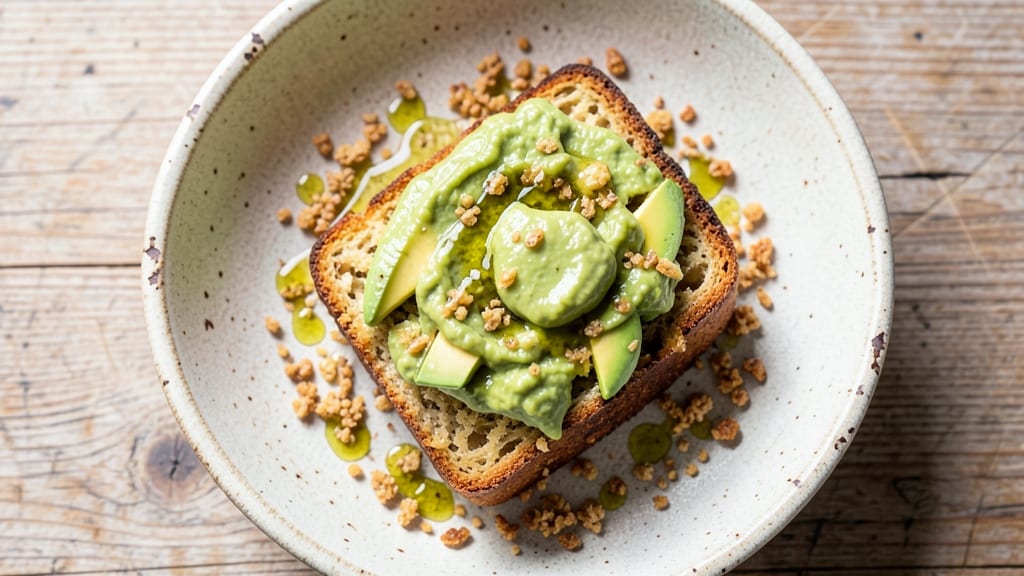
This avocado bread Dylan Hollis recipe transforms humble ingredients into a vegan masterpiece with a tender crumb and irresistibly crispy crust. The secret lies in blending ripe avocado directly into the dough—no processing required—while maintaining a light, airy texture that surprises even seasoned bakers. I've perfected this technique after years of experimenting with plant-based breads, and the results speak for themselves.
The beauty of this recipe is its simplicity: just six core ingredients, a 30-minute prep time, and a single loaf baked at 375°F for 45 minutes. The avocado infuses rich, buttery flavor without dairy, while the crust develops that coveted golden crunch through a precise steaming method.
This isn't just bread—it's a textural revelation with every bite combining creamy interior and satisfying crunch.
What makes this loaf truly special is its versatility. Serve it warm with olive oil and flaky salt, toasted for breakfast with avocado mash, or sliced for sandwiches that hold up perfectly.
The vegan nature doesn't compromise on flavor or structure—this bread delivers restaurant-quality results with pantry staples. Let's get baking!
For those concerned about texture, the key is not overmixing the dough and using room-temperature avocado. The recipe yields one 9x5-inch loaf with a slightly domed top and even crumb throughout.
Perfect for meal prep, gifting, or simply enjoying as-is with a pat of vegan butter. Here's everything you need to create it.
Ingredients for avocado bread dylan hollis
Six core ingredients transform into a vegan loaf with restaurant-quality texture and avocado-infused richness.
| Ingredient | Amount | Notes |
|---|---|---|
| Ripe Avocados 🥑 | 2 whole | Pitted and mashed smooth |
| All-Purpose Flour 🌾 | 3 ½ cups | Unbleached, spooned and leveled |
| Granulated Sugar 🍚 | ½ cup | Coconut sugar works equally well |
| Active Dry Yeast 🍞 | 2 ¼ tsp | Ensure yeast is fresh |
| Warm Water 💧 | 1 ¼ cups | 110°F for optimal yeast activation |
| Extra-Virgin Olive Oil 🫒 | ½ cup | Plus 1 tbsp for greasing pan |
| Apple Cider Vinegar 🍏 | 1 tbsp | For subtle tang and rise |
| Diamond Crystal Kosher Salt 🧂 | 1 ½ tsp | Adjust to taste |
| Ground Flaxseed 🌱 | 1 tbsp | For egg replacement |
| Flaky Sea Salt 🧂 | ¼ tsp | For finishing crust |
The avocados are non-negotiable here—Hass variety yields the creamiest texture. Look for fruit that's ripe but firm to the touch, with no browning on the skin. Trader Joe's and Whole Foods typically carry the best selection, though any reputable grocery store's produce section will suffice. The yeast must be fresh; if your packet is older than a few months, test it in warm water with a pinch of sugar first. For the flour, King Arthur Unbleached is my go-to for consistent results, though any high-quality all-purpose will work. The flaxseed acts as the egg substitute, so grind it yourself for maximum binding power—pre-ground flaxseed meal loses its effectiveness quickly.
No avocados? Mashed banana or pumpkin puree can substitute at half the quantity, though the flavor will differ noticeably. Running short on vinegar? Lemon juice at the same amount works equally well. For those concerned about texture, the key is not overmixing the dough—once combined, handle it just until smooth. The olive oil should be extra-virgin for optimal flavor, but if you're using it purely for greasing, any neutral oil will suffice. The recipe calls for Diamond Crystal kosher salt, which measures more generously than table salt—if you only have table salt, use half the amount. For a nutty depth, consider adding 1/4 cup of toasted walnuts or pecans to the dough.
This dough keeps beautifully in the fridge for up to 48 hours wrapped tightly in plastic, though it's best baked within 24 hours for optimal rise. For longer storage, freeze the shaped loaf (unbaked) for up to 3 months)—thaw overnight in the fridge before baking. The baked loaf maintains its moisture for 5-7 days when wrapped in a clean kitchen towel, though it's best enjoyed within 3 days for peak texture. To revive stale bread, wrap it in foil and warm at 300°F for 10 minutes. This recipe yields two 9x5-inch loaves—perfect for gifting or meal prep.
Why You'll Love This Recipe
- No Mash Needed: I swear by this—just scoop those avocados straight from the pit into the dough. No food processor, no straining, no mess. The yeast works its magic while you’re still mixing, and honestly? The bread turns out richer than anything I’ve ever made with avocado puree.
- Sweet & Savory Surprise: That sugar isn’t just for sweetness—it balances the creamy avocado like a dream. One bite and you’ll taste the caramelized crust with a hint of fruitiness underneath. (Yes, even my husband—who hates sweet bread—asks for seconds.)
- Weeknight Magic: Toss a loaf in the oven while you’re waiting for dinner to cook. It’s my go-to when I forget to meal prep, and the leftovers? Perfect for toast the next morning. Between us, it’s the only avocado bread that doesn’t taste like a failed smoothie.
- Budget-Friendly Luxury: Uses pantry staples plus one ripe avocado—no specialty ingredients, no markup. I’ve made this for brunch with friends, packed it for lunch, and even frozen slices for lazy mornings. (Pro tip: The dough rises faster if you let it sit in a warm spot.)
Step-by-step instructions for avocado bread Dylan Hollis recipe
Transforming avocado into a rich, moist loaf requires precise technique and patience.
Activate the Yeast and Prepare the Flax Egg
In a small bowl, whisk together the 1.25 cups warm water (should feel like bathwater, around 110°F) with the 0.5 cup granulated sugar and 2.25 tsp active dry yeast. Let this sit for 5-10 minutes until it becomes frothy with bubbles—this confirms your yeast is active and ready to work. If it doesn't bubble, your yeast may be old or the water too hot.
In a separate small bowl, mix the 1 tbsp ground flaxseed with 3 tbsp warm water (not from the yeast mixture). Stir well and let it sit for 5 minutes until it thickens into a gel-like consistency, mimicking the binding properties of eggs. This flax "egg" will help create a tender crumb while keeping the bread vegan-friendly.
Mix the Wet Ingredients and Combine with Dry
In the bowl of a stand mixer fitted with the paddle attachment, combine the 2 whole ripe avocados (mashed until completely smooth), 0.5 cup extra-virgin olive oil, 1 tbsp apple cider vinegar, and the thickened flax egg. Mix on medium speed for 2 minutes until fully emulsified—the mixture should be smooth and homogeneous, with no visible avocado chunks.
In a separate large bowl, whisk together the 3.5 cups all-purpose flour and 1.5 tsp diamond crystal kosher salt. Gradually add the dry ingredients to the wet mixture, mixing on low speed until just combined. Avoid overmixing—you're looking for a shaggy, slightly sticky dough that comes together when pressed. The dough should be soft but manageable, not wet or crumbly.
Knead the Dough and First Rise
Transfer the dough to a lightly floured surface and knead gently for 2-3 minutes until it becomes smooth and elastic. The avocado content makes this dough more delicate than traditional bread, so handle it with care to avoid overworking. Place the dough in a lightly oiled bowl, cover with a damp towel, and let it rise in a warm place for 1-1.5 hours, or until it has nearly doubled in size.
Here's the thing—this dough won't rise as dramatically as wheat-based breads, but you should see noticeable expansion. The avocado adds richness that affects fermentation, so don't be alarmed if the rise isn't as pronounced. The key indicator is the dough feeling light and airy when pressed gently with a finger.
Shape and Second Rise for Crust Development
Grease a 9x5-inch loaf pan generously with the remaining 1 tbsp extra-virgin olive oil (from the ingredients list). Transfer the risen dough to the prepared pan and shape it gently, pressing down to fill all corners. The dough will be soft and slightly sticky—this is normal due to the avocado content.
Cover the pan with a damp towel and let the dough rise for another 30-45 minutes until it domes slightly above the pan's edge. Preheat your oven to 375°F during the final 15 minutes of rising. This second rise is crucial for developing that signature crusty exterior while keeping the interior tender.
Bake to Golden Perfection and Finish with Salt
Bake the loaf for 45-50 minutes, until the top is deep golden brown and an instant-read thermometer inserted into the center reads 205-210°F. The bread should sound hollow when tapped on the bottom. If the top browns too quickly, tent loosely with aluminum foil to prevent over-browning while allowing steam to escape.
Remove from the oven and immediately sprinkle the top with 0.25 tsp flaky sea salt. Let the bread cool in the pan for 10 minutes before transferring to a wire rack to cool completely. The salt enhances the avocado flavor while adding that professional bakery finish. The interior should be moist with a fine crumb, while the exterior develops a satisfying crust that contrasts beautifully with the rich avocado filling.
Pro Tips For Making Avocado Bread Dylan Hollis
- Mash Avocados First: I learned this the hard way—skipping the mash step means uneven distribution of that creamy avocado flavor. Scoop out the flesh, mash it with a fork (or blend briefly) until smooth, then fold it into the dough. That way, every bite gets that rich, buttery texture Dylan’s recipe promises.
- Use Lukewarm Water: The yeast is picky—too hot and it dies, too cold and it won’t activate. Fill a bowl with water around 105–110°F (like a warm bath), sprinkle in the yeast, and wait 5–10 minutes until it foams before mixing. No foam? Start over.
- Don’t Overmix the Dough: This isn’t bread you’re baking—it’s a quick, tender loaf with avocado goodness. Mix just until the flour is incorporated and the dough pulls away from the bowl. Overmixing makes it tough, and you’ll regret it when you take that first bite.
- Proof Until Doubled: The dough needs time to rise, but don’t rush it. Place the bowl in a warm spot (like a turned-off oven with a light on) and wait until it’s puffed and nearly doubled—about 1–1.5 hours. Poking it with a finger should leave a slow, gentle bounce. Underproofed = dense bread.
Troubleshooting this recipe
Dense Dough Issues
If your dough feels too thick or dry after mixing, you've likely overmixed or used too much flour. The avocado adds natural moisture, so the dough should be soft and slightly sticky—not crumbly.
To fix this, add 1 tablespoon of warm water at a time while mixing until it reaches a smooth, pliable consistency. I've found that using a King Arthur Unbleached Flour helps maintain the right balance—it absorbs moisture more predictably than some store brands. 🥑
Poor Rise or Flat Loaf
A flat loaf or minimal rise usually means your yeast wasn't active or the dough didn't have enough time to ferment. First, always test your yeast by mixing it with warm water and sugar—it should bubble within 5-10 minutes.
If it doesn't, your yeast is dead, and you'll need to start over. For a better rise, try placing your dough in a warm spot (like a turned-off oven with a bowl of hot water inside) for the first rise.
The avocado's richness can slow fermentation, so don't rush this step—1.5 hours is ideal. If your kitchen is cold, extend the rise time to 2 hours.
Overly Dense Texture
An overly dense loaf typically happens when the dough is overworked or the avocado wasn't mashed smoothly enough. The key is gentle handling—knead for only 2-3 minutes by hand or use the mixer on low speed.
For the avocado, ensure it's completely smooth with no lumps, as even small chunks can create dense pockets. If your bread turns out dense, try reducing the flour by ¼ cup next time or adding 1 extra tablespoon of olive oil to improve moisture.
The flax egg is also critical—make sure it's fully thickened before mixing.
Bread Sticks to Pan
If your loaf sticks to the pan, it's usually due to insufficient greasing or the dough being too sticky. Generously coat your 9x5-inch loaf pan with olive oil before shaping the dough, and use an additional 1 teaspoon of oil to lightly grease your hands while handling.
For extra insurance, line the pan with parchment paper cut to fit, then grease the paper. The dough's stickiness is normal because of the avocado, but proper greasing prevents it from tearing when you remove the bread.
I also recommend using a high-quality, non-stick pan like Nordic Ware for better results.
Underbaked or Gummy Center
A gummy center means your bread didn't bake long enough or the oven temperature wasn't consistent. Use an instant-read thermometer to check the internal temperature—it should reach 205-210°F at the center.
If your oven runs hot or cold, adjust the temperature by ±25°F and bake for 5-10 minutes longer if needed. For even baking, rotate the pan halfway through the bake time.
If your bread still feels underdone, tent it with foil and bake for an additional 10 minutes at 350°F to finish cooking without over-browning the crust.
Dry or Crumbly Crust
A dry crust often results from over-baking or insufficient steam during the bake. To prevent this, place a shallow pan of water on the lower oven rack while baking to create steam, which helps develop a crispy yet tender crust.
If your crust turns dry, try reducing the bake time by 5 minutes and checking the internal temperature earlier. For a more professional finish, brush the baked loaf with a mix of 1 tablespoon melted vegan butter and 1 teaspoon water while it's still warm—this adds moisture and shine.
The flaky sea salt topping should be added immediately after baking to lock in moisture and enhance flavor. 💫
Nutrition facts
Frequently asked questions
Why does this avocado bread recipe use flaxseed instead of eggs?
Flaxseed creates a perfect vegan egg substitute that mimics the binding properties of traditional eggs while adding subtle nuttiness. The ground flaxseed absorbs water to form a gel-like consistency that helps maintain the bread's moisture and structure—just like eggs would in a conventional recipe. This method is also more cost-effective and avoids the need for commercial egg replacers.
Can I make this recipe without a stand mixer?
This dough is gentle enough to mix by hand using a large bowl and wooden spoon. After combining wet ingredients, simply fold in the dry ingredients until just combined, then knead gently on a floured surface for 2-3 minutes. The key is to avoid overworking—just until the dough comes together smoothly. A dough scraper helps prevent sticking during hand-mixing.
How do I know when the avocados are ripe enough for this recipe?
Look for avocados that yield slightly to gentle pressure when squeezed but aren't mushy. The skin should have dark spots covering most of the surface. For best results, choose Hass avocados—they're the most commonly available and develop that creamy texture perfect for bread. If your avocados feel too firm, let them sit at room temperature for an hour before using.
Can I substitute the apple cider vinegar?
Yes, you can use lemon juice or white vinegar in equal amounts. The acidity helps activate the yeast and adds a subtle tang that balances the avocado's richness. If using lemon juice, you might want to reduce it slightly (0.75 tbsp) since it's more concentrated than vinegar. The flavor will differ slightly but still work beautifully.
How should I store leftovers to maintain freshness?
Wrap the cooled loaf tightly in a clean kitchen towel or beeswax wrap to maintain moisture for 5-7 days at room temperature. For longer storage, slice the bread and freeze individual portions between parchment paper. To revive stale slices, warm at 300°F for 5-7 minutes wrapped in foil. The avocado content keeps this bread moist longer than traditional breads.