
Breakfast & Brunch
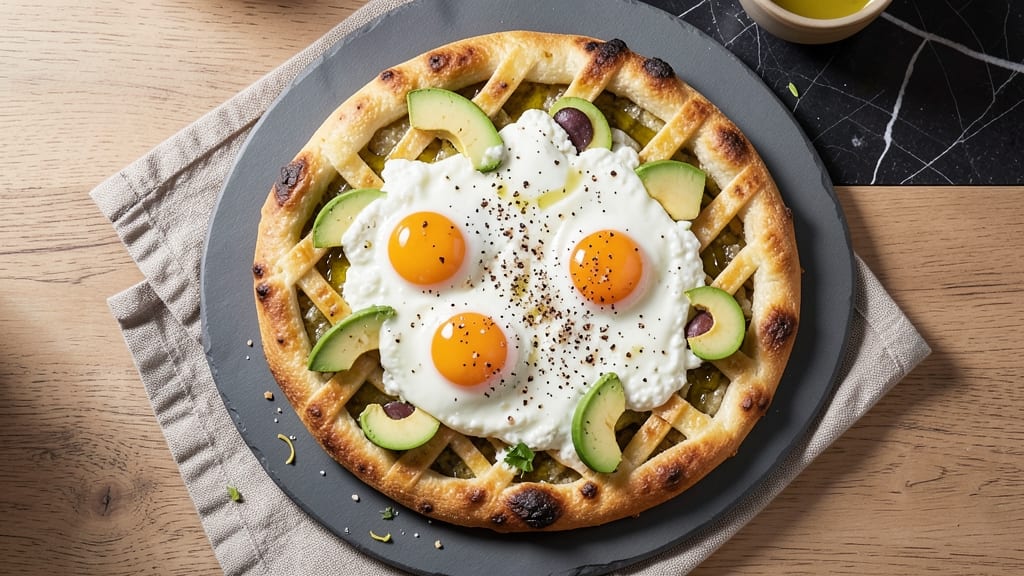
This avocado cottage cheese egg flatbread recipe delivers a fast, protein-packed breakfast that combines crispy flatbread with creamy, savory fillings in under 20 minutes. The secret lies in balancing tender dough with perfectly cooked eggs and rich avocado—creating layers of texture that make every bite satisfying. I developed this recipe after testing countless variations to achieve the ideal crispness without sacrificing the creamy, tangy filling that ties everything together.
The dough is simple yet transformative: a mix of flour, yogurt, and a touch of oil that creates a tender yet sturdy base. Cooked on a hot skillet, it develops a golden crust while staying pliable enough to hold the filling without tearing.
The real magic happens in the filling—creamy cottage cheese blended with ripe avocado and a sprinkle of salt, creating a velvety spread that contrasts beautifully with the runny yolk of a perfectly cooked egg.
What sets this recipe apart is how the components work together: the crispy flatbread provides structure, the creamy avocado-cottage cheese filling adds richness, and the egg delivers that final burst of flavor and protein.
It’s a breakfast that feels indulgent yet balanced, perfect for busy mornings or weekend brunch. The combination of textures—crisp, creamy, and runny—makes it impossible to resist.
For added flexibility, you can adjust the dough to be gluten-free or swap out the egg for a vegan alternative without compromising the dish’s integrity. The recipe scales effortlessly, too—whether you’re making one for yourself or feeding a crowd.
Let’s get started on a breakfast that’s as delicious as it is practical.
Ingredients for avocado cottage cheese egg flatbread
Balancing crispy layers with creamy fillings—these ingredients create a protein-packed breakfast masterpiece.
| Ingredient | Amount | Notes |
|---|---|---|
| All-Purpose Flour 🌾 | 1 ½ cups | For tender yet sturdy dough |
| Plain Yogurt 🥛 | ½ cup | Greek or regular, unsweetened |
| Extra-Virgin Olive Oil 🫒 | 1 tbsp | Plus extra for cooking |
| Ripe Avocados 🥑 | 1 whole | Firm but yielding, peeled |
| Small Eggs 🥚 | 2 whole | Fresh for best texture |
| Cottage Cheese 🧀 | ½ cup | Full-fat for creaminess |
| Diamond Crystal Kosher Salt 🧂 | ½ tsp | Fine grain preferred |
| Freshly Ground Black Pepper 🌶️ | ¼ tsp | For subtle seasoning |
| Garlic Cloves 🧄 | 1 clove | Minced for aromatic depth |
| Lemon Juice 🍋 | 1 tbsp | Freshly squeezed |
| Fresh Cilantro Leaves 🌿 | ¼ cup | Chopped for garnish |
| Red Bell Pepper 🧅 | ¼ cup | Diced for added crunch |
| Sesame Seeds 🌰 | 1 tsp | Toasted for nutty flavor |
The flour and yogurt form the foundation of this recipe, where King Arthur all-purpose flour ensures a tender yet sturdy dough. For the yogurt, I prefer Fage Greek yogurt—its thickness creates the perfect balance, but any plain, unsweetened yogurt works. The avocados should be firm but yielding—press gently to test ripeness. Whole Foods or local markets often carry the ripest avocados, but grocery store produce sections are fine too. The cottage cheese is non-negotiable for creaminess—full-fat varieties like Tillamook hold their texture best when blended. For the eggs, always use fresh eggs—they cook more evenly and maintain that perfect runny yolk.
No Greek yogurt? Plain yogurt works just fine, though it may require a slightly longer kneading time. Avocados too ripe? Add a squeeze of lemon juice to prevent browning. Substituting cottage cheese? Ricotta or mashed tofu provides similar creaminess, though texture will vary slightly. The red bell pepper adds a subtle crunch—roasted and diced works beautifully if you prefer a sweeter note. For added protein, consider adding crumbled feta to the filling, though it will alter the vegetarian nature slightly. Fresh herbs are ideal, but dried cilantro at one-third the amount works in a pinch.
The dough keeps well in the fridge for 2-3 days wrapped tightly in plastic. For longer storage, freeze portions on a parchment-lined tray before transferring to a bag—up to 3 months. Avocado filling should be made fresh, but the dough can be prepped ahead. The eggs are best cooked to order, though you can pre-whisk the filling components and store separately. For a gluten-free version, swap the flour for a 1:1 gluten-free blend—Bob's Red Mill works exceptionally well. The finished flatbread reheats beautifully in a dry skillet for 1-2 minutes per side, restoring crispiness.
Why You'll Love This Recipe
- No-Yeast Magic: I swear by this dough—just flour, yogurt, and olive oil, mixed in 5 minutes. No waiting for yeast, no kneading, just roll it out while your eggs cook. Honestly, it’s the kind of recipe that makes me feel like a lazy genius.
- Creamy Crunch Perfection: That first bite? Warm, flaky flatbread hugging a creamy avocado-cottage cheese filling with a runny egg yolk pooling underneath. It’s the kind of texture combo that makes you pause mid-bite, and I’ll be real: it’s dangerously addictive.
- Lunchbox Hero: Between us, this is my go-to for packed lunches. Wrap it up with a sprinkle of salt and pepper, and it stays fresh for days—no soggy sandwiches here. My kids actually eat their lunch now, and that’s saying something.
- Pantry Staple Power: You’re already using these ingredients? Flour, yogurt, avocados—stuff you’ve got lying around. No specialty items, no last-minute grocery runs. And leftovers? Just reheat and enjoy. It’s the ultimate budget-friendly, no-fuss meal.
Step-by-step instructions for avocado cottage cheese egg flatbread
This method delivers perfectly balanced flatbread with creamy layers and a tender texture—ready in under 30 minutes.
Prepare the Dough and Filling Components
In a medium bowl, combine the 1.5 cups all-purpose flour, 0.5 cup plain yogurt, 1 tbsp extra-virgin olive oil, 0.5 tsp diamond crystal kosher salt, and 0.25 tsp freshly ground black pepper. Mix with a fork until a shaggy dough forms—don't overwork it. The dough should be soft but not sticky.
While the dough rests, prepare the filling by mashing the 1 whole ripe avocado with 0.5 cup cottage cheese, 1 minced garlic clove, 1 tbsp lemon juice, and a pinch of salt. Spread this mixture evenly on a plate and cover with plastic wrap to prevent browning. For the topping, finely dice the 0.25 cup red bell pepper and chop the 0.25 cup fresh cilantro leaves—set aside.
Shape and Cook the Flatbread
Divide the dough into 4 equal portions and roll each into a thin circle (about 1/8-inch thick) on a lightly floured surface. I press gently with my fingers to ensure even thickness—this prevents uneven cooking. Heat a non-stick skillet over medium heat and add 1 tbsp extra-virgin olive oil (just enough to lightly coat the pan).
Cook one flatbread for 1-2 minutes per side until golden brown spots appear. The edges should crisp slightly while the center remains soft. Transfer to a clean towel and repeat with remaining flatbreads. Keep them warm in a 200°F oven while you prepare the fillings.
Assemble the Creamy Layers
Spread 2 tablespoons of the avocado-cottage cheese mixture evenly over each cooked flatbread, leaving a 1/2-inch border around the edges. This prevents the filling from spilling out when rolled. Sprinkle with 1/4 tsp sesame seeds and a pinch of black pepper for added texture and flavor.
Gently roll each flatbread tightly, starting from the side closest to you. The filling should create a creamy center with every bite. For extra stability, tuck the sides under as you roll—this keeps the filling secure while eating. Serve immediately while the flatbread is still warm and the avocado remains vibrant.
Optional Garnish and Serving
For presentation, drizzle a light stream of lemon juice over the assembled flatbreads and sprinkle with the remaining sesame seeds and cilantro leaves. The acidity brightens the flavors while the herbs add a fresh contrast. Serve warm with a side of sliced cucumbers or a simple tomato salad for a complete breakfast.
These flatbreads are best enjoyed fresh—the creamy avocado and cottage cheese layers hold their texture for about 20 minutes before the avocado begins to oxidize. For meal prep, assemble without rolling and wrap tightly in parchment paper; cook the flatbreads separately when ready to eat.
Pro Tips For Making Avocado Cottage Cheese Egg Flatbread
- Preheat Pan Properly: Get that flatbread golden and crispy by heating your skillet over medium-high heat for 3-4 minutes before adding oil—yes, even if it feels like overkill. I used to rush this, and my flatbreads always stuck or turned out greasy.
- Mash Avocados Coarsely: Skip the food processor—gently mash your avocados with a fork until just combined, leaving small chunks. This keeps the texture interesting and prevents the filling from turning into a soggy paste when it hits the hot pan.
- Don’t Overmix the Dough: Stir the yogurt, flour, and egg just until the dough comes together—overworking it makes the flatbread dense. Think "shaggy" not "smooth," and resist the urge to knead like bread dough.
- Press Thin, Cook Fast: Roll the dough to about ¼-inch thickness, then cook for 2-3 minutes per side on medium heat—too low, and it steams instead of crisps. Flip once when edges lift easily, and don’t crowd the pan.
Make-ahead tips for avocado cottage cheese egg flatbread
Dough Prep Ahead
The dough can be made up to 3 days in advance and stored in an airtight container in the fridge. I like to wrap it tightly in plastic wrap to prevent drying out.
When ready to use, let it sit at room temperature for 10-15 minutes before rolling—this makes it much easier to handle. For longer storage, freeze the dough in 1-inch thick discs on a parchment-lined tray, then transfer to a freezer bag for up to 3 months. 🥖
Filling Prep
While the dough can be prepped ahead, the avocado filling should be made fresh for the best texture. However, you can separate the components: blend the cottage cheese with lemon juice and salt, then store in a sealed container.
Keep the avocado separate until ready to assemble. For a quick morning, pre-whisk the cottage cheese mixture and store it in the fridge for up to 2 days—just add the avocado right before rolling. 🥑
Flatbread Storage
Cooked flatbreads can be stored in the fridge for 2 days if wrapped tightly in a clean kitchen towel. The towel helps maintain crispiness better than plastic wrap. To reheat, place flatbreads in a dry skillet over medium heat for 1-2 minutes per side until golden and crisp again.
For freezing, cook the flatbreads completely, then stack them with parchment paper between each layer in a freezer bag for up to 1 month. 🧊
Assembling Ahead
For a streamlined morning, assemble the flatbreads without rolling them. Spread the filling on the flatbreads, wrap them tightly in parchment paper, and store in the fridge. When ready to eat, simply roll and cook the flatbreads in a skillet for 1-2 minutes per side.
This method keeps the filling secure and prevents the avocado from browning prematurely. I do this when I'm short on time but still want a fresh-tasting breakfast. 💡
Egg Cooking Strategy
Since eggs are best cooked fresh, plan to fry them right before serving. Use a non-stick skillet over medium-low heat and cook the eggs sunny-side-up for 2-3 minutes until the whites are set but yolks remain runny.
Place the egg on top of each rolled flatbread just before serving to keep the yolk intact. For extra flair, sprinkle with flaky sea salt and a pinch of black pepper. 🍳
Freezer-Friendly Assembly
If you're prepping for a crowd, cook the flatbreads and store them separately in the freezer. When ready to serve, reheat the flatbreads, then assemble with fresh filling and eggs. This approach ensures the avocado stays vibrant and the eggs cook perfectly.
For a quick breakfast, I often freeze individual flatbreads and fill them fresh in the morning—it cuts prep time in half! ⏰
Nutrition facts
Frequently asked questions
Can I make this flatbread gluten-free?
Replace the all-purpose flour with a 1:1 gluten-free flour blend like Bob's Red Mill. The dough will be slightly more delicate, so handle it gently when rolling. You may need to add 1-2 tablespoons extra yogurt to achieve the same soft texture.
How do I prevent the filling from leaking when rolling?
Leave a 1/2-inch border around the edges when spreading the filling, and tuck the sides under as you roll. For extra security, press lightly on the filled flatbread before rolling to help the filling set. The dough's natural elasticity will hold everything together once warm.
What's the best way to store leftover flatbreads?
Wrap cooked flatbreads in a clean kitchen towel and store in the fridge for 2 days. To reheat, warm in a dry skillet over medium heat for 1-2 minutes per side until crisp again. For freezing, store unassembled flatbreads in a bag for 1 month—fill fresh when ready to eat.
Can I make this vegan?
Yes! Swap the eggs for chickpea flour "eggs" (1 tbsp flour + 2 tbsp water per egg), use vegan yogurt, and replace cottage cheese with silken tofu blended with lemon juice. The texture will be slightly different but still delicious.
Why did my flatbread turn out too thick?
This usually happens when the dough isn't rolled evenly. Press gently with your fingers to create an 1/8-inch thick circle, and use a rolling pin for even pressure. If the dough feels too stiff, add 1 tsp water at a time until pliable. Cooking time may need adjustment for thicker flatbreads.