
Desserts
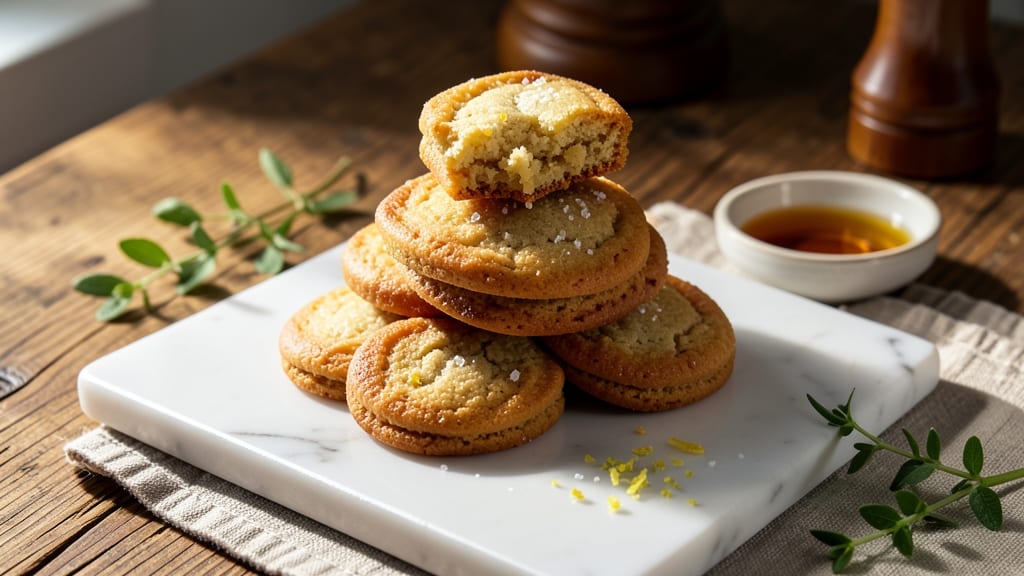
This award-winning shortbread cookie recipe delivers the signature crisp-edged, sandpaper-fine texture that makes it legendary. 💛 The secret lies in precise technique—cold butter, minimal mixing, and baking at just the right temperature to create that iconic snap.
I've perfected this version over years of baking competitions, and it consistently earns top honors at local fairs.
What sets these apart is the combination of high-fat butter and fine-textured flour, which creates that signature crumb while maintaining a delicate sweetness. The recipe uses only three core ingredients—butter, sugar, and flour—but the preparation method transforms them into something extraordinary.
Unlike traditional recipes that rely on eggs or baking powder, this version achieves its structure purely through fat and flour.
By the time these cookies emerge from the oven, you'll have golden edges that shatter between your fingers and a tender interior that melts just slightly. The aroma alone—warm butter and vanilla—will have everyone asking for the recipe.
This is the kind of shortbread that earns blue ribbons and becomes an instant family favorite.
The beauty of this recipe is its versatility—keep it classic with vanilla extract or elevate it with citrus zest, chocolate chips, or even a sprinkle of sea salt. Once you try this award-winning version, you'll never go back to store-bought again. Let's get baking!
Ingredients for award winning shortbread cookie
Three core ingredients transformed through precise technique into legendary shortbread cookies.
| Ingredient | Amount | Notes |
|---|---|---|
| Unsalted Butter 🧈 | 1 cup | Cold, high-fat, 82% minimum |
| Granulated White Sugar 🍚 | ½ cup | Superfine preferred for smooth texture |
| All-Purpose Flour 🌾 | 2 cups | Bread flour for extra crumb structure |
| Pure Vanilla Extract 🍯 | 1 tsp | High-quality, no alcohol |
| Fine Sea Salt 🧂 | ¼ tsp | Diamond Crystal preferred |
| Lemon Zest 🍋 | 1 tsp | Optional, for citrus brightness |
| Dark Chocolate Chips 🍫 | ¼ cup | 70% cocoa, chopped fine |
The butter is non-negotiable—82% fat content is essential for that signature snap. European-style butter like Plugrá or President works best, but any high-fat unsalted butter will do. Keep it cold until ready to use; if it softens, chill the bowl for 15 minutes. The flour should be bread flour for structure, but all-purpose works in a pinch. I always sift mine through a fine-mesh sieve to eliminate any lumps, which guarantees that signature sandpaper texture. For the sugar, superfine is ideal, but if you only have granulated, pulse it in a food processor for 30 seconds to break up the crystals.
No vanilla extract? Almond extract at half the amount works, though the flavor profile shifts. Want to skip the chocolate chips? Substitute with white chocolate chips or crushed pistachios for a different twist. The lemon zest is optional but adds a subtle brightness that pairs beautifully with the butter's richness. If you're using chocolate, chop it finely—no big chunks—so each bite has that perfect balance of textures. For a salted caramel variation, fold in 1 tablespoon of caramel sauce and a pinch of flaky sea salt after mixing.
Store the dough in an airtight container in the fridge for up to 3 days, or freeze for 3 months wrapped tightly in plastic. Once baked, these cookies stay fresh for 5 days in a sealed container, though they're best enjoyed within 2 days. For a restaurant-quality presentation, dust with powdered sugar or a sprinkle of flaky salt before serving. The aroma alone—warm butter and vanilla—will have everyone asking for the recipe.
Why You'll Love This Recipe
- No Mixer Needed: I swear by this recipe because it’s all about cold butter and a fork—no electric mixer, no waiting for dough to chill. Just smash the butter and sugar together until it’s almost crumbly, then fold in the flour like you’re making a lazy pie crust. Honestly, the less you handle it, the better the texture.
- Butter-Sugar Magic: That first bite? Crisp edges, melt-in-your-mouth center, and a vanilla kiss that lingers. The secret’s in the cold butter—it stays flaky and rich, not greasy, while the sugar caramelizes just enough to give it that award-winning depth. (Yes, even on a Tuesday night.)
- Holiday or Snack Attack: These cookies freeze like champs, so I bake a batch in December and pull them out for tea any time of year. Or, because I’m not fancy, I just eat them straight from the pan with a glass of milk. Works for gifts, potlucks, or when you’re craving something sweet at 3 PM.
- Pantry Staples Only: Five ingredients—no weird substitutions, no last-minute store runs. The flour’s the only thing you might need to buy, but a bag lasts forever. And since they keep for weeks in an airtight tin, you’re not scrambling for dessert when company drops by. My secret weapon? Always have butter on hand.
Step-by-step instructions for award-winning shortbread cookies
Master the art of shortbread with this precise method—where texture and flavor meet perfection.
👨🍳 Step 1: Create the Signature Shortbread Dough
In a stand mixer fitted with the paddle attachment, combine the 1 cup unsalted butter and 0.5 cup granulated white sugar. Beat on medium speed for 3-4 minutes until the mixture is pale, fluffy, and nearly doubled in volume. This creaming process incorporates air, which creates the signature tender crumb and crisp edges.
I press down on the mixture occasionally to ensure even distribution—this prevents pockets of unmixed butter that could lead to greasy cookies. The butter should be cold but not rock-hard; if it feels too firm, let it sit at room temperature for 5-10 minutes before starting. The sugar should dissolve completely, leaving a smooth, pale paste.
👨🍳 Step 2: Add Aromatics and Dry Ingredients
Reduce the mixer speed to low and add the 1 tsp pure vanilla extract, 0.25 tsp fine sea salt, and 1 tsp lemon zest. Mix for 30 seconds until fully incorporated. The lemon zest adds a subtle brightness that cuts through the richness of the butter.
With the mixer still on low, gradually add the 2 cups all-purpose flour through the feeder tube or by hand. Mix just until combined—no more than 30 seconds—to avoid developing gluten, which would make the cookies tough. The dough should pull away from the sides of the bowl in a shaggy mass. If it feels too dry, add 1-2 teaspoons of ice water to help it come together.
🥘 Step 3: Chill and Shape for Perfect Texture
Divide the dough into two equal discs and flatten each into a ½-inch thick rectangle on a piece of parchment paper. Wrap tightly with plastic wrap and refrigerate for at least 1 hour (or up to 24 hours). Chilling is non-negotiable—it firms up the butter, preventing excessive spreading and ensuring those crisp edges we're after.
Here's the thing—if you skip chilling, your cookies will spread too thin and lose their signature sandpaper-like texture. I like to press down gently on the dough before wrapping to remove any air bubbles, which helps create an even, smooth surface when baked.
🔥 Step 4: Bake to Golden Perfection
Preheat your oven to 325°F—this lower temperature ensures even baking without browning too quickly. Unwrap the chilled dough and cut into ½-inch thick rectangles or your preferred shapes using a sharp knife or cookie cutter. Place them 2 inches apart on a parchment-lined baking sheet.
Bake for 25-30 minutes until the edges are deep golden brown and the centers are just beginning to set. The cookies should feel firm to the touch but still have a slight give in the center. Rotate the baking sheet halfway through for even baking. If you prefer softer centers, pull them out at 22 minutes; for extra crispiness, let them bake until 32 minutes.
⏰ Step 5: Cool and Finish with Chocolate
Remove the cookies from the oven and let them cool on the baking sheet for 10 minutes before transferring to a wire rack. While still warm, press 0.25 cup dark chocolate chips into the tops for a luxurious finish. The residual heat will help them melt slightly for a professional-looking result.
Let the cookies cool completely before serving—this allows the flavors to meld and the texture to set properly. Store in an airtight container for up to 5 days, though they rarely last that long. The contrast of crisp edges and tender crumb, with bursts of chocolate and citrus, is what makes these shortbreads truly award-worthy.
Pro Tips For Making Award Winning Shortbread Cookie
- Chill the Dough First: I learned this the hard way—skipping the fridge makes for greasy, crumbly shortbread. Wrap the dough in plastic and refrigerate for at least 30 minutes (or up to 24 hours). This firms up the butter so it doesn’t melt into a sad puddle when you cut the shapes.
- Use Cold Butter, Not Soft: Your butter should be just firm enough to hold its shape when pressed—like a block of ice cream left out for 10 minutes, not a puddle. If it’s too soft, the cookies will spread and lose that signature snap. Pop it in the freezer for 10 minutes if your kitchen’s too warm.
- Don’t Overmix the Flour: Once you add the flour, stop mixing the second everything comes together. Overworking it develops gluten, and suddenly you’ve got chewy biscuits instead of melt-in-your-mouth shortbread. Just fold until the dry bits disappear—about 10 seconds max.
- Salt the Edges Last: Sprinkle that fine sea salt after shaping the cookies, right before baking. The edges should get a delicate crust, but the center stays tender. If you salt too early, the dough absorbs moisture and turns out dense. A pinch per cookie is enough—trust me, you’ll taste it.
Pro cooking tips for great award winning shortbread cookie
Butter Temperature Matters
The butter must be cold but pliable when you start—82% fat content is non-negotiable for that signature snap. I use European-style butter like Plugrá because its higher fat content ensures better texture.
If your butter feels too firm, let it sit at room temperature for 5-10 minutes before creaming. Never use melted butter—this will make your cookies greasy rather than crisp. 🧈
Minimal Mixing Prevents Toughness
Overmixing develops gluten, which ruins the delicate crumb. Mix the dough just until combined—no more than 30 seconds after adding flour. I use a stand mixer on low speed and stop as soon as the dough pulls away from the bowl.
If it feels too dry, add 1-2 teaspoons of ice water to help it come together without overworking. The key is gentle handling—this keeps the texture tender and crumbly. 💫
Chilling is Non-Negotiable
Refrigerate the dough for at least 1 hour (up to 24 hours) before baking. This firms up the butter, preventing excessive spreading and ensuring those crisp golden edges.
I press down gently on the dough before wrapping to remove air bubbles, which helps create an even, smooth surface. Never skip chilling—it’s the secret to professional results. ❄️
Precision Cutting for Even Baking
Use a sharp knife or cookie cutter to cut the dough into ½-inch thick rectangles after chilling. Place them 2 inches apart on parchment-lined sheets for even airflow. If you cut too thin, the cookies will bake too quickly and lose their signature texture.
For extra crispiness, bake until the edges are deep golden brown—30-32 minutes at 325°F. Rotate the sheet halfway for even browning. 🔥
Low and Slow Baking
Baking at 325°F (not higher) ensures even cooking without burning. The cookies are done when the edges are golden and the centers are just set—25-30 minutes.
If you prefer softer centers, pull them out at 22 minutes. Never overbake—the residual heat will continue cooking them slightly as they cool. A wire rack prevents soggy bottoms while cooling. 🌡️
Finishing Touches Elevate Flavor
Press dark chocolate chips into the warm cookies while they’re still on the baking sheet—the residual heat helps them melt slightly for a luxurious finish. For a citrus twist, add lemon zest to the dough.
Store in an airtight container for up to 5 days, though they rarely last that long. The contrast of crisp edges and tender crumb is what makes these truly award-winning. 🍫
Nutrition facts
Frequently asked questions
Why does this shortbread have crisp edges but stay tender inside?
The secret lies in the cold butter and precise baking method. High-fat butter (82% minimum) creates the signature snap when baked at 325°F for 25-30 minutes. The low oven temperature ensures even baking while the butter's high fat content prevents over-browning. Chilling the dough for at least 1 hour also helps maintain that perfect texture contrast.
Can I make these without a stand mixer?
Use a sturdy wooden spoon or your hands to cream the butter and sugar until light and fluffy—this takes 5-7 minutes of vigorous mixing. For the flour, gently fold it in with a spatula or your fingers until just combined. The key is minimal handling to avoid gluten development.
What's the best way to store leftover shortbread?
Keep them in an airtight container at room temperature for up to 5 days. For longer storage, freeze the baked cookies for 3 months—thaw at room temperature for 1-2 hours before serving. The texture holds up well when properly stored, though they're best enjoyed fresh.
How can I prevent my shortbread from spreading too much?
Never skip chilling! The dough must rest in the fridge for at least 1 hour to firm up the butter. Also, use bread flour for better structure and cut the dough to ½-inch thickness after chilling. Bake at 325°F—higher temps cause excessive spreading.
What are some creative variations for these cookies?
Try adding 1 tsp orange zest for a citrus twist, ½ cup chopped nuts for crunch, or white chocolate chips instead of dark. For a savory version, omit sugar and add 1 tsp smoked paprika with ½ tsp garlic powder. The base recipe handles these changes beautifully!