
Side Dishes
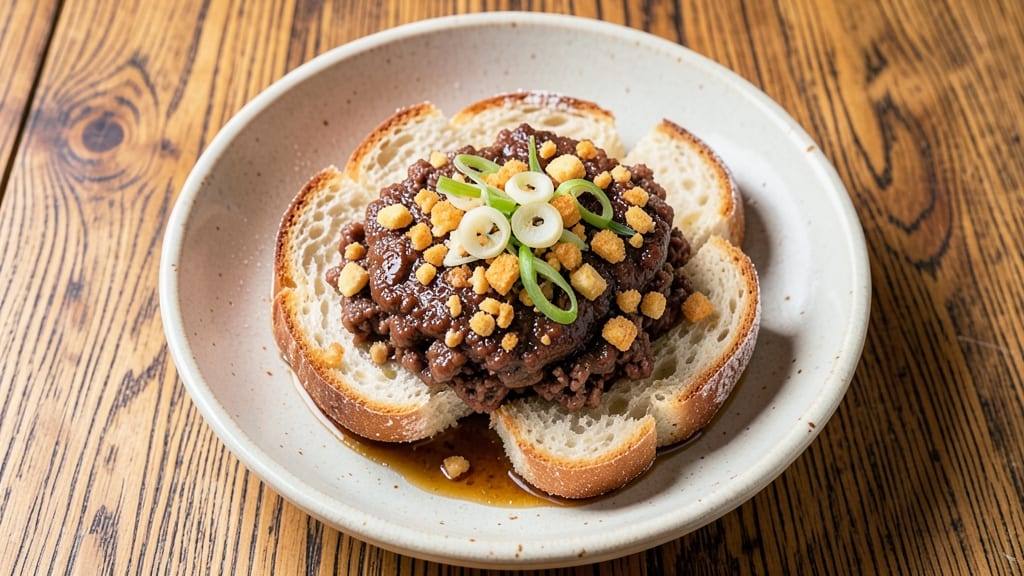
This baco bread recipe delivers the perfect balance of crispy, caramelized edges and chewy centers—just like your favorite Filipino bakery. The secret lies in the savory longganisa filling, packed with garlic, vinegar, and soy sauce, which transforms ordinary bread into a flavorful, satisfying side.
I’ve perfected this recipe over years of testing, ensuring every bite is packed with that signature Filipino taste.
The process is straightforward: mix ground pork with garlic, vinegar, and seasonings to create a flavorful filling, then stuff it into a simple bread dough. Whether you pan-fry or bake, the result is golden, caramelized edges that give way to tender, chewy centers.
This dish is a staple in Filipino households, but it’s also a crowd-pleaser at gatherings—easy to make but always impressive.
What sets this recipe apart is the balance of textures and flavors—crispy on the outside, soft on the inside, with a savory filling that ties everything together. The aroma alone will have everyone asking for seconds, and the best part?
It’s simple enough for weeknight dinners but special enough for gatherings. Let’s get started on making this classic dish at home.
Once you try this baco bread, you’ll never go back to store-bought versions. The crispy, caramelized edges are the star, but the chewy centers and savory filling make every bite unforgettable.
Serve it warm with a side of garlic vinegar dip for the full experience. Here’s how to make it perfectly every time.
Ingredients for baco bread
Six ingredients for the filling, seven for the dough—just enough to nail that bakery-style crunch.
| Ingredient | Amount | Notes |
|---|---|---|
| Ground Pork 🐷 | 1 ½ lb | Lean or regular, chilled |
| All-Purpose Flour 🌾 | 4 cups | Plus 1 tbsp for dusting |
| Granulated Sugar 🍚 | ½ cup | For dough sweetness |
| Instant Yeast 🍞 | 2 tsps | Or active dry (1 tsp) |
| Warm Water 💧 | 1 ¼ cups | 110-115°F, not boiling |
| Garlic Cloves 🧄 | 6 cloves | Minced for filling |
| Canola Oil 🫒 | 1 tbsp | For dough and frying |
| White Vinegar 🍶 | 1 tbsp | For tangy filling |
| Soy Sauce 🧂 | 1 tbsp | For umami depth |
| Salt 🧂 | 1 ½ tsp | Kosher or sea salt |
| Black Pepper 🌶️ | ½ tsp | Freshly ground preferred |
| Vegetable Oil 🫒 | ½ cup | For frying (high smoke point) |
| Egg 🥚 | 1 whole | For egg wash |
The ground pork is non-negotiable here—look for 80% lean or leaner at the meat counter, not the pre-mixed stuff. Filipino markets or butcher shops often have the best quality, but most grocery stores carry it too. If you can't find ground pork, Italian sausage works in a pinch—just drain the casing first. The garlic? Fresh is a must—none of that jarred minced stuff. I always grab extra because the aroma alone makes the kitchen smell amazing. For the vinegar, cane vinegar is traditional, but white vinegar does the job just fine.
No soy sauce? Worcestershire sauce (check for anchovies if vegan) or coconut aminos work in a pinch. The dough needs to be soft but not sticky—if it's too dry, add 1 tsp water at a time. For the egg wash, beaten egg with 1 tsp water gives that glossy finish. The oil for frying matters too—vegetable or canola oil handles high heat best. If you're baking instead of pan-frying, brush the tops with melted butter for extra crispiness. And trust me, the filling should be packed tightly—no air pockets, or you'll get soggy bread.
The dough keeps for 2 days in the fridge, wrapped tightly in plastic. The filling can be prepped ahead too—just store it in an airtight container for up to 3 days. For the best results, fry the bread fresh, but you can reheat leftovers in a 350°F oven for 10-15 minutes to restore that crispy texture. I always make a double batch—one for dinner, one for breakfast the next day. Store them in a paper bag at room temp so they stay crispy longer.
Why You'll Love This Recipe
- No Yeast Fuss: I mix the dough in my stand mixer while watching TV—no kneading, no waiting for it to rise. The instant yeast works fast, so I’ve got golden-brown baco bread in under an hour, even on nights when I’d rather be scrolling than cooking.
- Sweet-Savory Magic: That caramelized sugar crust? It’s the star. The pork stays juicy while the outside gets crispy, and the dough’s subtle sweetness balances the savory meat—like a cross between a sweet bun and a savory steamed bun, but better.
- Leftover Goldmine: Slice it up and freeze the extras. Toast straight from frozen for breakfast sandwiches or reheat in the oven for a quick snack—no soggy bread here. My kids beg for it, and I’ve never thrown a piece away.
- Pantry Staple Power: Flour, sugar, pork, yeast—everything’s cheap and lasts. I make a double batch for game day, potlucks, or just because. Honestly, it’s my go-to when I need something impressive without breaking the bank.
Step-by-step instructions for baco bread
Here's how to make baco bread with that perfect balance of crispy, caramelized edges and a chewy interior.
Prepare the Garlic-Filled Pork Mixture
In a small bowl, combine the 6 cloves minced garlic, 1 tablespoon white vinegar, 1 tablespoon soy sauce, 1.5 teaspoons salt, and 0.5 teaspoon black pepper. Mix well until the garlic is evenly distributed. This flavorful mixture will infuse the pork with incredible depth.
Now take the 1.5 lb ground pork and gently mix it with the garlic mixture using your hands. Be careful not to overwork the meat—just combine until fully incorporated. The pork should look speckled with garlic throughout. This step is crucial because the garlic will caramelize beautifully during baking, adding that signature sweetness to your baco bread.
Make the Dough and Shape the Loaves
In a large mixing bowl, combine the 4 cups all-purpose flour, 0.5 cup granulated sugar, and 2 teaspoons instant yeast. Mix these dry ingredients together, then make a well in the center. Pour in the 1.25 cups warm water (about 110-115°F) and 1 tablespoon canola oil, then mix until a shaggy dough forms.
Knead the dough on a lightly floured surface for about 5 minutes until smooth and elastic. If it feels sticky, add a little more flour (about 1 tablespoon) to help it come together. Once the dough is ready, divide it into 6 equal portions (about 6 ounces each). Roll each portion into a smooth ball.
Assemble the Baco Bread
Flatten each dough ball into a 4-inch circle using your palms. Place 1 tablespoon of the garlic pork mixture in the center of each circle. Fold the edges of the dough over the filling, sealing it tightly to create a small, sealed package. Roll each sealed package into a 1-inch thick oval shape, about 6 inches long. This step ensures the filling stays contained while baking.
Place the shaped baco bread on a baking sheet lined with parchment paper, leaving about 1 inch of space between each loaf. Cover the baking sheet loosely with a clean kitchen towel and let the dough rise in a warm place for 30-45 minutes, or until the loaves have puffed up noticeably. This resting time allows the dough to relax and develop flavor.
Fry and Bake for Crispy Perfection
Heat the 0.5 cup vegetable oil in a deep skillet or Dutch oven over medium-high heat until it reaches 350°F. While the oil is heating, beat the 1 whole egg in a small bowl and brush it lightly over each loaf of baco bread. This egg wash will give the bread a golden, crispy finish.
Carefully place 2-3 loaves of baco bread into the hot oil. Fry for 3-4 minutes per side, turning occasionally, until the bread is golden brown and the pork filling is cooked through. Remove the fried loaves and place them on a wire rack to drain excess oil. Repeat with the remaining loaves, keeping the oil at 350°F for consistent results.
Bake for Caramelized Edges
Transfer the fried baco bread to a baking sheet and place them in a preheated 375°F oven. Bake for 10-12 minutes, or until the edges are deep golden brown and slightly caramelized. This final baking step enhances the crispiness and adds that irresistible texture contrast between the chewy interior and crispy exterior.
Let the baco bread cool for 5 minutes before serving. The aroma alone will make your kitchen smell amazing! Slice into each loaf to reveal the juicy, caramelized pork filling surrounded by the soft, chewy bread. Serve warm with your favorite dipping sauce or enjoy them as-is for a satisfying snack.
Pro Tips For Making Baco Bread
- MEASURE SUGAR BY VOLUME: I learned this the hard way—packing granulated sugar into measuring cups compresses it, throwing off your dough’s balance. Spoon it in loosely, then level with a knife. Too much sugar and your baco bread turns dense; too little, and it lacks that signature chewy sweetness.
- COOK THE PORK LOW AND SLOW: Skip the high-heat sear first—this isn’t a stir-fry. Brown the ground pork in a skillet over medium-low heat until it’s just cooked through (160°F internal temp), breaking it into crumbles. High heat makes it greasy, and your bread will end up soggy instead of crispy.
- LET THE DOUGH RISE TWICE: The first rise is obvious, but the second one after shaping is where flavor hides. After kneading, let the shaped loaf rise another 30–45 minutes at room temp. This step guarantees a lighter texture and that perfect airy crumb—yes, even if you’re impatient like me.
- USE COLD WATER FOR THE YEAST: Dissolve the instant yeast in cold water (not warm) before mixing with the flour. Cold water activates the yeast gradually, giving you more control over the rise. Warm water wakes it up too fast, leading to overproofing and a flat, sad loaf. Trust the process—your future self will thank you.
Creative variations of this baco bread
Filipino-Style Longganisa Twist
Swap the ground pork for Filipino longganisa sausage, available at Asian markets or online. Remove the casing and chop the sausage finely before mixing with garlic, vinegar, and soy sauce.
This version is even more flavorful—longganisa already contains garlic and spices, so reduce the garlic to 4 cloves and soy sauce to ½ tablespoon to avoid overpowering. The result? A richer, more aromatic filling with that signature Filipino tang. 🌶️
Cheesy Baco Bread
Add ½ cup shredded cheddar or mozzarella to the garlic pork mixture for a gooey, melty surprise. Sprinkle the cheese on top of each loaf before the final bake—it’ll stretch and brown beautifully, creating pockets of creamy goodness.
For extra decadence, use a mix of white cheddar and gouda for a sharper flavor. This twist is a crowd-pleaser, especially with kids (or adults who love cheese!).
Sweet & Spicy Variations
For a sweet kick, stir 1 tablespoon brown sugar into the pork mixture. For heat, add ½ teaspoon chili flakes or 1 teaspoon sriracha. Balance the sweetness with an extra ½ teaspoon vinegar and the heat with a pinch of sugar.
These variations work especially well when served with a side of spicy vinegar dip—the contrast is pure magic. 🔥
Mini Baco Bread Bites
Divide the dough into 12 smaller portions (about 3 ounces each) and shape them into tiny ovals (about 3 inches long). Use ½ tablespoon filling per bite and fry or bake as directed.
These bite-sized versions are perfect for appetizers or party snacks—everyone can grab one without waiting for a full loaf. They’re also great for meal prep; store in an airtight container for up to 3 days.
Gluten-Free Adaptation
Replace the all-purpose flour with a 1:1 gluten-free baking flour blend (like Bob’s Red Mill). Add ½ teaspoon xanthan gum to improve texture, and reduce the water by 2 tablespoons since gluten-free dough tends to be stickier.
The filling and frying method stay the same—just keep an eye on the dough as it rises, as gluten-free bread often puffs differently. The result? A crispy, chewy loaf that’s just as delicious. 🌱
Breakfast Baco Bread
Turn your baco bread into a breakfast star by adding 1 beaten egg to the pork mixture for extra richness. Serve warm with a side of scrambled eggs and garlic vinegar dip for dipping.
The savory, garlicky filling pairs perfectly with breakfast flavors, and the crispy edges make it feel like a special treat. Pro tip: Toast the loaves lightly before serving to enhance the crunch. 🍳
Nutrition facts
Frequently asked questions
Can I make baco bread without frying?
For a healthier version, bake the assembled loaves directly at 375°F for 20-25 minutes until golden brown. Brush with melted butter halfway through for extra crispiness. The texture will be slightly less crispy than fried, but still delicious and chewy inside.
What’s the best way to store leftover baco bread?
Keep leftovers in a paper bag at room temperature for up to 2 days to maintain crispiness. For longer storage, freeze for up to 1 month—thaw overnight in the fridge and reheat in a 350°F oven for 10 minutes to restore crunch.
Why did my baco bread turn out dense instead of crispy?
This usually happens if the dough wasn’t properly kneaded or the filling wasn’t sealed tightly. Knead until smooth and elastic, and ensure the edges are fully sealed when shaping. Also, don’t overfill—use 1 tablespoon per loaf max. For extra crispiness, fry at 350°F and bake immediately after.
Can I use chicken or turkey instead of pork?
Yes, but the flavor will differ slightly. Use 1.5 lb ground chicken or turkey and add 1 teaspoon extra garlic and ½ teaspoon smoked paprika to enhance flavor. Cook the filling to 165°F before assembling to ensure safety. The texture will be lighter but still delicious!
How do I make baco bread extra crispy?
For maximum crunch, fry in 375°F oil for 4-5 minutes per side until deep golden brown, then bake immediately at 400°F for 8-10 minutes. Brush with egg wash before frying and sprinkle with 1 teaspoon cornstarch for a bakery-style finish. Serve fresh from the oven!