
Main Courses
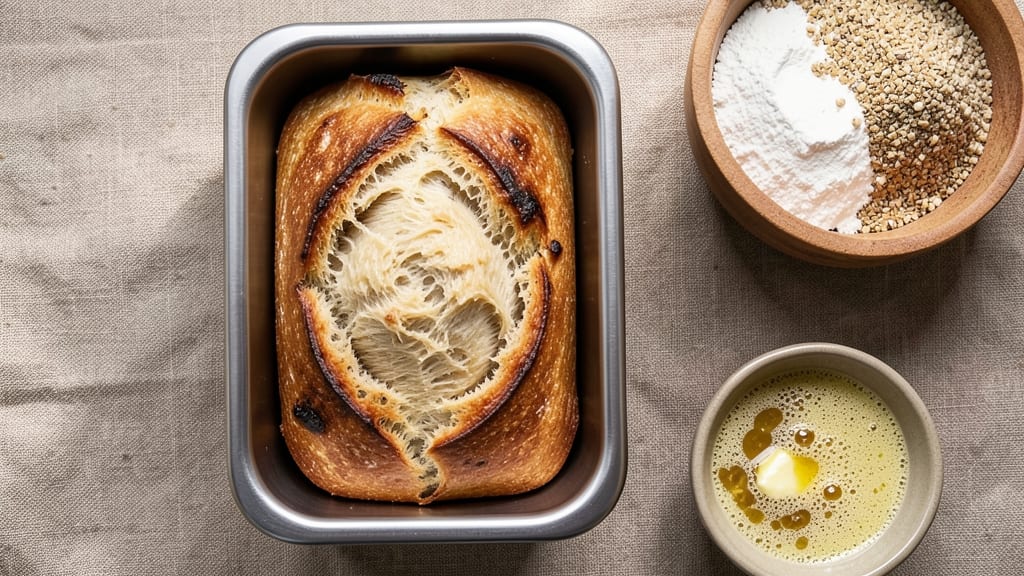
The 50/50 bread recipe for your bread maker delivers perfectly balanced texture and flavor with minimal effort—no kneading required. This recipe combines equal parts whole wheat and white flour for a nutritious yet tender loaf, while the bread maker handles all the hard work.
The result is a crusty exterior with a soft, airy interior, ready in just a few cycles.
What sets this recipe apart is its simplicity: just mix the ingredients, let the bread maker do its magic, and enjoy a homemade loaf that rivals artisanal bakery bread. The 50/50 flour blend ensures a lighter crumb than all-whole-wheat bread while still offering fiber and nutrients.
Whether you're a beginner or a seasoned baker, this method guarantees consistent, foolproof results every time.
Your bread maker will handle the kneading and rising automatically, leaving you with a golden-brown loaf that’s ideal for toast, sandwiches, or serving with soups. The no-knead approach saves time while still delivering that satisfying homemade aroma.
With just a few simple adjustments, you can control the crust’s crispness or the crumb’s softness to suit your preference.
Perfect for weeknight dinners, meal prep, or gifting, this recipe transforms basic ingredients into a bakery-quality loaf with minimal effort. Let’s get started—your bread maker is about to become your new favorite kitchen tool.
Ingredients for 50 50 bread recipe for bread maker
Your bread maker's new best friend—just mix, let it work, and enjoy artisanal results.
| Ingredient | Amount | Notes |
|---|---|---|
| All-Purpose Flour 🌾 | 2 cups | White flour for structure |
| Whole Wheat Flour 🌾 | 2 cups | For added fiber and nutrients |
| Active Dry Yeast 🍞 | 0.03 oz | Or 2 1/4 tsp (1 packet) |
| Granulated Sugar 🍚 | 0.06 oz | Or 1 tbsp for activation |
| Unsalted Butter 🧈 | ¼ cup | Softened, full-fat preferred |
| Warm Water 💧 | 1 ¼ cups | 110°F for yeast activation |
| Salt 🧂 | 1 tsp | Diamond Crystal preferred |
| Olive Oil 🫒 | 1 tbsp | For dough softness |
| Poppy Seeds 🌻 | 2 tsp | Or sesame seeds for swirl |
| Honey 🍯 | 1 tbsp | For crust browning |
| Cornmeal 🌽 | 1 tbsp | For dusting bread pan |
The flour blend is the heart of this recipe. King Arthur brand flour works best for consistent results, but any high-quality all-purpose and whole wheat blend will do. The yeast should be fresh—if it's past its expiration, toss it (old yeast won't activate properly). For the butter, Land O'Lakes unsalted is my go-to, but any full-fat butter works. The warm water is crucial—too hot kills the yeast, too cold makes it sluggish. I always test the water with my finger: it should feel like bath water, not scalding or chilly.
No poppy seeds? Sesame or sunflower seeds add a nice crunch and visual appeal. Running short on honey? Maple syrup or agave works in a pinch, though the flavor will differ slightly. The olive oil can be swapped for melted butter if you prefer, but it keeps the dough softer. If you're using a bread maker for the first time, check your manual for specific cup measurements—some machines use metric. The cornmeal is optional but helps create that beautiful crust. For extra flavor, add a pinch of cinnamon to the dough before the bread maker starts kneading.
Store your bread in a paper bag at room temperature for up to 3 days to maintain freshness. For longer storage, freeze slices wrapped in plastic for up to 3 months. The swirl design makes this perfect for gifting—wrap in cellophane with a ribbon for a bakery-style presentation. If your bread maker has a crust setting, use medium for a balance of crisp and soft. For extra shine, brush the crust with melted butter after baking.
Why You'll Love This Recipe
- No-Knead Magic: I swear by this bread maker trick—just toss in the flour mix (half all-purpose, half whole wheat), a pinch of yeast, and let the machine do the heavy lifting. No rolling, no shaping, no mess. My lazy Saturdays thank me.
- Buttery Whole Wheat Trick: Between us, whole wheat bread can taste like cardboard—but not this. The butter and sugar in the dough keep it tender, while the whole wheat adds just enough nuttiness. Honestly, my kids don’t even realize it’s not white bread.
- Meal Prep MVP: This bread freezes like a dream—slice it, wrap it, and toss it in the freezer. Toast straight from frozen? Yes, please. I make two loaves every Sunday so I’m never scrambling for sandwich bread midweek.
- Budget-Friendly Staple: All-purpose and whole wheat flour are cheap, yeast is a steal, and butter lasts forever. For under $5, I get two hearty loaves that feed my family for days. My wallet and my taste buds win.
Step-by-Step instructions for 50/50 bread maker magic
This no-knead, swirl-filled loaf comes together effortlessly in your bread maker.
Activate the Yeast for Perfect Rise
In a small bowl, combine the 1.25 cups warm water (about 110°F), 0.03 oz active dry yeast, and 0.06 oz granulated sugar. Let this sit for 5-7 minutes until frothy—this tells you your yeast is alive and ready to work. If it doesn't bubble, your yeast might be dead, and you'll need to start over.
While waiting, soften the 0.25 cup unsalted butter by leaving it at room temperature for 15-20 minutes. It should be pliable but not melted—this ensures it incorporates smoothly into the dough later. The butter adds richness that balances the whole wheat flour's earthiness.
Mix the Dough Components
In your bread maker's mixing bowl, combine the 2 cups all-purpose flour, 2 cups whole wheat flour, 1 tsp salt, and 2 tsp poppy seeds. Whisk these dry ingredients together to eliminate any lumps—this creates a uniform texture for your final loaf. The whole wheat flour adds fiber and nutrients while keeping the bread tender.
Add the yeast mixture, softened butter, 1 tbsp olive oil, and 1 tbsp honey to the dry ingredients. Stir with a wooden spoon until just combined—you'll see a shaggy dough form. Avoid overmixing here; you're not developing gluten like you would with kneading. The bread maker will handle the rest.
Create the Signature Swirl
Transfer the dough to a lightly floured surface and gently shape it into a 12-inch log. Roll it up like a jelly roll, then use your fingers to press down lightly along the length to flatten it slightly. This creates space for our filling.
Scoop out 2 tablespoons of dough from the center and set aside. In the hollow you've created, spread 1 tablespoon honey mixed with 1 teaspoon poppy seeds (save the remaining seeds for topping). Roll the dough back up tightly, then seal the edges by pinching them together. This creates that beautiful swirl pattern we love.
Prepare the Bread Maker
Lightly grease your bread maker's pan with 1 tablespoon olive oil (just enough to coat the bottom). Dust the bottom with 1 tablespoon cornmeal—this prevents sticking and gives the crust that classic bread maker texture. Place the dough seam-side down in the pan and cover it with the bread maker's lid.
Select your bread maker's basic white bread setting (medium crust). The machine will automatically mix, knead, and bake the dough. The whole process takes about 3-4 hours, but most of that time is hands-off. Here's where the magic happens—your bread maker does all the work while you sip coffee or prep sides.
Finish with Crispy Perfection
When the bread maker beeps to signal completion, remove the loaf immediately and transfer it to a wire rack. Let it cool for 15-20 minutes before slicing—this prevents a gummy interior. The crust should be golden brown with crackly edges, while the swirl pattern remains visible through the crust.
For extra flavor, brush the warm loaf with a mixture of 1 tablespoon honey and 1 teaspoon melted butter. This adds a subtle sweetness that complements the nutty whole wheat flavor. Store any leftovers in an airtight container for up to 3 days, or freeze slices for longer storage.
Pro Tips For Making 50 50 Bread Recipe For Bread Maker
- Weigh Your Flours: Mixing whole wheat and all-purpose flour by volume leads to inconsistent results—this isn’t just a guess. Use a kitchen scale for both flours (1:1 ratio) to guarantee the right balance of texture and rise. Whole wheat absorbs more moisture, so precise measurements keep your dough from turning gummy or dense.
- Bloom the Yeast First: Skip tossing yeast straight into the bread maker—it’s a slow death sentence. Instead, mix it with warm water (110°F) and a pinch of sugar in the bowl first, then let it sit for 5–10 minutes until frothy. This ensures your yeast is active before the dough even starts kneading, especially important when whole wheat’s density can dull its power.
- Butter Matters—Use Cold: Softened butter makes dough sticky and hard to handle, but melted butter kills the bread maker’s kneading rhythm. Cut the unsalted butter into small cubes and let them sit at room temp for just 10–15 minutes—soft enough to mix but still holding shape. This keeps the dough manageable and prevents a greasy mess in the machine.
- Check Dough Stickiness: Whole wheat dough clings like glue, but don’t overcompensate with extra flour—it’ll dry out your bread. Wet your hands and gently press the dough into the bread maker pan instead of dumping in dry flour. If it’s too sticky, add just 1 tablespoon of flour at a time while kneading; less is more with this combo.
Essential equipment for perfect results
Bread Maker Basics
Your bread maker is the star of this recipe, handling all the heavy lifting—kneading, rising, and baking. For this 50/50 bread, you’ll need a machine with at least a 2-pound capacity (most home models fit this).
I recommend Panasonic or KitchenAid models—they’re reliable and consistent. Always check your manual for specific cup measurements, as some brands use metric instead of imperial. 🌾
Essential Tools
A wooden spoon and lightly floured surface are your best friends for shaping the dough. I use a 12-inch rolling pin to flatten the log before creating the swirl, but a clean wine bottle works in a pinch.
For measuring, a digital kitchen scale ensures precision, especially with the 2 cups each of all-purpose and whole wheat flour. If your bread maker lacks a crust setting, a pizza stone in the oven can help achieve a crispier crust.
Yeast Activation Kit
Your yeast is the secret to a perfect rise, so test it first! Mix 0.03 oz active dry yeast with 1.25 cups warm water (110°F) and 0.06 oz sugar in a small bowl. It should become frothy in 5-7 minutes.
If it doesn’t bubble, your yeast is dead—replace it immediately. I keep a thermometer handy to check water temps, as yeast dies above 120°F. A small whisk helps dissolve the sugar quickly.
Dough Prep Tools
For the swirl, grab 2 tablespoons of dough (use a cookie scoop for precision) and set aside. Mix the filling with 1 tbsp honey and 1 tsp poppy seeds in a tiny bowl—I like a ramekin for easy spreading.
A pastry brush comes in handy for greasing the bread pan with olive oil and dusting with cornmeal. Avoid nonstick spray; it can leave a chemical taste.
Crust Perfection Aids
After baking, brush the warm loaf with melted butter and honey using a pastry brush for extra shine. For a crispier crust, bake the bread on a preheated baking sheet in the oven for the last 5 minutes at 375°F.
A wire cooling rack prevents soggy bottoms—never place hot bread on a cold surface. Store leftovers in a paper bag to keep them fresh longer.
Optional Upgrades
Add a bread proofing basket if your maker lacks one—it helps shape the dough better. For extra flavor, sprinkle everything bagel seasoning or garlic powder on top before baking.
A digital timer ensures you don’t miss the 3-4 hour cycle. If your machine has a delay start, set it for morning baking—wake up to fresh bread! 💫
Nutrition facts
Frequently asked questions
Why does this recipe use equal parts whole wheat and white flour?
The 50/50 blend balances nutrition and texture perfectly. Whole wheat adds fiber and nutrients while keeping the bread tender—unlike all-whole-wheat loaves that can turn dense. The white flour maintains a light crumb and crispy crust, making it ideal for sandwiches or toast.
Can I make this recipe without a bread maker?
Yes! Follow the same steps for mixing and shaping, then let the dough rise for 1-2 hours before baking in a 350°F oven for 30-35 minutes. Use a Dutch oven for a crispier crust. The swirl technique works the same way—just shape it before the first rise.
What if my bread maker doesn't have a swirl setting?
No problem! Shape the dough into a log, create the swirl by hand (as described in Step 3), then place it in the bread pan. The bread maker will still knead and bake it perfectly. For extra security, use the dough cycle first, then transfer to the pan for baking.
How do I fix a dense or gummy loaf?
Dense bread usually means overmixing or cold yeast. For next time, mix ingredients just until combined and ensure your yeast activates properly (frothy in 5-7 minutes). If it's already baked, try toasting slices—heat helps firm up the crumb. For future batches, reduce whole wheat flour by 1/4 cup if you prefer a lighter texture.
Can I substitute any ingredients?
Swap whole wheat flour for spelt or rye (same ratio) for different flavors. Use maple syrup instead of honey, or sunflower seeds for the swirl. For dairy-free, replace butter with coconut oil (melted). Always keep the total liquid volume equal to maintain dough consistency.