Side Dishes
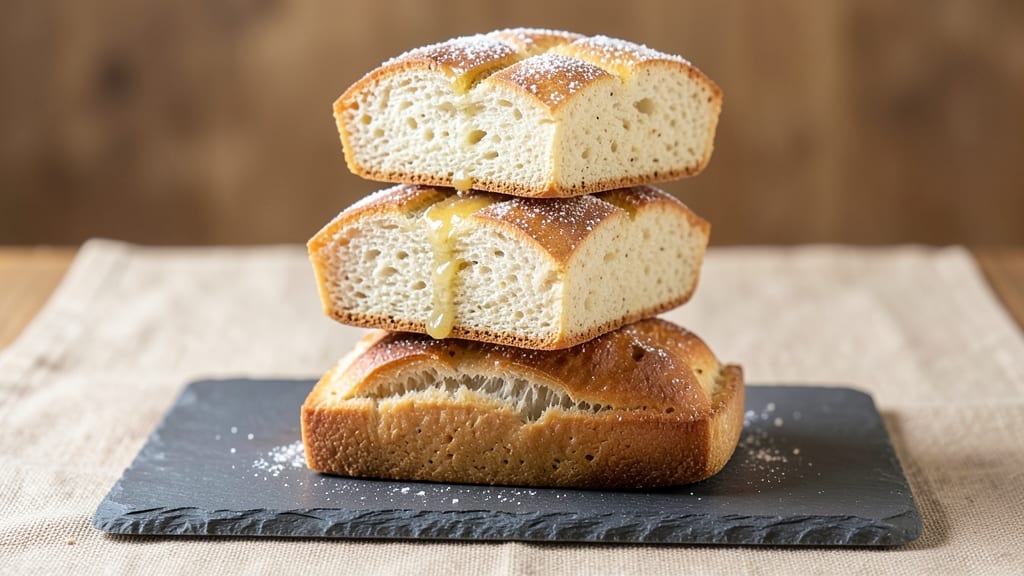
This AIP sandwich bread recipe delivers the perfect gluten-free, grain-free loaf that holds up to any AIP-friendly sandwich without crumbling or compromising texture. The secret lies in a blend of almond flour and psyllium husk, which mimics the structure of traditional bread while staying strictly compliant with the Autoimmune Protocol.
I developed this recipe after years of searching for a sandwich bread that could handle avocado, sprouted greens, and other compliant fillings without falling apart.
What sets this loaf apart is its foolproof method—no special equipment needed beyond a standard loaf pan. The recipe combines almond flour for nutty depth with coconut oil for moisture, while psyllium husk acts as the natural binder that creates that satisfying bread-like crumb.
Baking time is just 45 minutes, and the result is a loaf with a crisp exterior and tender, slightly chewy interior that's perfect for slicing.
The beauty of this AIP sandwich bread is its versatility. Use it as a base for AIP-compliant sandwiches with compliant fillings like avocado, sprouted greens, or thinly sliced compliant meats. The bread stays fresh for days when stored properly, making it ideal for meal prep.
Unlike many grain-free breads that dry out quickly, this recipe maintains moisture and structure, ensuring every slice holds up perfectly.
For those new to AIP baking, don't worry—this recipe is designed to be beginner-friendly. The ingredients are simple, the instructions are clear, and the results are consistently reliable.
Whether you're following the protocol for health reasons or simply love grain-free baking, this loaf delivers the satisfaction of homemade bread without the compromises. Let's get started!
Ingredients for aip sandwich bread
Eight simple ingredients transform into a sturdy, compliant loaf perfect for AIP sandwiches.
| Ingredient | Amount | Notes |
|---|---|---|
| Almond Flour 🌰 | 2 ½ cups | Finely ground for optimal texture |
| Psyllium Husk Powder 🌾 | ¼ cup | Key for binding and structure |
| Coconut Oil (Melted) 🥥 | ½ cup | Unrefined for best flavor |
| Tapioca Starch 🌾 | ¼ cup | Enhances moisture retention |
| Tapioca Flour 🌾 | ¼ cup | For elasticity and chewiness |
| Apple Cider Vinegar 🍎 | 1 tbsp | Activates psyllium husk |
| Water (Warm) 💧 | 1 cup | Room temperature preferred |
| Sea Salt 🧂 | ½ tsp | Fine grain for even distribution |
| Baking Soda 🧪 | ½ tsp | Ensures proper rise |
| Sunflower Lectin-Free Flour 🌻 | ½ cup | Compliant alternative to wheat |
The almond flour is the foundation of this loaf—choose finely ground for the best texture, and avoid pre-milled almond meal which can be too coarse. Sunflower lecithin-free flour from Bob's Red Mill or Anthony's Goods ensures compliance without compromising structure. Psyllium husk powder is non-negotiable; NOW Foods brand is reliable and easy to find. If you can't locate psyllium husk powder, psyllium husk whole can be ground in a coffee grinder for a fresh batch. The coconut oil should be unrefined and melted—refined versions lack the rich flavor and proper moisture retention. For those concerned about coconut's AIP compliance, avocado oil works as a direct substitute, though it may slightly alter the texture.
Tapioca starch and flour are critical for achieving that bread-like chewiness—Bob's Red Mill or Arrowhead Mills brands are consistently reliable. If you're out of tapioca starch, arrowroot powder works in a pinch, though the texture may be slightly less sturdy. The apple cider vinegar activates the psyllium husk, so Bragg Organic or Maatva brands are ideal for their purity. For water, filtered or spring water is best to avoid any metallic taste. The baking soda must be fresh—old baking soda loses its potency, making the loaf dense rather than light. If you're concerned about sodium, reduce the sea salt slightly, but don't skip it entirely as it balances the flavors.
This loaf stays fresh for up to 5 days when stored in an airtight container at room temperature, or for up to 2 weeks in the refrigerator wrapped tightly in parchment paper. For longer storage, freeze slices individually—they'll last for up to 3 months without drying out. To reheat, wrap slices in a damp paper towel and microwave for 10-15 seconds to restore freshness. The bread is best sliced just before serving to maintain its crisp exterior and tender interior. For meal prep, slice the entire loaf and store in a sealed container—it reheats beautifully and holds up perfectly for AIP-friendly sandwiches with compliant fillings like avocado or sprouted greens.
Why You'll Love This Recipe
- No-Fuss Mix-In: The dough comes together in five minutes—just fold the psyllium husk into almond flour, add melted coconut oil, and stir. No kneading, no waiting, no stress. That psyllium husk is the secret: it binds everything so tightly, you’ll forget you’re not using gluten.
- Nutty Crunch Magic: The almond flour gives it a warm, toasty depth that’s way more interesting than plain white bread. Toast a slice, and that crispy edge? It’s like biting into a thin, buttery cracker—except it’s packed with flavor and zero guilt.
- Meal Prep MVP: Slice it fresh, store it in the fridge for up to a week, or freeze slices for quick toast. I make a batch on Sundays, and by Wednesday, I’m pulling out perfect, soft sandwich bread without any last-minute baking. (Yes, even on a Tuesday night.)
- Budget-Friendly Staple: Almond flour and psyllium husk might sound fancy, but they stretch so far—this recipe feeds my family for days. Plus, the tapioca starch keeps it light and airy without breaking the bank. Honestly, it’s the kind of bread that makes you feel fancy while keeping your wallet happy.
Step-by-step instructions for AIP sandwich bread
This gluten-free, grain-free loaf delivers professional bakery texture using precise technique and compliant ingredients.
Activate the Psyllium Husk Powder
In a medium bowl, whisk together the 0.25 cup psyllium husk powder, 1 tbsp apple cider vinegar, and 1 cup warm water. Let the mixture sit for 5 minutes—you'll see it transform from a powdery blend to a thick, gel-like consistency. This activation is critical for binding the bread structure without gluten. The psyllium should resemble a thick pudding with no visible dry spots remaining.
I like to use a rubber spatula to scrape down the sides of the bowl during this time, ensuring complete hydration. If you notice any dry areas after 5 minutes, add 1-2 teaspoons of warm water and stir until fully incorporated. The activated psyllium will be the foundation of your bread's chewy texture and structural integrity.
Combine Wet and Dry Ingredients
In a separate large mixing bowl, combine the 2.5 cups almond flour, 0.5 cup sunflower lectin-free flour, 0.25 cup tapioca starch, 0.25 cup tapioca flour, 0.5 tsp sea salt, and 0.5 tsp baking soda. Whisk these dry ingredients together until evenly distributed—you should see no visible flour streaks remaining. The tapioca components will work together to create that signature sandwich bread chewiness while maintaining moisture.
Create a well in the center of the dry mixture and pour in the 0.5 cup melted coconut oil. Using a silicone spatula, gently fold the oil into the dry ingredients until just combined. Then add the activated psyllium mixture in one go, folding it in with the spatula until everything comes together into a thick, shaggy dough. Avoid overmixing at this stage—just until all ingredients are incorporated and the dough forms a cohesive mass.
Prepare the Dough for Baking
Line a standard 9x5-inch loaf pan with parchment paper, leaving an overhang on both sides for easy removal. Transfer the dough to the prepared pan and spread it evenly using the spatula, pressing down gently to eliminate any air pockets. The dough should come up to about 1 inch below the top edge of the pan. Smooth the top with the spatula and create a slight dimple in the center with your finger.
Cover the pan tightly with plastic wrap and let the dough rest at room temperature for 15 minutes. This short rest period allows the psyllium to fully hydrate and the dough to relax slightly, preventing potential cracking during baking. The dough will look dense but should hold its shape when gently pressed with your finger.
Bake to Golden Perfection
Preheat your oven to 350°F and place a small baking sheet on the lower rack to catch any potential drips. Bake the covered loaf for 45 minutes. After this initial baking time, remove the plastic wrap and continue baking uncovered for an additional 20-25 minutes until the top is golden brown and a toothpick inserted into the center comes out clean.
Here's where attention to detail matters most: The bread should develop a beautiful golden crust with a slightly crisp exterior while maintaining a soft, moist interior. If the top browns too quickly, tent loosely with aluminum foil during the final 10 minutes of baking. The internal temperature should reach 205-210°F when fully baked—this ensures complete moisture evaporation and proper texture development.
Cool and Slice for Maximum Freshness
Remove the loaf from the oven and transfer it to a wire cooling rack. Let it cool completely in the pan for 10 minutes, then carefully remove the parchment paper and transfer to the rack to cool for an additional 45-60 minutes. This gradual cooling prevents condensation from forming inside the bread, which could make it gummy.
Once fully cooled, slice the loaf into 8 even sandwich-sized pieces using a sharp serrated knife. Each slice should have a clean cut with minimal crumbling at the edges. Store any unused portions in an airtight container at room temperature for up to 3 days or freeze for longer storage. The bread will maintain its moisture and texture remarkably well, making it perfect for your AIP sandwiches.
Pro Tips For Making Aip Sandwich Bread
- Mix the Psyllium Last: The psyllium husk powder is your bread’s glue—add it to the dry ingredients after mixing everything else, then stir it in fast. I used to blend it in too early, and it’d clump like cement, no matter how much I whisked. A quick 10-second pulse with a fork right before adding wet ingredients saves you from gummy, dense loaves.
- Weigh Your Almond Flour: Scooping almond flour by volume is a disaster—it packs differently every time. Use a kitchen scale for precision; 1 cup of almond flour actually weighs between 100–110 grams depending on how it’s packed. Trust me, your bread’s texture will be consistent and light, not brick-like.
- Steam the Loaves: Line your baking pan with parchment, then add a thin layer of water to the bottom before placing the dough in. The steam keeps the crust from drying out too fast, especially in hot ovens. I learned this after my first batch turned out like a cracker—now they’re soft, pillowy, and sliceable.
- Chill the Dough: Let the dough rest in the fridge for at least 30 minutes before baking—yes, even if you’re eager. Cold dough rises more evenly and bakes up taller, not flat. I skipped this once and ended up with pancake-thin bread. Patience here makes all the difference.
Flavor customization for this dish
Savory Herb Infusion
For a garden-fresh twist, stir in 1 tbsp dried rosemary or 1 tbsp dried thyme directly into the dry ingredients before mixing. Fresh herbs like 2 tbsp finely chopped cilantro or 1 tbsp chopped basil work beautifully too—just fold them in after the dough comes together.
I love adding 1 tsp garlic powder for an extra savory kick that pairs perfectly with AIP-friendly pesto or avocado. 🌿
Sweet Cinnamon Swirl
Add a touch of warmth by mixing 1 tbsp cinnamon into the dry ingredients, then swirl 2 tbsp almond butter into the dough before baking. The cinnamon enhances the nutty almond flavor while the almond butter adds richness.
For a subtle sweetness, sprinkle 1 tbsp maple syrup over the dough before the final bake. This variation works wonderfully with AIP-friendly jam or nut butter sandwiches. 🍯
Spicy Jalapeño Kick
For heat lovers, finely dice 1 jalapeño pepper (seeds removed for mild heat) and fold it into the dough along with ½ tsp smoked paprika. The jalapeño adds a bright, tangy flavor that cuts through the richness of the bread.
I recommend pairing this version with compliant smoked salmon or avocado slices for a bold sandwich. 🌶️
Seed & Nut Boost
Enhance texture and nutrition by adding ¼ cup chopped walnuts or ¼ cup sunflower seeds to the dough after mixing. These add crunch and extra healthy fats while keeping the bread AIP-compliant.
For extra richness, fold in 2 tbsp melted coconut oil after the initial mix. This variation works especially well with AIP-friendly hummus or roasted veggie sandwiches. 🌰
Garlic & Onion Depth
Add a savory depth by sautéing 2 tbsp finely minced onion and 1 tbsp minced garlic in 1 tbsp coconut oil until soft, then folding them into the dough.
This aromatic base elevates the bread's flavor profile without compromising compliance. I find this version pairs exceptionally well with AIP-friendly deli meats or roasted chicken. 🧄
Nutrition facts
Frequently asked questions about AIP sandwich bread
Can I substitute almond flour in this AIP bread recipe?
Yes, you can replace almond flour with sunflower seed flour or coconut flour in a 1:1 ratio, but expect texture differences. Sunflower flour works best as it mimics almond's structure, while coconut flour requires 10-12 tablespoons of extra liquid per cup to prevent dryness. For optimal results, stick with almond flour or blend equal parts almond and sunflower flour.
Why does my AIP bread come out dense instead of light? Dense bread usually results from overmixing or insufficient psyllium activation.
How do I make this bread last longer without drying out?
Store slices in an airtight container with a slice of apple or lemon to absorb moisture. For longer storage, freeze individual slices wrapped in parchment paper. To revive, microwave for 10-15 seconds with a damp paper towel. The bread stays fresh for 5 days at room temperature or 2 weeks refrigerated.
Can I make this bread without a loaf pan?
Yes! Shape the dough into a round loaf on a parchment-lined baking sheet and bake for 35-40 minutes at 350°F. For a free-form shape, press the dough into a 1-inch thick round on a baking sheet and bake until golden. The texture will be slightly denser but still perfect for open-faced sandwiches or toast.
What are the best AIP-friendly fillings for this sandwich bread?
Try avocado with sea salt, compliant deli meats like turkey or chicken, or AIP-friendly pesto with fresh greens. For a hearty option, layer with roasted veggies and compliant hummus. The bread's sturdy structure holds up beautifully to moist fillings like smashed banana or nut butter spreads.