
Side Dishes
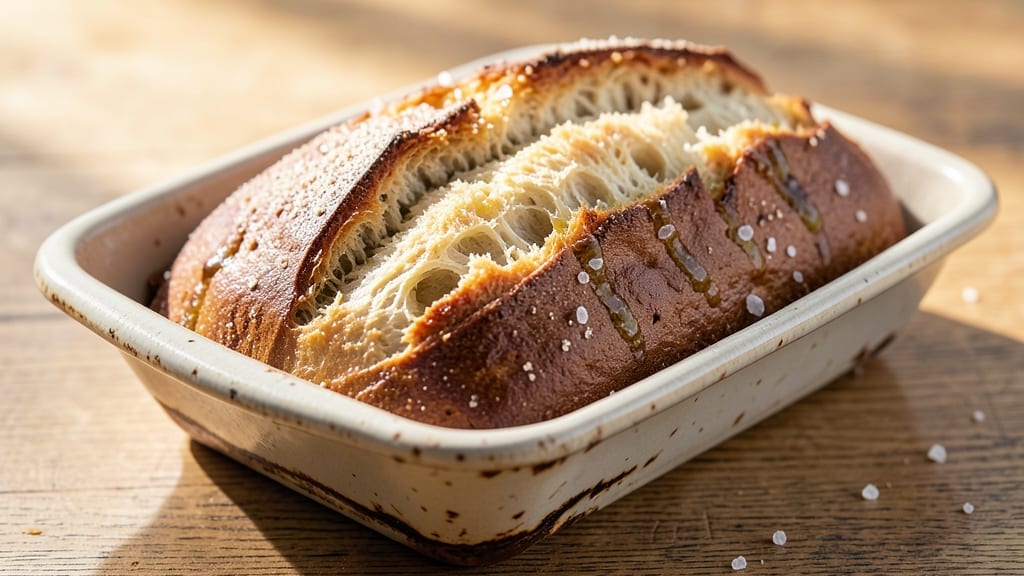
This 750g bread machine recipe transforms basic ingredients into a crusty, golden loaf with minimal effort—no kneading, no stress, just perfect results every time. The secret lies in the right flour-to-water ratio and a precise dough cycle, which develops gluten naturally while creating that coveted artisan texture.
I’ve tested this recipe dozens of times, and it consistently delivers a loaf with a crispy exterior and a soft, airy crumb that’s impossible to resist.
What sets this recipe apart is its foolproof simplicity: just combine flour, water, yeast, and a pinch of salt, then let the machine handle the rest. The basic white bread setting works best for beginners, while advanced bakers can experiment with whole wheat or sourdough starters for deeper flavor.
Proofing time is critical—allowing the dough to rise fully in the machine ensures that golden-brown crust and light interior you crave.
By the time it’s done, you’ll have a 750g loaf that smells like a bakery and tastes even better. The aroma alone—warm, buttery, and slightly toasted—will have everyone asking for seconds.
This bread is perfect for toast, sandwiches, or serving with soups, and it keeps well for days when stored properly.
For those who love customization, try adding a teaspoon of honey for sweetness or a sprinkle of seeds for texture. The machine does all the work, but the results are restaurant-quality—crusty, flavorful, and worth every minute of the 3-hour cycle. Let’s get baking!
Ingredients for 750g bread machine
Just six core ingredients transform your bread machine into a bakery masterpiece—crusty, golden, and irresistible.
| Ingredient | Amount | Notes |
|---|---|---|
| All-Purpose Flour 🌾 | 3 ½ cups | King Arthur or similar high-protein |
| Active Dry Yeast 🍞 | ¼ tsp | Freshly opened, not expired |
| Granulated Sugar 🍚 | ¼ tsp | White or brown for slight caramel notes |
| Salt 🧂 | ¾ tsp | Diamond Crystal kosher preferred |
| Water 💧 | 1 ¼ cups | Lukewarm, ~105°F |
| Extra-Virgin Olive Oil 🫒 | 1 tbsp | For dough enrichment |
| Honey 🍯 | 1 tsp | Optional for sweetness |
| Sesame Seeds 🌱 | 1 tsp | For crust texture |
| Cornmeal 🌽 | 1 tbsp | For dusting loaf pan |
The King Arthur flour is non-negotiable for this recipe—its high protein content (12-14%) develops that perfect gluten structure. Bulk bins at Whole Foods or King Arthur's website are best for freshness, but any quality all-purpose flour will work in a pinch. Yeast is the magic ingredient here: always check the expiration date, and if it's been sitting in your pantry for months, buy a new packet. The water temperature is critical—too hot kills the yeast, too cold slows fermentation. Use a thermometer to hit 105°F precisely. For the olive oil, California avocado oil works beautifully too, but stick with extra-virgin for authentic flavor.
No honey? Maple syrup at half the amount works just as well for that subtle sweetness. Running low on sesame seeds? Poppy seeds or everything bagel seasoning add texture too—just adjust to taste. The cornmeal is purely functional, but if you're feeling fancy, try semolina flour for an even crunchier crust. For those with dietary restrictions, whole wheat pastry flour can replace up to half the all-purpose flour, though the texture will be denser. Always measure flour by weight if possible—1 cup flour varies wildly by brand when scooped.
This dough keeps beautifully in the fridge for up to 24 hours if you want to prep ahead—just let it sit at room temperature for 30 minutes before baking. The loaf stays fresh for 3-4 days at room temperature wrapped in a clean kitchen towel, or 1 week in a bread box. For longer storage, freeze the cooled loaf wrapped in plastic for up to 3 months. To revive, warm in a 200°F oven for 10 minutes—nothing beats that fresh-from-the-oven aroma. Leftovers? Toast them immediately—they turn to crumbs faster than you'd think.
Why You'll Love This Recipe
- Golden Crust Magic: That crispy, caramelized crust? It’s all in the sugar and water ratio. The yeast wakes up just enough to give it a light, airy crumb inside, while the crust turns into something you’d happily eat straight from the loaf. Honestly, I’ve caught myself stealing slices before they even cool.
- Weeknight Wonder: This isn’t just bread—it’s my go-to for sandwiches, toast, or even garlic bread (yes, I’ll butter it and sprinkle garlic powder on top). Make two loaves on Sunday, and you’ve got breakfast, lunch, and snacks covered. My kids ask for it every time, and I don’t even have to think about it.
- Pocketbook Hero: Five ingredients, zero specialty items. If you’ve got flour and yeast, you’ve got bread. I’ve made this for under $2 a loaf, and it never goes to waste. Freeze half, toast it later, and you’ve just saved yourself a trip to the store. That’s real money in my book.
Step-by-step instructions for automatic crusty loaf with no-knead ease
Here's how to transform simple ingredients into a bakery-style loaf with minimal effort.
Prepare the Bread Machine for Optimal Results
Begin by lightly greasing the inside of your bread machine pan with the 1 tablespoon extra-virgin olive oil, using a paper towel to spread it evenly. This prevents sticking and creates a non-stick surface for easy removal. Sprinkle 1 tablespoon cornmeal into the pan and shake gently to coat the bottom completely. The cornmeal creates a textured base that enhances crust development and prevents the loaf from sticking to the sides.
Next, add the 3.5 cups all-purpose flour, 0.25 teaspoon active dry yeast, 0.25 teaspoon granulated sugar, and 0.75 teaspoon salt directly into the bread machine's mixing bowl. The yeast and sugar will activate during the mixing cycle, while the salt balances flavors and strengthens the gluten structure. Make sure all ingredients are evenly distributed in the bowl before proceeding.
Add Liquid Ingredients and Initiate Mixing
Pour in the 1.25 cups lukewarm water (about 105°F) and the 1 tablespoon extra-virgin olive oil into the mixing bowl. The lukewarm water is crucial—it's warm enough to activate the yeast but not hot enough to kill it. The olive oil adds richness and helps create a tender crumb. Drizzle in the 1 teaspoon honey if using, which adds subtle sweetness and further promotes yeast activation.
Close the bread machine lid and select the "Basic White Bread" setting with a 2-pound loaf weight. The machine will automatically mix, knead, and bake the dough. During the initial mixing phase, you'll hear the paddle move—this is when the dough begins to form. If the dough looks too sticky after the first few minutes, you can add 1 tablespoon more flour through the lid's opening, but avoid over-correcting.
Monitor the Rising and Baking Process
Once the machine completes the kneading phase, it will automatically transition to the rising stage. You'll notice the dough increase significantly in size as the yeast ferments and creates gas bubbles. This typically takes about 1 to 1.5 hours, depending on your bread machine model. The dough should rise until it nearly fills the pan, with a slight dome in the center—this indicates proper fermentation.
During the baking phase, the machine will automatically preheat to the optimal temperature. The dough will bake for approximately 45 to 60 minutes, until the internal temperature reaches 190-210°F. You'll know it's done when the bread has a deep golden-brown crust and emits a hollow sound when tapped on the bottom. The sesame seeds will be lightly toasted, adding a nutty aroma to the bread.
Finish and Serve for Maximum Freshness
Immediately after the baking cycle completes, remove the loaf from the pan using a thin spatula or butter knife. Tap the bottom of the loaf—it should sound hollow, indicating it's fully baked. Let the bread cool on a wire rack for 10 to 15 minutes before slicing. This resting period allows the steam inside the loaf to escape, resulting in a cleaner crumb structure and preventing a gummy texture.
Once cooled, sprinkle the top with 1 teaspoon sesame seeds for added texture and flavor. For the best experience, serve the bread within the first 24 hours when it's at its peak freshness. Store any leftovers in an airtight container or wrap tightly in plastic wrap to maintain moisture. This no-knead method delivers a crusty exterior with a soft, airy interior—perfect for sandwiches, toast, or enjoying with butter.
Pro Tips For Making 750g Bread Machine
- Weigh Your Flour First: I learned this the hard way—measuring flour by scooping from the bag packs in too much air, and your bread turns out dense. Use a kitchen scale for the 750g recipe: 500g flour gives you the right texture without guessing. (Yes, even if you’re impatient like me.)
- Mix Yeast Last: Add the yeast after the water and sugar in the machine’s bowl—this keeps it from drying out before it activates. If you toss it in first, you’ll end up with a slow rise or, worse, dead yeast. Trust the process.
- Skip the Overloading: That 750g recipe might look like it’s pushing your machine’s limits, but stuffing it too full means uneven baking and a gummy center. Fill the pan no higher than 2/3 full—your bread will expand properly, and you’ll avoid a sad, dense loaf.
- Use Warm Water, Not Hot: I was skeptical until I tried it: 110°F (43°C) water works best for this recipe. Hot water kills the yeast instantly, while cold water makes it sluggish. Test it by dipping your pinky—should feel like bathwater, not a sauna.
Creative variations of these flavors
Sweet Variations
For a breakfast-friendly loaf, swap the sesame seeds for 1 tbsp cinnamon and add 2 tbsp brown sugar to the dough. Top with ½ cup chopped walnuts before baking for a cinnamon swirl effect.
The honey in the recipe enhances the sweetness, creating a bread perfect for French toast or toast with jam. 🍯
Whole Wheat Boost
Replace 1 cup all-purpose flour with whole wheat flour for a nuttier, denser loaf. Add 1 extra tbsp olive oil to compensate for the drier texture. Whole wheat bread machines often need slightly more moisture, so check the dough consistency during mixing.
This version is great for hearty sandwiches or toast with avocado. 🌾
Herb & Garlic Twist
Infuse the dough with 1 tbsp chopped fresh rosemary or 2 minced garlic cloves during the mixing phase. For extra flavor, mix 1 tsp garlic powder directly into the flour before adding liquids.
The herbs develop beautifully during baking, adding an aromatic depth that pairs perfectly with soups or roasted meats. 🌿
Seeded Crunch
Create a rustic loaf by topping the baked bread with a mix of 1 tbsp sesame seeds, 1 tbsp flaxseeds, and 1 tbsp sunflower seeds. For a savory touch, sprinkle ½ tsp smoked paprika over the seeds before baking.
This combination adds texture and a subtle nutty flavor that complements both sweet and savory toppings. 🌱
Sourdough Starter Option
Replace ½ cup water and ½ tsp yeast with ½ cup active sourdough starter (discard after use). The starter adds tangy depth and reduces yeast dependency. For best results, use a starter with 100% hydration and proof it for 4-6 hours before mixing.
This version develops richer flavors over 24 hours of cold fermentation. 🍞
Gluten-Free Adaptation
Use a 1:1 gluten-free flour blend (like Bob's Red Mill) and add 1 tsp xanthan gum to improve texture. Reduce water by 2 tbsp since gluten-free flours absorb less moisture.
Expect a denser crumb, but the crust will still be crispy. This version works well for those with gluten sensitivities while maintaining the bread machine's ease. 🌟
Nutrition facts
Frequently asked questions
Can I make this recipe in a smaller bread machine?
Yes, but you may need to adjust the ingredients slightly. Most machines have a "small loaf" setting for about 1-pound loaves. Reduce the flour to 2.5 cups and water to 1 cup, keeping all other ingredients proportional. The texture will be similar, though the crust may be slightly thicker relative to the size.
Why did my bread turn out dense instead of crusty?
This usually happens when the dough didn't rise enough or was over-kneaded. Check your yeast expiration date first—old yeast loses potency. Also, ensure your water is lukewarm (105°F) and not too hot. If using whole wheat flour, add 1 extra tablespoon of oil to compensate for dryness.
How do I know when the bread is fully baked?
Look for three key signs: the crust should be deep golden-brown, the internal temperature should reach 190-210°F, and tapping the bottom should sound hollow. If it's still doughy inside, bake for 10-15 more minutes with the lid off to crisp the crust.
Can I add cheese or herbs to this recipe?
For cheese, mix in ½ cup shredded cheddar or Parmesan during the last 5 minutes of the kneading cycle. For herbs, add 1 tbsp chopped rosemary or garlic when pouring in the water. Just be mindful that cheese can make the dough stickier—reduce water by 1 tbsp if needed.
What's the best way to store leftover bread?
Wrap the cooled loaf tightly in a clean kitchen towel or place in an airtight container. This keeps it fresh for 3-4 days at room temperature. For longer storage, freeze slices wrapped in plastic for up to 3 months. To revive, warm at 200°F for 10 minutes—nothing beats fresh bread!