
Side Dishes
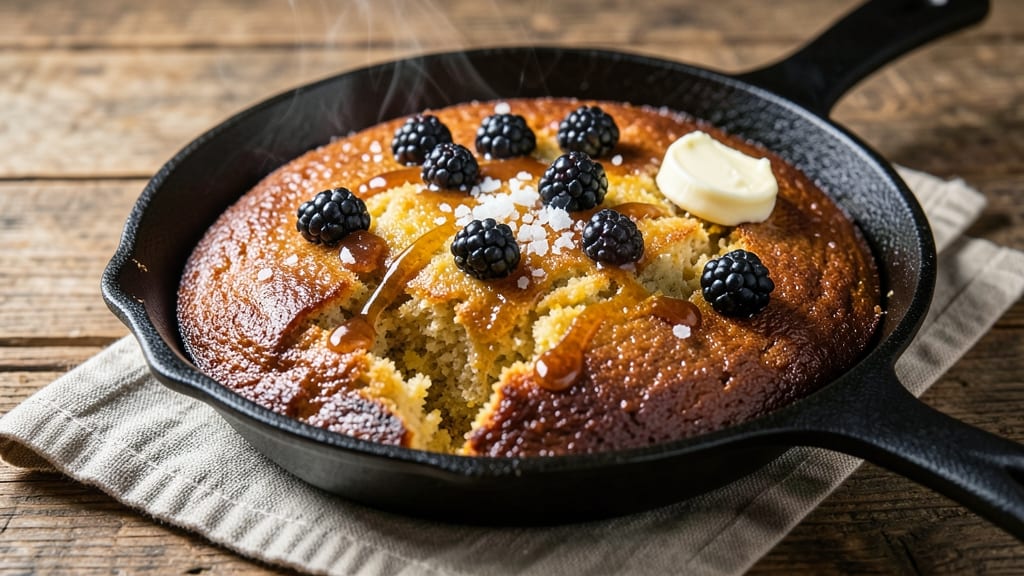
This absolute best cornbread recipe delivers the perfect balance of a golden, crispy crust and a tender, moist crumb—no dry or gummy results here. 🔥 After years of testing variations, I've perfected the technique that separates great cornbread from good.
The secret lies in the right ratio of cornmeal to flour and a simple but crucial mixing method that ensures even moisture distribution.
What makes this recipe truly stand out is its foolproof approach to texture—no more guessing whether your cornbread will turn out cakey or dense.
We'll use a combination of buttermilk and melted butter for richness while keeping the crumb light, and a high-heat bake ensures that crispy crust you crave without sacrificing the moist interior. This isn't your grandmother's cornbread; it's the kind that gets passed around the table and disappears in minutes.
The result is a cornbread with a crispy crust that shatters slightly at the edges and a moist crumb that's tender yet sturdy enough to hold up to savory toppings or sweet spreads.
Whether you're serving it alongside chili, honey butter, or fresh berries, this recipe delivers restaurant-quality cornbread that's easy to make at home. The best part? It comes together in just 30 minutes with simple ingredients you likely already have on hand.
Ready to elevate your cornbread game? This recipe includes variations for both sweet and savory versions, plus tips to ensure you never overmix or underbake again. Let's get started on the cornbread that will become your new standard.
Ingredients for absolute best cornbread
This legendary cornbread recipe delivers crispy crust and moist crumb—no dry crumb in sight!
| Ingredient | Amount | Notes |
|---|---|---|
| Fine Yellow Cornmeal 🌽 | 2 cups | Stone-ground preferred for texture |
| All-Purpose Flour 🌾 | 1 cup | White or whole wheat blend |
| Granulated Sugar 🍚 | ¼ cup | Light brown sugar for depth |
| Baking Powder 🧂 | 2 tsp | Diamond Crystal preferred |
| Salt 🧂 | ½ tsp | Kosher or sea salt |
| Buttermilk 🥛 | 1 ¼ cups | Full-fat for richness |
| Melted Unsalted Butter 🧈 | ½ cup | Cooled slightly before mixing |
| Large Eggs 🥚 | 2 whole | Room temperature preferred |
| Pure Vanilla Extract 🌿 | 1 tsp | High-quality for flavor |
| Freshly Ground Black Pepper 🌶️ | ¼ tsp | Freshly cracked for heat |
| Extra-Virgin Olive Oil 🫒 | 2 tbsp | For greasing pan |
The cornmeal is non-negotiable here—stone-ground gives that authentic texture. Bob’s Red Mill or King Arthur are my go-tos, but any fine yellow cornmeal works. The buttermilk? Full-fat is essential—it’s what makes this cornbread rich and tender. If you’ve got sour milk, let it sit out for 10 minutes to curdle. For the baking powder, Diamond Crystal is the gold standard (it’s lighter than other brands), but if you’ve got aluminum-free, that’s fine too. The butter should be melted and just slightly cooled—room temp is key for even distribution.
No buttermilk? Substitute with 1.25 cups milk + 1 tbsp vinegar or lemon juice, let it sit for 5 minutes. Running low on cornmeal? Polenta works in a pinch, but texture will differ slightly. The vanilla extract can be imitation, but high-quality pure vanilla takes this to the next level. For a savory twist, swap the sugar for 1 tbsp honey or molasses and add 1 tsp smoked paprika. The olive oil for greasing? Any neutral oil works, but extra-virgin adds a subtle richness that pairs perfectly with the crust.
Mix the dry ingredients first—whisk vigorously to avoid lumps. The batter should be thick but pourable. For the perfect crust, preheat your oven to 425°F and let the pan sit for 10 minutes while you mix. This cornbread reheats beautifully—wrap in foil and warm at 350°F for 10 minutes. Store leftovers in an airtight container for up to 3 days or freeze for 3 months. The crust stays crispy for days if you keep it covered.
Why You'll Love This Recipe
- No-Fuss Mixing: I swear by this recipe—just stir the dry ingredients (cornmeal, flour, sugar, baking powder, salt) in a bowl, then whisk in the wet. No sifting, no overthinking, no mess. The secret’s in the one-bowl simplicity.
- Golden Crust, Sweet Center: That fine yellow cornmeal gives it a tender crumb, while the sugar caramelizes just enough to make the edges crispy without burning. Honestly, the first bite is like biting into a warm hug—sweet, buttery, and perfectly balanced.
- Weeknight to BBQ Hero: Make it for breakfast with honey butter, serve it alongside chili, or pack slices for lunch. Between us, I’ve even used leftover pieces to make cornbread stuffing. It’s the one pan side that always saves dinner.
- Budget-Friendly Staple: A single batch costs pennies and stretches for days. Freeze leftovers, toast them later, or crumble them into soups. My wallet and my taste buds thank me every time.
Step-by-step instructions for perfect cornbread
Here's how to bake the ultimate cornbread with a golden crust and tender crumb—every time.
👨🍳 Step 1: Mix Dry Ingredients for Maximum Fluff
In a large mixing bowl, whisk together the 2 cups fine yellow cornmeal, 1 cup all-purpose flour, 0.25 cup granulated sugar, 2 teaspoons baking powder, and 0.5 teaspoon salt. I use a wire whisk for this step to ensure no lumps form in the cornmeal—those can create dense pockets in your cornbread. Sift the dry ingredients if you have a fine-mesh sifter, but whisking works just as well.
This is where the magic starts. The cornmeal needs to be fully incorporated with the flour to create that perfect balance of texture—crispy on the outside, tender on the inside. I like to press down gently with a rubber spatula after whisking to break up any stubborn clumps. Set this mixture aside while you prepare the wet ingredients.
🍳 Step 2: Combine Wet Ingredients for Rich Flavor
In a separate bowl, whisk together the 1.25 cups buttermilk, 0.5 cup melted unsalted butter (cooled slightly), 2 whole large eggs, 1 teaspoon pure vanilla extract, and 0.25 teaspoon freshly ground black pepper. The buttermilk should be at room temperature—this ensures the eggs emulsify smoothly without curdling. I always crack the eggs directly into the bowl to avoid shells making their way into the batter.
Here's the thing—don't overmix this part. You want the wet ingredients to look slightly lumpy, not completely smooth. The butter should be just warm enough to blend easily but not so hot that it cooks the eggs. If your butter is too warm, let it cool for 5 minutes before mixing.
🥘 Step 3: Gently Fold Wet into Dry for Light Texture
Make a well in the center of your dry ingredients and pour in the wet mixture. Using a rubber spatula, gently fold everything together until just combined—you should still see some dry flour streaks. Overmixing develops gluten, which can make your cornbread tough instead of tender. I like to use a "cut-and-fold" technique: cut through the center with the spatula, then fold the edges toward the center.
This is where the olive oil comes in. Brush 2 tablespoons extra-virgin olive oil lightly over the inside of your 9-inch cast-iron skillet (preheated for 5 minutes at 375°F). The oil helps create that perfect crust while preventing sticking. Don't use too much—just enough to coat the bottom lightly.
🔥 Step 4: Bake to Golden Perfection
Transfer the batter to your prepared cast-iron skillet and spread it evenly with the back of a spoon—don't overwork it. Place the skillet in the preheated oven at 375°F and bake for 20-25 minutes. You're looking for a deep golden brown crust with a slightly cracked top—this tells you it's perfectly baked through.
Here's the critical part: don't open the oven door during baking. The sudden temperature drop can cause the cornbread to sink. Instead, trust the visual cues. When the edges pull away from the pan slightly and the top is firm to the touch, it's done. If you're unsure, insert a toothpick—it should come out clean with just a few moist crumbs.
⏰ Step 5: Rest and Serve for Maximum Moisture
Remove the cornbread from the oven and let it cool in the skillet for 5 minutes. Then transfer it to a wire rack to cool completely. This resting period is crucial—it allows the steam to escape and the crumb to set properly. If you cut into it too soon, you'll end up with a gummy mess.
Serve warm with honey butter or your favorite chili. The contrast between the crispy crust and moist crumb is what makes this the absolute best cornbread recipe. And real talk—if you make it ahead, it reheats beautifully in a 350°F oven for 10 minutes to restore that fresh-from-the-oven texture.
Pro Tips For Making Absolute Best Cornbread
- MEASURE CORNMEAL BY VOLUME: I learned this the hard way—cornmeal packs differently than flour. Scoop it lightly into your measuring cup, then level it off with a knife. Packing it down (like flour) adds extra moisture and makes your cornbread dense. Trust me, the difference in texture is noticeable.
- SIFT DRY INGREDIENTS TOGETHER: Skip the separate measuring and mixing—sift the cornmeal, flour, sugar, baking powder, and salt all at once. This ensures even distribution of leavening and prevents those annoying little pockets of dry powder in your batter. It’s a small step that makes a real difference in rise.
- USE HOT BUTTER FOR BATTER: Heat your butter (or oil) until it’s just warm to the touch before mixing it into the wet ingredients. Cold butter creates a tougher crumb, while warm butter emulsifies better and gives you that signature tender, moist texture. Sounds weird, but it works—your cornbread will thank you.
- BAKE UNTIL 205°F INTERNAL: Pull your cornbread out when the edges are golden and the internal temperature hits 205°F. Relying on visual cues alone can leave it gummy or underdone, especially in older ovens. A quick thermometer check guarantees a perfect crumb every time—no guesswork.
Perfect pairings for this dish
Classic Chili Pairing
This cornbread is a match made in heaven with classic Texas-style chili. The crispy crust soaks up the rich, smoky flavors beautifully while the tender crumb balances the hearty meat and beans.
I like to serve it warm alongside a bowl of chili, letting guests tear off pieces to scoop up every last bite. For extra decadence, sprinkle the chili with shredded sharp cheddar and serve with a side of pickled jalapeños for that tangy kick. 🌶️
Honey Butter Spread
No cornbread is complete without a generous drizzle of honey butter. I melt ½ cup unsalted butter with ¼ cup honey and a pinch of sea salt, then warm it gently until smooth. The sweetness complements the cornbread's subtle peppery notes while adding a luxurious richness.
Spread it thickly on warm slices—trust me, you'll want seconds. For a savory twist, swap the honey for maple syrup and add a dash of cinnamon.
Sweet Berry Compote
For a breakfast or dessert twist, top your cornbread with a warm berry compote made from 1 cup mixed berries (fresh or frozen), 2 tablespoons sugar, and 1 teaspoon lemon juice. Simmer until thickened, then spoon over slices for a burst of fruity brightness.
The acidity cuts through the richness of the cornbread, creating a perfect balance. I love this pairing with a cup of strong black coffee for a Southern-style brunch. 🍓
Smoked Gouda Melt
Elevate your cornbread game by melting ½ cup smoked gouda on top before serving. Simply place slices under the broiler for 2-3 minutes** until the cheese is bubbly and golden. The smoky, sharp flavor pairs perfectly with the cornbread's peppery notes.
Add a sprinkle of crispy bacon bits for extra texture and a salty contrast. This combo is a crowd-pleaser at any gathering.
Whiskey Maple Glaze
For a sophisticated touch, brush warm cornbread slices with a glaze made from 2 tablespoons maple syrup, 1 tablespoon bourbon, and a pinch of cayenne pepper. The caramelized sweetness and subtle heat take this dish to restaurant-quality levels.
I recommend using Maker's Mark bourbon for its rich vanilla notes. This glaze works equally well with both sweet and savory cornbread variations.
Cold Cut Charcuterie
Turn cornbread into a charcuterie star by serving it alongside prosciutto, aged cheddar, and cornichons. The salty, savory flavors create a perfect contrast with the cornbread's texture. Add a drizzle of fig jam for sweetness and a sprinkle of toasted pecans for crunch.
This makes an impressive appetizer that's easy to assemble and even easier to devour. 🧀
Nutrition facts
Frequently asked questions
Can I make this cornbread without buttermilk?
Mix 1.25 cups milk with 1 tablespoon vinegar or lemon juice, let it sit for 5 minutes until thickened, then use it as a 1:1 substitute. The acidity helps activate the baking powder for that perfect rise. For extra richness, add 1 tablespoon melted butter to the wet mixture.
Why does my cornbread turn out dry?
Overbaking is the #1 culprit! Remove it when the edges pull away from the pan and a toothpick comes out with just a few moist crumbs. Another common mistake is overmixing—the batter should be thick but slightly lumpy. For extra moisture, brush the crust with melted butter during the last 2 minutes of baking.
What's the secret to a crispy crust?
Preheat your cast-iron skillet for 5 minutes at 375°F before adding the batter, then bake at 425°F for the first 10 minutes to set the crust. Brush the pan with olive oil before baking, and avoid opening the oven door during the first 15 minutes of baking to maintain even heat.
Can I make this cornbread in a regular oven-safe dish?
Yes, but cast iron is ideal for that signature crust. Use a 9-inch oven-safe skillet or ceramic dish instead. Grease it well with butter or oil, and bake for 25-30 minutes at 375°F until the edges are golden. The texture will be slightly less crispy but still delicious—just add 1 extra tablespoon of melted butter to the batter for extra richness.
How do I store or reheat leftover cornbread?
Wrap cooled slices in foil and store at room temperature for up to 3 days or freeze for 3 months. To reheat, wrap in foil and warm at 350°F for 10 minutes until crispy again. For extra crunch, broil for 1-2 minutes after heating. The crust stays perfect when reheated properly!