
Side Dishes
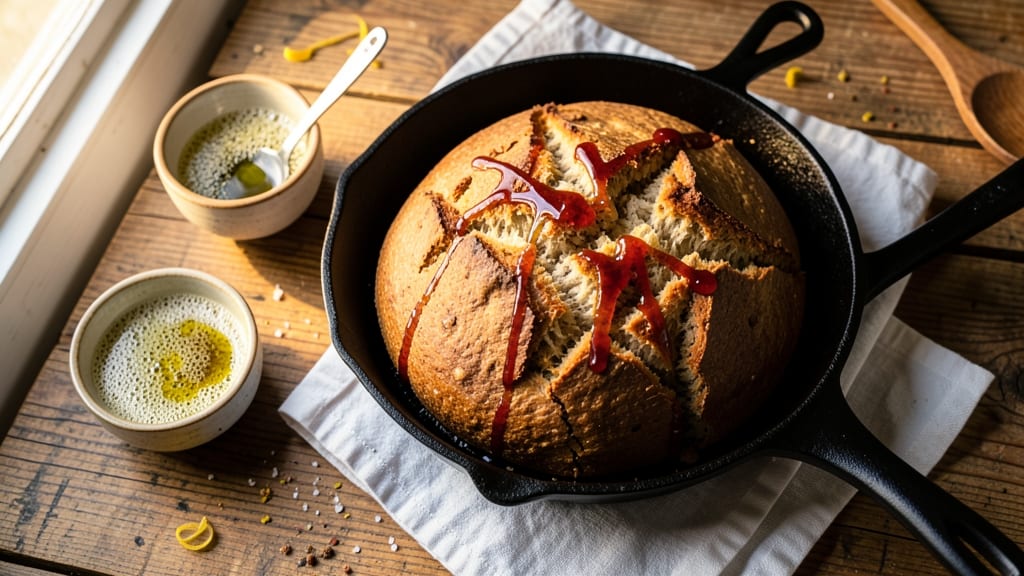
This active dry yeast whole wheat bread recipe delivers the perfect balance of nutty crust and light, airy crumb—no dense, heavy texture in sight. The secret lies in proper yeast activation and hydration control, which transform whole wheat flour into bread that's both wholesome and irresistible.
I've refined this method over years of baking, ensuring every slice stays tender yet sturdy enough to hold jam or butter without crumbling.
What sets this recipe apart is the 30-minute kneading time followed by a 2-hour rise—critical steps that develop gluten structure while allowing the yeast to work its magic.
Whole wheat flour absorbs more moisture, so we adjust the hydration ratio slightly higher than white bread while keeping the dough manageable. The nutty crust forms from proper oven steam, while the crumb remains open and inviting.
By the time you pull this bread from the oven, you'll have golden-brown loaves with a crisp exterior and soft interior that's perfect for sandwiches or toast. The yeast activation test ensures your bread rises properly before baking, eliminating guesswork.
Whether you're a beginner or experienced baker, this method guarantees restaurant-quality results with minimal fuss.
For those short on time, I'll show you how to adapt this into a no-knead version without sacrificing texture. The key adjustments maintain the same light crumb while cutting prep time in half. Let's get started on creating bread that tastes like it came from an artisanal bakery.
Ingredients for active dry yeast whole wheat bread
Whole wheat flour, yeast, and a few pantry staples transform into restaurant-quality bread with a nutty crust and airy crumb.
| Ingredient | Amount | Notes |
|---|---|---|
| Active Dry Yeast 🍞 | 2 ¼ tsp | Ensure yeast is fresh and active |
| Whole Wheat Flour 🌾 | 4 cups | Plus 2 tbsp for dusting |
| Warm Water 💧 | 1 ¼ cups | 110°F for yeast activation |
| Granulated Sugar 🍚 | 1 tbsp | Feeds yeast for activation |
| Salt 🧂 | 1 ½ tsp | Kosher or sea salt preferred |
| Olive Oil 🫒 | 2 tbsp | Extra-virgin for richness |
| Large Eggs 🥚 | 2 whole | Room temperature preferred |
| Honey 🍯 | 1 tbsp | Adds sweetness and moisture |
| Instant Potato Flakes 🥔 | ½ cup | For better gluten development |
| Ice Water ❄️ | ¼ cup | For final dough adjustment |
| Cornmeal 🌽 | ½ cup | For dusting loaf pans |
| Sesame Seeds 🌰 | 1 tbsp | Optional for topping |
The yeast is non-negotiable—King Arthur or Bob's Red Mill brands work best. Check expiration dates, and if your yeast doesn't foam within 5 minutes of mixing with warm water and sugar, start over. Whole wheat flour varies by brand in moisture content, so King Arthur or Caputo are my go-tos for consistent results. The honey and olive oil add moisture that whole wheat flour desperately needs without making the dough sticky. I always keep a small jar of sesame seeds on hand for topping—Trader Joe's has them at a great price.
No honey? Maple syrup works at half the amount. Eggs not available? Flax eggs (2 tbsp ground flaxseed + 6 tbsp water) substitute 1:1. The potato flakes might seem odd, but they're a baker's secret for improving gluten structure—Bob's Red Mill makes the best instant version. For a no-knead version, simply mix everything except the ice water, let it rise overnight, then shape and bake. The crust will be slightly thicker, but the crumb stays light. If your dough feels too sticky, add ice water 1 tbsp at a time until it comes together cleanly.
Store baked loaves in a bread bag at room temperature for 3-4 days. For longer storage, freeze slices wrapped in parchment paper—they toast up like fresh. The dough can be refrigerated for up to 24 hours before shaping, which is handy for overnight rising. I always bake two loaves—one for the week, one to freeze. The sesame seeds keep for 6 months in a dark cabinet, so buy extra.
Why You'll Love This Recipe
- Pantry-Friendly Starter: I swear by this recipe because it only needs five things—yeast, flour, water, sugar, and salt. No fancy add-ins, no last-minute grocery runs. My pantry always has these, so I’m never stuck without bread.
- Nutty, Chewy Magic: The whole wheat flour gives it that hearty, satisfying bite, while the yeast makes it light enough to eat plain. Honestly? I’ve seen people toast it, slather it with butter, or even use it for sandwiches—it’s that good.
- Meal Prep MVP: Between us, this bread stays fresh for days, and slices perfectly for lunchboxes or quick breakfasts. I make a batch on Sundays, and by Wednesday, I’m still using it. No sad, stale loaves here.
- Budget Booster: Whole wheat flour is cheaper than store-bought bread, and a single batch stretches across multiple meals. Plus, the yeast does all the work—no expensive shortcuts needed. My wallet and my taste buds win.
Step-by-step instructions for active dry yeast whole wheat bread
This recipe delivers a nutty, flavorful crust with a surprisingly light interior—here's how to make it happen.
Activate the Yeast and Mix the Dough
In a large mixing bowl, combine the 2.25 tsp active dry yeast, 1.25 cups warm water (110°F), 1 tbsp granulated sugar, and 1 tbsp honey. Let this sit for 5-10 minutes until frothy—this confirms your yeast is active. If it doesn't bubble, start over with fresh yeast.
Add 4 cups whole wheat flour and 1.5 tsp salt to the bowl. Stir until a shaggy dough forms, then drizzle in the 2 tbsp olive oil and 2 whole large eggs. Mix with a wooden spoon until everything comes together. The dough will be sticky but should pull away from the sides of the bowl.
Knead the Dough for Optimal Texture
Lightly flour a clean surface and turn the dough out. Knead for 8-10 minutes by hand until smooth and elastic. You'll notice it becomes less sticky as gluten develops. For best results, knead until the dough passes the "windowpane test"—stretch a small piece and it should thin without tearing.
Return the dough to the bowl, cover with a damp towel, and let it rise in a warm place for 1-1.5 hours or until doubled in size. The dough should feel springy when pressed gently. If it doesn't rise well, your kitchen might be too cold—try placing the bowl near a warm oven with the light on.
Incorporate Potato Flakes and Shape the Loaf
Punch down the risen dough and sprinkle in the 0.5 cup instant potato flakes. These help create a lighter texture by improving gluten structure. Knead briefly just to distribute the flakes evenly—over-kneading now will toughen the bread.
Shape the dough into a smooth, slightly tapered loaf. Place it seam-side down in a greased 9x5-inch loaf pan dusted with 0.5 cup cornmeal. Cover again and let rise for 30-45 minutes until it domes slightly above the pan. Preheat your oven to 375°F during this final rise.
Bake to Golden Perfection
Bake the bread for 40-45 minutes until the top is deep golden brown and sounds hollow when tapped. For extra browning, brush the crust with water after 20 minutes in the oven. The internal temperature should reach 190-200°F when measured with an instant-read thermometer.
Remove from the oven and let cool on a wire rack for 10 minutes before transferring to a cooling rack. This resting period prevents a gummy crumb. For that signature touch, sprinkle 1 tbsp sesame seeds on top while still warm. Slice when fully cooled for clean cuts and maximum flavor.
Pro Tips For Making Active Dry Yeast Whole Wheat Bread
- Test Yeast First: Whole wheat flour plays tricks—mix ¼ cup warm water, ½ tsp sugar, and 1 packet yeast in a small bowl. If it doesn’t foam in 10 minutes, your yeast is dead or the flour’s too old. Skip the bread and make pancakes instead.
- Mix Water Last: Add warm water to the flour after you’ve combined yeast, sugar, and salt. Whole wheat absorbs moisture fast—dumping water first means a gummy, uneven dough. Work quickly once it’s in.
- Knead Less, Rest More: Whole wheat dough tears easily, so handle it like glass. Do 5-6 stretches-and-folds, then let it rest 30 minutes. The gluten will relax, and you’ll avoid a dense, tough loaf.
- Use a Dutch Oven: Skip the baking sheet—whole wheat bread dries out fast. Place dough in a hot Dutch oven with a lid for 20 minutes, then remove the lid for the last 10. The steam keeps it moist, and the oven’s heat builds a crisp crust.
Make-ahead tips for this active dry yeast whole wheat bread
Dough Prep Ahead
Mix your dough the night before and refrigerate it for 12-24 hours before shaping. The cold slows yeast activity, giving you more control during the final rise. I always cover the bowl tightly with plastic wrap and place it in the fridge.
This method improves flavor development and makes morning baking effortless. Just let the dough sit at room temperature for 30 minutes before shaping to wake up the yeast. 🌙
Overnight Rising
For a hands-off approach, mix everything except the ice water and let it rise overnight in the fridge. The cold temperature creates a slower fermentation that boosts flavor complexity. In the morning, add the ice water, shape your loaf, and bake as directed.
This no-knead technique produces bread with a slightly denser crust but an incredibly light crumb. I've made this version on weekends when I don't want to wake up early. 🕒
Freezing Dough
Shape your loaf, wrap it tightly in plastic wrap, then place it in a freezer bag with all the air squeezed out. This dough keeps for up to 3 months in the freezer. When ready to bake, thaw overnight in the fridge, then proceed with the normal baking instructions.
The texture remains excellent, though the crust may need an extra 5 minutes in the oven. I always freeze half my dough batches to have fresh bread ready whenever I want. ❄️
Baked Loaf Storage
Let your bread cool completely before slicing, then store it in an airtight container at room temperature for 3-4 days. For longer storage, slice the cooled loaf and freeze the slices between parchment paper.
Toast frozen slices directly from the freezer for that fresh-baked taste. I keep one loaf in the fridge and one in the freezer at all times for maximum convenience. 🥖
Reviving Stale Bread
If your bread develops a stale crust after a few days, revive it by wrapping the whole loaf in foil and heating at 300°F for 10 minutes. The steam will soften the crumb while keeping the crust intact.
For individual slices, microwave them wrapped in a damp paper towel for 15-20 seconds. This trick works beautifully with frozen bread too—just add 2-3 minutes to the reheating time. 🔥
Batch Baking Tips
Double the recipe for two loaves, but bake them simultaneously on the middle rack for even heat distribution. For a rustic look, bake on a baking sheet lined with parchment paper instead of using a loaf pan.
I always bake two loaves when I have time—one for immediate use and one to freeze. The extra effort means I always have fresh bread available without extra baking days. 🍞
Nutrition facts
Frequently asked questions
Why does my whole wheat dough feel so sticky?
Whole wheat flour absorbs more moisture than white flour, making the dough naturally stickier. The 2 tbsp olive oil and 2 eggs add extra moisture too. To handle it better, wet your hands slightly when kneading, and avoid adding extra flour—this weakens the gluten structure. The dough should pull away from the bowl but still feel tacky.
Can I substitute whole wheat flour with white flour?
You can replace up to 50% of the whole wheat flour with white flour if you're concerned about texture, but the bread won't have the same nutty flavor or nutritional benefits. For a lighter crumb, use King Arthur white flour and add 1 extra tbsp olive oil to compensate for the reduced moisture in white flour.
What if my yeast doesn't activate?
If your yeast doesn't bubble within 5-10 minutes in the warm water, it's likely dead or expired. Check the package date—yeast loses potency after 3-4 months. Replace it with fresh active dry yeast and ensure your water is 110°F (not too hot, or it will kill the yeast). Never use old yeast.
How do I fix dense whole wheat bread?
Dense bread usually means underproofing or over-kneading. Let the dough rise until it's doubled in size (press gently—it should spring back slowly). For extra lift, add 0.5 cup instant potato flakes (as in this recipe) to improve gluten structure. Also, avoid overbaking—pull it out when the internal temp reaches 190-200°F.
Can I make this bread without a loaf pan?
Shape the dough into a round or oval and bake on a parchment-lined baking sheet at 375°F for 35-40 minutes. For a rustic look, score the top with a sharp knife before baking. Brush with water after 20 minutes for a crispier crust. The texture will be slightly denser than pan bread but still delicious.