
Side Dishes
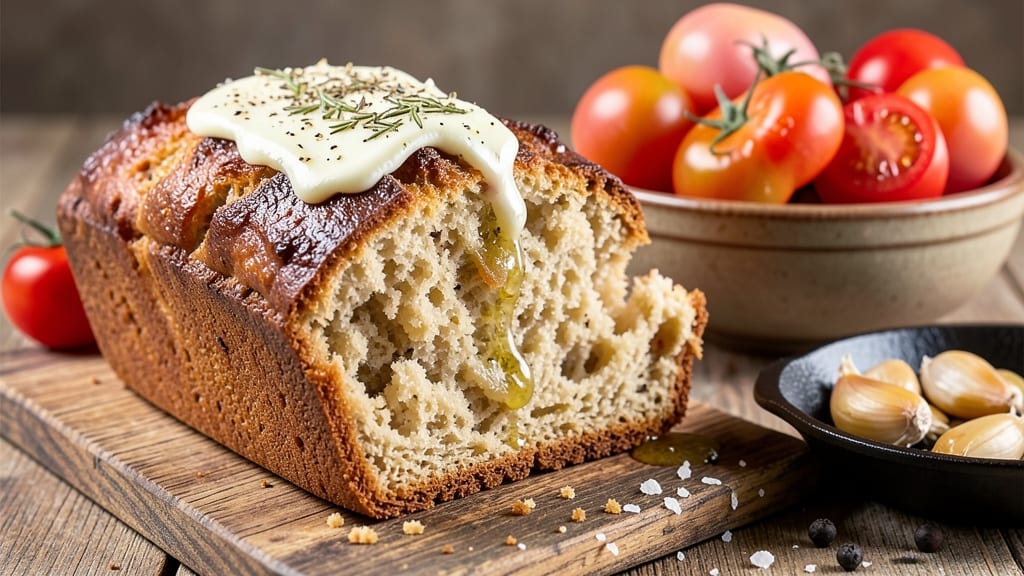
This Amish tomato bread recipe brings the heart of Pennsylvania Dutch country to your kitchen table with its perfect balance of sweet and tangy flavors. 💛 The secret lies in blending ripe tomatoes with a simple yeast dough, creating a bread that's both comforting and distinctive—a tradition passed down through generations of Amish families.
What makes this recipe special is how the tomatoes infuse the dough with natural sweetness while maintaining a tender, slightly dense texture that's ideal for soaking up butter or serving alongside hearty meals.
The beauty of this recipe is its simplicity—no fancy techniques required, just a few basic ingredients and patience. You'll start with a classic yeast dough, then fold in fresh tomatoes and their juices, which transform into a subtle, fruity flavor as the bread bakes.
The dough rises slowly, developing that signature Amish bread texture, while the tomatoes caramelize slightly, adding depth without overpowering the bread's natural taste. This method ensures every bite delivers that perfect harmony of sweetness and tang.
What you'll end up with is a loaf of bread that's golden brown on the outside and tender throughout, with just the right amount of tomato flavor woven into every bite. The aroma alone will have your kitchen smelling like a Pennsylvania farmhouse, transporting you to a simpler time.
This bread is versatile enough to serve as a side with soups or stews, a base for sandwiches, or simply sliced and enjoyed with butter straight from the jar.
Perfect for those who appreciate traditional recipes with a modern twist, this Amish tomato bread is a testament to how simple ingredients can create something truly special.
Whether you're baking for a family gathering or treating yourself to a taste of Amish country, this recipe delivers homemade flavor that's hard to resist.
Ingredients for amish tomato bread
Fresh tomatoes, warm butter, and yeast—this simple combo creates Amish bread with tangy-sweet magic.
| Ingredient | Amount | Notes |
|---|---|---|
| All-Purpose Flour 🌾 | 4 cups | White or whole wheat blend |
| Active Dry Yeast 🍞 | 2 ¼ tsp | One packet or 0.25 oz |
| Granulated Sugar 🍚 | 1 tbsp | For yeast activation |
| Warm Water 💧 | 1 ¼ cups | 110°F (43°C) for yeast |
| Unsalted Butter 🧈 | ½ cup | Softened, full-fat preferred |
| Large Eggs 🥚 | 1 whole | Room temperature |
| Salt 🧂 | 1 ½ tsp | Kosher or sea salt |
| Ripe Tomatoes 🍅 | 2 cups | Chopped, seeds removed |
| Tomato Paste 🍅 | ¼ cup | For concentrated flavor |
| Extra-Virgin Olive Oil 🫒 | 2 tbsp | For dough enrichment |
| Milk 🥛 | ¼ cup | Warm, for tenderness |
The tomatoes are the star here—ripe, juicy heirloom varieties (like Brandywine or Cherokee Purple) work best, but any vine-ripened tomatoes do the trick. Local farmers markets often have perfect ones in summer, but grocery store tomatoes can work too if they're firm and red. For the yeast, Bob's Red Mill or Saf-Instant are reliable brands, but any active dry yeast will work. The butter should be soft but not melted—just press it with your finger and it should dent slightly. If you're using whole wheat flour, replace up to half of the all-purpose for a nuttier flavor, but the classic version stays true to tradition.
No ripe tomatoes? Canned San Marzano tomatoes (drained and chopped) work in a pinch—they're sweeter and less acidic than most grocery store varieties. Short on butter? Coconut oil or vegan butter keeps it vegan-friendly, though traditional recipes rely on dairy for that rich flavor. The milk can be swapped for warm water or plant-based milk, but whole milk adds tenderness. For a sweeter loaf, add 1 tbsp of honey or maple syrup to the dough. If you're baking in a dry climate, consider brushing the loaf with extra olive oil after baking for a crispier crust.
This dough needs time to rise—at least 2 hours at room temperature, or overnight in the fridge for deeper flavor. Store any leftovers wrapped tightly at room temperature for 3 days, or freeze the dough for up to 3 months before baking. The bread reheats beautifully—wrap a slice in foil and warm it in a 350°F oven for 5 minutes. For extra crusty bread, bake it on a preheated baking stone or in a Dutch oven. The aroma alone will make your kitchen smell like a Pennsylvania farmhouse!
Why You'll Love This Recipe
- No-Knead Magic: I swear, mixing the dough with just warm water and butter feels like cheating. The yeast does all the work while I sip coffee—no stand mixer, no fuss, just hands and a bowl.
- Sweet-Tart Crust: That caramelized sugar crust? It’s the secret weapon. The bread starts soft inside but gets this irresistible crispy edge that’s dangerously good with butter straight from the fridge.
- Bread That Works Hard: Serve it warm with soup, toast it for breakfast, or pack slices for lunches. It’s the one loaf that does double duty without tasting like it’s trying too hard.
- Pantry Goldmine: Five ingredients, zero waste. The dough keeps for days in the fridge, and you’ll have enough for leftovers that still taste fresh. Honestly? This is my go-to when I’m broke or lazy—both work.
Step-by-step instructions for Amish tomato bread
This classic recipe transforms simple ingredients into a loaf bursting with tomato flavor—crusty outside, tender inside.
👨🍳 Step 1: Activate the Yeast and Mix the Dough
In a large bowl, combine the 1.25 cups warm water (about 110°F) with the 1 tbsp granulated sugar and 2.25 tsp active dry yeast. Let it sit for 5-10 minutes until frothy—this means your yeast is alive and ready to work. If it doesn't bubble, your yeast might be dead, and you'll need to start over.
In a separate bowl, whisk together the 4 cups all-purpose flour and 1.5 tsp salt. Create a well in the center and pour in the yeast mixture, the 0.5 cup softened unsalted butter, the 1 whole large egg, and the 2 tbsp extra-virgin olive oil. Mix with a wooden spoon until a shaggy dough forms, then turn it out onto a lightly floured surface and knead for 8-10 minutes until smooth and elastic.
🍳 Step 2: Incorporate the Tomato Mixture
In a small bowl, mash the 2 cups ripe tomatoes with a fork, then stir in the 0.25 cup tomato paste and 0.25 cup warm milk until smooth. This mixture is the soul of your bread—it gives that signature tangy sweetness. Pour it into the center of your kneaded dough and gently fold it in with your hands until fully incorporated.
Real talk: The dough will feel sticky, but don't panic. This is normal! If it's too sticky to handle, wet your hands slightly as you work. The tomato mixture adds moisture, so resist the urge to add extra flour—it's what makes this bread special.
⏰ Step 3: First Rise and Shape the Loaf
Place the dough in a lightly greased bowl, cover it with a clean kitchen towel, and let it rise in a warm spot for 1-2 hours or until it doubles in size. You'll know it's ready when you poke it gently and it springs back slowly. This first rise develops the gluten and gives the bread its airy texture.
Once risen, punch down the dough to release the air, then shape it into a round loaf. Place it seam-side down in a greased 9x5-inch loaf pan. Cover it again and let it rise for another 30-45 minutes. The dough should rise about halfway up the sides of the pan—this ensures a tall, beautiful loaf.
🔥 Step 4: Bake to Golden Perfection
Preheat your oven to 375°F and bake the loaf for 45-50 minutes until the top is golden brown and the internal temperature reaches 190°F. Here's the thing—don't overbake! The bread will continue cooking as it cools, and you want that tender crumb, not a dry one.
For extra shine and color, brush the top with a little water or milk after 20 minutes of baking. This creates a crispy crust while keeping the inside moist. Let the bread cool in the pan for 10 minutes before transferring it to a wire rack. Slice while still warm for the best texture—each bite should be soft, slightly sweet, and packed with tomato flavor.
Pro Tips For Making Amish Tomato Bread
- MEASURE THE YEAST FIRST: I learned this the hard way—yeast clumps like a stubborn lump if you toss it straight from the jar. Sprinkle that 2¼ teaspoons over the warm water first, let it bloom for 5 minutes until it looks fizzy and alive before adding anything else. Trust me, your bread’s rise will be smoother if you do.
- SOAK THE TOMATOES: Dump those canned tomatoes into a colander and rinse them under cold water for 30 seconds. The excess liquid thins out the sauce, and you’ll end up with a bread that’s less dense and more flavorful—no soggy bottoms here.
- DON’T OVERMIX THE DOUGH: The second you add flour, stop stirring after 2 minutes. Overworking the dough kills the yeast and makes the bread tough as a boot. Just fold it until it comes together, then let the machine or your hands do the heavy lifting.
- USE COLD BUTTER: I was skeptical until I tried it—cut that unsalted butter straight from the fridge into cubes and let it soften just enough to work with. Cold butter creates flaky layers; room-temperature butter just melts into a greasy mess. (Yes, even if you’re impatient like me.)
Storing and reheating your leftovers
Room Temperature Storage
Your freshly baked Amish tomato bread stays fresh for 3 days at room temperature when wrapped tightly in plastic wrap or a clean kitchen towel. I like to store it in a bread box or sealed container to maintain moisture.
The crust will soften slightly, but the tomato flavor remains vibrant. For extra freshness, place a slice of white bread inside the container—it absorbs excess moisture and keeps everything crisp. 💛
Fridge Preservation
If you need to store leftovers longer, the fridge is your best bet for up to 5 days. Wrap the loaf tightly in plastic wrap or place it in an airtight container with a paper towel to absorb moisture.
To reheat, wrap a slice in foil and warm it in a 350°F oven for 5-7 minutes. The crust will crisp up while the inside stays tender—just like fresh from the oven.
Freezer-Friendly Dough
For maximum convenience, freeze the dough before baking. Shape the dough into a loaf, wrap it tightly in plastic wrap, then place it in a freezer bag for up to 3 months. When ready to bake, thaw overnight in the fridge, then proceed with the baking instructions.
The tomato flavor develops beautifully during the slow thaw, making the bread even more aromatic. This is my go-to method for busy weeks!
Reviving Stale Bread
If your Amish tomato bread starts to dry out, don't toss it! Slice the bread and arrange it on a baking sheet. Brush the slices lightly with olive oil or melted butter, then warm in a 350°F oven for 5-10 minutes until toasted.
The heat reactivates the crust, bringing back that fresh-baked texture. For extra flavor, sprinkle with a pinch of salt or a drizzle of honey before reheating. ✨
Microwave Quick Fix
When you're in a hurry, the microwave works in a pinch. Wrap a slice in a damp paper towel and heat it on 50% power for 15-20 seconds. The moisture prevents drying, and the low power keeps the bread from becoming rubbery.
For best results, combine this with a quick broil in the oven (375°F for 1-2 minutes) to restore that golden crust. 🔥
Tomato Flavor Tip
The tomato flavor intensifies as the bread sits, so freshly baked slices taste different from day-old bread. If you want to enhance the flavor, brush warm slices with a little garlic-infused olive oil or a sprinkle of flaky sea salt.
This works especially well when serving with soups or as a side dish—it brings out the natural sweetness of the tomatoes. 💡
Nutrition facts
Frequently asked questions
Can I use canned tomatoes instead of fresh?
Yes, but with a few adjustments! Use 1 (14.5 oz) can of diced tomatoes (drained well) plus 1 extra tablespoon of tomato paste to compensate for the lower moisture content. For best results, choose low-sodium varieties and rinse them thoroughly to reduce acidity. The texture will be slightly different but still delicious—just expect a denser crumb.
Why does my dough feel too sticky?
The tomato mixture adds natural moisture, making the dough extra sticky—this is completely normal! Instead of adding flour (which can make the bread dense), wet your hands slightly when handling it. For extra insurance, chill the dough for 20 minutes before shaping. If it's still too sticky, dust your work surface with a tiny bit of flour, but don't overdo it.
How do I know when the bread is fully risen?
Gently press two fingers into the dough—if it springs back slowly (not immediately), it's ready! For the first rise, the dough should double in size (1-2 hours). After shaping, it should rise about halfway up the pan (30-45 minutes). Pro tip: Place your bowl in a warm spot (like near the oven with the light on) to speed up the process.
Can I make this bread without yeast?
For a quick version, replace the yeast with 2 tsp baking powder and 1 tsp baking soda, and reduce the water by 0.25 cup. Mix everything together, shape immediately, and bake at 375°F for 35-40 minutes. The texture will be denser but still flavorful. This works well for those who want a faster (though less traditional) result.
What's the best way to serve this bread?
Slice it warm with butter or olive oil for a simple treat, or use it as a side for soups and stews. For extra flair, toast slices and top with avocado or smoked salmon. The sweet-tangy flavor pairs perfectly with cheeses like brie or gouda, or even as a base for open-faced sandwiches with tomato jam and prosciutto.