
Side Dishes
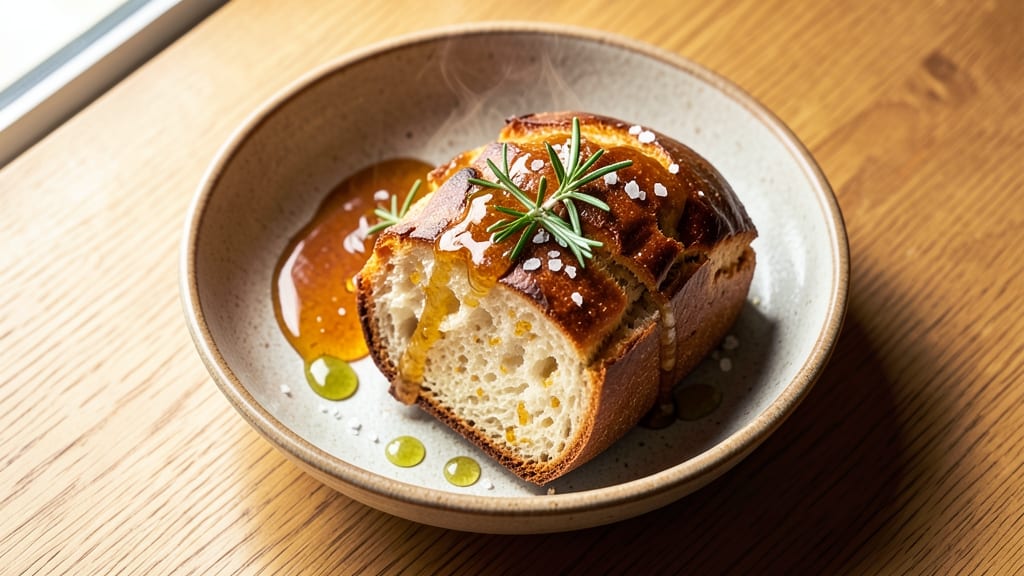
This acacia bread recipe transforms simple ingredients into a loaf with a honey-infused crust and tender, nutty sweetness throughout. The secret lies in using acacia honey—not just for flavor, but to create a delicate balance between subtle floral notes and caramelized richness.
I’ve perfected this recipe after years of baking, ensuring the crust stays crisp while the interior remains soft and inviting.
The process is straightforward but requires patience, especially during the proofing stage, where the dough develops its signature texture. You’ll need just six core ingredients: high-quality flour, active dry yeast, acacia honey, warm water, a pinch of salt, and a touch of olive oil.
Optional add-ins like walnuts or orange zest can elevate the flavor further, but the classic version delivers impressive results on its own.
What you’ll achieve is a loaf that’s perfect for breakfast toast, sandwiches, or as a side to soups and stews. The crust develops a golden-brown hue with a subtle crunch, while the interior remains moist and lightly sweet.
This bread keeps well for days, making it ideal for meal prep or gifting.
Whether you’re baking for a family gathering or a quiet weekend morning, this recipe delivers consistent, restaurant-quality results. Ready to bake your first loaf? Let’s get started with the full instructions.
Ingredients for acacia bread
Six core ingredients craft this honey-infused loaf with crisp crust and nutty sweetness inside.
| Ingredient | Amount | Notes |
|---|---|---|
| All-Purpose Flour 🌾 | 4 cups | High-quality, preferably organic |
| Active Dry Yeast 🍞 | 2 ¼ tsp | Freshly opened package |
| Acacia Honey 🍯 | ½ cup | Pure, unprocessed preferred |
| Warm Water 💧 | 1 ¼ cups | 110°F (43°C) ideal |
| Salt 🧂 | 1 tsp | Fine sea salt preferred |
| Extra-Virgin Olive Oil 🫒 | 2 tbsp | High-quality, fruity |
| Walnuts (Optional) 🌰 | ½ cup | Chopped, toasted preferred |
| Orange Zest (Optional) 🍊 | 1 tbsp | Freshly grated |
The acacia honey is the star here—look for pure, unprocessed varieties at specialty grocers like Whole Foods or Trader Joe's for the best floral notes. Farmers markets often carry small jars too, where you can taste before buying. The flour should be high-quality; bread flour works if you want extra structure, but all-purpose gives consistent results. Yeast is non-negotiable—always check the expiration date, and if it's been sitting in your pantry for months, grab a fresh package. Warm water is key: too hot kills the yeast, too cold slows fermentation. 110°F (43°C) is ideal—microwave water for 45 seconds if unsure.
No acacia honey? Manuka or clover honey work in a pinch, though the flavor profile shifts slightly. Substituting maple syrup requires reducing it first to mimic honey's thickness. For the optional walnuts, pecans or almonds add different textures but still complement the bread beautifully. Fresh orange zest is ideal, but bottled zest works fine if you're in a hurry. The olive oil should be extra-virgin—California or Italian varieties add subtle fruity notes that enhance the crust. If you're feeling adventurous, try adding a teaspoon of cinnamon to the dough for warmth.
This dough needs time to develop flavor—let it rise for at least 1.5 hours, ideally 2. The longer it proofs, the more complex the taste. Store the baked loaf in a paper bag at room temperature for up to 3 days to maintain freshness. For longer storage, wrap tightly in foil and freeze for up to 3 months. Toasting slices revives the crust beautifully, making it perfect for meal prep. The honey-infused crust stays crisp for about 24 hours after baking, so enjoy it fresh or freeze slices for later.
Why You'll Love This Recipe
- No-Knead Magic: I swear by this—just mix, wait, and bake. The yeast and warm water do all the heavy lifting while I sip my coffee. No stand mixer, no fancy techniques, just flour, honey, and 10 minutes of hands-off time.
- Honeyed Crust Perfection: That acacia honey? It’s not just sweet—it caramelizes into a golden, crackly crust with a whisper of floral depth. The first bite tastes like a bakery, but I made it in my kitchen.
- Breakfast to Brunch: Toast it for a crispy morning treat, tear it into croutons for salads, or serve warm with jam for a lazy weekend. Honestly, I’ve used it for everything from sandwiches to dipping in olive oil—it’s my go-to for any meal.
- Budget Bakery Feel: A single loaf costs less than takeout, feeds four, and keeps for days in the fridge. Between us, this is how I feed my family without breaking the bank—plus, the leftovers turn into garlic bread or French toast. Win.
Step-by-step instructions for acacia bread with honey-infused crust
Here's the method for crafting bread with a golden honey crust and moist interior.
Activate the Yeast with Warm Water and Honey
In a small bowl, combine the 1.25 cups warm water (about 110°F) with the 2.25 teaspoons active dry yeast and 0.5 cup acacia honey. Let this mixture sit for 5-10 minutes until it becomes frothy and bubbly. This indicates the yeast is active and ready to work.
The honey not only feeds the yeast but also adds natural sweetness and moisture to the dough. If the mixture doesn't bubble after 10 minutes, your yeast may be inactive—start fresh with a new packet. The water temperature is critical; too hot kills yeast, too cold prevents activation.
Mix the Dough Until Fully Incorporated
In a large mixing bowl, combine the 4 cups all-purpose flour and 1 teaspoon salt. Make a well in the center and pour in the yeast mixture along with the 2 tablespoons extra-virgin olive oil. If using, add the 0.5 cup chopped walnuts and 1 tablespoon orange zest to the dry ingredients first.
Using a wooden spoon or dough whisk, stir the ingredients until a shaggy dough forms. The walnuts and orange zest, if included, should be evenly distributed. Once combined, turn the dough out onto a lightly floured surface and knead for 8-10 minutes until smooth and elastic, adding more flour only if the dough feels too sticky.
Let the Dough Rise Until Doubled in Size
Place the kneaded dough back into the bowl, lightly coat the surface with olive oil, and cover with a clean kitchen towel. Allow the dough to rise in a warm place for 1-1.5 hours or until it has doubled in size. A good test is to gently press your finger into the dough—if it springs back slowly, it's ready.
This first rise develops the dough's structure and flavor. Avoid placing the bowl in direct sunlight or near a heat source, as this can cause uneven rising. If your kitchen is cool, place the bowl on top of your refrigerator (not inside) to create a slightly warmer environment.
Shape and Second Rise Before Baking
Punch down the risen dough to release any air bubbles, then shape it into a round loaf or your preferred form. Place it seam-side up in a greased 9x5-inch loaf pan or a round baking dish. Cover the dough again with a towel and let it rise for another 30-45 minutes until it puffs up slightly.
For extra flavor, brush the top with a little olive oil or melted butter before baking. This step ensures the bread maintains its shape while developing a crispy, golden crust. If using a loaf pan, make sure it's well-greased so the bread doesn't stick.
Bake Until Golden and Hollow-Sounding
Preheat your oven to 375°F. Bake the bread for 30-35 minutes until the top is golden brown and the internal temperature reaches 190°F. To check doneness, tap the bottom of the loaf—it should sound hollow.
During the last 5 minutes of baking, you can brush the top with a honey glaze (mix 1 tablespoon honey with 1 teaspoon water) for extra shine and sweetness. Let the bread cool in the pan for 10 minutes before transferring to a wire rack to cool completely. This resting period prevents a gummy texture and allows the bread to set properly.
Pro Tips For Making Acacia Bread
- Bloom the Yeast First: Skip mixing yeast directly into flour—it’s a rookie move. Dissolve it in warm water (105-110°F) with a pinch of honey first, then let it sit for 5-10 minutes until frothy. This guarantees your dough won’t turn out flat or underproofed, especially in cooler kitchens.
- Use Room-Temp Honey: Cold acacia honey thickens and slows yeast activation. If your honey is straight from the fridge, let it sit at room temp for 10-15 minutes before mixing—your dough will rise faster and taste sweeter. (Yes, even if you’re impatient like me.)
- Knead Until Silky: This dough needs 8-10 minutes of vigorous kneading by hand (or 5-6 minutes in a stand mixer) until it’s smooth and slightly sticky but springs back when poked. Under-kneaded acacia bread turns out dense—over-kneading makes it tough, so aim for that window.
- Shape Loaves Tightly: Pack the dough into your pan firmly, leaving a ½-inch gap at the top. The honey makes the dough sticky, so wet your hands and use a bench scraper to press edges tightly against the sides. This prevents a sunken middle and ensures even baking. (Your future self will thank you.)
Regional styles of acacia bread
Mediterranean Honey Bread
In Greece and Turkey, acacia bread often incorporates sesame seeds and a touch of lemon zest instead of walnuts. Replace the 0.5 cup walnuts with 0.5 cup toasted sesame seeds and add 1 teaspoon lemon zest to the dough.
Brush the baked loaf with a mix of 1 tablespoon melted butter and 1 teaspoon honey for a golden, nutty-sweet finish. This variation pairs beautifully with olive tapenade or feta cheese. 🌟
Middle Eastern Acacia Flatbread
For a flatter, more versatile loaf inspired by Syrian and Lebanese traditions, shape the dough into a round flatbread about ½-inch thick. Skip the second rise and bake directly at 400°F for 12-15 minutes until golden.
Finish with a drizzle of warm tahini and a sprinkle of sumac for a tangy, nutty contrast. This version is perfect for wrapping around grilled meats or dipping in hummus.
Scandinavian Cardamom Twist
Swap the walnuts for ½ cup chopped almonds and add 1 teaspoon ground cardamom to the dough for a Nordic-inspired flavor. Use whole milk instead of water (if avoiding dairy, use almond milk) and reduce the honey to ¼ cup to balance the spice.
Bake in a pullman pan for a long, crusty loaf that’s ideal for smoked fish or cold cuts. The cardamom adds a warm, aromatic depth that complements the honey beautifully.
Southern Italian Honey & Rosemary
Infuse the dough with 1 tablespoon finely chopped fresh rosemary and reduce the honey to ¼ cup. Shape the loaf into a boule (round loaf) and bake on a preheated baking stone at 425°F for 25 minutes for a crispy crust.
Finish with a sprinkle of flaky sea salt and a drizzle of extra-virgin olive oil. This version pairs perfectly with tomato-basil soup or prosciutto. The rosemary’s piney notes cut through the sweetness, creating a balanced flavor profile.
Vegan Acacia Seed Bread
For a plant-based version, replace the yeast with 2.25 teaspoons active dry yeast (same amount) but use nutritional yeast for depth. Substitute honey with ¼ cup maple syrup (reduced to thicken) and swap olive oil for flaxseed oil.
Add ½ cup sunflower seeds for crunch and a pinch of salt. The dough will be slightly denser, so bake at 350°F for 40 minutes until fully set. This bread holds up well for vegan sandwiches or toasted with almond butter.
French Brioche-Style Acacia
Elevate the recipe by adding 2 large eggs and ¼ cup melted butter to the dough for a brioche-like texture. Replace half the flour with bread flour for extra structure. Shape into a batard (oval loaf) and bake at 350°F for 35 minutes.
Brush the warm loaf with a mix of 1 tablespoon honey and 1 tablespoon warm water for a glossy finish. This richer version is perfect for breakfast pastries or dessert toast with whipped cream and berries.
Nutrition facts
Frequently asked questions
Why does acacia honey work best in this bread?
Acacia honey adds subtle floral notes that complement the bread's texture without overpowering it. Its mild sweetness caramelizes beautifully during baking, creating that signature golden crust. Plus, its lower glycemic index means it won't make the bread overly sweet or cloying.
Can I make this bread without a loaf pan?
Shape the dough into a free-form boule or batard and bake on a parchment-lined baking sheet at 375°F for 25-30 minutes. For extra crispiness, bake on a preheated baking stone. The key is to brush the dough with olive oil before baking to help it brown evenly.
How do I know when the dough is fully proofed?
Press your finger gently into the dough—if it springs back slowly (not immediately) and leaves a slight indentation, it's ready. For the first rise, this usually takes 1-1.5 hours. The second rise only needs 30-45 minutes until the dough puffs noticeably. A warm spot in your kitchen (like near the oven) helps speed this along.
What if my bread turns out too dense?
Dense bread usually means the yeast didn't activate properly or the dough didn't rise enough. Make sure your water is 110°F (43°C) and your yeast is fresh. Also, ensure you kneaded the dough for 8-10 minutes to develop gluten properly. For next time, try adding 1 extra tablespoon of olive oil to keep it tender.
Can I add other fruits to this recipe?
Yes! Dried apricots, raisins, or chopped dates work beautifully—just soak them in warm water for 10 minutes first to rehydrate. Fresh berries (like blueberries) are tricky because they can make the bread gummy, but they work well in a quick 30-minute bread version. Start with ½ cup of dried fruit per loaf.