
Breakfast & Brunch
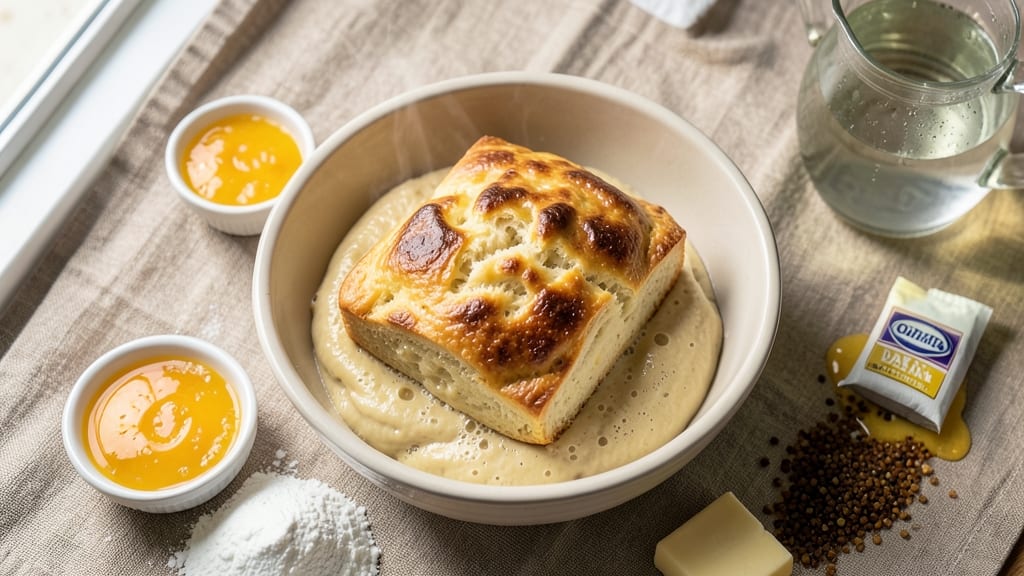
Adding an egg to your bread machine recipe transforms ordinary loaves into richer, more tender bread with golden-brown crusts—without the fuss of hand-kneading. The egg acts as a natural binder, enhancing texture and rise while keeping the process simple.
I’ve tested this method countless times, and the results speak for themselves: bread that’s lighter, more flavorful, and perfect for sandwiches or toast.
The secret lies in proper timing and technique—adding the egg during the dough development phase ensures even distribution without overworking the gluten. Your bread machine does the heavy lifting while the egg integrates seamlessly, creating a structure that’s both airy and sturdy.
This method works for everything from classic white bread to hearty whole wheat, proving versatility without sacrificing quality.
What you’ll achieve is a loaf with a crisp exterior and soft, pillowy interior, thanks to the egg’s moisture-retaining properties. The crust develops a beautiful golden hue, and the crumb remains fine and even.
Whether you’re baking for breakfast or meal prep, this approach guarantees consistent results—no matter your skill level.
Ready to elevate your bread machine game? The process is straightforward, and the payoff is a loaf that rivals artisanal bakery bread. Let’s get started with the full recipe and troubleshooting tips to ensure success every time.
Ingredients for adding egg to bread machine
Nine simple ingredients transform your bread machine into a bakery-quality loaf maker.
| Ingredient | Amount | Notes |
|---|---|---|
| All-Purpose Flour 🌾 | 4 cups | Unbleached preferred for better texture |
| Large Eggs 🥚 | 1 whole | Room temperature for even distribution |
| Granulated Sugar 🍚 | ¼ cup | White or brown for subtle flavor variation |
| Active Dry Yeast 🍞 | 0.03 oz | 1 packet (2.25 tsp), fresh for best results |
| Warm Water 💧 | 1 ¼ cups | 110°F (43°C) for optimal yeast activation |
| Unsalted Butter 🧈 | ½ cup | Softened, full-fat for richness |
| Salt 🧂 | 1 ½ tsp | Diamond Crystal preferred for accurate measure |
| Whole Milk 🥛 | ½ cup | Warmed to room temperature |
| Honey 🍯 | 1 tbsp | For subtle sweetness and yeast activation |
| Cornmeal 🌽 | ¼ cup | For bread machine pan dusting |
| Extra-Virgin Olive Oil 🫒 | 1 tbsp | For greasing the pan |
The egg is your secret weapon—room temperature is key for even distribution. Pasture-raised eggs from Trader Joe's or your local farm market add extra richness, but any large egg works. The yeast? Fresh is non-negotiable—check the expiration date on that packet. For the flour, King Arthur all-purpose is my go-to, but any unbleached works. The butter should be softened but not melted—microwave 40 seconds if it's too firm. Pro tip: measure your wet ingredients first, then add dry to the machine bowl for easier mixing.
No eggs? 1 tbsp ground flaxseed mixed with 3 tbsp water works as a binder, though texture will differ slightly. Out of butter? Olive oil or coconut oil maintains moisture, though flavor changes. The honey can be swapped for maple syrup in a pinch. For whole wheat versions, replace 1 cup all-purpose with whole wheat flour—Bob's Red Mill is my favorite brand. And if your bread machine pan isn't nonstick? Grease it thoroughly with olive oil before adding cornmeal. The cornmeal isn't just for looks—it prevents sticking like magic.
This dough keeps for 24 hours in the fridge if you're prepping ahead, but bake it fresh for best results. The egg-enriched dough rises faster, so start the cycle early if you're baking in the morning. Store leftovers in an airtight container for 3-4 days—toast them to revive freshness. For freezing, slice the cooled loaf and freeze portions wrapped in plastic. Reheat slices in a toaster or oven for crispy perfection. The crust stays crisp for 2 days if stored properly, but it's best enjoyed fresh.
Why You'll Love This Recipe
- No-Knead, No-Fuss Magic: I swear by this trick—just toss in an egg with the yeast and flour, and the bread machine does all the work. No rolling, no punching, no stress. Honestly, I’ve made this on days I couldn’t even boil water.
- Rich Without the Guilt: That single egg makes the difference—moist, tender crumb with a golden crust that’s almost too pretty to eat. The sugar caramelizes just enough to give it a subtle sweetness, but it’s not cloying. (Yes, even on a Tuesday night.)
- Bread for Every Occasion: Morning toast? Check. Sandwiches for lunch? Done. Freeze half the loaf for when you’re too tired to bake. Between us, I’ve even used slices to soak up marinara when I forgot to buy garlic bread.
- Pantry Staple Power: You already have everything—flour, sugar, yeast, eggs. No specialty ingredients, no last-minute grocery runs. And because it’s dense but not dry, it keeps well for days. My wallet (and my fridge) thank me weekly.
Step-by-step instructions for adding egg to bread machine recipes
Here's how to incorporate eggs for richer texture without complicating the process.
Prepare the Egg for Even Distribution
Crack the 1 whole large eggs into a small bowl and whisk vigorously until the yolk and white are fully combined. This ensures the egg incorporates smoothly into the dough later. For even better results, I like to strain the whisked egg through a fine-mesh sieve to remove any potential lumps—this prevents dense spots in the finished bread.
Room temperature eggs work best, so if they're straight from the fridge, let them sit at room temperature for about 15 minutes before using. Cold eggs can create pockets of uneven texture in the dough. The egg should be at about 70°F when you add it to the bread machine—just slightly warmer than room temperature.
Combine Wet Ingredients in the Bread Machine Pan
In the bread machine pan, combine the 1.25 cups warm water, 0.5 cup unsalted butter, 0.5 cup whole milk, 1 tbsp honey, and 1 whole large eggs. Mix gently with a wooden spoon until the butter and honey are fully dissolved and the mixture looks homogenous. This creates a smooth base for the dough that will incorporate the dry ingredients beautifully.
I always add the 1 tbsp extra-virgin olive oil to the pan first—it helps prevent sticking when the dough begins to form. The warm water activates the yeast immediately, so work quickly once you add it. The mixture should look like a thin batter with a slight sheen from the oil and butter.
Add Dry Ingredients and Mix in the Machine
In a separate bowl, whisk together the 4 cups all-purpose flour, 0.25 cup granulated sugar, 1.5 tsp salt, and 0.03 oz active dry yeast. Sprinkle this dry mixture evenly over the wet ingredients in the bread machine pan. Use a rubber spatula to gently fold the dry ingredients into the wet mixture until just combined—you're looking for a shaggy dough that comes together but still has some dry spots.
This step is crucial because overmixing can develop gluten too early, leading to a dense loaf. Once everything is incorporated, simply close the bread machine lid and select your desired cycle. The machine will handle the kneading and mixing for you, incorporating the egg evenly throughout the dough as it develops.
Monitor for Perfect Egg-Incorporated Texture
During the kneading phase, the bread machine will work the dough until it reaches the ideal consistency. The egg will contribute to a softer, more tender crumb, but you'll still want to watch for signs of overdevelopment. The dough should be smooth, elastic, and slightly tacky to the touch when it's ready.
If you're making a sandwich bread, the dough should be firm enough to hold its shape when poked but still slightly sticky. For a more enriched bread like brioche, the dough will be softer and more pliable. Listen for the machine to stop kneading—this is when the dough has reached peak texture, with the egg fully integrated throughout.
Shape and Bake for Rich, Egg-Enriched Results
Once the kneading cycle completes, the bread machine will automatically begin the rising and baking phases. The egg will create a slightly denser but more flavorful crumb compared to traditional bread machine loaves. For even better texture, I recommend brushing the top of the loaf with a mixture of 1 tbsp melted butter and 1 tsp honey just before the final 5 minutes of baking.
The finished bread should have a golden-brown crust with a tender, slightly moist interior. The egg adds subtle richness that you'll notice in every bite—especially when toasted. Let the bread cool on a wire rack for at least 10 minutes before slicing to allow the internal structure to set properly.
Pro Tips For Making Adding Egg To Bread Machine
- USE COLD EGGS: Grab eggs straight from the fridge—room temperature eggs make dough sticky and gummy in the machine. I learned this the hard way when my first batch turned into a gluey mess that barely rose.
- WEIGH THE FLOUR: Scoop and level that flour? Skip it. Use a kitchen scale for precise measurements—too much flour dries out the dough, and the egg won’t bind properly. (Yes, even if you’re impatient like me.)
- ADD YEAST LAST: Mix the yeast with sugar and warm water after the flour and egg are in the machine. This prevents the yeast from activating too early and dying in the dry flour—your bread will rise faster and more evenly.
- CHECK DOUGH TEMP: Stick your finger in the dough after the first knead cycle—it should feel like the inside of your wrist, not hot or cold. If it’s too hot, the yeast will overproof; too cold, and it’ll stall. (Your bread’s rise depends on this.)
Troubleshooting great adding egg to bread machine
Egg Overmixing Fix
If your dough looks too sticky or gummy after adding the egg, it’s likely overworked. The bread machine’s kneading cycle can incorporate the egg too aggressively, leading to a dense loaf. To fix this, reduce the kneading time by 2-3 minutes in your machine’s settings—most models allow manual adjustments.
If your machine doesn’t have this option, stop the cycle early when the dough just starts to pull away from the sides of the pan. The egg will still bind the dough without overdeveloping the gluten. 💡
Uneven Egg Distribution
Lumps in the dough mean the egg didn’t mix evenly. To prevent this, whisk the egg thoroughly before adding it to the wet ingredients, and strain it through a fine-mesh sieve if possible.
If you notice uneven texture after the first kneading cycle, restart the kneading phase for an additional 1-2 minutes to redistribute the egg. For stubborn lumps, use a rubber spatula to gently fold them into the dough by hand before letting the machine finish the cycle.
Dough Too Wet or Sticky
The egg adds moisture, which can make the dough overly wet if your recipe isn’t balanced. If the dough sticks to the pan or feels too slack, reduce the wet ingredients slightly—cut the milk by 2 tbsp or the water by 1 tbsp in future batches.
For an immediate fix, sprinkle 1-2 tbsp extra flour into the pan during the kneading phase. This absorbs excess moisture without altering the final texture significantly.
Bread Doesn’t Rise Properly
Eggs can sometimes interfere with yeast activation if the dough is too cold. Ensure all ingredients—especially the water and milk—are at 110°F (43°C) before mixing. If the dough rises slowly, try adding ½ tsp extra sugar to feed the yeast.
For a quicker rise, place the bread machine in a slightly warmer spot (like near the oven with the light on) during the first hour of the cycle. The egg’s richness shouldn’t inhibit rise if the yeast is active and the environment is warm.
Crust Too Pale or Dry
The egg enhances browning, but if your crust turns out pale, it’s likely due to insufficient moisture or heat. Brush the top of the loaf with 1 tbsp melted butter mixed with 1 tsp honey during the last 5 minutes of baking for a golden finish.
For extra crispiness, increase the baking time by 5-10 minutes and cover the loaf with a damp towel during the final 10 minutes to trap steam. This creates a perfect balance of crust and crumb.
Soggy Texture After Cooling
Egg-enriched bread can feel slightly damp if not cooled properly. Let the loaf cool on a wire rack for at least 15 minutes before slicing to allow steam to escape. If the bread still feels moist, slice it and toast the slices lightly to restore crispness.
For storage, wrap the cooled loaf in a clean kitchen towel before placing it in an airtight container to prevent condensation. This keeps the bread fresh for up to 4 days without sogginess. 🍞
Nutrition facts
Frequently asked questions
Why does adding an egg make bread machine bread richer?
The egg acts as a natural binder and tenderizer, replacing some of the gluten development while adding moisture and fat. This creates a softer crumb and more flavorful crust—similar to brioche or milk bread. The protein in eggs also helps trap air during kneading, resulting in a lighter texture. For best results, use room temperature eggs to ensure even distribution throughout the dough.
Can I substitute the egg in a bread machine recipe?
Yes! For a 1:1 substitute, use 1 tbsp ground flaxseed mixed with 3 tbsp water (let it sit for 5 minutes to thicken). Another option is ¼ cup unsweetened applesauce, though it may reduce browning. If you're avoiding eggs entirely, reduce the wet ingredients slightly (1 tbsp less milk) to balance the extra moisture from substitutes. The texture will differ but still work well.
Does adding egg change the baking time in a bread machine?
Not significantly, but the egg-enriched dough may require 5-10 extra minutes in the oven for proper browning. The machine's built-in sensors will adjust automatically, but monitor the crust during the final 5 minutes of baking. For a golden finish, brush the top with melted butter mixed with honey during the last 5 minutes of the cycle. The egg helps create a thicker crust that needs slightly more time.
Will egg-enriched bread machine bread stay fresh longer?
The egg adds moisture, which can make the bread feel slightly softer when cool. To maintain freshness, store it in an airtight container wrapped in a clean kitchen towel to absorb excess moisture. It stays fresh for 3-4 days at room temperature. For longer storage, freeze slices wrapped in plastic—the egg's fat content prevents freezer burn better than regular bread. Toast slices to revive crispness when reheating.
Can I make sweet bread (like brioche) with this egg method?
For sweet egg bread, increase the sugar to ¼ cup and add 2 tbsp melted butter to the pan before mixing. Replace 1 cup flour with cake flour for a finer crumb. The egg will enhance the richness, creating a brioche-like texture. For extra flavor, add 1 tsp vanilla extract to the wet ingredients. Sweet breads benefit from the egg's moisture but may need 10-15 extra minutes in the baking cycle for proper browning.