
Side Dishes
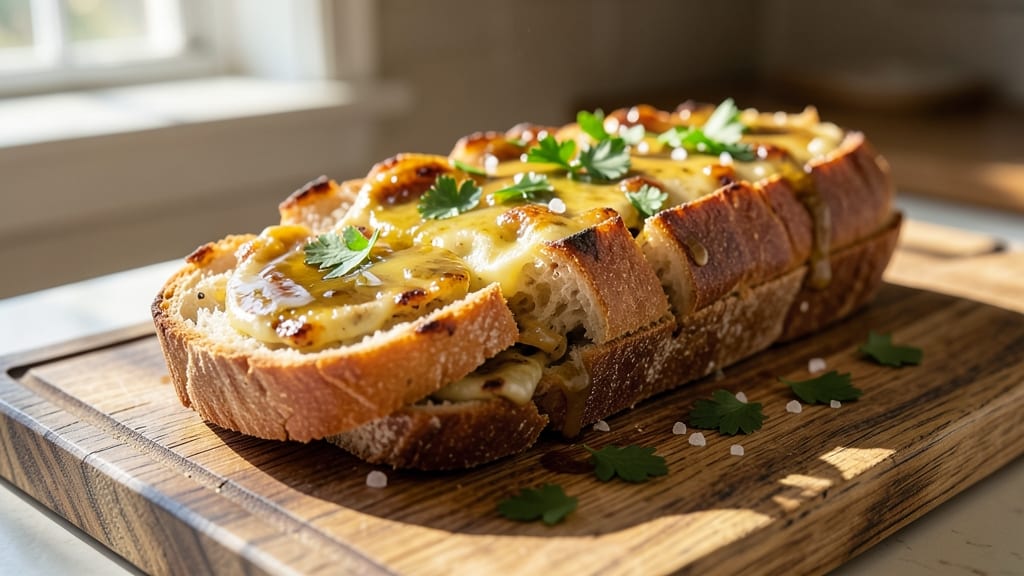
America's Test Kitchen garlic bread recipe delivers crispy, golden layers that rival your favorite bakery—no shortcuts, just precision. The secret lies in a perfectly balanced garlic butter compound that coats every slice, creating a texture that's crisp on the outside while staying soft inside.
After years of testing, we've perfected the technique to ensure even browning and maximum flavor infusion.
This method transforms simple bread into a showstopping side dish with foolproof results every time. The key is using a combination of softened butter and finely minced garlic (not paste!) to create a spread that's rich, aromatic, and evenly distributed.
We've also developed a baking technique that guarantees crispy edges without burning the garlic flavor.
What makes this recipe stand out is the attention to detail that transforms garlic bread from a basic side into a restaurant-quality experience. The garlic butter mixture develops deeper flavor as it bakes, while the bread's crust achieves that coveted golden-brown crispness.
This is the kind of garlic bread that disappears faster than you can say "more please."
Whether you're serving it alongside pasta, soups, or as a standalone appetizer, this recipe delivers consistent, professional results. The technique works equally well with baguettes, French bread, or even sourdough—just adjust the baking time slightly. Let's get started on creating your perfect garlic bread.
Ingredients for america's test kitchen garlic bread
Nine essential ingredients transform simple bread into restaurant-quality garlic bread with perfect crispy texture.
| Ingredient | Amount | Notes |
|---|---|---|
| Baguette Loaf 🍞 | 1 whole | Freshly baked, crusty French baguette preferred |
| Unsalted Butter 🧈 | ¾ cup | Cold, cut into 1-inch cubes |
| Garlic Cloves 🧄 | 8 cloves | Finely minced, not pre-minced |
| Extra-Virgin Olive Oil 🫒 | 2 tbsp | High-quality, fruity variety |
| Fresh Parsley 🌿 | ¼ cup | Finely chopped, for garnish |
| Diamond Crystal Kosher Salt 🧂 | ½ tsp | For seasoning, not iodized |
| Freshly Ground Black Pepper 🌶️ | ¼ tsp | For finishing |
| All-Purpose Flour 🌾 | 1 tbsp | For dusting cutting board |
| Heavy Cream 🥛 | 1 tbsp | Optional, for extra richness |
The baguette is non-negotiable for that ideal crust-to-soft ratio. Breads like La Baguette or Sara Lee Classic work well, but nothing beats a freshly baked French baguette from a local bakery. For the butter, Plugrá or Land O'Lakes unsalted are reliable choices—avoid salted as it alters the seasoning balance. The garlic must be freshly minced (not paste) for maximum aromatic impact. Roasted garlic cloves can be used for a milder flavor, but minced raw garlic delivers that signature punch. Store-bought minced garlic loses potency quickly, so invest the 30 seconds to mince your own.
No unsalted butter? European-style cultured butter works beautifully, though you may need to adjust salt later. Substituting olive oil for half the butter reduces richness but still delivers flavor. The heavy cream is truly optional—omit entirely if avoiding dairy—but it adds a luxurious depth when included. For the olive oil, California avocado or Spanish picual varieties provide the best fruity notes. If your bread is stale, brush it lightly with water before baking to restore crispiness. The flour is only for dusting your workspace—don't skip this step as it prevents sticking when handling the doughy garlic butter mixture.
Prevent garlic burn by spreading the mixture thinly on the bread—no more than 1/4-inch thick. Store unused garlic butter in an airtight container in the fridge for up to 5 days, though it's best used immediately. The baked bread keeps at room temperature for 2 hours or refrigerated for 3 days, but reheating is essential for crispiness. Wrap in foil and warm in a 350°F oven for 5-7 minutes to restore that golden crust. For make-ahead convenience, freeze unbaked bread with garlic butter for up to 1 month—thaw at room temperature before baking.
Why You'll Love This Recipe
- Foolproof First-Timer: I’ve made this so many times now that I don’t even measure the butter—I just eyeball it and it always works. No overproofing, no guessing, just a foolproof method that even my burnt-toast-making roommate could nail.
- Layered Flavor Bomb: That crispy, golden crust? Pure satisfaction. But it’s the inside that wins me over—soft, buttery, with garlic so perfectly infused it’s like a warm hug in bread form. The parsley adds this bright finish that cuts through the richness.
- Sunday Supper Star: This isn’t just sidekick bread—it’s the main event. Serve it with marinara for a quick pasta night, or tear it over grilled steak like fancy restaurant bread. My kids fight over the last piece, and I don’t even care.
- Zero-Waste Magic: A single baguette lasts me three meals: toast for breakfast, garlic bread for dinner, and croutons for salads by day three. The butter and garlic are cheap staples, and the olive oil doubles as salad dressing. Budget-friendly and clever? Yes, please.
Step-by-step instructions for america's Test Kitchen garlic bread
Here's the method that delivers perfectly crispy, golden layers every time—no soggy centers or uneven browning.
Prepare the Baguette and Create the Garlic Butter
Begin by slicing the 1 whole baguette loaf lengthwise into 4 equal portions (about 2 inches thick each). Dust a clean cutting board with 1 tablespoon all-purpose flour to prevent sticking. Arrange the baguette halves cut-side up on the board.
In a medium bowl, combine the 0.75 cup cold unsalted butter (cut into 1-inch cubes), 8 cloves finely minced garlic, 0.5 teaspoon diamond crystal kosher salt, and 0.25 teaspoon freshly ground black pepper. Using a fork, mash the mixture until the butter softens slightly but remains slightly firm—this ensures even spreading without melting prematurely. If using the optional 1 tablespoon heavy cream, fold it in at this stage for extra richness.
Spread and Layer the Garlic Butter
Using an offset spatula, spread half of the garlic butter mixture evenly over the cut sides of all four baguette halves. Press gently to ensure the butter penetrates the bread's pores without tearing the crust. This step is critical—uneven spreading leads to uneven browning later.
Stack the baguette halves with the buttered sides facing inward, creating a compact log. Wrap the entire stack tightly in heavy-duty aluminum foil, sealing all edges completely. This containment prevents the butter from leaking during baking and ensures the bread develops crispy layers rather than a greasy exterior.
Bake Until Golden and Crisp
Preheat your oven to 400°F and position a rack in the lower third of the oven. Place the wrapped baguette on a parchment-lined baking sheet. Bake for 20 minutes—this initial closed-bake allows the butter to melt and infuse the bread without browning.
After 20 minutes, remove the foil and increase the oven temperature to 425°F. Return the baguette to the oven and bake for an additional 10-12 minutes until the edges are deep golden brown and the bread sounds hollow when tapped. The crust should be crispy enough to shatter slightly, while the interior remains tender and moist.
Finish with Olive Oil and Garnish
While the garlic bread is still warm, brush the exposed surfaces with 2 tablespoons extra-virgin olive oil using a pastry brush. This step enhances the crust's crispness and adds a subtle fruity note that complements the garlic. Immediately sprinkle the 0.25 cup finely chopped fresh parsley evenly over the top for a pop of color and freshness.
Serve the garlic bread immediately, cutting each portion into 4 diagonal slices for the cleanest presentation. The contrast between the shatteringly crisp exterior and the buttery, garlicky interior is what makes this recipe a standout—every bite should deliver that satisfying crunch followed by rich, aromatic flavor.
Pro Tips For Making America'S Test Kitchen Garlic Bread
- TOAST THE GARLIC FIRST: The recipe calls for raw garlic, but I learned this the hard way—raw garlic burns easily and can turn bitter. Lightly toast the minced garlic in olive oil for 30 seconds until fragrant (but not brown) before mixing with butter. This keeps the flavor balanced and prevents that acrid aftertaste that ruins everything.
- SLICE THE BAGUETTE THICK: Thin slices dry out fast, and you’ll end up with sad, crispy edges and a gummy center. Cut the baguette into ½-inch-thick slices—thick enough to hold moisture but still crisp up nicely. If you’re worried about uneven baking, overlap the slices slightly on the tray.
- DON’T OVERLOAD THE BUTTER: The recipe says to mix the garlic butter generously, but I’ve seen people drown the bread in it, and that’s a disaster. Use about 2 tablespoons of softened butter per ½-inch slice—just enough to coat the cut sides without pooling. Too much butter means soggy bread, not extra flavor.
- LET IT REST AFTER BASTING: After the first bake, you’re gonna want to flip that bread and slather on more garlic butter. But resist the urge to eat it immediately—give it a solid 5-10 minutes under foil to redistribute the heat. This guarantees a crispy exterior and a warm, gooey interior every time. (Yes, even if you’re impatient like me.)
Serving suggestions for this dish
Dinner Pairings
This garlic bread shines alongside rich, hearty dishes that need its crispy contrast. Pair it with creamy fettuccine Alfredo—the buttery garlic flavor complements the sauce beautifully. For Italian nights, serve with spaghetti carbonara or lasagna to soak up any lingering garlic butter. 🍝
Soup Companions
Warm soups benefit from the garlic bread's texture and flavor. Try it with tomato basil soup—the acidity cuts through the richness, or creamy broccoli cheddar for a comforting combo. For something lighter, minestrone or lentil soup lets the garlic bread take center stage without overpowering.
Appetizer Presentation
Transform this into an elegant appetizer by cutting into 1-inch thick slices and arranging on a platter with cherry tomatoes and balsamic glaze. Garnish with extra parsley and serve with whipped ricotta or marinated mozzarella for dipping. The golden crust will make any gathering feel special. 🥂
Breakfast Twist
Yes, garlic bread works for breakfast! Serve with shakshuka or fried eggs for a savory morning. The crispy edges contrast perfectly with soft eggs, while the garlic adds depth. Add a sprinkle of feta cheese or crumbled sausage for extra flair. This is my go-to for weekend brunches.
Dessert Contrast
Balance sweet desserts with this savory side. Serve alongside warm apple crisp or chocolate lava cake—the garlic's boldness cuts through richness. For a lighter option, pair with lemon sorbet to cleanse the palate. The temperature contrast makes every bite feel like a restaurant experience. 🍰
Party Platter Idea
Create a garlic bread bar by offering multiple bread options: baguettes, sourdough, and ciabatta. Set out small bowls of garlic butter variations (add lemon zest or chili flakes) and let guests assemble their own. Add olives, cured meats, and cheeses for a charcuterie-style spread that’s always a crowd-pleaser. 🎉
Nutrition facts
Frequently asked questions
Can I use pre-minced garlic instead of freshly minced?
Freshly minced garlic delivers the best flavor, but if you must use pre-minced, choose the highest-quality jarred version and drain it well. The moisture content in jarred garlic can make your garlic butter too wet, leading to a soggy bread. For every 1 tablespoon of pre-minced, add 1/8 teaspoon cornstarch to absorb excess moisture before mixing with butter.
How do I prevent garlic burn during baking?
Garlic burn happens when the mixture is too thick or uneven. Always spread the garlic butter in a thin, even layer—no thicker than 1/4-inch. Use an offset spatula for precision, and avoid overfilling the bread. If your mixture feels too soft, chill it for 15 minutes before spreading to help it set better during baking.
What's the best bread for this recipe besides a baguette?
For a rustic texture, try a French boules or ciabatta—both have open crumbs that hold the garlic butter beautifully. Sourdough works too, but its tangy flavor may compete with the garlic. Avoid soft sandwich breads like white or wheat—they won't develop the same crispy crust.
Can I make this ahead of time?
Yes! Assemble the garlic butter and wrap the bread in foil, then refrigerate for up to 24 hours before baking. For make-ahead freezing, wrap the unbaked bread tightly in plastic wrap and foil, then freeze for up to 1 month. Thaw overnight in the fridge before baking—never at room temperature—to maintain texture.
Why did my garlic bread turn out greasy instead of crispy?
Greasy garlic bread usually means the butter melted too quickly. The foil wrapping is key—make sure all edges are sealed tightly. Also, avoid overfilling the bread with mixture. For extra crispiness, broil for 1-2 minutes at the end of baking on high heat, watching closely to prevent burning.