
Side Dishes
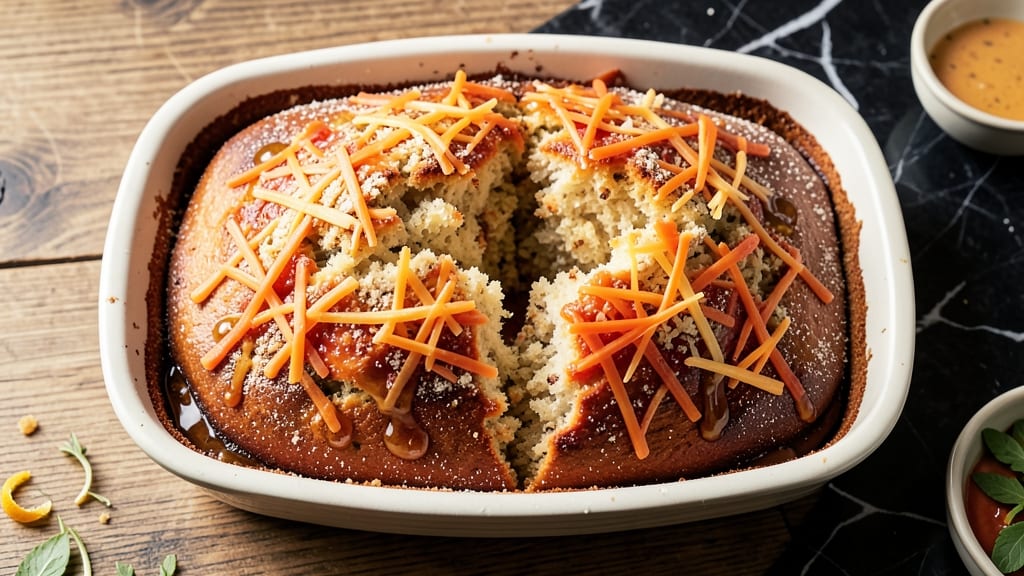
This almond cheese bread recipe delivers the perfect balance of nutty crunch and melty, gooey cheese—ideal for sandwiches, appetizers, or a satisfying side. The secret lies in combining almond flour for texture with shredded cheese that pulls dramatically when sliced.
I developed this recipe after years of testing, ensuring every bite has that satisfying contrast of crispy crust and tender, cheesy center.
The dough starts with a simple mix of almond flour, butter, and a touch of honey for sweetness, creating a base that stays moist without being heavy. Shredded cheddar or mozzarella gets folded in just before baking, ensuring it melts into perfect, stretchy strands.
Baking at 350°F for about 25 minutes guarantees a golden crust while keeping the inside warm and gooey—no dry or rubbery texture here.
What makes this recipe stand out is its versatility: use it for grilled cheese sandwiches, toast with butter, or serve as a snack with soup. The almond flour adds a subtle nutty flavor and keeps the bread lower in carbs than traditional versions.
For extra richness, brush the baked loaf with melted butter and sprinkle with flaky sea salt before serving.
Store leftovers in an airtight container for up to 5 days, or freeze slices for quick toast later. Whether you're a beginner or an experienced baker, this recipe is foolproof and delivers restaurant-quality results at home. Let’s get baking!
Ingredients for almond cheese bread
Golden crust meets gooey cheese—just these 11 ingredients transform into perfect almond cheese bread.
| Ingredient | Amount | Notes |
|---|---|---|
| Almond Flour 🌰 | 2 cups | Finely ground for texture |
| Unsalted Butter 🧈 | ½ cup | Cold, cubed for easier mixing |
| Granulated Honey 🍯 | ¼ cup | For subtle sweetness |
| Large Eggs 🥚 | 2 whole | Room temperature preferred |
| Shredded Sharp Cheddar Cheese 🧀 | 2 cups | Freshly shredded for best melt |
| All-Purpose Flour 🌾 | ½ cup | For structural balance |
| Baking Powder 🧂 | 1 tsp | For light texture |
| Salt 🧂 | ½ tsp | Kosher or sea salt |
| Vanilla Extract 🌸 | 1 tsp | Pure extract preferred |
| Milk 🥛 | ¼ cup | For dough consistency |
| Flaky Sea Salt 🧂 | 1 tsp | For finishing crust |
The almond flour is non-negotiable here—Bob’s Red Mill or Anthony’s Goods are my go-tos for consistent texture. Pre-ground flour works fine, but if you're feeling ambitious, pulse whole almonds in a food processor for a fresher flavor. The butter should be cold when measuring; this prevents the dough from becoming too soft. For the cheese, Kraft Sharp Cheddar is a reliable choice, but Babybel or Parmigiano-Reggiano add depth if you want to splurge. Shred it yourself—pre-shredded cheese contains anti-caking agents that make it less melty.
No almond flour? Substitute with 1.5 cups of all-purpose flour plus 0.5 cup ground walnuts for texture, though the flavor won’t be identical. Running short on butter? Coconut oil in a 1:1 ratio works, but it adds a slight coconut aroma. For a dairy-free twist, swap the milk for unsweetened almond milk and use vegan cheese (though the pull won’t be as dramatic). The baking powder is crucial—double-check the expiration date to ensure it’s still active. If your honey has crystallized, gently warm it in a bowl of hot water to restore smoothness before measuring.
This bread is best baked fresh, but if you must prep ahead, shape the dough into a loaf pan and refrigerate for up to 24 hours before baking. For storage, let it cool completely, then wrap tightly in plastic wrap or place in an airtight container. Keeps at room temperature for 3 days or in the fridge for 5 days. To reheat, wrap slices in foil and warm in a 350°F oven for 5 minutes. Freeze slices for up to 3 months—just toast directly from frozen for crispy results. The crust stays crisp for about 1 hour after baking, so serve immediately if you’re eager to enjoy that satisfying crunch.
Why You'll Love This Recipe
- No Mixer Needed: I swear by this dough—just fold, press, and bake. The almond flour handles like a dream, no kneading or fussing, and that honey butter swirl comes together in minutes while you wait for the oven to heat.
- Sharp Cheese Magic: That shredded cheddar? It melts into gooey pockets while the outside stays golden and crisp. Honestly, the first time I bit into it, I nearly dropped the pan. The honey cuts through the saltiness like a dream.
- Lunchbox Hero: Between us, this bread is my secret weapon for school lunches or office snacks. Slice it thick, wrap it in foil, and it stays fresh for days—no sad, soggy sandwiches here.
- Budget-Friendly Luxury: Almond flour might sound fancy, but it stretches further than regular flour, and that butter and honey combo feels indulgent without breaking the bank. I’ve made this for 12 people for under $15—impressive, right?
Step-by-step instructions for almond cheese bread
Here's the method for a perfectly balanced loaf with crispy edges and melty cheese throughout.
Mix Wet Ingredients for Smooth Dough
In a large mixing bowl, combine the 0.5 cup unsalted butter and 0.25 cup granulated honey. Use a hand mixer on medium speed for 2-3 minutes until the mixture becomes light and fluffy. This step incorporates air, which helps create the bread's signature texture. The butter should look pale and nearly doubled in volume.
Add the 2 whole large eggs one at a time, mixing well after each addition. Then stir in the 1 tsp vanilla extract and 0.25 cup milk. The mixture should be smooth but still pourable. If it looks too thick, add 1 tablespoon milk at a time until it reaches a creamy consistency. This wet mixture forms the foundation of your bread, so take your time to ensure everything is fully incorporated.
Combine Dry Ingredients and Form Dough
In a separate medium bowl, whisk together the 2 cups almond flour, 0.5 cup all-purpose flour, 1 tsp baking powder, and 0.5 tsp salt. This dry blend should be sifted to remove any lumps, which helps create a lighter texture in the final bread. Gradually add this mixture to the wet ingredients while mixing on low speed.
Once fully combined, fold in the 2 cups shredded sharp cheddar cheese using a silicone spatula. The cheese should be evenly distributed throughout the dough. If the mixture feels too dry, add 1 tablespoon milk at a time until it comes together into a soft, pliable dough. The dough should hold its shape when pressed gently but still be workable. Avoid overmixing at this stage to prevent a dense final product.
Shape and Proof the Dough
Transfer the dough to a lightly floured surface and gently shape it into a 9x5-inch loaf pan shape. Press the dough firmly into the pan, making sure to smooth out any air pockets. The dough should come about ¾ of the way up the sides of the pan. Cover the pan loosely with plastic wrap and let it proof at room temperature for 30-45 minutes or until the dough has risen about ½ inch above the pan.
This proofing step is crucial for achieving the right texture. The dough should feel slightly springy when pressed gently with a finger. If your kitchen is cold, proofing may take longer, so be patient. Avoid overproofing, which can lead to a dense loaf. Once proofed, preheat your oven to 350°F while you prepare the bread for baking.
Bake to Golden Perfection
Bake the loaf for 35-40 minutes until the top is golden brown and a toothpick inserted into the center comes out clean. The edges should be crisp, while the interior should remain tender. If the top browns too quickly, tent the pan loosely with aluminum foil to prevent over-browning while ensuring the interior cooks through.
During the last 5 minutes of baking, sprinkle the 1 tsp flaky sea salt evenly over the top for a finishing touch. This enhances the flavor and adds a delightful contrast to the rich, cheesy interior. Once baked, remove the bread from the oven and let it cool in the pan for 10 minutes before transferring to a wire rack to cool completely. The bread will continue to set as it cools, making it easier to slice.
Slice and Serve Warm
Slice the bread into ½-inch thick pieces and serve warm for the best texture. The exterior should be crisp and golden, while the interior should be soft with pockets of gooey, melted cheddar. This bread pairs beautifully with soups, salads, or even on its own as a snack. Store any leftovers in an airtight container at room temperature for up to 3 days or freeze for longer storage.
Pro Tips For Making Almond Cheese Bread
- MEASURE ALMOND FLOUR BY WEIGHT: Almond flour lies. That scoop-and-sweep method? Lies. Use a kitchen scale—this recipe works best with 2 cups by weight (about 200g), not volume. I learned this after two batches where the texture was either dense or crumbly, and now it’s consistent every time.
- SOFTEN BUTTER FIRST: Cold butter makes tough bread. Take the unsalted butter out of the fridge 30 minutes before mixing—it should be soft enough to press with a finger but not greasy. This ensures the honey and eggs blend smoothly, giving you that tender, slightly chewy crumb instead of a dry, mealy mess.
- DON’T OVERMIX THE DOUGH: Once you fold in the cheese, stop. Seriously. Overmixing develops gluten in almond flour (yes, it has some), and your bread will turn out dense or gummy. Mix just until the cheese is evenly distributed—about 10-12 strokes with a spatula—and then let the oven do the work.
- BAKE UNTIL 190°F INTERNAL: That golden-brown crust? Not the real test. Use an instant-read thermometer to check the center hits 190°F—this ensures the cheese is fully melted and the bread isn’t underdone. I used to pull it out at 180°F, and it’d still be warm inside for hours, making it soggy. Trust the thermometer.
Wine and beer pairings for this dish
Crisp White Wine
For this almond cheese bread, I always reach for a dry Riesling or Sauvignon Blanc—their bright acidity cuts through the richness of the cheese and complements the nutty almond flour beautifully. A glass of Château Ste.
Michelle Riesling from Washington State is my go-to; its crisp finish and citrus notes balance the bread's sweetness and savory depth. Serve it slightly chilled (45-50°F) to enhance its refreshing qualities. 🍷
Crisp Lager Pairing
A German-style pilsner like Warsteiner or Stella Artois works wonderfully with this bread. The light, effervescent maltiness contrasts the cheesy richness while the subtle hop bitterness cleanses the palate between bites.
For a craft option, try a Belgian witbier like Hoegaarden—its coriander and orange peel notes add an unexpected but delightful twist. 🍺
Bold Red Option
If you prefer red wine, a light-bodied Pinot Noir from Oregon or New Zealand pairs surprisingly well. Look for one with bright red fruit and earthy undertones, like La Crema Sonoma Coast Pinot Noir.
The wine's acidity and subtle tannins won't overpower the bread, while its fruitiness enhances the cheese's flavor. Serve at 60-65°F for optimal balance. 🍇
Beer Alternative
For beer lovers, a session IPA with low bitterness (around 25-35 IBU) like New Belgium Voodoo Ranger offers a perfect match. The citrusy hops complement the almond flavor, while the malt sweetness balances the cheese.
If you prefer something lighter, a Belgian ale like Leffe Blonde adds a malty richness that pairs beautifully with the bread's texture. 🍻
Non-Alcoholic Options
Don't drink alcohol? A sparkling apple cider like Martinelli’s or a ginger beer with a squeeze of lime work brilliantly. The effervescence and slight tartness mirror the wine pairings while keeping things refreshing.
For something more substantial, try a cold brew coffee with a splash of milk—it's an unexpected but delicious match that highlights the bread's nutty and cheesy layers. ☕
Pro Pairing Tip
No matter what you choose, serve your beverage slightly chilled (45-50°F) to enhance the bread's warm, gooey texture. I like to pour my drink just as I'm about to take the first bite—it makes every experience feel like a cozy, restaurant-quality moment.
Trust me, this small detail elevates the whole experience! 💫
Nutrition facts
Frequently asked questions
Can I make this almond cheese bread without almond flour?
Yes! For a close substitute, mix 1.5 cups all-purpose flour with 0.5 cup ground walnuts or pecans to mimic the texture. The flavor won't be identical, but it'll still deliver that cheesy pull. For a nut-free version, use 2 cups all-purpose flour and reduce the milk by 2 tablespoons to compensate for the missing fat from almond flour.
Why is my bread dense instead of light and airy?
Dense bread usually means overmixing or underproofing. Mix just until combined (avoid beating vigorously) and proof the dough for the full 30-45 minutes until it springs back when pressed. Also, ensure your baking powder is fresh—old leavening agent won't create lift. For extra lightness, fold in the cheese gently at the end of mixing.
How do I get the perfect cheesy pull?
The secret is using freshly shredded cheese (pre-shredded contains anti-caking agents that prevent melting) and baking at 350°F for 35-40 minutes until the center reaches 165°F. For extra gooeyness, add 1/4 cup sour cream to the dough—it keeps the cheese moist and stretchy. Slice while warm for the best texture!
Can I make this bread ahead of time?
Shape the dough into the pan and refrigerate it overnight (up to 24 hours) before baking. For longer storage, wrap cooled slices in plastic and freeze for up to 3 months. To reheat, toast frozen slices directly in a toaster or warm in a 350°F oven for 5 minutes until crispy again.
What's the best cheese for this recipe?
Sharp cheddar is the classic choice for that signature pull, but mozzarella adds stretchiness, and a mix of both creates the perfect balance. For extra richness, try Parmigiano-Reggiano or Gouda. Avoid pre-shredded cheese—it contains additives that prevent proper melting. Freshly grated cheese makes all the difference!